
• Skip to main content
  • Skip to primary sidebar
  • Skip to footer

LifeCare Chiropractic

The Best Chiropractic Care in Mesa, Arizona

  • Home
  • About
    • Why Lifecare?
    • About Dr. Bogash
    • Team Members
  • Common Conditions
    • Wrist Pain/Carpal tunnel syndrome
    • Elbow Pain/Epicondylitis
    • Headaches
    • Knee Pain and Knee Injuries
    • Low Back Pain
    • Shoulder Pain and Rotator Cuff Problems
  • Additional Services
  • Testimonials
  • Blog
  • E-Books
  • Contact

Heart Disease

Heavy Metals and Heart Disease: Your Hidden Exposures

December 17, 2014 by James Bogash


Heavy metals and heart disease
Copyright marcel/Dollar Photo Club

When I first saw this article, I was worried that my album collection from the 80’s had to go. But upon deeper reading I realized that the danger extends far beyond Tesla and Warrant.

While most of us are aware that heavy metals are not good for us, for the vast majority, our understanding of exposures is limited to playing with the old mercury-based thermometers and maybe not living next to a smelting plant.  Beyond that, however, the general public’s understanding of where heavy metal exposures come from is shallow.

If you’d like to stay in the dark, then stop reading right now.  If, however, the last time you had a good scare was watching Poltergeist and you’re ready for more, then I’d like to direct you to this particular study.  In it, researchers looked at four heavy metals (lead, cadmium, mercury and arsenic) to see how much they contributed to heart disease.  While the end results varied across the different studies that the researchers looked at, here is an overview of what they found:

  1. With lead, those with the highest levels were 252% more likely to die from any cause, 563% more likely to die of cardiovascular causes and a whopping 837% more likely to die from ischemic heart disease.
  2. With cadmium, every 2-fold increase is linked to a 28% higher risk of death from any cause, 21% higher risk of dying of heart disease.
  3. For mercury, there is a 69% higher risk of a heart attack, a 290% higher risk of having heart disease and a 230% higher risk of dying from any cause.  The authors also note that the effects may actually be even stronger, since much of our mercury exposure comes from fish, which has a protective effect, likely blunting some of the damaging effect of the mercury.
  4. Higher levels of arsenic are linked to a 71% higher risk of dying from coronary artery disease and a 303% higher risk of dying from a stroke.  These risks were generally higher for diabetics.

While the details of these association vary (based on the study looked at, what body tissues were used to check heavy metal levels, men versus women, etc…), it is very clear that heavy metals are NOT good for our vascular system and should be avoided as much as possible.

But this is the problem, isn’t it?  How can you avoid exposure if you really don’t know where those exposures are coming from?  The obvious ones like not smoking (cadmium), not camping outside of a smelting plant in a third-world country (lead and cadmium) and not using a straw to suck up the silvery stuff from the broken thermometer are easy.  It’s the hidden ones that will sneak up on you.

Luckily, this same study gives a great overview of common sources of exposure to these 4 heavy metals.  Here’s a summary from the article:

  • Lead: Food, water, air, gasoline additives, food-can soldering, lead-based paints, ceramic glazes, drinking water pipe systems, folk remedies.  In general, pretty much everywhere.  Another common source is from environmental dust.  Simply taking your shoes off at the door may lower your exposure.
  • Cadmium: Contaminated food (leafy vegetables, grains, organ meats, and crustaceans), drinking water, inhalation of polluted air, occupational exposure in industries, tobacco smoke.  For most non-smokers, exposure to cadmium is mostly from foods raised or grown on contaminated soil.  It is likely that organic products (meat as well as plants) will be lower in cadmium.
  • Mercury: Contaminated fish, meat and organ tissue of marine mammals or feral wildlife, dental amalgams, skin-lightening creams, antiseptic facial products, mercury-containing laxatives or diuretics, teething powders, latex paint.  These exposures are easier to identify but not necessarily avoid (i.e. you got amalgam fillings 20 years ago, you LOVE high-mercury fish like  yours truly…)
  • Arsenic: Contaminated fish, tobacco smoke, arsenic treated wood, ingestion of high-arsenic drinking water.  A big problem here is that much of the water used for organic farms may be contaminated with arsenic, so that even if all organic principles are followed, arsenic levels may be higher for this reason.

So, if you just avoid all these sources of heavy metal exposure listed above, you should be fine.  Cause you’ll be DEAD from not eating, drinking or breathing.

Your best bet is to minimize your exposures where ever you can on top of eating a high-quality diet loaded with lots of protective compounds that can help detoxify some of these heavy metals out of your system or at least mitigate some of the damage heavy metals cause.  And with the New Year right around the corner, it always makes sense to start out the year with some type of physician-oriented detox program to do the best you can clearing out some of the accumulated garbage from the prior year.

 

Filed Under: Environmental, Heart Disease, Toxicity

At Risk for Heart Disease? Just Look for this in the Mirror

December 6, 2014 by James Bogash

There is a medical obsession with determining who is at risk for a disease.  Cancer, heart disease, osteoporosis and stroke are examples.

Arguably, none of us sign up for chronic disease.  It’s not like you fill out a form when you’re 18 and check off that you’d like to have open heart surgery at 55 because the scar from the sternotomy seems like a great way to pick up chicks.

And yet, from a bird’s eye view, it may seem like we really are making a conscious choice for chronic disease.  Fast food, sedentary lifestyles, drinking out of plastic water bottles, avoiding berries and vegetables like taxes on April 15 and using artificial sweeteners are all choices that clearly increase the risk of chronic diseases.

As a society we continue to choose these behaviors.  Medicine’s answer to this is to look for markers in the blood or on some type of diagnostic device (MRI, CT, EKG, etc…) to try to predict whether or not someone is going to have a chronic disease event like a fracture, heart attack, stroke or cancer diagnosis.  Then, if we find these markers, we can use drugs to try to stem the likelihood of having one of these events.

It’s really pretty screwed up if you think about it.

Consider this.  You KNOW you need oil in your car, but it’s just such a hassle to go to the shop, wait while you have the service done and on top of all that, you have to pay for it.  Instead of changing the oil you just keep your mechanic’s phone number on speed dial.  Check engine light on?  Just cover it up with an ASPCA sticker.  Car beginning to smoke?  Just don’t run it in a closed garage.  Starting to overheat?  Just move to Minnesota.  All of this in an attempt to put off the inevitable point at which the engine blows.

Luckily, at this point we can replace the engine and begin the process all over again.  Even better, we can get your insurance company or even the government to pay for the new engine.  It’s a good day.

But seriously–does this just not sound like the most stupid approach you could think of?

Somehow, though, when it comes to our health we take this exact approach.  Don’t make the simple fixes early on–just cover up symptoms as they arise until the inevitable happens.  Then we address the inevitable and continue back on the same approach that put us there in the first place.

So long as medicine continues to follow this model, identifying those at risk gives us the advantage of being able to tell who we should medicate.  If that sounds a little cynical and simplistic, that’s because it is.  Untold BILLIONS of research dollars are spent trying to decide if we should medicate Joe when his cholesterol is at 235 or wait until it climbs to 245.  Billions.  And it’s all because we have to decide when the side effects of a treatment are outweighed by the benfits.

For me personally, when I’m talking to patients about improving their lifestyles, all that research doesn’t mean squat.  That’s because there is no downside to exercise, cleaning up the diet and stressing less.  None.  So it doesn’t matter if a patient starts these changes at 245, 235 or even at a cholesterol of 165.  It’s a completely different philosophy.

Either way, all of this Ranting brings me to this particular article.  In it, researchers looked at how much the presence of a diagonal ear crease increased the risk of heart disease prediction using the Diamond-Forrester classification.

The DF classification has been around for decades and uses age, sex and symptoms along with four diagnostic tests (stress EKG, cardiokymography, thallium scintigraphy and cardiac fluoroscopy) to predict someone’s risk of having a heart attack.  Just like every other scoring system, it misses cases that are there and misdiagnoses cases that aren’t.  For this reason, anything that can be done to improve the accuracy of this classification is helpful.

Enter the diagonal earlobe crease. I have written about the strange link between the presence of a diagonal earlobe crease and heart disease in a previous article that can be read by clicking here.

Researchers looked at 199 patients with chest pain and evaluated how effective the DF classifcation, the diagonal earlobe crease and the mixture of the two at determining who had greater than 50% blockage of the coronary blood vessel on CT scanning.  Here’s what they found:

  • Those who had a diagonal earlobe crease were a striking 360% more likely to have advanced plaquing in their coronary blood vessels.
  • However, when they added the DF classification to the earlobe crease, this group jumped up to a 560% higher risk.

In other words, merely looking at the patient was able to much more strongly predict whether or not a patient was really at risk of having advanced heart disease.

Before you go running off to look in the mirror, consider this.  Just because you have an earlobe crease does NOT mean you are doomed to a heart attack.  But what it may mean is that you need to be that much more diligent with making the right choices for your lifestyle.


Filed Under: Heart Disease Tagged With: cardiac disease, earlobe crease, heart attack, heart disease

Folate intake, lifestyle factors, and homocysteine concentrations – (11-27-00)

November 25, 2014 by James Bogash

Folate intake, lifestyle factors, and homocysteine concentrations

As far as the research community is concerned, homocysteine is well established as an independent risk factor for heart disease. Unfortunately, clinicians have not quite caught up. This is unacceptable based on the evidence that simple supplementation with folic acid, B12 and B6 can reduce levels.

AJCN — Abstracts: Rasmussen et al. 72 (5): 1156

Read entire article here

Filed Under: Heart Disease Tagged With: Folate intake, heart disease, homocysteine

Pregnancy Weight Gain and Childhood Obesity

November 18, 2014 by James Bogash

BREAKING THE CYCLE OF CHRONIC DISEASE BEGINS HOW EARLY?  Based on previous posts, this shouldn’t be a trick question.  The answer is before pregnancy. In this study, women who gained excess weight during pregnancy had children that, at 9 years of age, had pretty much EVERY risk factor for heart disease elevated.  A literal time bomb that will explode decades before it exploded for the parents.  I’ve said it before and I’ll say it again, we need to stand up for the health of our children by taking better care of ourselves during pregnancy.  This goes for BOTH the dad and the mom.  The decisions you make today are either helping your child grow up healthier, or you are loading a bullet in the chamber.  Decide.  You can’t sit on the fence.
Read more

Filed Under: Childhood Obesity, Diet Choices for Your Best Health, Healthy Kids, Healthy Pregnancy, Healthy Pregnancy and Women's Health, Heart Disease, Obesity and Weight Loss Tagged With: childhood obesity, chonic disease, obesity and weight loss, pregnacy, weight, Weight Gain.

The New Statin Guidelines: Surprisingly Inferior Compared to this

November 5, 2014 by James Bogash

No one has ever accused me of being a friend of the statin class of drugs to lower cholesterol.

An entire eBook devoted to the side effects of statins and natural ways to lower cholesterol that do not involve statins pretty much cinches that.

Despite all the continued evidence that statin drugs are only minimally effective at saving lives, the powers-that-be are perpetually trying to jam more of them down our throats.  The latest guidelines, if interpreted loosely enough, could lead to millions more patients being eligible for statin prescriptions.

What a windfall for the drug companies at the expense of unsuspecting patients.

I will be the first to admit that statin drugs are effective at lowering cholesterol.  Quite frankly, NO ONE cares what his or her cholesterol is; we just don’t want to have a heart attack or stroke.  And we’ve been brainwashed to believe that lowering cholesterol with drugs is the way to get this done.

But it’s just not true and we’ve seen it time and time again.  At the bottom line, for the average patient, you have to treat 1,000 patients for 5 years to prevent a measly 11 heart attacks.  Eight of these unfortunate souls will develop diabetes (and will then die of a heart attack or stroke from the diabetes).

It took years for the drug companies to realize this.  Or maybe, it just took years for them to let the unsuspecting patients know that they knew that statins sucked at saving lives.  Regardless, this leaves them with a conundrum.  A multi-billion dollar engine that needs to be fed before the world wakes up to the fact that you have to treat 100 patients to prevent a single heart attack (leaving the other 99 with side effects and costs).

What would you do if you had a product that would soon have no use?

You got it—re-purpose it.

Just think if the guy who created the pet rock later marketed it as a paperweight.  He’d own a small island by now.  Or if the VHS cassette tape people could’ve later marketed the tapes as mini-storage device to hide money and valuables in bookcases…  You get the idea.

So, the latest attempt to prove value to drugs to lower cholesterol is to see if they can reverse plaguing in the arteries of your heart.  Sounds like a good idea, right?  Less plaque in your arteries would be a good indicator that the statin drugs were doing something positive for your cardiovascular health.

That’s what researchers did in this particular study.  They looked across multiple studies to see if high dose statin therapy could lead to shrinking of the plaque in the arteries of the heart regardless of what your cholesterol levels were or how much inflammation you had (as measured by CRP).  And they looked at high dosages because the side effects and costs are going to be greater so they need a stronger justification for the use of these drugs.

In other words, they are looking for a rationale to treat patients carte blanche without needing to worry about pesky reasons like high cholesterol or high inflammation.  They want to create a rationale to treat patients with high dose statins because it protects the heart, NOT because you have a risk factor that has been shown to be lowered with statins (since we saw how poorly that worked out using just total cholesterol).

They found 8 studies in all that included 1,881 who maintained or switched to 18- to 24 months of high-intensity statin therapy (rosuvastatin 40 mg or atorvastatin 80 mg) and were evaluated using coronary intravascular ultrasound to look at the plaque in the arteries of the heart.

As expected, lipids levels changed for the better.  Here’s where it gets exciting:

  • The plaque in the heart arteries dropped by 0.7%.
  • The total volume of the plaque dropped by 8.2 mm3.

For the icing on the cake, the effect was seen regardless of what the cholesterol or CRP levels were.

BUT…

Before we pop the cork on the champagne bottle, let’s saunter on over across the hall to this particular study published in the same issue of the same journal.

In this much smaller study (because hundreds of billions of dollars were not at stake), researchers looked at the effects aerobic exercise on this same parameter—plaque regression.

They compared aerobic interval training (my favorite) to moderate continuous training in 36 patients who had significant coronary artery disease who were already optimal medical treatment (i.e. “fully drugged up”).

The interval training used intervals at 90% of peak heart rate and the moderate continuous training used 70% of peak heart rate) 3 times a week for 12 weeks after they had a cardiac procedure to put a stent in. Here’s what they found:

  • The necrotic core inside the plaque (that nasty, dead tissue just waiting to break off and cause a heart attack) shrunk in both exercise groups by 3.2% with the interval and 2.7% with the continuous.
  • Overall plaque was reduced by a respectable 10.7% in both groups.

Now compare the two.  Which would prefer—0.7% or 10.7% less plague ready to explode in the blood vessels of your heart?  And one was done in 3 months instead of 2 years.

While you can’t make an exact direct comparison, it is clear that exercise is far more effective in a shorter period of time, with NO side effects and no cost (outside the cost of the study).

And yet, when the time comes for your doctor to give you your options, which do you think he was told about?  The one that is going to make the drug companies untold billions but has a small effect on your blood vessels, or the more powerful one that no one is making a buck off of?

Filed Under: Cholesterol, Heart Disease, Stroke Tagged With: Atorvastatin Side Effects, Drugs To Lower Cholesterol, exercise

Adding This Simple Snack Can Extend Your Life

August 30, 2014 by James Bogash

nuts and heart attack
Photo courtesy of heart disease, nut consumption, almonds, walnuts, pecans, pistachios, cashews

Sure–you know that avoiding smoking, exercising regularly and eating lots of veggies and fruits will help you live longer.  But can one simple snack extend your life?

Turns out that if the snack consists of different types of nuts the answer is probably a solid yes.  The benefits of nuts on our long-term health is well-documented.  They protect your brain, they protect against diabetes and they strongly protect your heart.  And the benefits are not isolated to a single type of nut–it seems like every time researchers look at a particular type of nut it shows a protective effect on whatever chronic disease that happens to be in the study.

However, there are a few very important factoids to take into account.

First, raw nuts are the best option.  Absolutely, positively NO added oils.  That means cottonseed oil, peanut oil and any other oil manufacturers try to stuff into the nut container.  These added oils will completely counteract the benefits of the nuts.  Personally, I buy bulk bags of almonds, pecans and walnuts from Costco because their prices on these 3 types of nuts is the lowest you can find.  Then, when Sprouts has other types of nuts on sale, like cashews or hazelnuts, I add them to the mix.  If I’m feeling really rich, I’ll splurge on a pound of macadamia nuts.

Next, I really don’t concern myself over added salt.  The research linking low salt diets and chronic disease is very weak and likely is more due to the presence of high levels of sodium (and low potassium) in processed foods.  Personally, however, I prefer to match my nuts with dark chocolate drops instead of salt to spruce up the experience.

Either way, the addition of nuts to your daily routine is a powerful one.  But just how powerful?  This particular study asked this very question.  It looked at 17,184 residents of Spain over the course of 5 years to see if nut consumption had any effect on the participants risk of dying from any cause (all-cause mortality).  Here’s what they found:

  • Those participants who ate nuts at least twice per week had a 56% lower risk of dying when compared to non-nut consumers.

These are some pretty serious numbers.

This powerful effect of nuts is likely due to several factors present within nuts.  First, they help you avoid snacking on other, less healthy, snacks.  The fat present in nuts (polyunsaturated and monunsaturated) has consistently shown to protect your heart from damage.  Lastly, they are an excellent source of gamma tocopherol–the powerhouse form of vitamin E that has been shown again and again to protect the brain and the heart.

Either way, if you are not already snacking on nuts during a typical week, it’s definitely time to start.


Filed Under: Dietary Protein, Heart Disease Tagged With: almonds, cashews, heart disease, Nut Consumption, pecans, pistachios, walnuts

Irregular Heartbeat Cures: Forget Meds and Rely on this Instead

July 19, 2014 by James Bogash

I have covered the topic of irregular heartbeats like atrial fibrillation and what you can do to fix the problem in previous articles.

A visit to your cardiologist will leave you with instructions to cut caffeine intake and stress and likely a prescription for a beta blocker and maybe a blood thinner if there is a higher risk of stroke.  Ironically, the beta blocker will increase your risk of stroke (the very thing we’re trying to prevent) and diabetes (which can make a-fib worse).

[Read more…] about Irregular Heartbeat Cures: Forget Meds and Rely on this Instead

Filed Under: Heart Disease, Stroke Tagged With: afib, atrial fibrillation, irregular heartbeat, Mediterranean diet

Low HDL Cholesterol? This Supplement Could Protect Your Heart

July 12, 2014 by James Bogash

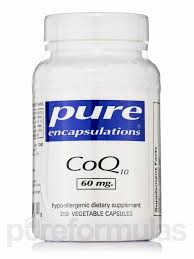
CoQ10 protects the heart
CoQ10 may protect those with low HDL

The cholesterol story continues, but the emphasis placed on total cholesterol is finally fading. Now the heat is up on HDL, or the “good” cholesterol.

It’s almost sad that, after years and years of promoting high cholesterol as a risk factor for heart disease, the medical community has quietly backed off from this mistaken belief that total cholesterol is linked to heart disease.  I should probably clarify that.  Mainstream medicine has finally backed off from the idea of artificially lowering your total cholesterol with drugs actually saves lives.

It is true that those with high cholesterol are at an increased risk of having a heart attack and dying of cardiac causes.  But lowering cholesterol with a drug like Lipitor or Crestor is just short of worthless.  Lowering total cholesterol with lifestyle, however, will absolutely, positively save your life.
[Read more…] about Low HDL Cholesterol? This Supplement Could Protect Your Heart

Filed Under: Cholesterol, Heart Disease, Stroke Tagged With: cholesterol, coenzyme Q10, CoQ10, HDL cholesterol, heart disease

  • « Go to Previous Page
  • Page 1
  • Interim pages omitted …
  • Page 4
  • Page 5
  • Page 6
  • Page 7
  • Page 8
  • Interim pages omitted …
  • Page 48
  • Go to Next Page »

Primary Sidebar

Patient Quick Guide

Schedule An Appointment
Contact Our Office
Download Patient Forms

Categories

Chiropractic Mesa Arizona

Arthritis Chiropractor Mesa AZ
Graston Technique Mesa AZ
Back Pain Chiropractor Mesa AZ
Back Pain Doctor Mesa AZ
Wrist Pain Chiropractor Mesa AZ
Rotator Cuff Chiropractor Mesa AZ
Shoulder Pain Chiropractor Mesa AZ
Knee Pain chiropractor Mesa AZ
Manipulation Under Anesthesia In Mesa AZ
Headache Chiropractor Mesa AZ
Chiropractic Mesa AZ
Stem Cell Therapy Mesa AZ
Regenerative Medicine Mesa AZ
Massage Therapist Mesa AZ
Shoulder Pain Doctor Mesa AZ
PRP Therapy Mesa AZ
Chiropractic Mesa AZ
Who Is The Top Chiropractor In Mesa AZ?
Knee Injury Doctor Mesa AZ?

Footer

Resources

Site Map
Disclosure
Additional Resources

Best Massage Therapist Mesa AZ
Arthritis Doctor Mesa AZ
Chiropractic Mesa AZ
Back Pain Doctor Mesa AZ
Rotator Cuff Doctor Mesa AZ
Chiropractor Mesa AZ
Massage Therapist Mesa AZ
PRP Therapy Mesa AZ
Knee Pain Doctor Mesa AZ
Stem Cell Therapy Mesa AZ
Headache Doctor Mesa AZ
Shoulder Pain Doctor Mesa AZ

Office

Lifecare Chiropractic
1830 S. Alma School Rd, Ste 135
Mesa, AZ 85210
(480)-839-2273
Also Serving Tempe, AZ

Get Directions

  • Home
  • About
  • Common Conditions
  • Additional Services
  • Testimonials
  • Blog
  • E-Books
  • Contact

Copyright © 2026 · LifeCare Chiropractic · All Rights Reserved.