• Skip to main content
  • Skip to primary sidebar
  • Skip to footer

LifeCare Chiropractic

The Best Chiropractic Care in Mesa, Arizona

  • Home
  • About
    • Why Lifecare?
    • About Dr. Bogash
    • Team Members
  • Common Conditions
    • Wrist Pain/Carpal tunnel syndrome
    • Elbow Pain/Epicondylitis
    • Headaches
    • Knee Pain and Knee Injuries
    • Low Back Pain
    • Shoulder Pain and Rotator Cuff Problems
  • Additional Services
  • Testimonials
  • Blog
  • E-Books
  • Contact

HDL cholesterol

Diabetes and Drugs to Lower Cholesterol

February 15, 2015 by James Bogash

DO THE DRUGS THAT LOWER CHOLESTEROL ACTUALLY MAKE THE CONDITION WORSE?

It is a sad state that most cases of elevated cholesterol are actually due to being pre-diabetic.  How do we know?  Look for lowered HDL and elevated triglycerides.  Clear sign.  So, enter mainstream medicine and respond with knee-jerk reaction.  Give statins.  Numbers look better.  Doctor is very happy.  Patient is deluded into thinking everything is OK.  Numbers great, no need for lifestyle changes.  Everyone’s happy.  Including the OTHER drug company that makes diabetic drugs, because more evidence is mounting that statins INCREASE THE RISK OF DIABETES, WHICH IS WHAT WAS WRONG IN THE FIRST PLACE!!!!!!!  UGH!!!  This, more than anything, is one of the most frustrating “fixes” in mainstream medicine to me.  And stay tuned for the next update, which finally begins to admit that statins do nothing to protect against that first heart attack..
Read More

Filed Under: Cholesterol, Prediabetes Tagged With: cholesterol, diabetes, HDL cholesterol, prediabetes

Low HDL Cholesterol? This Supplement Could Protect Your Heart

July 12, 2014 by James Bogash

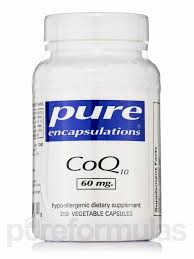
CoQ10 protects the heart
CoQ10 may protect those with low HDL

The cholesterol story continues, but the emphasis placed on total cholesterol is finally fading. Now the heat is up on HDL, or the “good” cholesterol.

It’s almost sad that, after years and years of promoting high cholesterol as a risk factor for heart disease, the medical community has quietly backed off from this mistaken belief that total cholesterol is linked to heart disease.  I should probably clarify that.  Mainstream medicine has finally backed off from the idea of artificially lowering your total cholesterol with drugs actually saves lives.

It is true that those with high cholesterol are at an increased risk of having a heart attack and dying of cardiac causes.  But lowering cholesterol with a drug like Lipitor or Crestor is just short of worthless.  Lowering total cholesterol with lifestyle, however, will absolutely, positively save your life.
[Read more…] about Low HDL Cholesterol? This Supplement Could Protect Your Heart

Filed Under: Cholesterol, Heart Disease, Stroke Tagged With: cholesterol, coenzyme Q10, CoQ10, HDL cholesterol, heart disease

Cholesterol Lowering Drugs and HDL—Do They Work?

October 28, 2013 by James Bogash

It’s pretty well established that, despite drug companies mounting a massive push and “educational” effort for years, total cholesterol by itself has little to do with heart disease rates.

However, I still have to educate people in the community and my practice on this little tidbit.  The focus away from total cholesterol was made quietly, most likely as an effort to save face by those who had been pushing cholesterol levels as THE answer to heart disease.

The research on HDL (the “good” cholesterol), LDL (the “bad” cholesterol), VLDL (the “worst of the worst”) and triglycerides, however, is stronger.

In my opinion, the HDL:triglyceride ratio is the most valuable, but overall it’s the entire picture painted by all the lipids that give us the best picture.  This viewpoint, however, is not what drug research and use is about.  Since drugs can usually only affect one blood value at a time (i.e. statins will lower LDL but won’t have a big impact on triglycerides), researchers have to push hard to find a relationship between a value and a disease (such as total cholesterol and heart disease) and then find a drug that affects that value.

Miraculously, despite all my Rantings on cholesterol lowering drugs as well as an eBook on cholesterol lowering drugs, I still have patients come in who think that the drugs they’re on will actually protect them from heart disease and stroke.  Needless to say, I’m not a fan of cholesterol lowering medication and will not hesitate to point out the research related to cholesterol.

Which leads me into this particular study.  In it, researchers looked at two types of lipids, HDL cholesterol and apoA-1.  Most know that HDL is generally considered the “good” cholesterol and lifestyles that promote higher levels will be strongly protective against heart disease and stroke.  ApoA-1, however, is less well-known.  Apolipoprotein A-1 is one of the major proteins that makes up the HDL molecule and helps to shuttle cholesterol around the bloodstream.  Having higher levels is more protective to the heart.

This study looked at the effect that HDL and ApoA-1 levels had on heart disease.  Then, they looked at what effect statins had on these relationships.  Here’s the specifics:

  1. HDL lowered the risk of a major cardiovascular event by 17%,
  2. ApoA-I level lowered risk 21%.
  3. In those patients taking statins whose LDL cholesterol levels were lowered to at least 50 mg/dL, an increase of HDL-C did not lower heart disease risk.
  4. However, in the statin responders, a rise in apoA-I did lower the risk of heart disease by 7%.

So what does this mean?  Higher levels of HDL and ApoA-1 are good for your heart.  But when those levels are artificially raised by a cholesterol lowering drug, it either didn’t help at all or the benefit was far less than higher levels occurring naturally.

When we find, from observational studies, that some lab value protects against some disease, it is LIFESTYLE that gives the benefit.  Cheating by using drugs to lower the value, if it works and doesn’t kill you from the side effects, will never produce the same benefit.

Filed Under: Cholesterol, Heart Disease Tagged With: ApoA-1, cholesterol, HDL cholesterol, heart attack, prevent heart disease

How Much Do We Know About “Good” Cholesterol?

October 4, 2013 by James Bogash

When it comes tocholesterol, we’ve viewed things in black and white.  Total cholesterol is bad.  LDL is bad.  HDL is good.

When drugs to lower total cholesterol and LDL cholesterol failed miserably (yes—the statins), the drug companies tried to make a drug that raised HDL cholesterol.  Ironically enough, the money for research and development likely came from the money from sales of the near-worthless statin, atorvastatin (Lipitor).

Torcetrapib, the first drug of its time made by Pfizer, indeed did raise HDL cholesterol but ended up killing patients 60% faster in phase III clinical trials so the drug was scrapped.

So what happened?

For some reason, the drug companies still don’t get it.  They don’t seem to understand that it’s not about the NUMBER, it’s about what the number represents.  Any number on your blood work, whether it’s total cholesterol, HDL, fasting glucose, HbA1c or liver enzymes, are merely the snapshot of the entire picture.  You see water leaking from 10 different locations in your house; do you plug all the individual leaks and throw down towels?  Or do you figure out what the problem is (like maybe the roof…) and fix it??

While this seems so obvious with home repair, it seems to have escaped the realm of common sense in medicine.  We find some type of lab value and latch onto it like a toddler with a new toy (or rather, a toddler with the box from the new toy…).  Then we put all of our focus into that lab value and build an entire approach to a disease based on this single lab value.

Back to the HDL issue.  HDL is not a single molecule.  Rather, as this particular study points out, it is actually made up of at least 85 different subtypes of proteins.  85.  So which ones are the best of the best and which ones are irrelevant as far as your risk of heart disease?  Many prescription drugs are designed to target a very specific pathway.  In the example above given for Torcetrapib, it is highly likely that the drug only affected a very small number of the 85+ types of HDL molecules.  Given that we don’t even understand how each of these types of HDL molecules work in concert, messing with only one could potentially lead to disaster, which is what happened.

Contrast this with lifestyle.  Lifestyle changes do not affect a single pathway.  It is likely that the right lifestyle changes geared towards lowering your risk of heart attack and moving you away from diabetes will lead to alterations in a large number of these HDL protein molecules.  Some will shift lower, some will shift higher, all moving in the direction they are supposed to go to protect you from chronic diseases.  Picture the most elaborate concert you have ever heard; each instrument orchestrating beautifully among one another to produce the perfect outcome.  THAT is what lifestyle does.

Pharmaceutical drugs, on the other hand, would be like throwing 2 or 3 toddlers with bats into the percussion section of a philharmonic orchestra.  Not pretty.

This same reason is why, despite the near universal salivation by the drug companies to create a drug that raises HDL cholesterol levels and magically lowers the risk of dying from a heart attack (while at the same time miraculously boosting profits), it will never happen.  Too many variables at play.  Stick with GMO-free soy, exercise and nuts to raise your cholesterol levels instead.

Filed Under: Cholesterol, Heart Disease Tagged With: cholesterol, good cholesterol, HDL cholesterol, prevent heart disease, raise HDL cholesterol, triglycerides

Consumption of NSAIDs and the Development of Congestive Heart Failure in Elderly Patients – (04-17-00)

May 5, 2013 by James Bogash

This is one of the best ways to combine the best of nutrition w/ the best of Western medicine. But don’t hold your breath waiting for it to become standard prescription practice.

Investigational studies of a formulation of extended release niacin and lovastatin show that the combination is safe and well-tolerated and that it improves a number of lipid profile markers. Dr. Moti L. Kashyap of Long Beach Veterans Administration Medical Center, in California, presented findings from a study of combination therapy in 814 patients in a dose-escalating open-label study during the 49th scientific sessions of the American College of Cardiology. Dosages ranged from niacin 500 mg + lovastatin 10 mg to niacin 2,000 mg + lovastatin 40 mg. Dr. Kashyap said that the combination drug, Nicostatin (Kos Pharmaceuticals, Miami Lakes, Florida), has additive effects over monotherapy with either of the two drugs alone, especially in lowering LDL cholesterol, raising HDL cholesterol and lowering triglycerides.

Whoa!! Very important news. We all know that NSAIDs (ibuprofin and it’s kin…) have damaging side effects on the stomach, liver, joints and kidneys. But increasing your risk of congestive heart failure? If a natural remedy had even 1/10th of the dangers of NSAIDs, it would be yanked off the market faster than you could say “Celebrex”. Remember the tryptophan contamination way back when? A handful of deaths were attributed to a contaminant in the supplement (not the supplement itself) and it was yanked off the shelves and still can’t be sold; yet, an estimated 15,000 people die from NSAIDs per year!!!

Consumption of NSAIDs and the Development of Congestive Heart Failure in Elderly Patients: An Underrecognized Public Health

More benefits of monounsaturated fats…

Olive Oil and Reduced Need for Antihypertensive Medications

Filed Under: Heart Disease, NSAIDs Dangerous Tagged With: HDL cholesterol, LDL cholesterol, lovastatin, monotherapy

Infections lead to heart disease – (07-18-02)

January 27, 2013 by James Bogash

Predisposition to Atherosclerosis by Infections

This article adds further weight to the contribution of infections to cardiovascular disease. There is a growing list of factors that contribute to risk, and many, if not most, can be managed with lifestyle changes…CRP, cholesterol, homocysteine, HDL cholesterol and now infections. Maintaining a lifestyle that supports healthy immune function (avoiding refined carbs, lots of fruits and veggies..) can help lower risk of infections and possibly lower CVD risk.

Circulation — Abstracts: Prasad et al. 106 (2): 184

Read entire article here

Filed Under: Heart Disease Tagged With: atherosclerosis, cardiovascular disease, cholesterol, CRP, HDL cholesterol, homocysteine

Glycemic Index and HDL Cholesterol – (03-15-01)

January 20, 2013 by James Bogash

Glycemic Index and Serum High-Density Lipoprotein Cholesterol

Not that this is a big surprise, but eating refined carbs (known to have high glycemic indices–the rate at which sugar shows up in the bloodstream after ingestion of specifc types of carbs) will lower HDL levels in the blood. In addition, insulin (produced in higher levels with higher glycemic index foods) will stimulate HMG CoA reductase; the enzyme that makes cholesterol in our bodies. Higher total cholesterol and lower HDL…the perfect prescription for heart disease. Just for added measure, refined carbs are low in folic acid and B6; thus potentially having a negative effect on homocysteine levels. Glycemic Index and Serum High-Density Lipoprotein Cholesterol Concentration Among US Adults

Read entire article here

Filed Under: Cholesterol Tagged With: Glycemic Index, HDL cholesterol, homocysteine levels

Risk indicators of coronary heart disease – (01-29-04)

December 2, 2012 by James Bogash

Apolipoprotein B and apolipoprotein A-I: risk indicators of coronary heart disease and targets for lipid-modifying therapy

Just when you thought you had it down–LDL cholesterol BAD, HDL cholesterol GOOD, we identify subfractions of both of these cholesterols. HDL has several subfractions, with HDL-2 believed to be the real player for lowering CVD risk.

This study confirms previous evidence that apo B increases risk and apo A-1 lowers risk. Once again, it’s almost a little comical and a little sad when most clinicians are still oblivious to the research and continue to use only cholesterol to stratify risk for CVD.

Read entire article here

Filed Under: Cholesterol, Heart Disease Tagged With: apolipoprotein A, Apolipoprotein B, CVD, HDL cholesterol, LDL cholesterol

  • Page 1
  • Page 2
  • Go to Next Page »

Primary Sidebar

Patient Quick Guide

Schedule An Appointment
Contact Our Office
Download Patient Forms

Categories

Chiropractic Mesa Arizona

Arthritis Chiropractor Mesa AZ
Graston Technique Mesa AZ
Back Pain Chiropractor Mesa AZ
Back Pain Doctor Mesa AZ
Wrist Pain Chiropractor Mesa AZ
Rotator Cuff Chiropractor Mesa AZ
Shoulder Pain Chiropractor Mesa AZ
Knee Pain chiropractor Mesa AZ
Manipulation Under Anesthesia In Mesa AZ
Headache Chiropractor Mesa AZ
Chiropractic Mesa AZ
Stem Cell Therapy Mesa AZ
Regenerative Medicine Mesa AZ
Massage Therapist Mesa AZ
Shoulder Pain Doctor Mesa AZ
PRP Therapy Mesa AZ
Chiropractic Mesa AZ
Who Is The Top Chiropractor In Mesa AZ?
Knee Injury Doctor Mesa AZ?

Footer

Resources

Site Map
Disclosure
Additional Resources

Best Massage Therapist Mesa AZ
Arthritis Doctor Mesa AZ
Chiropractic Mesa AZ
Back Pain Doctor Mesa AZ
Rotator Cuff Doctor Mesa AZ
Chiropractor Mesa AZ
Massage Therapist Mesa AZ
PRP Therapy Mesa AZ
Knee Pain Doctor Mesa AZ
Stem Cell Therapy Mesa AZ
Headache Doctor Mesa AZ
Shoulder Pain Doctor Mesa AZ

Office

Lifecare Chiropractic
1830 S. Alma School Rd, Ste 135
Mesa, AZ 85210
(480)-839-2273
Also Serving Tempe, AZ

Get Directions

  • Home
  • About
  • Common Conditions
  • Additional Services
  • Testimonials
  • Blog
  • E-Books
  • Contact

Copyright © 2026 · LifeCare Chiropractic · All Rights Reserved.