STRESS AGAIN KILLS THE HEART. If you read the last post, you’ll know that stress greatly increases your risk of dying of a heart attack. This particular study adds weight to the evidence, but from a different viewpoint. The outside of the adrenal glands produce 3 main hormones: cortisol, aldosterone and DHEA. We already know that elevated cortisol destroys the heart. Our bodies use aldosterone to keep blood pressure up (UP? Yes, up…with the exception of the past several hundred years, LOW blood pressure was a concern for survival, so our bodies have a tool to manage low blood pressure. High blood pressure, on the other hand, our bodies have no idea how to handle). So what happens during stress? Our adrenals shift wartime resources to cortisol, and the other two hormones suffer. In other words, DHEA levels drop. In this study, this leads to a greatly increased risk of cardiac death in line with the prior post. Interestingly, I have been surprised at how many medical doctors have been checking testosterone levels on patients. If the levels come back low (which many seem to) they recommend creams, injections, pills to “fix it.” No one ever seems to be concerned with WHY the levels are low. Guess what….low DHEA = low testosterone. So if you have low testosterone and your doctor does not dig deeper and look at the adrenals, you may be well on your way to heart problems. We have to ask the right questions.
Stress
Stress Rips Apart Your Body – Back Pain Chiropractor Mesa AZ
STRESS RIPS APART THE HEART. Ok. It should come as no surprise that stress is very bad for us. The problem is that most people seem to view the recommendation as tongue in cheek. It never seems to be enough to change anyone’s behavior. But what if it was almost guaranteed that your stress levels will lead to you dying of a heart attack and having your family deal with the consequences? In this particular study, those with higher levels of cortisol (the stress hormone) in their urine had 500% increased risk of dying from a heart attack. While it’s not a set in stone guarantee, it’s about as close as it comes. Think about this the next time you decide to stress over something. Is THIS worth dying to my family? Very rarely is the answer going to be yes.
Mesa AZ Back Pain Chiropractor – Stress and Pain
Does Stress Cause Life Threatening Conditions?
IS CALMING OUR MIND REALLY POWERFUL ENOUGH TO OVERCOME LIFE THREATENING DISEASE? Long before we should ask this question, we should ask if stress causes life threatening conditions in the first place (cancer, heart disease, stroke, autoimmune disorders, seizures, etc…). The answer is a strong “yes.” The problem is that stress is so prevalent in our society that it seems like every other patient I see is in the process of having their lives destroyed by it. Slowly and painfully, of course. Stress is not a quick process. What few seem to realize (or rather, admit) is that they create ALL of the stress that they deal with. This responsibility is the most difficult for patients to admit to. It’s all exterior. Their spouses, their kids, their boss, their house payment, the economy. It’s not exterior. It’s ALL interior. The stress you are dealing with is created by you. Mindfulness training is similar to meditation and helps us understand that. In this particular study, researchers found an increased quality of life in multiple sclerosis patients who underwent mindfulness training. If mindfulness training is powerful enough to increase the quality of life is someone who might have difficulty feeding themselves, what can it do for you? Read More…
Stress Destroy’s Joint’s – Join Pain Chiropractor
CAN STRESS DESTROY OUR JOINTS? Catecholamines are hormones released by the adrenal glands, the most recognized of which is adrenaline. Looking at the article, it suggests that catecholamines might have some pretty potent anti-inflammatory effects and may always be at work controlling inflammation within a joint. However, in the initial stages of joint degeneration there is a loss of the signals from the sympathetic (fight or flight) nervous system and the body tries to adapt local production of catecholamines in the joint itself. Basically, the nerves fail and then the cells in the joint themselves try to pick up the slack. This likely fails with time and leads to exhaustion of these local cells. To me, it would suggest that, once you’re late in the process of arthritis, nothing’s likely to help. BUT, early on, adrenal support might be a very good thing. This also suggests that stress, which depletes the adrenal glands, may directly affect the process of osteoarthritis. Could adrenal support supplements help in the early stages of arthritis?? Good question…
Joint Pain Chiropractic Mesa AZ
CAN STRESS DESTROY OUR JOINTS? Catecholamines are hormones released by the adrenal glands, the most recognized of which is adrenaline. Looking at the article, it suggests that catecholamines might have some pretty potent anti-inflammatory effects and may always be at work controlling inflammation within a joint. However, in the initial stages of joint degeneration there is a loss of the signals from the sympathetic (fight or flight) nervous system and the body tries to adapt local production of catecholamines in the joint itself. Basically, the nerves fail and then the cells in the joint themselves try to pick up the slack. This likely fails with time and leads to exhaustion of these local cells. To me, it would suggest that, once you’re late in the process of arthritis, nothing’s likely to help. BUT, early on, adrenal support might be a very good thing. This also suggests that stress, which depletes the adrenal glands, may directly affect the process of osteoarthritis. Could adrenal support supplements help in the early stages of arthritis?? Good question… Read More…
Stress, Weight Gain and Depression; Are They Really Linked?
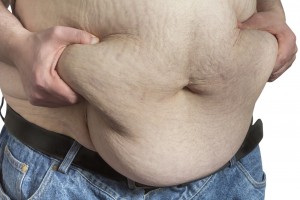
Stress kills us. Luckily, it is a slow process, dragged out over the course of decades resulting in a painfully slow death.
The process is not direct. It’s not like you stress out after getting cut off in traffic and then drop dead before the next exit. Acute stress is something our bodies were designed to handle and handle well. It’s the chronic variety that our bodies do not know how to deal with.
Stress has been linked to many different chronic diseases, but top of the list is weight gain. But how does this work? Is it a direct effect? This particular study addresses how stress effects our bodies’ response to fatty meals.
Specifically, researchers looked at 58 healthy women (38 breast cancer survivors and 20 control women) with an average age of 53.1 years, received either a high saturated fat meal or a high oleic sunflower oil meal during two separate 9.5-hour admissions to a center for testing.
On each occasion, the women were asked about prior day stressors as assessed by the Daily Inventory of Stressful Events questionnaire. Here’s what they found:
- Greater numbers of stressors were associated with lower postmeal Resting Energy Expenditures (they burned less calories after the meal with higher stress).
- More stress also led to less fat oxidation (less fat burning).
- More stress led to higher insulin after the meals (essentially more prediabetic).
- Interestingly, women with prior major depressive disorder had higher cortisol and higher fat oxidation.
- Women with a history of depression who had more stressors had a higher triglycerides after the meal.
These effects can be factored into a difference of 435 kJ less energy burned from depression factors that could add almost 11 pounds per year. Cleary stress and depression, especially when mixed, play a role in the development of obesity and all the chronic diseases that go along with it.
Unfortunately, depression comes along with its own set of problems. When you are in the throes of depression, making healthy choices is the last thing on the list. Exercise and eating healthy just aren’t likely to happen. And yet, these choices would help to curb obesity and chronic disease.
With anxiety and stress, on the other hand, making these healthy choices is not impeded by a lack of motivation, but rarely seem to happen. If you experience anxiety or are prone to anxiety, understand that you every time you allow yourself to stress, every meal you eat over the next 24 hours will be a meal that increases your risk of becoming obese.
Have a Skinny Friend? Maybe You Should Borrow Some of This
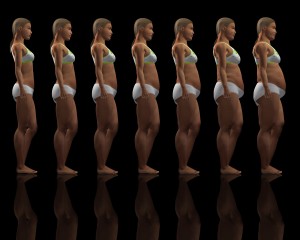
Obesity and weight loss are complicated issues. It’s no longer about calories in versus calories out.
In a prior article I wrote about the contributions of environmental chemicals to obesity and diabetes. And this contribution is not a small one. You can read more about this relationship by clicking here.
Certainly the quality of the foods you eat, the calories and the amount of calories that you burn play a role. You can’t sit on the couch and eat 4,000 calories a day and not expect to gain weight. But what about the other extreme? What if you watch your calories, watch the quality of your calories as well as exercise consistently using both aerobic and resistance training and still cannot get to your ideal weight?
That is the frustrating situation you may find yourself in, ultimately throwing up your hands and giving up. And unfortunately, I can’t provide you with a direct, immediate answer. The answer to maintaining an ideal weight is not an easy one. It certainly requires attention to diet and exercise.
The harder factors to account for and change are the environmental ones I mentioned earlier. I know that in our household we have moved to stainless steel pitchers for our tea, glass and stainless steel for our water bottles, glass for our cups, natural / fragrance free dish soaps, laundry soaps and cleaners as well as getting any other chemicals that we can identify out of our lives. Not an easy task and we have to make some sacrifices as a family.
Talk about confusing. I cannot tell you how many patients are unaware that drinking out of plastic water bottles can make them fat. But what if the story got even MORE confusing?
Just what you wanted to hear. But that’s exactly what this particular study does. There has already been some hints from medical research that the bacteria in your gut can play a role in body fat. Stress, artificial sweeteners and antibiotics have all been shown to disrupt the delicate balance of the bacteria in your gut towards obesity and diabetes.
The researchers in this study took it quite a bit further. They took the bacteria in the gut of mice fed a high fat diet and transplanted this bacteria into mice who had basically had their guts wiped clean of bacteria so it was a clean slate. Here’s what happened to the mice given the high fat diet bacteria:
- There were disruptions in exploratory, cognitive, and stereotypical behavior (there were actual behavioral changes in the mice).
- There were disruptions in markers of intestinal barrier function (aka leaky gut).
- The was increased circulating endotoxin (more toxins from the bacteria in the gut).
- There was increased lymphocyte expression of ionized calcium-binding adapter molecule 1, toll-like receptor 2, and toll-like receptor 4 (basically, the white blood cells were gearing up for a fight with something).
- There was increased inflammation in the brain as well as alterations in the blood flow within the brain.
All of these changes from something as simple as changing the bacteria in the gut. Some would say this is just a mouse study and has no relevance. That argument is a little weak when you look at the human studies previously mentioned that have found relationships between bacteria in the gut and obesity. Then when you consider the reports of weight gain in patients who has undergone fecal transplants for C. diff infections this study becomes even more important.
The take home message is that the bacteria in your gut plays a strong role in your weight. The stress you experience, the foods you eat, your exercise and the drugs you take in (from anti-inflammatories and steroids down to antibiotics) all have an influence on your gut bacterial populations. Think on that when you decide to adopt a behavior that is known to negatively affect the bacteria in the gut.
Natural Remedies for ADHD in Children; Do They Work?
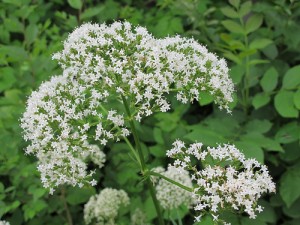
I believe every parent is inherently hesitant to put a child on drugs that mess with the brain. It would seem that natural remedies for ADHD in children would be safer.
Our childrens’ brains undergo some incredible changes throughout the entire adolescent period. And when it comes to the brain, we know very little about the details. This is why I believe that drugs need to be the very, very last option. We have already seen a long list of natural approaches in the research that have demonstrated a benefit for behavioral problems in children. These include:
- Avoiding junk foods. These have been shown to contribute to behavioral problems in kids.
- Phosphatidylserine found in soy and brain supplements.
- Lithium (the natural kind, not the prescription).
- Getting a good night’s sleep (even just 27 extra minutes of sleep led to improvements in behavior).
- Healthy fats have a strong history of being good for all brain conditions.
The list is longer, but you at least get the idea. It is clear that natural approaches are not only safe, they are at least as effective as the medications used to attention and behavioral problems in children. More importantly, natural treatments for ADHD work WITH the brain, rather than against it.
This particular study adds another natural tool to the arsenal of natural treatments for ADHD. Our office has used a supplement containing valerian root, passionflora and hops (cleverly named VHP by Biotics) to successfully help patients with anxiety and sleep problems, so I am very comfortable with its use. This study uses a patented formula of valerian root and lemon balm (under the brand name Sandrin, which I was unable to find any additional information about). Here are the details on this 7 week-long study on 169 primary school children:
-
The children had hyperactivity and concentration difficulties but not did not meet ADHS criteria.
-
There was an impressive reduction in children having strong/very strong symptoms of poor ability to focus from 75% to 14%.
-
Hyperactivity ratings dropped from 61% to 13%.
-
Measures of impulsiveness dropped from 59% to 22%.
-
Parent rated social behavior, sleep and symptom burden also showed definite improvements.
-
Only two children experienced mild temporary adverse drug reactions.
Granted, the children in this study would not have been considered full-blown ADHD kids, but we really need to view this in perspective. The formulation clearly had an effect. Since the lifestyle changes noted earlier in this article work in different mechanisms, it would make sense that this formulation (or something like it) would be a strong tool in the complete natural approach for ADHD in children.