THE WESTERN DIET KILLS US YET AGAIN…Inflammatory bowel disease is when your body attacks its own gut. Ulcerative colitis and Crohn’s are the biggies. Not only are these diseases bad enough all on their own, but these conditions are associated with much higher rates of colorectal cancer. This particular study implicates the Western Diet (high in processed foods, animal saturated fats, artificial stuff, low in fruits and veggies, healthy oils, phytonutrients) in this progression from IBD to cancer. Adding more doom to the picture, it seems that the rates of IBD are going up in our children. This is likely a result of messing with the immune system too early with wanton use of antibiotics and vaccination (both of which skew the immune system towards autoimmunity). This makes it even more important to avoid antibiotics in children except in the most dire of circumstances, view each immunization with a magnifying glass and make sure they grow up knowing what fruits and veggies and olive oil look like and have no idea that you’re supposed to eat that brilliantly colored food looking product that comes in a box or plastic wrap.
Probiotic
The C-Section Rates
HOW DID WE HUMANS EVER MANAGE BEFORE THE ADVENT OF THE OB/GYN PRACTICE? I can understand that there are scenarios where a C-section is lifesaving to the mother or newborn. But 30% of the time? This is an unbelievably high percentage of women undergoing C-section. Some of it is driven by the medicalization of the delivery process (as if it wasn’t able to happen in the prior 1/2 million years without help!) and this near un-resistible urge to induce labor. That induction forces the body into a process it wasn’t just quite ready for yet and the complication and intervention rate goes up from there. But once the delivery is over (as a procedure, it is “over,” as an “experience” with natural childbirth it lives on forever as an incredible memory…and heck…isn’t “natural” childbirth kind of redundant?) the problems can just begin. Without the exposure to healthy bacteria from the vaginal vault, so long as mom hasn’t been on antibiotics, the newborns’ gut gets filled with the wrong type of bacteria and the risk of allergies, asthma and autoimmune disease goes up. So, at the very least, OBs and pediatricians should inform parents that they NEED to give this little tiny newborn probiotics.
Drugs for Ulcers; Extreme Dangers of Long-Term Use
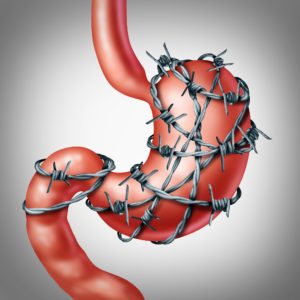
If you’ve got a bleeding ulcer, drugs that block acid like Nexium, Prilosec and Aciphex can save your life. Even if that ulcer is caused by your daily anti-inflammatory.
However, for the remaining 99% of the time that acid-blocking drugs are used, they can wreak havoc.
You see, the body digests….and it does everything else. When it comes to digestion, stomach acid is the lynchpin. The key. The big daddy.
Stop the production of stomach acid, and you open up the Mother of all Pandora’s boxes. Stomach acid does not just participate in digestion, it STARTS it. Among many other things. Here is just a small sample of what stomach acid does in the human body:
- The most obvious function is the digestion of proteins.
- Most other digestive enzymes are produced in an inactive form (otherwise the enzymes would digest the very glands they are made in). Stomach acid activates these enzymes so they can work.
- The pH of the stomach has to be low enough to tell the pancreas to release bicarbonate. Stomach acid ensures this happens. Without it, the pH of the contents released from the stomach (chyme) stay acidic and can damage the entire length of the intestinal tract.
- Stomach acid turns on certain anti-cancer compounds in foods (like indole-3-carbinol in cruciferous veggies).
- Stomach acid is needed to absorb certain compounds like iron and B12.
There’s one other little ditty that stomach acid does. There are very few microorganisms that can survive a pH of 2 or 3. In other words, stomach acid sterilizes most things that try to make it through the stomach.
That means that if you do not have enough stomach acid because you are, say…taking Nexium…, bacteria will begin to grow in regions of the intestine that are not supposed to have bacteria growing in them. The technical term for this is small intestine bacterial overgrowth (or SIBO, for short).
And if you want to pick something that can totally screw up your health, SIBO is a good first choice. Having bacteria growing where it is not supposed to be begins to damage the lining of the small intestine, allowing things to get into your body that are not supposed to. This can create massive amounts of inflammation everywhere, even in the brain.
Just in case you think I’m making this up, researchers in this particular study looked at the gut flora of the lower intestinal tract (microbiome) of 1827 healthy twins to see if proton pump inhibitor (PPI) use had any negative effects.
Here’s what they found in those PPI users:
- There was a lower number of normal gut bacteria (commensals).
- There was a lower microbial diversity (the “mark of death” when it comes to a healthy gut).
- There were a higher number bacterial from the oral cavity (again indicating that these bacterial are not getting killed off in the stomach), with a special mention of the Streptococcaceae family.
The list I gave earlier is really bad enough when it comes to destroying your health. But when you add in a disruption to the microbiome, the sky’s the limit to how much damage long-term use is to your health.
And just what is “long-term?” If you read the safety labels, then anything over 3 months is completely out of context of what these drugs are designed for. That does not mean that I haven’t seen patients on these for DECADES. THAT is a disaster waiting to happen.
But what about all those patients out there that make too much stomach acid and need these drugs?
I will go out on a limb and state that almost NO ONE who has reflux or gastritis makes too much stomach acid. Quite frankly, short of a gastrin-producing tumor, it just doesn’t happen. As a matter of fact, with stress and with aging, stomach acid production goes down. It gets to the point where some 40% of women over 50 are not producing any stomach acid AT ALL (achlorhydria).
I’m not saying that stomach acid getting where it’s not supposed to be is a good thing, because it’s not. What I am saying is that stomach acid is not the problem. Usually, the problem is just the opposite. I can’t tell you how many times I’ve given digestive support to patients with gastritis or reflux and their symptoms went away.
Kind of ironic that this approach to totally opposed to the mainstream medical approach and yet seems to work very well.
All without destroying your microbiome and your long term health. What a bargain.
Pneumonia and Antibiotics? Surprisingly Bad Mix
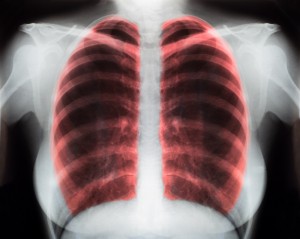
It never ceases to amaze me how much mainstream medicine has moved away from understanding and supporting normal physiology.
There was just a commentary in the Journal of the American Medical Association (JAMA) on primary prevention of atherosclerotic coronary heart disease. (in English: the article was about how to prevent a first heart attack)
I went into the article thinking it was going to cover lifestyle and targeted supplementation that has been shown, in medical research over the course of decades, to strongly prevent heart disease. Nope. The ENTIRE commentary was about how to determine when doctors should medicate with statins.
Sad, sad, sad state of affairs.
Vaccination is another aspect of mainstream medicine that has gone way off the deep end. There are now strong recommendations to vaccinate all young children (girls and boys) with Gardasil for HPV. This is NOT a cervical cancer vaccine and it has NOT, as of the date of this writing, been shown to lower the rates of cervical cancer. Yes, this is correct. It has been shown to lower the rates of higher grade lesions of the cervix, but not actual cervical cancer. Medicine has taken a big leap here in saying that it protects against cervical cancer–this fallacy of using surrogate endpoints has fallen flat on its face many, many times before.
But wait! It gets worse…
What if one of the most common medical treatments actually derails something that is more effective than vaccination for a common condition. To twist this even further, what if the medical intervention is one that is the go-to treatment for the condition that a particular vaccine is designed for?
Regular readers already have an idea that I’m talking about the use of antibiotics wiping out normal, protective bacterial flora that does amazing things for your health.
Specifically, I’m talking about the use of antibiotics for pneumococcal pneumonia (Streptococcus pneumoniae). The type of pneumonia that medicine pushes the Prevnar vaccine throughout the entire lifespan, from infants to seniors.
This particular study puts all of this into perspective. In it, researchers looked at how the GUT bacteria could protect against LUNG infections. Here’s the specifics:
- It is well accepted that the gut microbiota supports BODYWIDE immune response.
- Researchers wiped out the gut microbiota of mice and then infected them with S. pneumoniae.
- When the gut microbiota was wiped out, there was more bacterial spread into the body, more, organ damage and higher death rates.
- When the bacteria was wiped out, the immune cells in the lung did not respond as strongly to bacterial debris (LPS and lipoteichoic acid) and the white blood cells had less ability to destroy the invading bacteria (phagocytosis).
- When a fecal transplant was done (yeah—sounds like something I’d sign up for…), bacterial counts in the lungs dropped back down to normal.
- After the fecal transplant, the immune system calmed down as well (TNF-α and IL-10).
In summary, the gut bacteria played a very, very strong role in fighting off Streptococcal pneumoniae infections in the lung.
Think about this. Having a healthy microbiome in your gut plays a role in fighting off bacterial infections in the lung. This means that the use of antibiotics for a bacterial pneumonia will PREDISPOSE YOU FOR FUTURE INFECTIONS by decimating your gut microbiome.
Staggering.
The mainstream medical approach to “preventing” pneumonia is to give the Prevnar vaccination (which I’ve written about how the potential pitfalls of this vaccination that can be read by clicking here). With the the same hand, your primary care doctor or pulmonologist will not hesitate to give you antibiotics to combat any number of infections, bacterial, viral or otherwise.
So what does this mean if you’re seemingly getting respiratory infections every time the wind changes direction? I would suggest you bombard your immune system with positive karma the second you’ve got the slightest indication of an infection. Vitamin C (at high doses—not 500 mg), vitamin D, vitamin A, no refined carbs and exercise (yes—exercise—raises your core body temp and helps your immune system fight off the infection better). And NO antibiotics unless you’re on your death bed with a fever of 104.
Over time (years, actually), your gut microbiome will recover to the point where it can help you fight infections in other areas of the body. If not, and you continue to use antibiotics at the drop of a dime, your immune system will NEVER stand on its own.
Never.
Want to Lose Weight?? Enlist the Help of a Friend

What if I told you that you could lose weight without doing a darn thing, so long as you had some help from a friend?
Sounds like an ad for the newest wonder supplement for weight loss. Get this great new weight loss product for $3 (just pay $59.95 for shipping and handling) with a money back guarantee (not including the S & H).
But no. This is something far more legit (and free, by the way…).
But first, we need to review the different types of body fat. And not just the unwanted fat that hangs around your middle and organs and increases your risk of all those nasty chronic diseases. There are three types of body fat:
- White fat–the bad stuff that does nothing but sit there and cause problems
- Brown fat–fat that burns calories like crazy to produce heat; as close to the answer for weight gain that the human body has
- Beige fat–an in-between state of fat as it transitions from useless white fat to the desirable brown fat
Until recently, scientists thought the brown fat was only present in babies and bats. As humans age, they lose brown fat, never to get back those heat-generating, calorie-burning fat cells.
Or, at least that’s what we thought. Turns out that we can actually “brown” our white fat cells, changing the makeup of the fat cell so that it begins to burn calories to generate heat. On the flip side, certain lifestyle choices have been shown to lower the amount of brown fat. Some of these are very simple to implement. Most notable of these is the use of artificial sweeteners (just in case you’re STILL using them to lose weight, this little factoid should wake you up). I’ve covered many of these factors in a previous article that can be read by clicking here.
The one factor that I need to review in the context of this blog article has to do with exposure to cooler temps. In a small study, volunteers who were exposed to cooler temps (60 degrees F) for 6 hours per day increased his or her brown fat by a respectable 37% in 10 short days.
Pretty cool. It certainly makes sense for our bodies to raise the internal thermostat (so to speak) when exposed to short term cold. It’s about adaptation. But how exactly does this happen? This group of researchers turned to mice to get a better grip on how this happens.
And the results are pretty surprising.
In this particular study, researchers exposed mice to slowly colder temps over the course of a month and watched how the mice’s bodies responded. But they ALSO kept an eye on the bacteria in the gut. Here’s what they found:
- The cold exposure led to a dramatic shift of the bacteria in the gut (microbiome).
- The cold mice developed more brown and beige fat, lost weight and had lower diabetes markers.
- Here’s the shocking part–transplantation of the cold mice microbiome into germ-free mice LED TO THESE SAME POSITIVE CHANGES.
- But before all of you living in the frigid tundra of Minnesota, prolonged cold led to adaptive changes–the gut actually enlarged to make sure it could grab even more calories to support the brown fat burning calories (increasing intestinal, villi, and microvilli lengths).
To make this even more interesting, the researchers were able to pinpoint a particular bacteria, Akkermansia muciniphila, as having the most potent effect. Which may not be surprising–I have covered this bacteria before in its ability to fight off diabetes and its relationship with well-trained athletes.
Back to my opening statement. Yes, you can lose weight during next to nothing. All you have to do is find a friend to freeze his or her butt off for 10 days and then do a fecal transplant from your cold-adapted friend.
Better be a pretty good friend….
Info on Heart Failure Your Cardiologist Probably Doesn’t Know

Heart disease remains the biggest killer in the Western world. This is despite billions of dollars pumped into this condition.
Billions of dollars into research, drug development, drug use and cardiology procedures. And yet, all we have to show for it is a slight reduction in deaths from heart disease, but an increasing number of people living with heart disease.
What this tells me is that we are getting better at keeping people alive who have had a heart attack, but we still suck at doing anything to keep people from getting there in the first place. Most cardiologists and primary care doctors would point to the statin class of drugs as the singlemost important discovery in cardiologist ever.
Which pretty much explains why we’re in the mess we’re in because statins pretty much suck at preventing heart disease. Period. (in case you think this isn’t true, I’d invite you to read through my 100+ page eBook on cholesterol and we can talk after that…)
One thing we HAVE discovered from all the billions of dollars that have gone into cardiovascular research is that heart disease is almost 100% preventable.
Yup.
Seems hard to reconcile that the #1 killer in the Western world is almost entirely preventable. All we need to do is exercise more and eat better.
Except that it’s not quite that simple.
At the surface, yes, healthy dietary choices, not smoking and exercising regularly will eliminate a huge chunk of heart disease in this country. Then there’s the specifics, things like:
- Short burst aerobic exercise instead of merely walking 30 minutes a day
- More healthy fats (monounsaturated, omega-3) instead of trans and omega-6 fats
- Managing stress
- Avoiding refined carbohydrates and eat more whole grains
- Avoiding toxic environmental chemical exposure like BPA
But sometimes the answers are far more complex. And way beyond the realm of the average cardiologist.
You see, the human body has never respected the artificial boundaries of medical specialties that we have created. The examples of neurology crossing into gastroenterology, endocrinology crossing into cardiology and obstetrics crossing into psychology are all over the place.
This particular article is no different. In it, researchers looked at 60 stable patients with mild CHF (half with NYHA functional class I to II) and moderate to severe CHF (half with NYHA functional class III to IV) and evaluated the composition of the inhabitants of the gut. Here’s what they found when these heart failure patients were compared to normal patients:
- The entire heart failure population had massive quantities of pathogenic bacteria and Candida.
You can bet these findings will be the key topic of discussion at the next joint Cardiovascular / Gastroenterology convention.
(Yeah, don’t hold your breath waiting for the invite to this event…)
But seriously, these are some VERY striking differences between the heart failure patients and the normal participants. The question is whether the changes in the gut were the cause or the result of the chronic heart failure.
As with everything, the answer likely lies somewhere in between. We already have strong evidence that the bacteria in the gut contribute to obesity and diabetes. It would not be a big stretch to link bad bacteria balance in the gut with the later development of heart disease.
Personally, I’ll keep an eye on the research as it comes out over the next few years linking the gut bacteria and heart disease. In the meantime, I would do everything possible to make sure I’m living a lifestyle that is consistent with a healthy bacterial flora in the gut as well as avoiding antibiotics in all but the most life-threatening situations.
Your heart will must likely thank you for it.
Billion Year Old Treatment Effective for Colic?
I’ve grilled in the idea that the bacteria in our body is not always detrimental and should not be wantonly destroyed with antibiotics.
Quite the opposite–when healthy bacterial flora is present our bodies benefit. And the list of benefits is quite long and includes pretty much any condition or disease that the human body can experience. And this relationship between the bacteria in our gut and our health starts early in life.
In this particular study, a group of 46 infants with colic were in the control group or were given a specific form of probiotic (Lactobacillus reuteri to the tune of 800 million / day – which is much lower then I usually recommend in inftants) and found some pretty strong benefits on colic. For any of those parents out there dealing with a colicky baby, anything that can help is a godsend. If that intervention happens to be inexpensive and simple, it becomes a no-brainer. Here’s what the researchers found:
- Responders (50% reduction in crying time from baseline) were higher in the L reuteri group versus the placebo group on days 7 (20 vs 8), day 14 (24 vs 13), and day 21 (24 vs 15).
Now, long before the colic sets in, we need to understand that mom needs to have good bacteria to start with–both in the vaginal vault and in her gut so that she can transport the bacteria to her breast milk for nursing. That means that if mom has EVER had antibiotics and did not replace the good bacteria that was destroyed, she will likely not have the good bacteria to pass on to the newborn during the travel through the birth canal and subsequently through nursing. I would also add that, if a nursing mother has an infant experiencing colic, chiropractic adjustments and having mom avoid dairy have been shown to help as well.
Taking Drugs for Cholesterol Issues? Maybe Medication Started the Problem
Cholesterol lowering drugs seem to have lost some of their luster. Can’t say I’m disappointed about that little tidbit.
Due to staggeringly successful marketing efforts on the part of the drug companies (most notably Pfizer for Lipitor), drugs to lower cholesterol became one of the most successful drugs ever produced. Unfortunately, this had little effect on patient health because of the truly dismal benefits of the statin class of drugs.
One percent improvement. Yup. That’s about all you can expect from taking a statin drug to lower your cholesterol. Pretty much sucks no matter how you look at it.
The cholesterol story has become quite interesting in the past few years. It took some very large studies to put the minimal benefits of statin drugs into perspective, especially in light of the risk of diabetes from this class of drugs.
I think the findings that statins increased the risk of diabetes (ironically, especially in those who were at lower risk in the first place) has finally opened medicine to the idea that this class of drugs is not the miracle drug we once thought it was.
To see how far it’s come, the most recent cardiovascular disease prevention guidelines do NOT include cholesterol as a risk factor nor are there recommendations to limit dietary cholesterol intake.
My how far we’ve come.
Still frustrating, however, when you consider that these recommendations NEVER should’ve been present in the first place. It’s like medicine is just now waking up to the idea that the “statins to lower high cholesterol” approach is just not a good idea.
I’m not saying that high cholesterol is a goal we should shoot for. Quite the opposite. It’s just that cholesterol is just one risk factor among many and putting on blinders to look just at total cholesterol is a bad idea. To give you an idea of how crazy the idea of using a drug to single-mindedly lower cholesterol is, this particular study should do the trick. You see, cholesterol levels are merely a reflection of the health of the body. That means that literally hundreds of factors will work together to create the numbers that you see on your blood test.
These numbers can include total cholesterol, LDL cholesterol (generally “bad”), HDL cholesterol (generally “good”), triglycerides (lower is better), Lp (a) (lower is better), Apo B (lower is better) and VLDL (lower is better). Diet, exercise, stress levels, supplements and environmental exposures can all affect your lipids levels. But according to the results of this study, there may be another factor affecting your levels that your doctor is likely not aware of.
The bacteria in your gut.
Yup. As if we didn’t already link the bacteria in your gut to pretty much every other aspect of health. Now we can chalk up your lipid levels on the list. Here’s the specifics of the study:
- The gut bacteria was evaluated in 893 subjects, with an average 238 different types of bacteria per individual (ranged from 44 to 355).
- As seen in just about every other study looking at the microbiome, higher diversity (as measured by Shannon’s diversity index) led to better lipid values.
- Higher diversity was linked to lower BMI.
- Higher diversity was linked to lower trigylcerides.
- High diversity was linked to higher HDL levels.
The study went into FAR more detail than this as far as the relationship between specific bacterial species, BMI and lipids, but suffice it to say that the results were consistent with prior studies on this same subject.
So what does this mean? It means that someone, somewhere is going to try to financially capitalize on this relationship. You can bet this will be along the lines of fecal transplants (and now for the collective “yuck…”), which is already well on its way to being an acceptable treatment for C. diff infections.
To me, this means that diversity is key. I have said this time and time again and always relate it back to antibiotic use in all but the most life-threatening situations.
Antibiotics WIPE OUT DIVERSITY and it takes years to recover, if ever. IF EVER. I can not state this more strongly—if you are the type of person who runs out and gets an antibiotic prescription for acne, sinus infections, urinary tract infections, sore throats, ear infections or upper respiratory tract infections (ALL of these have very little evidence of effectiveness and can be better managed naturally), even if it is only once every few years, you are absolutely, positively, destroying the diversity in your gut and with it, your long term health.
Thinking that you are OK after antibiotics by just following up with probiotics for a week or two is old school. Taking probiotics is just the first 100 yards of a marathon. But if you can point me to a probiotic with 200+ strains that will survive through to GI tract to the lower regions of the intestines, I’ll revise my thinking on this issue.
Until then, avoid antibiotics unless you are on your deathbed with a fever of 106.