• Skip to main content
  • Skip to primary sidebar
  • Skip to footer

LifeCare Chiropractic

The Best Chiropractic Care in Mesa, Arizona

  • Home
  • About
    • Why Lifecare?
    • About Dr. Bogash
    • Team Members
  • Common Conditions
    • Wrist Pain/Carpal tunnel syndrome
    • Elbow Pain/Epicondylitis
    • Headaches
    • Knee Pain and Knee Injuries
    • Low Back Pain
    • Shoulder Pain and Rotator Cuff Problems
  • Additional Services
  • Testimonials
  • Blog
  • E-Books
  • Contact

Probiotic

Looking for a Healthy Pregnancy? Need to do this First

October 13, 2015 by James Bogash

probiotics and preterm birth
Maksud /Dollar Photo Club

I know that regular readers will be a little sick of hearing this, but at some point medicine needs to understand the dangers of antibiotics.

It seems that the tide is turning, but few still understand just how massively broad-reaching the effects of the bacterial flora of the human body are. And antibiotics just absolutely destroy the normal bacterial composition of the human body.  And IF it recovers, it can take years to happen.

I won’t go into all the research linking good bacteria to positive health and bad bacterial balance to just about every chronic disease known to man—all of that can be found by reading through past articles that can be found by clicking HERE.

A healthy pregnancy, in today’s environment, is a deliberate act and does not happen naturally. Which sounds kind of crazy, considering that pregnancy is one of the absolute requirements for the perpetuation of our species.  But there are just too many factors in today’s lifestyle that are not conducive to a healthy, full term pregnancy. From ubiquitous chemicals like BPA and phthalates to poor fertility leading to artificial reproduction attempts, it seems like our world has turned against our ability to reproduce safely.

It is very clear that those children born premature as well as those children born to couples who conceived through artificial means are behind the 8-ball health-wise. These children are at higher risk of things like obesity, heart disease and diabetes.  For this reason, anything that can be done to make sure that mom makes it to full-term is a very good thing.

Which makes this particular article so incredibly important. In it, researchers looked at the vaginal microbiota composition as from 40 women during pregnancy and for up to 12 months after delivery. Of this group, 11 women gave birth prematurely. Here’s what they found:

  • 62% of samples from women who delivered preterm had Lactobacillus-poor vaginal microbiota.
  • One-third of women with this low-Lactobacillus vaginal composition delivered very preterm infants born at fewer than 32 weeks of gestation.
  • On the other hand, 3/4 of women who carried pregnancy to term had Lactobacillus-dominant vaginal microbiota.
  • In addition, in women who had high levels of vaginal Gardnerella, a bacteria that can cause bacterial vaginitis, had even worse outcomes when they were Lactobacillus-poor.

While the authors state that this is not enough research to go around making sweeping recommendations to pregnant women to begin douching with Lactobacillus prior to becoming pregnant, I would disagree.

Quite frankly, the results of this study are not surprising given prior research along these lines coupled with how much we know about how the bacterial flora in our bodies drive immune function and inflammation.

What this should wake us all up to (if any of us still happened to be sleeping through the ruckus) is just how far-reaching the devastation of antibiotics can go. It’s not just about getting a day or so of diarrhea after a course of amoxicillin. Rather, it’s about a lifetime of disrupting the balance between inflammation and the proper functioning of your immune system.

Period.

Filed Under: Healthy Pregnancy, Probiotic Tagged With: fertility, healthy pregnancy, Lactobacillus, preterm birth, probiotics

Why Are There Bacteria in Our Intestinal Tract?

September 4, 2015 by James Bogash

This concept, beyond all others, seems to be incredibly difficult for mainstream medicine to grasp.  We continue to use antibiotics like candy with no thought whatsoever to the destruction of a bacterial presence that has been hundreds of thousands of years in the development.

In hunter-gatherer days, our exposure to soil dwelling bacteria was very common, and their presence in our gut became mutually beneficial.  The list of things that our bacterial flora do for us is virtually endless, as evidenced by the labeling of this bacterial population as another organ system on par with the liver.  This particular article reviews the origins of the bacteria in our gut.

In today’s society, the first exposure to healthy bacteria is via the birth canal and then with breastfeeding.

But what if mom has EVER been on antibiotics?  Scraps that idea.

What if the baby is put on antibiotics early in life and the pediatrician is unaware that the bacteria needs to be replaced?

Filed Under: Probiotic Tagged With: Hunter-gatherer, microbiome, probiotic

Devastating Arthritis in Children Starts at the Pediatrician

August 13, 2015 by James Bogash

antibiotic use and juvenile arthritis
dalaprod / Dollar Photo Club

Arthritis in the typical 50 or 60 year old is not a surprise, but when it strikes our children it’s something to be heavily concerned about.

In general, arthritis that strikes our kids is going to fall into the auto-immune type where the immune system has turned in on itself, attacking the joints of your children when the immune system should otherwise know better.  The most common version of this is juvenile rheumatoid arthritis or juvenile idiopathic arthritis, but it doesn’t really matter what you call it–your child will experience pain that children should not experience.

Even worse, this early joint destruction is going to create a major issue years down the line, setting up children for more pain and disability as they age.  It is likely that these children will also have a later increased risk of heart disease.  All in all, not a good picture.

At this heart of all of this is a whacked out immune system.  You see, we have two main branches of the immune system–the cell-mediated Type 1 (I refer to this arm as the “attack dogs” – they attack anything that tries to invade your body) and humoral mediated Type 2 (I refer to these as the “guard dogs” – they try to keep everything from getting into the body in the first place.

Balance is key here.  You want your immune system to attack things that it should (like a bacteria or virus) and NOT attack things it shouldn’t be attacking (joints, thyroid, adrenal, DNA, connective tissue, etc…).  We ALL have some degree of immunity.  Our immune systems aren’t perfect–there are mistakes that occur, but a healthy functioning immune system keeps this autoimmune attack under control.

This proper balance is set up very early in life.  And if we don’t get it right in the first few years of life, the will be a near-lifetime battle to keep the immune system in check.

And there are some very, very, critically important things that happen (or don’t) to our little ones that will screw up immune balance for a lifetime.  Way up at the top of the list is antibiotic use.

Antibiotic use.  Not even overuse.  Just USE.

Yes–that seemingly benign treatment that pediatricians STILL hand out like candy absolutely decimates immune balance from the get-go.  I have said it before and I will say it again (and again and again):

There is nothing more devastating to the long term immune, gastrointestinal and neurological health of your child than exposing him or her to antibiotics in the first few years of life.  The first 2 years is likely the most critical, but exposure at any time during childhood can have an effect.

And all of this would not be so bad if antibiotics were used appropriately.  That means as narrow-spectrum as possible (sniper rifle instead of cannon) and only used when absolutely necessary.  As in life-threatening.  Despite decades now of an attempt by researchers and guidelines to get doctors to stop the overuse of antibiotics.  Despite marketing efforts geared towards getting the message to patients.  Despite all of this, doctors can’t seem to resist writing prescriptions for conditions like ear infections, upper respiratory infections and pharyngitis (including Strep throat).

And all along, the battle cry is “antibiotic resistance.”  Sad that the destruction of the microbiome is only now, almost a century later, being viewed as a consequence of antibiotic use.

All of this brings us to this particular article.  In it, researchers looked at the association of antibiotic use in children with juvenile arthritis.  Here’s what they found:

  • ANY antibiotic exposure was led to a scary 210% increased risk of a child developing juvenile idiopathic arthritis.
  • This risk went up with more courses of antibiotics, jumping to an increased risk of 300% with over 5 antibiotic courses.
  • The risk was strongest when those kids developed arthritis within one year of taking antibiotics.
  • It was NOT the infection itself (the risk did not change based on the number or type of infections).
  • To drive the idea that it was NOT the infection itself, those children who had antibiotic-treated upper respiratory tract infections were more strongly at risk for arthritis than untreated upper respiratory tract infections.

This is serious.  This is not about antibiotic resistance of thinking that antibiotics are needed for that sore throat.  This is about a near-permanent disruption of the delicate balance of the immune system in a child.

And this study does not stand alone.  Strong links with other autoimmune conditions like Crohn’s disease and ulcerative colitis are also known.  Overall, it is very, very clear that antibiotics are in no way benign.  Rather, they begin the process of the destruction of proper immune balance.  Even a single course is enough to tip the scales.  And don’t think for a minute that following up with probiotics will wipe out the bad effects of the antibiotics.  I firmly believe that it takes years of dedication to rebuild the microbiome after a single course of antibiotics.

That’s some serious stuff.


Filed Under: Autoimmunity, Probiotic Tagged With: antibiotic, juvenile arthritis, juvenile idiopathic arthritis, juvenile rheumatoid arthritis, microbiome

Firmiculates Bacteria in the Gut and Pollutants in Your Diet

July 12, 2015 by James Bogash

microbiome and glutamine
abhijith3747 / Dollar Photo Club

Gut bacteria and your health.  The microbiome.  These strange bedfellows play a massive role in our health and yet we know so little about how to positively impact our microbiome using lifestyle and supplementation.

Luckily, it seems like weekly there are new studies published that help to fill in the major gaps in our understanding of this relationship.  One thing that remains clear is that the types of bacteria acting as King of the Hill makes a big difference in your long term health.  Firmicutes is a class of bacteria that is generally considered anti-diabetic, anti-obesity and an overall good guy.

Bacteroidetes, on the other hand, is on the other end of the scale, increased the risk of obesity and diabetes.  It is far more common in Westernized societies while Firmicutes is found in higher levels in hunter-gatherer populations.

This is where the solidity in understanding what goes on in our microbiome stops, although it does seem like we are getting a better and better idea of how to change this bacteria in our gut to a more friendly neighbor.  Diet, of course, plays a major role.  Avoidance of antibiotics in all except the most necessary of conditions is a major factor in destroying your microbiome.  Stress can change the character of your microbiome in a matter of minutes.

Other, less obvious factors can include certain amino acids.  A recent article on glutamine demonstrated just how powerful a single amino acid could be at making positive changes in your microbiome.  Another study found positive effects using cranberry extracts.  And I’m sure there’s a bunch more I’ve missed.

But while you’re busy positively affecting your microbiome with cranberry-flavored glutamine powder, you have to remain vigilant to the environment in which we live.  I have stated before that we live in a toxic soup that most of us blissfully swim through without being aware.  Or maybe you are one of the enlightened ones.  Maybe you stick to organics for the produce found on the Dirty Dozen list.  Maybe you didn’t buy a mattress after July 2007 due to the increase in flame resistance standards and the chemicals required to withstand a Bunsen burner.

Maybe you even ditched your non-stick cookware and you would never dream of drinking out of a plastic water bottle.

If this describes you, then you’re going to feel vindicated in front of all of those friends who called you a hippie and a health freak.  In this particular article, researchers looked at the effects of persistent organic pollutants (POPs) on the microbiome.  In this mouse study, researchers exposed the animals to a specific POP called 2,3,7,8-tetrachlorodibenzofuran (TCDF).  This compound is sometimes referred to as a dioxin (although it is better described as dioxin-ish) and we are typically exposed to it through the food we eat.

Most common exposures are through diet and, more specifically, animal products.  This is because, like heavy metals, animals cannot get rid of persistent organic pollutants so they just keep getting concentrated up the food chain.  This makes it very difficult to actually avoid exposure to POPs, although there are things you can do to reduce your exposure.  More on that in a bit.

In the study, mice were given a high dose of TCDF along with their food for five days.  The dose was 1,000 times the level that we are normally exposed to TCDF in our food supply, but the levels are in line with high dose occupational exposures.  Here’s what they found:

  • There was a shift in the gut microbiota Firmicutes to Bacteroidetes (not good).
  • There changes in bile acid metabolism.
  • The TCDF triggered inflammation and changed the way the liver was handling and storing both fat and glucose.

Granted, the levels of exposure were very high, but in a linked editorial, it was noted that further studies at dosages more in line with human exposures are showing the same types of negative changes in the gut microbiome.

So what can you do?  While you cannot avoid exposure completely, here are some tips:

  1. Considering that POPs are retained in animal tissues, living a vegetarian, vegan or plant-based lifestyle will lower your risk.
  2. If you do consume animal products, it would make sense that organic sources of  food would have lower levels of POPs.
  3. Lifestyle choices that promote growth of Firmicutes (as noted above) can counteract the chemical exposure-related changes.

For me, one of the scariest and most insightful things that I glean from studies like this is that so many of the negative consequences of our lifestyle choices are mediated through the gut bacteria.  Just how much of a role do these bacteria play?  In other words, it is well established that chemical compounds like POPs are associated with diabetes and obesity and certain cancers.  But is it the actual chemical compounds themselves causing problems internally, or is it that these chemicals are altering the gut microbiome and THIS is how these chronic conditions are created?

I’m sure it is a combination of the two, but what does this say about the importance of maintaining a good, solid, healthy microbiome?  Personally, I think it says everything.


Filed Under: Environmental, Probiotic, Toxicity Tagged With: microbiome, persistent organic pollutants, POPs, probiotic

Probiotics; Should You Take Them Short or Long Term?

July 2, 2015 by James Bogash

microbiome and glutamine
abhijith3747 / Dollar Photo Club

A large chunk of the probiotic-popping population uses them only after a course of antibiotics, but would you be better off taking probiotics on a regular basis?

The human species’ exposure to bacteria over the course of history was largely due to fermented or buried foods.  To preserve different foods, our ancestors buried these foods in the soil.  Through this, our ancestor’s exposure to bacteria was most likely daily.

Oh–and they didn’t have antibacterial soap.

We live in such a sterile environment from birth to death that our traditional exposures to beneficial bacteria has almost been completely wiped out.  Couple this with antibiotic use in farming and antibiotics being given out with the lollipops at the pediatrician’s office and you can pretty much guarantee that the bacteria we should have cohabitating with us are consistently being annihilated.

This leaves our immune system without balance and proper training and it also leaves room for less-than-desirable bacteria to grow in places we don’t need them to grow.  Kill off Lactobacillis with antibiotics (or antibacterial mouthwash) in the pharynx (back of the throat) and Staph and Strep bacteria have a party, increasing your risk of ear infections and sore throats.  And guess what we use to treat these conditions?

Kind of circular, don’t you think?

Back to my original comment.  Society still considers the use of probiotics to be limited to using them after a course of antibiotics or using them with antibiotics to prevent antibiotic-associated diarrhea.  Here’s a newsflash:

The wanton destruction of beneficial bacteria in the gut is so massive that a mere course of probiotics will do little to fix the damage (in my opinion, anyway).  In reality, recovering from antibiotic use will likely take YEARS of consistent probiotic use coupled with dietary choices designed to support the growth of beneficial bacteria.

Which brings us to this particular study.  In this interesting little tidbit of medical literature, researchers looked to see whether the use of the probiotic Bifidobacterium longum R0175 (given as a microencapsulated product) would affect the absorption of the protective flavanones from orange juice (specifically, hesperetin-O-glucuronides, naringenin-O-glucuronides, and hesperetin-3′-O-sulfate). Here’s what they found:

  • 24-hour absorption of flavanones was similar when OJ was consumed with or without probiotic intake (about 22% of the flavanones were absorbed with probiotics,  21% without).
  • However, orange juice given after 4 weeks of probiotic use resulted in an pretty strong jump in the absorption of these protective compounds (27% were absorbed without probiotics, 43% after 4 weeks of probiotic use).
  • There were no changes in the bacterial profiles of stools nor the stool moisture, weight, pH, or levels of short-chain fatty acids and phenols.

Having the right bacteria growing in your gut gives you the power to extract more protective compounds from the foods you eat.  How’s that for a statement?

Let’s change the context: A single course of antibiotics has the power to destroy your ability to fully extract the true benefits of the foods you eat, increasing your risk of conditions like obesity, diabetes, heart disease, Alzheimer’s and cancer.

THAT is a strong statement.

In the meantime, it certainly makes good sense to find a good quality probiotic and consider taking it on a daily basis, not just after you’ve wiped out your bacterial flora from yet another course of Cipro.


Filed Under: Probiotic Tagged With: antibiotics, flavanone, probiotics

Probiotics and Digestion in Your Gut–Do They Even Survive?

June 17, 2015 by James Bogash

yogurt and the microbiome
viperagp / Dollar Photo Club

The use of probiotics to positively affect health (and your microbiome) and disease has expanded massively in the past decade.

Supplements, powders, probiotic drinks, juice drinks with probiotic straws–the options are almost limitless.  And, if you prefer your prefer your probiotics from the other end, you could sign up for a fecal transplant, although I have to admit that this concept still gives me the creeps.

The strains used, the method used (drink, powder, capsule, etc…) and the number of bacteria in the formulation (usually measured as CFUs, or colony-forming-units) vary widely.  VSL-3 dosages can hit a TRILLION (yes–1,000 billion CFUs for someone with an acute episode of Crohn’s or ulcerative colitis) down to a measly few hundred million in yogurt.

But what’s real?

This is not an easy question to answer, but let’s start with some thoughts on this topic:

  1. Bacteria WILL be destroyed in the digestive process.  Some bacteria can handle this quite well, especially if they are in the spore form.  Others will never make it past the stomach.
  2. Bacteria don’t just have to survive the stomach, they have to survive bile acids and pancreatic juices.  It’s a rough world down there.
  3. Your digestive health plays a massive role in this process.  Poor digestion will lead to more bacteria surviving the digestive process.  But this also means bad bacteria as well.  This is why stressed out patients or patients on acid-blocking drugs (think Prilosec, Nexium) have bacteria growing were it is not supposed to be growing in the small intestine (small intestinal bacterial overgrowth, or SIBO).

With all of this in mind, this particular study begins to look at the answer to the question of whether or not the probiotics you are taking actually make it to the large intestine where the bulk of your microbiome resides.

In this study, researchers used simulated digestive environments to mimic stomach acid digestion, bile acid exposure and pancreatic juice exposure on bacteria commonly found in commercially available probiotic formulations.  Here are some of the basics:

  • Eight different commercial products were evaluated.  Of the products tested, not all the products had bacterial strains and numbers that matched the labelling.
  • 35 bacterial strains were gathered from the initial screening.
  • Principal strains isolated from these commercial products were from Lactobacillus spp. and Bifidobacterium spp.

The sexy details are available by following the links to the study, but here are some details that I found interesting:

  • Only 18 of the strains had half of their numbers survive stomach acid digestion.
  • After determining which strains were likely to survive the bile acids and pancreatic juices, only 6 Lactobacilllus strains were felt to make it to the large intestine.  These included L. casei immunitass, L. casei shirota, L. plantarum, L. pentosus, L. reuterii, L. acidophilus subsp johnsonii and L. delbrueckii subsp bulgaricus.
  • Here’s the kicker:  Despite a large number of bacteria being added to the large intestine simulator, there was little variation in the overall number of bacteria present over the course of 10 days.

So what’s the take home message here?  Supplementation with probiotics remains a good idea.  But given that so few of the bacteria are likely to make it to the large intestine and make any kind of notable change, this means that the use of prebiotics becomes even more important.  Prebiotics are food or supplements that increase the growth of the bacteria in the gut.

I have covered the effects of the addition of the amino acid glutamine and cranberry extract on the microbiome and these findings are quite interesting.  By taking food or supplements that support the growth of the bacteria that we want dominating our large intestine, we can indirectly increase these bacterial counts.


Filed Under: Probiotic Tagged With: prebiotic, probiotic

Cranberry; And You Thought it was Just Good for UTIs

June 13, 2015 by James Bogash

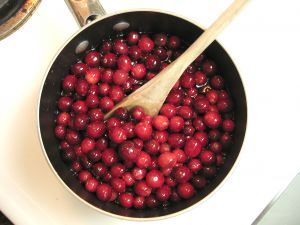
cranberries and the microbiome
Photo courtesy of http://www.freeimages.com/profile/Keira

It’s pretty much common knowledge that cranberry is good for urinary tract infections.  But, just like many other food items, the benefits extend far beyond this.

Let’s face it, though, the berries, as a group, have powerful benefits.  Blueberries, strawberries, lingonberries, cranberries.  Berries pack a pretty powerful phytonutrient (plant-based protective compound) punch.

And this benefit is across chronic conditions.  From cancer to diabetes to heart disease.  The studies are quite numerous and consistent.  And let’s face it—berries are not too painful to add into a healthy lifestyle.

Sometimes, though, with natural approaches, the way the approach is working may be far outside the realm of what we think it is doing.  As an example, when it comes to cranberries, I generally think about the antioxidant / protective compounds the are found in the berries and how they can protect against damage at the cellular level.

In addition, the sugar alcohol (d-mannose) found in cranberries is absorbed into your body but not used.  As a result, the d-mannose shows up in the urine where it helps to wash out bacteria present in the urinary tract to provide the well-known benefit for urinary tract infections.

But what if there is something more going on?  Something that may have to do with, say….the gut?

Regular readers of the blog know how much I revere any knowledge that can help me understand more about how the microbiome (gut bacterial population) affects health and how I can help patients positively affect their gut.

Which brings us to this particular study.  In it, researchers evaluated the effect of a cranberry extract on the gut bacterial flora in a group of mice who were fed a high-fat, high-sugar, pro-diabetic diet.  Here’s what they found:

  • The cranberry extract slowed down the expected weight gain and abdominal obesity.
  • Cranberry treatment, led to less triglyceride accumulation.
  • The extract protected against liver oxidative stress and inflammation (the liver weight was less).
  • Insulin action was improved (improved insulin tolerance, lower HOMA of insulin resistance and decreased glucose-induced hyperinsulinaemia during an oral glucose tolerance test).
  • There was less intestinal inflammation and oxidative stress.
  • But, despite all of this, the most interesting finding was that there was a marked increase in the bacterium Akkermansia.

Akkermansia?

Isn’t that just south of Istanbul?

Akkermansia muciniphila is a relatively newly-discovered bacteria present in the gut that has a unique ability to break down mucin.  Mucin is a mucous-like compound that lines the entire gastrointestinal tract.  Mucin can provide protection to the cells lining the gut, but it can also protect nasty bacteria in your gut that hide behind a layer of mucin from protection.

More importantly, as we see in this study, A. muciniphila seems to have a pretty potent anti-diabetic effect on the organism that it thrives in.  So, based on this study, it would seem that cranberry, as both the fruit and the extract, may give you the ability to fight off weight gain and diabetes.  Pretty cool.

One quick note:  If you choose to use real cranberries, absolutely avoid the sugared-up, sunflower coated variety.  See if you can find straight-up cranberries.  If this isn’t your speed, you can always check out what your local chiropractic-nutritionist or Amazon has to offer.

Filed Under: Probiotic Tagged With: Akkermansia, cranberry, microbiome, probiotic

Gut Bacteria Insights: Simple Amino Acid Changes Your Microbiome

June 7, 2015 by James Bogash

microbiome and glutamine
abhijith3747 / Dollar Photo Club

Regular readers of this blog will know that I consider the gut bacteria as one of the most important factors to do with health.

Probiotics showed up in the medical literature some 107 years ago (1908 to be exact).  To date, few physicians have any idea just how important the relationship is with the bacteria in the gut.  And until the discussion moves from antibiotics causing antibiotic resistance to destruction of bacterial gut flora the story will not change.

To put this in a visual perspective, imagine your doctor busy fidgeting with a leaky faucet while, in the background, he or she is completely unaware of the tsunami wave from Sri Lanka rising up not 100 yards to the doctor’s back.

It’s that bad.

Consider this.  As someone who has read on the range of 120 medical journals per month for the past 15+ years, I realize that the amount of information that has emerged in the past 5 years on the microbiome is massive.  Daunting.

And the more I learn, the less I realize that I understand.  Great.

As a result, I’m always looking for studies that can enhance my understanding of, not just the relationship between the bacteria in our gut and chronic disease, but how can lifestyle choices, exercise and supplements all modify the makeup of the bacteria favorably.  With that in mind, here’s the overview of what we already know.

  1. The bacteria in your gut (now termed the “microbiome”) is related to everything. Yes, EVERYTHING.
  2. Diversity seems to be incredibly important. You need a wide variation in the bacterial types in your gut.  Hundreds and hundreds if not a thousand different types.
  3. Antibiotics WIPE OUT bacterial diversity in the gut. After a single course of antibiotics your gut has not recovered TWO years later.  In most of use, your gut may never recover.
  4. There have been four major “families” of bacteria that have been identified. The most studied of these are Firmicutes and Bacteroides.  Actinobacteria and Proteobacteria are on the list as well.  Hunter-gatherer societies have almost no Firmicutes in their gut.  On this same vein, lower levels of Bacteroides is generally linked to better body composition.

With this as background, this particular study gives us some additional clues as to how we can modify our microbiome in a beneficial way.  In it, researchers looked at a small group of 33 overweight and obese adults (aged between 23 and 59 years of age) with a BMI between 25.03 and 47.12 kg/m2).

These participants were given one of two amino acids, either 30 g of l-alanine or 30 g of l-glutamine, daily for two weeks to see what happened to the bacterial composition in the gut.

Here’s what they found:

  • In the glutamine group the ratio of Firmicutes to Bacteroidetes decreased from 0.85 to 0.57 (for the non-math wizzes, Firmicutes decreased and Bacteroidetes increased). This is consistent with an anti-obesity gut bacterial makeup.
  • In the l-alanine group, this ratio increased from 0.91 to 1.12.
  • To get specific, the bacterial types Dialister, Dorea, Pseudobutyrivibrio, and Veillonella (belonging to the Firmicutes phylum), dropped in number.

To put this into plain English, merely taking a scoop of an amino acid per day mimicked the bacterial changes associated with weight loss programs already seen in the literature.  I’m not quite willing to jump up and down and suggest that you can forgo the lifestyle changes and just add a scoop of glutamine and everything will be fine.

But, does it make sense to add glutamine into your daily regimen?  Absolutely (you can check out what Amazon has to offer here).

Interestingly, my thought process on glutamine has always been focused on healing the lining of the gut.  But maybe, just maybe, glutamine’s real benefit is on switching the bacterial composition in the gut.  Food for thought…


Filed Under: Obesity and Weight Loss, Probiotic Tagged With: glutamine, microbiome, probiotics

  • « Go to Previous Page
  • Page 1
  • Page 2
  • Page 3
  • Page 4
  • Interim pages omitted …
  • Page 22
  • Go to Next Page »

Primary Sidebar

Patient Quick Guide

Schedule An Appointment
Contact Our Office
Download Patient Forms

Categories

Chiropractic Mesa Arizona

Arthritis Chiropractor Mesa AZ
Graston Technique Mesa AZ
Back Pain Chiropractor Mesa AZ
Back Pain Doctor Mesa AZ
Wrist Pain Chiropractor Mesa AZ
Rotator Cuff Chiropractor Mesa AZ
Shoulder Pain Chiropractor Mesa AZ
Knee Pain chiropractor Mesa AZ
Manipulation Under Anesthesia In Mesa AZ
Headache Chiropractor Mesa AZ
Chiropractic Mesa AZ
Stem Cell Therapy Mesa AZ
Regenerative Medicine Mesa AZ
Massage Therapist Mesa AZ
Shoulder Pain Doctor Mesa AZ
PRP Therapy Mesa AZ
Chiropractic Mesa AZ
Who Is The Top Chiropractor In Mesa AZ?
Knee Injury Doctor Mesa AZ?

Footer

Resources

Site Map
Disclosure
Additional Resources

Best Massage Therapist Mesa AZ
Arthritis Doctor Mesa AZ
Chiropractic Mesa AZ
Back Pain Doctor Mesa AZ
Rotator Cuff Doctor Mesa AZ
Chiropractor Mesa AZ
Massage Therapist Mesa AZ
PRP Therapy Mesa AZ
Knee Pain Doctor Mesa AZ
Stem Cell Therapy Mesa AZ
Headache Doctor Mesa AZ
Shoulder Pain Doctor Mesa AZ

Office

Lifecare Chiropractic
1830 S. Alma School Rd, Ste 135
Mesa, AZ 85210
(480)-839-2273
Also Serving Tempe, AZ

Get Directions

  • Home
  • About
  • Common Conditions
  • Additional Services
  • Testimonials
  • Blog
  • E-Books
  • Contact

Copyright © 2026 · LifeCare Chiropractic · All Rights Reserved.