• Skip to main content
  • Skip to primary sidebar
  • Skip to footer

LifeCare Chiropractic

The Best Chiropractic Care in Mesa, Arizona

  • Home
  • About
    • Why Lifecare?
    • About Dr. Bogash
    • Team Members
  • Common Conditions
    • Wrist Pain/Carpal tunnel syndrome
    • Elbow Pain/Epicondylitis
    • Headaches
    • Knee Pain and Knee Injuries
    • Low Back Pain
    • Shoulder Pain and Rotator Cuff Problems
  • Additional Services
  • Testimonials
  • Blog
  • E-Books
  • Contact

Probiotic

Iron Supplements and Your Health: Good or Bad? 3 Tips to Know

May 13, 2015 by James Bogash

iron and the micobiome
concept w / Dollar Photo Club

Iron plays a tricky role in your health.  On the deficiency side, anemia creates all sorts of problems.  But the other end has a dark side as well.

Iron’s principle role in the body is to form the anchor to which oxygen binds in the hemoglobin molecule inside of your red blood cells.  It also serves much the same function in the myoglobin molecule within skeletal muscle.  Lastly, iron plays a role in certain enzymes that help with energy production and detoxification (namely the cytochrome family of enzymes).  When iron functions the way it is supposed to all is good.

However, there is a dark side to iron.  Iron is a strong oxidizing agent when it is set free in your body.  After head trauma, for instance, the damaged tissue leaks blood into the surrounding brain cells, releasing free iron in the process.  Being an oxidizing agent, the iron goes on to do what iron does–oxidize and damage the uninjured tissue surrounding the damaged tissue.  This sets up the process of oxidative stress, jeopardizing the ability of brain cells to safely generate the energy they need to function properly.  Fast-forward 5, 10 or even 20 years later and seizures can develop.  This is one of the reasons why head trauma can be a later risk factor for seizures–because of the free iron.

Another little tidbit about iron–it can cause bacteria to reproduce like wildfire.  This is one of the reasons why iron is protected and held on to tightly by your body–so that invading bacteria cannot use the iron to reproduce and do nasty things like kill you.  When it’s not doing its work inside of cytochrome enzymes or hemoglobin, extra iron sits idly by inside of your cells in a storage protein called ferritin.  When your body decides it needs to move iron around from one place to another it uses a different protein called transferrin.  All this means is that iron is not supposed to be running around wild wreaking havoc on your long term health.

But this is iron that is working properly inside of your body, kept away from the mean, bad bacteria wishing to rise up and conquer your immune system.  What about the iron in your gut that is present before it is absorbed?

Turns out this may be a problem.

This particular study looks at the use of two different formulas in two different studies (one study with a formula containing a maize porridge with and without 2.5 mg of iron as NaFeEDTA and the other with the same porridge with and without 12.5 mg iron as ferrous fumurate) in a group of 115 six-month-old Kenyan infants followed for 4 months.  Here’s what happened:

  • At the beginning of the study, a large chunk (63%) of the bacteria present were Bifidobacteriaceae.
  • Iron increased the class of bacteria called enterobacteria, which included the dangerous E. coli strains and Shigella while decrease the amount of friendly bifidobacteria.
  • Iron also increased the inflammation in the gut (as measured by fecal calprotectin).
  • During the trial, 27.3% of the infants who got the 12.5 mg of iron required treatment for diarrhea versus 8.3% in the group that didn’t get the iron.

We are still learning more about the microbiome every single day.  I have recently begun to believe that, while probiotic supplementation is a good idea, it is rarely the only thing needed to combat the ills that come with a bad bunch of bacteria in your microbiome.  Avoidance of antibiotics (unless TRULY life-threatening) and attention to diet are critical.  Stress management.  Strong soluble and insoluble fiber intake.

And, as we begin to find out other aspects of what affects the bacterial balance in your gut, using these new findings to your advantage.  In this case avoiding iron supplementation unless you are sure that it is needed.  A few tips when it comes to iron:

  1. The best way to get iron is from foods (organic, grass-fed beef, organic chicken, lentils, beans, chickpeas, green leafies)
  2. The ferrous form of iron is a much better absorbed form.  If you absorb the iron, it can’t help feed the growth of undesirables lower in the gut.
  3. Adding vitamin C to your iron can help you absorb the iron better.

Follow these tips and you are adding another positive piece to the puzzle that is the bacterial microbiome in your gut.


 

Filed Under: Diarrhea / Constipation / Irritable Bowel, Probiotic Tagged With: Anemia, ferric, ferrous, iron, lactoferrin, microbiome, probiotics, transferrin

Have a Skinny Friend? Maybe You Should Borrow Some of This

April 22, 2015 by James Bogash

probiotics and obesity
Kirsty Pargeter / Dollar Photo Club

Obesity and weight loss are complicated issues. It’s no longer about calories in versus calories out.

In a prior article I wrote about the contributions of environmental chemicals to obesity and diabetes.  And this contribution is not a small one.  You can read more about this relationship by clicking here.

Certainly the quality of the foods you eat, the calories and the amount of calories that you burn play a role.  You can’t sit on the couch and eat 4,000 calories a day and not expect to gain weight.  But what about the other extreme?  What if you watch your calories, watch the quality of your calories as well as exercise consistently using both aerobic and resistance training and still cannot get to your ideal weight?

That is the frustrating situation you may find yourself in, ultimately throwing up your hands and giving up.  And unfortunately, I can’t provide you with a direct, immediate answer.  The answer to maintaining an ideal weight is not an easy one.  It certainly requires attention to diet and exercise.

The harder factors to account for and change are the environmental ones I mentioned earlier.  I know that in our household we have moved to stainless steel pitchers for our tea, glass and stainless steel for our water bottles, glass for our cups, natural / fragrance free dish soaps, laundry soaps and cleaners as well as getting any other chemicals that we can identify out of our lives.  Not an easy task and we have to make some sacrifices as a family.

Talk about confusing.  I cannot tell you how many patients are unaware that drinking out of plastic water bottles can make them fat.  But what if the story got even MORE confusing?

Just what you wanted to hear.  But that’s exactly what this particular study does.  There has already been some hints from medical research that the bacteria in your gut can play a role in body fat.  Stress, artificial sweeteners and antibiotics have all been shown to disrupt the delicate balance of the bacteria in your gut towards obesity and diabetes.

The researchers in this study took it quite a bit further.  They took the bacteria in the gut of mice fed a high fat diet and transplanted this bacteria into mice who had basically had their guts wiped clean of bacteria so it was a clean slate.  Here’s what happened to the mice given the high fat diet bacteria:

  • There were disruptions in exploratory, cognitive, and stereotypical behavior (there were actual behavioral changes in the mice).
  • There were disruptions in markers of intestinal barrier function (aka leaky gut).
  • The was increased circulating endotoxin (more toxins from the bacteria in the gut).
  • There was increased lymphocyte expression of ionized calcium-binding adapter molecule 1, toll-like receptor 2, and toll-like receptor 4 (basically, the white blood cells were gearing up for a fight with something).
  • There was increased inflammation in the brain as well as alterations in the blood flow within the brain.

All of these changes from something as simple as changing the bacteria in the gut.  Some would say this is just a mouse study and has no relevance.  That argument is a little weak when you look at the human studies previously mentioned that have found relationships between bacteria in the gut and obesity.  Then when you consider the reports of weight gain in patients who has undergone fecal transplants for C. diff infections this study becomes even more important.

The take home message is that the bacteria in your gut plays a strong role in your weight.  The stress you experience, the foods you eat, your exercise and the drugs you take in (from anti-inflammatories and steroids down to antibiotics) all have an influence on your gut bacterial populations.  Think on that when you decide to adopt a behavior that is known to negatively affect the bacteria in the gut.

Filed Under: Anxiety, Depression, Obesity and Weight Loss, Probiotic, Stress Tagged With: anxiety, depression, fecal transplant, obesity and weight loss, probiotics, stress, weight loss

MS, Seizures, Migraines–Can Your Gut Protect Your Brain?

April 18, 2015 by James Bogash


gut bacteria and the brain
fotoliaxrender / Dollar Photo Club

Anyone with a neurological condition, whether anxiety, depression, epilepsy, migraines or MS, will tell you that symptoms wax and wane.  But why?

While a common occurrence, it seems that few question why this is so.  It is considered more as just a course of the condition.  But what if the fluctuations of symptoms are not only explainable, but possibly controllable?

The blood brain barrier (BBB) is a layer of cells that basically separates your brain cells from the rest of your body.  Consider it like the Great Wall of China for your brain.  And there are very specific gates that restrict access to only what your brain needs.  Even immune cells cannot cross this barrier.  Luckily, the brain has its own set of immune cells (called the microglia) to fight off anything that threatens to attack the brain cells.

The BBB develops very early in the womb and, as a result, the immune system never really “sees” the cells that make up the central nervous system.  In other words, it’s a very sheltered, protected environment due to the presence of the BBB.  Or at least it would be if the BBB remain intact.

We know that in certain neurological conditions, like multiple sclerosis (MS), the BBB solidity fluctuates, sometimes doing what it is supposed to be doing and sometimes letting in chemicals, compounds and immune cells that the brain would be better off not being exposed to.  This leaky BBB has been linked to symptom flare ups in MS.

What if you could better control your blood brain barrier through lifestyle choices?  That’s exactly the question raised by this particular study.  In it, researchers looked at two groups of mice.  The first were born to mothers who were raised in sterile, germ-free environments.  In other words, this group of mice did not have the benefit of being exposed to bacteria from the womb on.  The second group was born to mothers who were raised with normal exposures to bacteria.

Here’s what happened:

  • The germ-free mice had a leaky BBB while the normal mice did not.
  • The leaky BBB started in the womb and continued through birth and during adulthood.
  • The mice with leaky BBB had reduced expression of proteins that protect the brain barrier (tight junction proteins occludin and claudin-5).
  • However, when the gut bacteria from the normal mice were put into the damaged BBB mice, the blood brain barrier stabilized and there was a higher production of tight junction proteins.

This is an animal study and done under controlled conditions, but given how much the gut bacteria have been shown to play a role in other neurological conditions, the results of this study are likely to fit in with what we already know.  The relationship between the bacteria in our gut and just about every aspect of health is literally exploding at an exponential rate.  It seems like every day we learn more about how it affects our health and risk of chronic disease.

Despite this, I have patients come in time and time and time again given drugs like antibiotics, steroids and NSAIDs that completely disrupt the delicate balance of the bacteria in the gut.  This remains a topic that mainstream medicine seems determine to remain oblivious to no matter how much research is published.

Filed Under: Migraine, Probiotic, Seizures / Epilepsy Tagged With: antibiotics, anxiety, depression, epilepsy, migraine, MS, multiple sclerosis, probiotics, seizures / epilepsy

Anxiety, Antibiotics And Gut Flora

March 8, 2015 by James Bogash

IS YOUR ANXIETY / STRESS CAUSED BY ANTIBIOTICS?

It would not be the first time that I’ve posted about just how important the bacteria in our gut is.  I just hope that you understand just how critically important the presence of friendly bacteria in our gut is.  This is exponentially more important as newborns, infants, toddlers and young adults.  The negative consequences of not having the right balance of bacteria are too numerous to mention, but this article points out one you may not think of.  Given the fact that the gut actually produces a large chunk of the body’s neurotransmitters (it is frequently referred to at the “second brain”) it is understandable that altered gut flora has been linked to weight gain and now anxiety.  Although this is a mouse study, it would do us well to pay attention to the results.

Read More

Filed Under: Anxiety, Probiotic Tagged With: antibiotics, anxiety, gut flora, stress, Weight Gain.

Can Bacteria in Your Gut Define Who You Are?

January 25, 2015 by James Bogash

probiotics and obesity
vitstudio/Dollar Photo Club

While the importance of bacteria in the gut cannot be understated, mainstream medicine’s understanding of the role of gut bacteria in health is in a dire need of awakening.  I know that I sound like a broken record on this issue, but the stewards of health and disease just do not understand how much of a role bacteria play.

Our local rep for VSL-3 (a very high-dose probiotic that we strongly recommend for inflammatory bowel disease and diverticulitis/osis) has told me that all too many of the pediatric gastroenterologists she visits do not see the value in probiotics or will recommend poor-quality products (such as Florastor, despite the fact that the yeast present in Florastor is not really a true probiotic).

Besides this, antibiotic prescriptions continue to be given for non-bacterial or self-limiting conditions, or broad-spectrum antibiotics are used where narrow spectrum antibiotics are indicated.

It’s time to really put this disconnect into perspective…

Most of society’s understanding of DNA is that it is the root of what we are.  Our DNA is the individual information upon which our bodies are built.  But recent years have taught us that this is not the entire picture.

Yes, the DNA you are given does not change and was decided at the moment of your conception.  BUT, there is this little thing called epigenetic (“epi” meaning “around”) modification.  Epigenetic modification refers to the chemical addition of molecules (usually a methyl group) to DNA.  This change will affect the way your genes will be expressed.

As an example, you may have the DNA for a full head of brown hair, but due to some stressful event like chemotherapy, your hair may permanently turn grey through epigenetic modification.  Your actual DNA is for brown hair, but due to these epigenetic changes, your DNA produces grey hair instead of brown.  The way your hair gene gets expressed has been fundamentally changed.

As science has understood its importance, epigenetics has become a rapidly growing field.  Along with this growth has come greater understanding of the role epigenetics plays in health and disease.  And this understanding has been eye-opening.

It is now well-accepted that experiences even early in life cause epigenetic changes that will increase the risk of chronic diseases like obesity, diabetes, heart disease and cancer.  And these changes are (as far as we know) irreversible.

So what affects epigenetic modification?  Things like early life stress (emotional, physical, sexual or malnutrition) affect epigenetics.  Nutritional deficiencies.  Environmental chemical exposure.  All the nasty things you can envision can create epigenetic changes.

But what about the bacteria in your gut?

Based on this particular study, it turns out this may be the case.  Researchers looked at a group of 8 pregnant women and broke them up into two groups based on the dominant microbiota in their gut (1-Bacteroidetes / Proteobacteria or 2-Firmicutes) and looked at what kind of epigenetic changes were present on their DNA.

When the bacterial family Firmicutes was dominant (a condition that has already been linked to obesity) epigenetic changes linked to an elevated risk of chronic diseases (predominantly cardiovascular disease and specifically to lipid metabolism, obesity, and inflammation) was found.

Let me put this another way:  having the wrong blend of bacteria in your gut will, above and beyond any other lifestyle choices you make, increase your risk of chronic diseases AT THE GENETIC LEVEL.  Your very DNA changes as a result of this class of bacteria being present.

I don’t think anything can express just how important a positive, stable bacterial flora in your gut is to your overall health and well being like this study does.

What have YOU done for your bacteria today?


Filed Under: Probiotic Tagged With: antibiotics, DNA, epigenetics, heart disease, obesity and weight loss, probiotic

The Dangers of Antibiotics: Surprising Risk for Colon Cancer

January 21, 2015 by James Bogash


Although I’ve said it before, let me make it unquestionably clear; the use of antibiotics in conditions that are not immediately life-threatening are destroying your health far more then you can possibly imagine.

probiotics and colon cancer
adrenalinapura/Dollar Photo Club

The list of chronic diseases associated with altered bacterial flora in the gut is extensive.  So extensive that they may play a role (some small and some extreme) in almost every chronic disease.  Even cancer.

Despite this, for some strange reason, mainstream medicine remains disconnected from this fact and limits the concern to antibiotic resistance.  While this is something to worry about if you happen to be one of the few that gets a septic infection that doesn’t respond to traditional antibiotics, the concerns of the millions who suffer from obesity, diabetes, GI complaints, heart disease and cancer should not get pushed to the side.

Society does seem aware of the problem and the use of probiotics following antibiotics has been on the increase.  But in no way, shape or form does supplementing with probiotics after antibiotics protect you from these severe dangers.

I know this may not be what you have been led to believe, but it’s true in most cases.  Here’s the important fact…

It is not a single bacteria in the gut that will save you and balance out your physiology and immune system.  Rather, it is the diversity of the bacteria in the gut that is the most important factor.  There are hundreds and hundreds of different bacterial species that inhabit the gut.  While we don’t have all the complete details ironed out (and likely never will), we know that there are patterns of these bacteria that promote health or promote disease.  Consider them like teams, playing for you or against you.

Antibiotics DECIMATE this all-important bacterial diversity and it takes YEARS to recover.  YEARS.

When was your last course of antibiotics??  And when was the course before that?

Personally, I have not had antibiotics for at least 20 years.  My son (now 9) has only had a single course when he was 5.  Nothing before or since.  And this is despite a recent pertussis (whooping cough) infection that we fought off naturally.

And yet I have patients who seem to be on antibiotics several times per year, almost always under the guise of trying to prevent a secondary infection, NOT being given for the condition itself.

But if you take antibiotics, even if it is only every few years, it is not likely that your gut truly has time to recover.  This is despite taking probiotics, no matter how many strains your probiotic has.  No matter whether is has one, two, 12 strains it is not going to be enough unless you give your gut time to re-balance.  YEARS.

And this is combined with a lifestyle that avoids NSAIDS (these alter the bacteria in the gut), stress and includes soluble and insoluble fibers, a broad blend of fruits and vegetables and exercise.

Of course, you could just look into fecal transplantation.  Yes—you heard that right and you what you are envisioning is exactly correct.  Taking fecal matter from one gut and transplanting it into another.  Might I just insert a distinct GROSS here??  But you can see that the idea has some merit—the fecal matter would contain these hundreds of bacteria coming from the correct team.

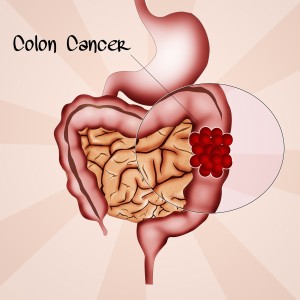
As we begin to understand more and more about the nature of these organisms that live within us, the relationships just become more and more surprising.  This particular study looks at the relationship between bacteria in the gut and your risk of colorectal cancer.

Specifically, researchers looked at bacterial biofilms (a collection of specific types of bacteria lining the gut) that have been shown to cause problems in the gut such as inflammatory bowel disease to see if these same biofilms were present in colorectal cancer tumors.

Here’s what they found:

  • These invasive biofilms were found in 89% of right-sided colon tumors but only 12% of left-sided tumors.
  • All patients with biofilm-positive tumors had these biofilms on their intestinal tissue (mucosa) in other areas as well.
  • Bacterial biofilms were associated with changes in the levels of molecules known to contribute to colon cancer (lower epithelial cell E-cadherin and higher epithelial cell IL-6 and Stat3 activation)
  • Biofilms were also associated with increased crypt epithelial cell proliferation in normal colon cells (a precancerous situation).
  • It was the biofilm only that had these associations; no consistent bacteria was associated with the tumors.

While all of this may seem a little complicated, the bottom line is that, from this small evaluation of colon tumors, right sided tumors are very, very strongly related to the bacterial populations present in the gastrointestinal tract.

And while this study does not give us information on the specific methods to alter bacteria in the gut to prevent colon cancer, it does add yet another degree of importance to maintaining a good balance of bacteria in the gut and not destroying it with reckless disregard for the consequences.


Filed Under: Colon / Colorectal Cancer, Probiotic Tagged With: antibiotic overuse, antibiotics, colon / colorectal cancer, colorectal cancer, probiotics

Probiotics and Daycare; Good Combination

December 18, 2014 by James Bogash

ANTIBIOTICS GREATLY INCREASE THE RISK OF DAYCARE PROBLEMS.

The first evidence that bacteria may play a beneficial role in health was in 1904.  Over a hundred years ago and allopathic medicine STILL has little recognition that the presence of normal bacteria is important.  To date, I have never had a patient come in whose pediatrician recommended probiotics, either prophylacticaly or post-antibiotic.  The problem is that the evidence in support of maintaining a healthy bacterial flora in the gut is overwhelming.  There is absolutely no question that these bacteria are supposed to be there.  Antibiotic use, C-section, formula feeding and pregnant women who have had antibiotics w/o following up with probiotics all are known to alter the flora of the gut.  This particular study, only one of many, finds that probiotics supplementation drastically cuts down the risk of upper respiratory tract infections and gastrointestinal infections for children in daycare.  Around a 40% reduction.  Given this, we can strongly say that antibiotic use will INCREASE risk the same amounts.  And still allopathic medicine remains blissfully unaware of the relationship.

Read More

Filed Under: Healthy Kids, Probiotic Tagged With: antibiotics, daycare, upper respiratory infection

Can Antibiotics Lead to Ulcers? The H. pylori Story

December 3, 2014 by James Bogash

ANTIBIOTICS LEAD TO ULCERS??  This is not a normal association in allopathic medicine, but if you follow the physiology it makes tremendous sense.  The bottom line is that antibiotics decimate our normal, protective flora whether it is in the back of the throat, small intestine, vaginal vault, large intestine or even in the stomach.  We have seen studies where lower levels of lactobacillus lead to higher levels of H. pylori.  This is another study (albeit an animal study) that demonstrates the link between low levels of protective flora and higher levels of H. pylori.  The ironic thing is that H. pylori is treated with a triple course of antibiotics, which is likely how it got there in the first place!!
Read More

Filed Under: Digestive Complaints, Probiotic Tagged With: h. pylori, heartburn, Nexium, Prilosec, probiotics, reflux, ulcer

  • « Go to Previous Page
  • Page 1
  • Page 2
  • Page 3
  • Page 4
  • Page 5
  • Interim pages omitted …
  • Page 22
  • Go to Next Page »

Primary Sidebar

Patient Quick Guide

Schedule An Appointment
Contact Our Office
Download Patient Forms

Categories

Chiropractic Mesa Arizona

Arthritis Chiropractor Mesa AZ
Graston Technique Mesa AZ
Back Pain Chiropractor Mesa AZ
Back Pain Doctor Mesa AZ
Wrist Pain Chiropractor Mesa AZ
Rotator Cuff Chiropractor Mesa AZ
Shoulder Pain Chiropractor Mesa AZ
Knee Pain chiropractor Mesa AZ
Manipulation Under Anesthesia In Mesa AZ
Headache Chiropractor Mesa AZ
Chiropractic Mesa AZ
Stem Cell Therapy Mesa AZ
Regenerative Medicine Mesa AZ
Massage Therapist Mesa AZ
Shoulder Pain Doctor Mesa AZ
PRP Therapy Mesa AZ
Chiropractic Mesa AZ
Who Is The Top Chiropractor In Mesa AZ?
Knee Injury Doctor Mesa AZ?

Footer

Resources

Site Map
Disclosure
Additional Resources

Best Massage Therapist Mesa AZ
Arthritis Doctor Mesa AZ
Chiropractic Mesa AZ
Back Pain Doctor Mesa AZ
Rotator Cuff Doctor Mesa AZ
Chiropractor Mesa AZ
Massage Therapist Mesa AZ
PRP Therapy Mesa AZ
Knee Pain Doctor Mesa AZ
Stem Cell Therapy Mesa AZ
Headache Doctor Mesa AZ
Shoulder Pain Doctor Mesa AZ

Office

Lifecare Chiropractic
1830 S. Alma School Rd, Ste 135
Mesa, AZ 85210
(480)-839-2273
Also Serving Tempe, AZ

Get Directions

  • Home
  • About
  • Common Conditions
  • Additional Services
  • Testimonials
  • Blog
  • E-Books
  • Contact

Copyright © 2026 · LifeCare Chiropractic · All Rights Reserved.