• Skip to main content
  • Skip to primary sidebar
  • Skip to footer

LifeCare Chiropractic

The Best Chiropractic Care in Mesa, Arizona

  • Home
  • About
    • Why Lifecare?
    • About Dr. Bogash
    • Team Members
  • Common Conditions
    • Wrist Pain/Carpal tunnel syndrome
    • Elbow Pain/Epicondylitis
    • Headaches
    • Knee Pain and Knee Injuries
    • Low Back Pain
    • Shoulder Pain and Rotator Cuff Problems
  • Additional Services
  • Testimonials
  • Blog
  • E-Books
  • Contact

Healthy Kids

Bullying and the Brain—Is Diet Creating the Problem?

October 25, 2014 by James Bogash

Bullying: Does diet play a role?
Photo courtesy of https://www.flickr.com/photos/7815007@N07/

I’m pretty sure I’m going to catch heck for this one.  As parents we would NEVER want to think that the choices we make for our children can create a bully.

It’s much easier to place the blame externally at society, at socioeconomic status (although this IS closely tied to dietary choices) or the other parent or any number of other things.  And clearly, these factors play a role.

However, what is also abundantly clear is that we are doing an incredibly poor job of feeding our little ones’ brains with what they need.  Soda, hot Cheetos and Wonder bread do absolutely nothing positive for the brain.

And it does not matter whether we are talking about depression, anxiety, bipolar, ADHD, autism or aggressive behavior.  The treatment of ANY mental health abnormality in a child has to include dietary choices.  As a parent, if your child is exhibiting any of these behaviors and you just sent him or her off to 7th grade with a Jiffy and Smuckers sandwich on Wonder bread with a side of potato chips and a Sunny Delight to wash it down, you really need to re-evaluate what these choices do to the brain.

A diet that is loaded with the wrong types of fat (chips, conventionally grown beef and chicken) and very little of the right types of fat (olive oil, nuts, seeds, wild caught fish, fully grass-fed beef, avocados) will disrupt brain activity.  The cell membranes of our brain cells are made up principally of fat.  Take in the wrong types of fat and you get the wrong types of messages passed from one brain cell to another.  The opposite is true as well; take the right types of fats and the messages that get passed are more appropriate and solid.

As a parent, we HAVE to take this into consideration, even if your child is otherwise healthy.

This particular study drives this point home.  In it, researchers looked at 13,486 children and adolescents to see if  eating junk food was related to psychiatric distress and / or violent behaviors.  Specifically, junk food included sweets, sweetened beverages and salty snacks.  Here’s what they found:

  • Junk food consumption was related to overall psychiatric distress as well as violent behaviors.
  • In addition, daily consumption of sweetened beverages and snacks increased the likelihood of self-reported psychiatric distress.
  • Violent behavior, which including physical fighting, was 39% more likely in those who had daily consumption of salty snacks.
  • This same daily consumption increased the risk of a child being a victim by 19%.
  • The odds of a child bullying another child was a concerning 55% higher.

I know there are many out there who are going to jump on these conclusions and say that diet has nothing to do with these behaviors, that it all has to do with parenting and socioeconmomic status.  We just don’t know yet, but a very important thing to consider may be that there may be characteristics of patients whose children develop some of the problems noted in this study.  Take high stress, both parents working long hours, overall rushed meals.

It very well may be that the diets of these children, rather than being causative, are really a reflection of how hectic and less focused the home life is.  I guess time will tell.

 

Filed Under: Healthy Kids Tagged With: bullying, diet and anxiety, diet and depression, raising healthy kids

ULTIMATE Conundrum in Pediatrics-Is Your Kid’s Dr Current?

August 23, 2014 by James Bogash

I will admit that most doctors don’t actually read medical journals.  They may subscribe, but that doesn’t mean that they actually read them.

There are some specialists I tend to be more critical of when it comes to staying current with the medical research, but pediatricians usually top the list.  Not only do they (I am using the term “they” here in a general sense–certainly there are top-notch pediatricians out there who have actually cracked a medical journal in the past 5 years…) not do things that are supported in the medical literature (like using vitamin D and probiotics to fight off infections), but they continue to recommend damaging treatments for infants IN THE FACE of medical literature that shows these interventions are therapeutically worthless and potentially very harmful.

Two perfect examples are:

  1. The use of acid-blocking drugs in infants.  A recent study found that, out of a group of 567 pediatricians surveyed, only 1.8% followed guidelines.  A full 82% were overprescribing this class of drugs in infants.  All of this in light of research that is at least 6 years old finding that these prescriptions are used inappropriately.
  2. Antibiotic use in infants for conditions that are self-limiting.  The most notorious of these being ear infections.  Despite over THIRTY years of research screaming not to use antibiotics for this condition, pediatricians still aren’t getting the message.

Quite frankly, this is atrocious and inexcusable.  Worse, these two treatments can produce irreparable harm to the little infant’s immune system.  And yet, despite this, there was a recent article online about the treatment of bed wetting in children by chiropractors (based on several websites, NOT any type of study), slamming the treatment as being unscientific.

Talk about glass houses.

So what does all of this have to do with this particular article?

In it, researchers looked at the makeup of the bacteria in the gut of a group of 48 Bangladeshi infants at 6, 11, and 15 weeks of age and evaluated how the blend of bacteria in the gut affected the response to four different vaccinations:  Oral polio virus (OPV), Bacille Calmette-Guérin (BCG-for tuberculosis), Tetanus toxoid (TT) and Hepatitis B virus.

The vaccines were then checked for effectiveness (using specific T-cell proliferation for all four, the delayed-type hypersensitivity skin-test response for BCG, and IgG response for OPV, TT, and hepatitis B virus).  Here’s what they found:

  • The presence of the bacteria Actinobacteria and B longum subspecies infantis led to a stronger immune response with vaccination.
  • However, the presence of  Enterobacteriales, Pseudomonadales and Clostridiales led to a weaker vaccine response.

Here’s the kicker.  Antibiotic use has a tendency to increase the presence of the Clostridiales family of bacteria and throw off the balance of an infant’s gut.  Herein lies to ultimate conundrum:  Most pediatricians are militant about giving infants and children every vaccination recommended by the CDC and refuse to even consider that this might not be the best course of action for your little one’s health.  At the same time, pediatricians have been very slow to adopt a policy that limits antibiotic use in all but the most serious of conditions.

It seems likely that these two practices negatively affect one another.  The pediatrician who is staying current with all the research in his or her field (arguably, given that our knowledge of health is constantly changing, this is the ONLY acceptable type of pediatrician to take your child to) will understand that the unnecessary antibiotic may actually affect how well a vaccination works and avoid them as much as possible.

And NOT avoid antibiotics because he or she has a concern about “antibiotic resistance” but because antibiotics completely disrupt the delicate balance of the developing immune system of your little one.  When you find THIS pediatrician, stick with him or her.


Filed Under: Healthy Kids, Probiotic, Vaccination Tagged With: antibiotics in infants, pediatrician, Pediatrics, probiotics, vaccination

Teen Driver? Will Insurances Use Lab Tests to Spike Rates?

June 18, 2014 by James Bogash

teen driving safety
Image courtesy of http://www.freeimages.com/profile/janismama

When Progressive first came out with the Snapshot that plugged into your car I was confident I was going to save money. After all, I hadn’t had an accident in some 25 years so I must be doing something right.

However, when I got the results back it was clear that my driving habits where not going to earn me a discount.  Apparently, one needs to drive like a sedated retiree in a battery-operated golf cart on a low charge to actually qualify for a discount.  Not that it left a bad taste in my mouth…

Regardless of my experiences, I think we can all agree that most insurance companies will do just about anything to save themselves money and charge you higher premiums.  But would they go as far as requesting bloodwork from their insureds to drive up rates?  (there would always be the plug that this test would NEVER raise your rate, but could result in cost savings)

Your body’s response to stress is termed, medically, as the hypothalamic-pituitary-adrenal axis, or HPA axis for short.  Problems with the HPA axis are not obscure.  There are thousands upon thousands of studies cutting across every specialty on the effects of stress on the body.  The most notable hormone that is associated with the HPA axis is cortisol, the body’s “stress hormone.”  When we study cortisol levels we can get a pretty good idea of how you might react in a given stressful situation as well as how well you can react to that situation.

One of things that cortisol can do is predict how well we may adapt to a given situation.  Cortisol reactivity is a way to see how well or how much someone responds to a stressful situation.  Those with greater cortisol reactivity will have a more exaggerated response to a situation.  We could almost call this group high-strung but that would be a large oversimplification.  It is also likely that this group may learn quicker from stressful experiences.

Which, if we can all remember back to the time when we had just turned 16, getting our driver’s license could be considered a stressful experience.  I still remember my first accident with a parked car (they are SO unpredictable…).  This particular study looks at the relationship between cortisol reactivity in 42 otherwise healthy teenagers and the likelihood that a new driver will get in an accident in the first 18 months.  Here’s the details:

  • Kids with a higher baseline cortisol response had lower crash or near-crash rates over the course of the study.
  • This same group of kids had faster decreases in crash or near-crash rates over time (in other words, they were faster learners).

While it may be a little early to worry about your insurance company requiring saliva samples (the best way to check cortisol) before your teen can drive, it may help you, as a parent, to better understand if your child might be at a greater risk of being in an accident.  If your teen is less reactive, it might make more sense to pay special attention to known distractions in the car such as cell phones, friends and late night driving.


Filed Under: Healthy Kids Tagged With: cortisol reactivity, teen accidents, teen driving safety

Surprising Finding on Newborn Acid Reflux: Be Very Scared About Prilosec

June 4, 2014 by James Bogash

Parents of newborns are always worried about their little one. But this can lead to misguided trust in the wrong pediatrician if the little one is sick.

Excessive spitting up, crying after eating and refusing to eat can all be symptoms of what may be diagnosed as infant reflux.  The less wary pediatrician, if symptoms are creating a problem with eating enough, may recommend a prescription of Nexium or Prilosec.  The first time I heard of this practice, I was astounded that anyone would even consider giving a drug that blocks digestion to an infant.  After all–what does an infant do?  Eat, poop and cry.  Two of the 3 are intimately involved with digestion.  Using a drug to block digestion is pretty much nixing the life of an infant.

It’s bad enough in an adult.  Shutting down digestion is a very, very bad idea except in a few scenarios.  If you have a bleeding ulcer, for example, Nexium can very well save your life.  But if you’ve got a case of heartburn and use acid-blocking drugs for years on end, you are absolutely destroying your body’s essential functions and will open up a huge Pandora’s box of problems.

In infants, this concern is multiplied tenfold.  The real kicker is that drugs are only needed in rare cases because natural approaches for infant reflux can work so well.  The most recent article I had covered had to do with the use of vitamin B12 in infants with reflux and regurgitation that can be read by clicking here.  The results were pretty impressive.

Just in case you are one of those parents whose pediatrician has recommended an acid blocking drug for newborn acid reflux, this particular study should scare the bejesus out of you.  In this study, researchers looked at just how much digestion of proteins was going on in the stomach of 3 little ones.  This is important because, if there is a lot of digestion going on and we slam this process with drugs, it’s going to have an unpredictable long term effect on your infant’s long-term health.  Here’s what they found:

  • Milk from 3 was collected and compared to a small sample from the stomach of the infants (who were 4  to 12 days old).
  • Milk from the moms contained almost 200 distinct peptides (segments of proteins), demonstrating that there was some digestion of the breast milk either during lactation or between milk collection and feeding.
  • In the newborn stomach samples, 649 milk peptides were found, showing that a large amount of  digestion was occurring in the stomach.
  • A total of 603 peptides differed significantly in quantities between breast milk and the infant stomach samples.
  • Most of the identified peptides have been shown to have immunomodulatory and antibacterial properties.

So what does all this mean?  It means that, even from day one, an infants digestive process is up and running full tilt, turning proteins from foods into protective compounds that will steer the development of the immune system for a lifetime.  I cannot begin to contemplate the long-term damage that using drugs to block acid in newborn acid reflux will cause.


Filed Under: Colic, Digestive Complaints, Healthy Kids Tagged With: colic, infant heartburn, infant vomiting, newborn acid reflux

Natural Remedies for ADHD in Children; Do They Work?

June 2, 2014 by James Bogash

natural remedies for ADHD in children
Photo courtesy of https://www.flickr.com/photos/aliarda/

I believe every parent is inherently hesitant to put a child on drugs that mess with the brain. It would seem that natural remedies for ADHD in children would be safer.

Our childrens’ brains undergo some incredible changes throughout the entire adolescent period.  And when it comes to the brain, we know very little about the details.  This is why I believe that drugs need to be the very, very last option.  We have already seen a long list of natural approaches in the research that have demonstrated a benefit for behavioral problems in children.  These include:

  1. Avoiding junk foods.  These have been shown to contribute to behavioral problems in kids.
  2. Phosphatidylserine found in soy and brain supplements.
  3. Lithium (the natural kind, not the prescription).
  4. Getting  a good night’s sleep (even just 27 extra minutes of sleep led to improvements in behavior).
  5. Healthy fats have a strong history of being good for all brain conditions.

The list is longer, but you at least get the idea.  It is clear that natural approaches are not only safe, they are at least as effective as the medications used to attention and behavioral problems in children.  More importantly, natural treatments for ADHD work WITH the brain, rather than against it.

This particular study adds another natural tool to the arsenal of natural treatments for ADHD.  Our office has used a supplement containing valerian root, passionflora and hops (cleverly named VHP by Biotics) to successfully help patients with anxiety and sleep problems, so I am very comfortable with its use.  This study uses a patented formula of valerian root and lemon balm (under the brand name Sandrin, which I was unable to find any additional information about).  Here are the details on this 7 week-long study on 169 primary school children:

  • The children had hyperactivity and concentration difficulties but not did not meet ADHS criteria.

  • There was an impressive reduction in children having strong/very strong symptoms of poor ability to focus from 75% to 14%.

  • Hyperactivity ratings dropped from 61% to 13%.

  • Measures of impulsiveness dropped from 59% to 22%.

  • Parent rated social behavior, sleep and symptom burden also showed definite improvements.

  • Only two children experienced mild temporary adverse drug reactions.

Granted, the children in this study would not have been considered full-blown ADHD kids, but we really need to view this in perspective.  The formulation clearly had an effect.  Since the lifestyle changes noted earlier in this article work in different mechanisms, it would make sense that this formulation (or something like it) would be a strong tool in the complete natural approach for ADHD in children.

Filed Under: Anxiety, Healthy Kids, Stress Tagged With: AHDH in children, lemon balm, valerian root

Psychological Problems in Children: Surprising Cause

May 23, 2014 by James Bogash

diet and behavioral problems in children
Photo courtesy of http://www.freeimages.com/profile/pixaio

There are few things as important to us parents as our children’s brains.  So why do we treat our children’s brains so poorly?

Our brains are very susceptible to the foods we eat, the chemicals we are exposed to and the stresses we experience.  That means that every molecule of food you eat can have a direct effect on the way your brain functions.  And this, of course, includes your child’s brain as well.

I cannot understand how a parent who has a child with a behavioral problem can feed his or her child Cheetos and yet think that there is no real help for his or her son or daughter.  These decisions absolutely affect the way brain cells function, from sending messages between cells to NOT sending messages between cells that are not supposed to fire.

Top of the list of nutrients that are essential for brain health are the fats.  Good fats like the omega 3 fatty acids and monounsaturated fats help to make up a more stable cells membrane in the neuron.  Poor quality fats, on the other hand, destabilize the brain cell membrane.  As you can imagine, destabilized brain cells are not something we want to support on the inside of our skull.

This particular study supports the relationship between our children’s behaviors and the foods that they eat.  While the term “junk food” may be subject to interpretation, I think we can all agree that, in this study, defining junk food as a high energy, low nutrient content just seems to cover it all.  In this study, it means sweets, sweetened beverages, fast foods and salty snacks.

13,486 children, aged 8-18 were evaluated for psychiatric distress (worry, depression, confusion, insomnia, anxiety, aggression and worthless) and violent behaviors (physical fight, victim and bully) and the presence of these factors was weighed against how much junk foods were regularly consumed.  Here’s what they found:

  • There was a relationship between violent behaviors and the intake of junk foods.
  • Daily consumption of sweetened beverages and snacks increased self-reported psychiatric distress.
  • Daily consumption of salty snacks increased the risk of violent behavior (physical fight 39%, victim 19% and bully 55%).

If you’ve ever tried to deny that the foods you are feeding your child will not have an impact on his or her behaviors, this study should put this notion to rest.  If you are a parent of a child with anything other than a perfectly psychologically and behavioraly normal child, and you child’s diet has  daily exposures to the foods listed in this study, it’s time to wake up.  There is not any other way to look at it.


Filed Under: Healthy Kids Tagged With: ADD, ADHD, behavioral problems in kids, raising healthy kids

Healthy Kids: Critical Factor for your Kids to Live a Healthy Life

April 27, 2014 by James Bogash

This blog post is going to cut across a few topics and may seem offensive at first read. But it is clear that your child’s social environment plays a role in long term health.

Any therapist reading this is avidly nodding his or her head in agreement, but there are those who, when given this information, will push back because it bears the heavy weight of parental responsibility in your child’s long term health.

It is already abundantly clear from mounds of research studies that childhood adversity affects long term health. Risk of chronic pain is high. Heart disease rates are higher. Depression rates are higher. Adversity can take the form of malnutrition, emotional abuse or physical abuse. Financial status of the family is not normally considered in this context.

However, socioeconomic status does play a role in a child’s health. Frequently research looks at obesity and diabetes rates as it relates to socioeconomic status. This particular study looks at the issue from a different angle.

I have written about telomeres in previous articles that can be read by clicking here. Basically, they are wicks at the end of our DNA that determine how long a cell is going to live. Longer telomeres are a good thing and are consistent with longevity, while shorter telomeres lead to chronic disease and shorter lives. Despite what some marketing messages tell you about their supplements, I have never come across anything to suggest that we can lengthen our telomeres once they are shortened.

For this reason, preserving telomere length is of the utmost importance and certain aspects of lifestyle have been shown to lead to longer telomeres (positive choices) and shorter telomeres (bad choices). In this study, researchers looked at the telomere length of 40 nine-year old African-American boys; half of the participants were raised in what were considered “very disadvantaged environments,” and the other 20 were raised in what were considered advantaged environments. Here’s what they found:

• Boys in a disadvantaged environment had a 19% shorter telomere lenthgs.
• A doubling of the family income/needs ratio was linked to a 5% increase in telomere length (basically, higher financial stability = longer telomeres).
• If the mother had a high school degree there was a 32% increase in telomere length.
• If the mother had at least some postsecondary education there was a 35% increase in length.
• Most damage to telomere length was when the child was exposed to multiple changes in the family’s structure, leading to a 40% decrease.
• Low scores on the parenting quality index was linked to a 3% decrease.

Here’s where it gets a little more interesting. When the researchers looked through the lens of genes related to serotonin and dopamine pathways (these pathways can basically indicate how “susceptible” the child is to the experiences of life) the relationships above got even stronger. Basically:

• Boys in the most sensitive group have longer telomere lengths when raised in the advantaged environment.
• However, if this same group of sensitive boys is raised in the disadvantaged environment they will, conversely, have the shortest telomere lengths.

This could be fantastic news or incredibly bad news, depending upon the situation. Being a glass-is-half-full type of person, to me this means that, if we make the right choices as a family, even the most “genetically susceptible” kids have the potential for a long and healthy life. Personally, as a parent, the bulk of my choices center around kids. What we eat, the stress I bring into the household, the conversations I have at bedtime (Keegan, now 8, and I always talk about our favorite parts of the day so that he goes to bed with positive thoughts flowing through his mind) and the importance of being active.

Even in the worst of socioeconomic situations, there are always things under our control But, in order for us to manipulate our children’s environment for the best of outcomes, we, as parents, have to accept the WE are in control of many of the factors. Until parents accept this responsibility, the child has little hope to break out and move above in life.

Filed Under: Healthy Kids Tagged With: raising healthy children, socioeconomic, Telomere

Does Your Child Have Appendicitis? Avoid CT Scan Side Effects

April 17, 2014 by James Bogash

CT scan side effects-appendicitis
Photo courtesy of https://www.flickr.com/photos/ajc1/

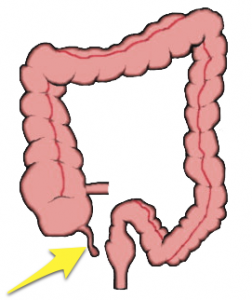
A visit to the ER for abdominal pain in a child can be scary. Most often it’s something simple, but appendicitis can lurk in the shadows.

Signs and symptoms of appendicitis can include slight fever, right sided abdominal pain as well as nausea and vomiting. Almost certainly, a visit to the ER will include a CT scan, despite the strong evidence that the radiation doses from handing out CT scans along with the Halloween candy is creating some 29,000 new cases of cancer per year, half of which will be fatal.

And we just don’t seem to be learning the lesson here. Despite evidence that CT scanning used to diagnose appendicitis in children does not actually change anything, the numbers of scans done in the ER continue to climb.

But is there a better way? You bet. Ultrasounds have been shown to be very helpful in picking up appendicitis cases in children. The problem is that ER physicians take the results of the ultrasound (which, by the way, have NO radiation exposure and are far less expensive than that $3,000 CT scan) with a grain of salt and still order the CT scan for “confirmation.”

This particular study helps to clarify that the CT scan approach is the wrong direction. In this study, researchers looked back on a group of 662 kids with suspected appendicitis to see if there was a difference in outcomes between those who went the CT route (high radiation exposure) and the ultrasound to MRI route (no radiation exposure). Here’s what they found:

• 265 went the CT scan route and 397 had ultrasounds and MRI.
• Negative appendectomy rate (the # of surgeries performed for no reason) was 2.5% for the CT group and 1.4% for the US / MRI group.
• Perforation rate was no different between the groups and the time it took to move to antibiotic administration and operation was no different either.

In other words, the US/MRI route was just as fast and just as safe, but results in almost half the number of children undergoing a surgical procedure to remove an organ they were born with for no reason. Worse, recent research indicates that the appendix may be a reservoir for good bacteria to repopulate the gut after an episode of diarrhea or other gastrointestinal illness. Removing this organ removes this source of good bacteria.

So, the next time you have a doctor recommend a CT scan with high radiation doses for your child, it may be time for a quick second opinion.

Filed Under: Healthy Kids Tagged With: appendicitis, CT scan side effects, MRI for appendicitis, ultrasound for appendicitis

  • « Go to Previous Page
  • Page 1
  • Page 2
  • Page 3
  • Page 4
  • Page 5
  • Page 6
  • Interim pages omitted …
  • Page 14
  • Go to Next Page »

Primary Sidebar

Patient Quick Guide

Schedule An Appointment
Contact Our Office
Download Patient Forms

Categories

Chiropractic Mesa Arizona

Arthritis Chiropractor Mesa AZ
Graston Technique Mesa AZ
Back Pain Chiropractor Mesa AZ
Back Pain Doctor Mesa AZ
Wrist Pain Chiropractor Mesa AZ
Rotator Cuff Chiropractor Mesa AZ
Shoulder Pain Chiropractor Mesa AZ
Knee Pain chiropractor Mesa AZ
Manipulation Under Anesthesia In Mesa AZ
Headache Chiropractor Mesa AZ
Chiropractic Mesa AZ
Stem Cell Therapy Mesa AZ
Regenerative Medicine Mesa AZ
Massage Therapist Mesa AZ
Shoulder Pain Doctor Mesa AZ
PRP Therapy Mesa AZ
Chiropractic Mesa AZ
Who Is The Top Chiropractor In Mesa AZ?
Knee Injury Doctor Mesa AZ?

Footer

Resources

Site Map
Disclosure
Additional Resources

Best Massage Therapist Mesa AZ
Arthritis Doctor Mesa AZ
Chiropractic Mesa AZ
Back Pain Doctor Mesa AZ
Rotator Cuff Doctor Mesa AZ
Chiropractor Mesa AZ
Massage Therapist Mesa AZ
PRP Therapy Mesa AZ
Knee Pain Doctor Mesa AZ
Stem Cell Therapy Mesa AZ
Headache Doctor Mesa AZ
Shoulder Pain Doctor Mesa AZ

Office

Lifecare Chiropractic
1830 S. Alma School Rd, Ste 135
Mesa, AZ 85210
(480)-839-2273
Also Serving Tempe, AZ

Get Directions

  • Home
  • About
  • Common Conditions
  • Additional Services
  • Testimonials
  • Blog
  • E-Books
  • Contact

Copyright © 2026 · LifeCare Chiropractic · All Rights Reserved.