
• Skip to main content
  • Skip to primary sidebar
  • Skip to footer

LifeCare Chiropractic

The Best Chiropractic Care in Mesa, Arizona

  • Home
  • About
    • Why Lifecare?
    • About Dr. Bogash
    • Team Members
  • Common Conditions
    • Wrist Pain/Carpal tunnel syndrome
    • Elbow Pain/Epicondylitis
    • Headaches
    • Knee Pain and Knee Injuries
    • Low Back Pain
    • Shoulder Pain and Rotator Cuff Problems
  • Additional Services
  • Testimonials
  • Blog
  • E-Books
  • Contact

Obesity

Artificial Sweeteners: Lessons for the Slow Learners

August 15, 2016 by James Bogash

sucralose side effects

It seemed like, for a brief period, society was finally catching onto the idea that artificial sweeteners, in all amounts and all types, was a bad thing.

Then the moment passed.

I continue to see almost every single gum available in stores with artificial sweeteners (and typically more than one type is used).  And just in the past few weeks I’ve had patients ask me about “medical” weight loss plans that contain sucralose.  And of course diet sodas continue to grace the shelves in every store known to man.

When I ask the distributors about the artificial sweeteners in their products, I ALWAYS get the same answer: “Well it’s just a little bit.”

If it’s just a “little bit” then why is it even in the product?  For taste, of course.  This means that there is enough for your body to recognize the “sweet” in whatever product it’s in.  This is where the problem starts.  You see–we don’t just have taste buds on our tongues–we also have them in the small intestine in cells called the L cells.  When the L cells taste sweet, even VERY small amounts, it sends a signal to the rest of the body that calories are on their way.

But alas!  It is just a trick we play on our intestinal L cells when we use artificial sweeteners.  No calories are on their way.  Over time, we begin to disassociate our sense of taste from our body’s reaction to sweet.  This is a disastrous outcome, especially in our children, in whom artificial sweeteners should not even be kept in the same room.

And they are everywhere.  Think you’re doing good by avoiding diet soda?  How about that pack of gum in your pocket or purse?  I’m betting that it’s got multiple types of artificial sweeteners.  Ask for lemonade at a restaurant?  There’s a chance that it’s sugar free and the waiter failed to mention it.

You need to extra vigilant about reading labels to make sure you’re avoiding artificial sweeteners.  Anything less is going to have consequences to your health.

Every time I present a research study on the topic of the lie-that-is-artificial-sweeteners-to-manage-weight, I wonder just how much accumulated research it’s going to take for society to wake up and kick these chemicals to the curb.

Maybe this particular study will be the straw that breaks the camel’s back.  In it, researchers looked at four different drink options  and how they each related to the risk of prediabetes in a large group of 1868 people free from prediabetes at the beginning of the study.  Sugar sweetened beverages, artificial sweetened beverages, natural fruit juices and bottled juices were compared.   Here’s what they found over the course of 3.24 years:

  • When compared to those who consume less than one serving per week, those who had more than 5 servings/wk of bottle fruit juices were 14% more likely to be diagnosed with prediabetes.
  • Natural fruit juices increased the risk by 30%.
  • Sugar sweetened beverages increased the risk by 43%.
  • And artificial sweeteners? Almost double the risk of prediabetes at 74%.

There are a few pretty darn important take home messages from this study.

First, even if you think drinking fruit juice is a good idea for your health, it’s NOT.  In this study, rather than being good for participants, it actually increased the risk of prediabetes.  We should never drink our calories.  There will never be as many nutrients per calorie in a fruit juice than there will be in the fruit whole.  Period.

Second, rather than protecting against diabetes, artificial sweeteners dramatically increased the risk.  Totally the opposite of what society has been led to believe for years now.  It is now clearly at the point where no one can rightfully claim that the use of artificial sweeteners have any place in the diets of humans.

Filed Under: Diabetes (Type 2), Obesity and Weight Loss, Prediabetes Tagged With: artificial sweeteners, aspartame, diabetes, Diet Soda, nutrisweet, Obesity, prediabetes, Splenda, sucralose

Want to Lose Weight?? Enlist the Help of a Friend

February 11, 2016 by James Bogash

Microbiome and brown fat
vlorzor / Dollar Photo Club

What if I told you that you could lose weight without doing a darn thing, so long as you had some help from a friend?

Sounds like an ad for the newest wonder supplement for weight loss.  Get this great new weight loss product for $3 (just pay $59.95 for shipping and handling) with a money back guarantee (not including the S & H).

But no.  This is something far more legit (and free, by the way…).

But first, we need to review the different types of body fat.  And not just the unwanted fat that hangs around your middle and organs and increases your risk of all those nasty chronic diseases.  There are three types of body fat:

  1. White fat–the bad stuff that does nothing but sit there and cause problems
  2. Brown fat–fat that burns calories like crazy to produce heat; as close to the answer for weight gain that the human body has
  3. Beige fat–an in-between state of fat as it transitions from useless white fat to the desirable brown fat

Until recently, scientists thought the brown fat was only present in babies and bats.  As humans age, they lose brown fat, never to get back those heat-generating, calorie-burning fat cells.

Or, at least that’s what we thought.  Turns out that we can actually “brown” our white fat cells, changing the makeup of the fat cell so that it begins to burn calories to generate heat.  On the flip side, certain lifestyle choices have been shown to lower the amount of brown fat.  Some of these are very simple to implement.  Most notable of these is the use of artificial sweeteners (just in case you’re STILL using them to lose weight, this little factoid should wake you up).  I’ve covered many of these factors in a previous article that can be read by clicking here.

The one factor that I need to review in the context of this blog article has to do with exposure to cooler temps.  In a small study, volunteers who were exposed to cooler temps (60 degrees F) for 6 hours per day increased his or her brown fat by a respectable 37% in 10 short days.

Pretty cool.  It certainly makes sense for our bodies to raise the internal thermostat (so to speak) when exposed to short term cold.  It’s about adaptation.  But how exactly does this happen?  This group of researchers turned to mice to get a better grip on how this happens.

And the results are pretty surprising.

In this particular study, researchers exposed mice to slowly colder temps over the course of a month and watched how the mice’s bodies responded.  But they ALSO kept an eye on the bacteria in the gut.  Here’s what they found:

  • The cold exposure led to a dramatic shift of the bacteria in the gut (microbiome).
  • The cold mice developed more brown and beige fat, lost weight and had lower diabetes markers.
  • Here’s the shocking part–transplantation of the cold mice microbiome into germ-free mice LED TO THESE SAME POSITIVE CHANGES.
  • But before all of you living in the frigid tundra of Minnesota, prolonged cold led to adaptive changes–the gut actually enlarged to make sure it could grab even more calories to support the brown fat burning calories (increasing intestinal, villi, and microvilli lengths).

To make this even more interesting, the researchers were able to pinpoint a particular bacteria, Akkermansia muciniphila, as having the most potent effect.  Which may not be surprising–I have covered this bacteria before in its ability to fight off diabetes and its relationship with well-trained athletes.

Back to my opening statement.  Yes, you can lose weight during next to nothing.  All you have to do is find a friend to freeze his or her butt off for 10 days and then do a fecal transplant from your cold-adapted friend.

Better be a pretty good friend….

Filed Under: Obesity and Weight Loss, Probiotic Tagged With: Akkermansia, brown fat, cold adaptation, microbiome, Obesity, probioitics, weight loss

Which Comes First? Abdominal Fat or Prediabetes?

November 26, 2015 by James Bogash

Which comes first?  The insulin reistant chicken or the egg with abdominal fat?

To a certain degree, the answer doesn’t really matter all that much because the answer (lifestyle changes) is the same in either case.  But it may change the perspective on which we view the condition of obesity and diabetes.  Diabetics and overweight people are constantly being told they need to take off weight to be healthier.

Unfortunately, the reality of the way our bodies work is the opposite of this common misconception.

I have always told patients that taking off weight is a side effect of taking better care of yourself.  The key is to not focus on the weight.

This particular study supports this idea, AND shows just how fast the fecal matter hits the physiological fan.

In just 28 days of taking in too many calories (1250 extra calories / day) in healthy adults set up prediabetes / insulin resistance without accompanying inflammation in the abdominal tissue.  The insulin resistance in the abdominal fat will then lead to more fat and subsequent inflammation.  THEN things get progressively, rapidly worse.

In other words, excess fat in the abdominal region is the secondary consequence of taking in too many calories.  It is only later that inflammation and abdominal fat starts to accumulate.

Filed Under: Uncategorized Tagged With: Abdominal Fat, diabetes, insulin resistance, Obesity, prediabetes

Laser Liposuction Versus Traditional Lipo; Which is Better?

November 14, 2015 by James Bogash

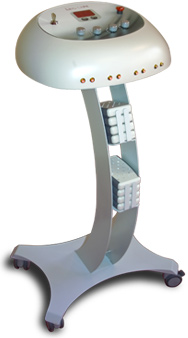
Lipo light laser lipo unit
Lipo laser prices

You have tried everything.  Diet, exercise, the latest supplements, but the love handles just won’t go away.

At this point, you hit the Internet to find other options.

Before we do this, though, we need to make something very clear.  Anything else that you do should be IN ADDITION TO lifestyle choices that are consistent with a low calorie, high phytonutrient diet.  Avoid refined carbs, keep overall carb intake under control, short burst aerobic activity combined with strength training and a strong intake of healthy fats.

There’s something else I need to make clear.  Abdominal fat is NOT a good thing.  Abdominal fat begins as a storage area for extra calories, just like a bear getting ready for hibernating out the winter.  But this is where the similarity ends because, after a too much fat accumulates, your abdominal fat begins to run out of blood flow.  Without enough blood flow, your abdominal fat gets pissed off and inflamed.

This is were bad things happen.

Your inflamed abdominal fat is now secreting its own set of hormones called adipokines that drive further inflammation and increase your risk of things like cancer, heart disease, stroke, diabetes and osteoporosis.  Not good.

At this point you can now consider your abdominal fat as its own organ system.  And is some cases, this organ becomes the largest organ in your body.

Anything at all you can do to lower the inflammation in this abdominal fat region is a good thing.  This is where lifestyle comes in.  Lifestyle changes are the most powerful tool for lowering inflammation in your body, abdominal region included.

That being said, it might make sense that, if you could remove some of the abdominal fat with surgical procedures or destroy it with cold, heat or sonic waves, this would help with the overall inflammation.

But you didnt really think it was going to be that easy, did you?

Previous research has demonstrated that this is NOT a good idea and works quite the opposite.  Traditional liposuction led to a 10% increase in visceral fat around the heart–a MUCH worse option.

This particular study further points to any type of invasive liposuction as being a bad idea.  In it, researchers looked across 11 studies that included 271 individuals to see if lipectomy (any procedure that removes or kills off fat cells would fall under lipectomy) had any effect whatsoever on diabetic markers after the procedure.

The result?  No evidence that lipectomy does anything positive for your overall metabolism.

Now, I may be biased because our office has had a non-invasive laser lipo unit for almost 4 years now that uses LED diodes to reduce inflammation in the gut and thereby reduce the size of your inflamed abdominal organ safely.

Unlike lipectomy, LED diode laser lipo HAS been shown to positively affect certain diabetic markers like LDL cholesterol (no published studies that I can link to at this time), but this makes sense because the effect of laser and LED has been known to lower inflammation levels for many years now.

For me, the choice would be simple.  Lower inflammation in your abdminal fat safely using light or destroying it without actually fixing the problem.

But, as I mentioned, I’m biased…

Filed Under: Obesity and Weight Loss, Prediabetes Tagged With: laser lipo, liposuction, metabolic syndrome, Obesity, prediabetes, weight loss

Does Being Overweight Really Increase My Risk of Diabetes?

August 14, 2015 by James Bogash

The answer is yes, but what is striking about this study is just how much it puts you at risk.
In this particular study, researchers looked across multiple studies to determine the risks associated with being overweight or obese and diabetes.  Here’s what they found:
  • Those who were overweight had a 728% higher risk of developing diabetes.
  • Those who were obese had a staggering increase of 828%.
Personally, I really wish we would get rid of the diagnosis of diabetes.  A scoring system to tell if you are physiologically handling your blood sugar better or worse.
Somewhere along the line, we gave a magic value to a blood marker and that has become the only thing to worry about.  It’s like using the same marker for cigarette smokers and lung cancer.  Do those smokers who have not yet been diagnosed with lung cancer think everything is ok?
Of course not.
So why do people who are overweight and have not (yet) been diagnosed with diabetes think everything is ok?  The prediabetic state is arguably one of the most damaging states for our bodies to be in.  But we continue to ignore this condition, with drastic ramifications on all aspects of health.


Filed Under: Diabetes (Type 2), Obesity and Weight Loss, Prediabetes Tagged With: diabetes, diabetes prevention, Obesity, Overweight, prediabetes

Obesity, Brown Fat and Being a Night Owl; What Glasses are YOU Wearing?

June 27, 2015 by James Bogash

sleep and brown fat
karuka/Dollar Photo Club

It seems like there is a definite trend of families (both parents and kids) not getting to sleep at a decent hour.  There are lots of issues with this.

“Sure,” you say, “from the guy up at 11 PM starting to write a blog post.  I would be the first to admit that I probably don’t get enough sleep several nights a week.  (Which is why I start to blather towards the end of this article)  But the rest of my lifestyle is in line with what I recommend to my patients.

So why is lack of sleep a big deal?  For starters, there are some clear links between light maps of the United States and rates of breast cancer.  There are also links between lack of sleep and pretty much every single chronic disease.  And this includes obesity.

While the mechanism by which poor sleep contributes to chronic disease is not completely understood, there are a few things we do know:

  1. By not getting enough sleep, we may not spend enough time in the deeper stages of sleep when tissue healing and memories are implanted.
  2. Problems falling asleep may be due to stress and stress pretty much kills.  Enough said.
  3. Melatonin is a hormone produced in the pineal gland deep in the brain when light on the blue end of the spectrum no longer strikes the retina.  Melatonin serves several purposes, but one of these is to act as an antioxidant in the brain, protecting it from damage.
  4. None this even begins to address how much damage sleep apnea does to the body and brain.

This particular article gives us some additional insight but it takes it from a different angle.  Rather than looking at not getting enough sleep or when we go to bed, researchers asked to question about total light exposure’s effect on obesity.  In other words, how much light are you exposed to during the day.

If you think about it, we were really only designed to be exposed to light from the blue end of the spectrum during daylight hours.  Blue light tells our system that it is time to be awake and running around looking for food, shelter and a mate to club over the head and drag back to the cave.

The problem is that almost all of our electronic devices emit light at this end of the spectrum.  Cell phones, TVs, tablets, IPads, overhead lights.  They will all interfere with our sleep wake cycle.  Just in case you or your child stares at one of these devices anytime after sunset, you could consider trying one of the blue blocking glasses that can be found on Amazon by clicking here.  It’s a pretty small investment for something that could potentially make a big difference.

In the study, researchers exposed mice to a prolonged day lengths (16 and 24 hours instead of the regular 12 hours).  Here’s what happened:

  • The was increased fat but not an increase in food intake or activity.
  • This increased exposure to light led to a change in the activity of brown fat.  Brown fat is a literal fat-burning factory, burning calories only to make heat.

For those of you who have read some of my prior articles on brown fat, it really is something that we all want to have more of.  More brown fat = lower rates of obesity and diabetes.  Anything that is going to increase the amount of brown fat we have is generally a good thing, while anything that slows down the activity of or reduces the number of brown fat cells is a bad thing.

If you or your child are a night owl, could getting a pair of blue blocking glasses (or, better yet, shut down that IPad or TV…) actually keep you from gaining weight?  According to this study the answer may be yes.


Filed Under: Obesity and Weight Loss Tagged With: brown fat, diabetes, Obesity, sleep

Primary Sidebar

Patient Quick Guide

Schedule An Appointment
Contact Our Office
Download Patient Forms

Categories

Chiropractic Mesa Arizona

Arthritis Chiropractor Mesa AZ
Graston Technique Mesa AZ
Back Pain Chiropractor Mesa AZ
Back Pain Doctor Mesa AZ
Wrist Pain Chiropractor Mesa AZ
Rotator Cuff Chiropractor Mesa AZ
Shoulder Pain Chiropractor Mesa AZ
Knee Pain chiropractor Mesa AZ
Manipulation Under Anesthesia In Mesa AZ
Headache Chiropractor Mesa AZ
Chiropractic Mesa AZ
Stem Cell Therapy Mesa AZ
Regenerative Medicine Mesa AZ
Massage Therapist Mesa AZ
Shoulder Pain Doctor Mesa AZ
PRP Therapy Mesa AZ
Chiropractic Mesa AZ
Who Is The Top Chiropractor In Mesa AZ?
Knee Injury Doctor Mesa AZ?

Footer

Resources

Site Map
Disclosure
Additional Resources

Best Massage Therapist Mesa AZ
Arthritis Doctor Mesa AZ
Chiropractic Mesa AZ
Back Pain Doctor Mesa AZ
Rotator Cuff Doctor Mesa AZ
Chiropractor Mesa AZ
Massage Therapist Mesa AZ
PRP Therapy Mesa AZ
Knee Pain Doctor Mesa AZ
Stem Cell Therapy Mesa AZ
Headache Doctor Mesa AZ
Shoulder Pain Doctor Mesa AZ

Office

Lifecare Chiropractic
1830 S. Alma School Rd, Ste 135
Mesa, AZ 85210
(480)-839-2273
Also Serving Tempe, AZ

Get Directions

  • Home
  • About
  • Common Conditions
  • Additional Services
  • Testimonials
  • Blog
  • E-Books
  • Contact

Copyright © 2026 · LifeCare Chiropractic · All Rights Reserved.