• Skip to main content
  • Skip to primary sidebar
  • Skip to footer

LifeCare Chiropractic

The Best Chiropractic Care in Mesa, Arizona

  • Home
  • About
    • Why Lifecare?
    • About Dr. Bogash
    • Team Members
  • Common Conditions
    • Wrist Pain/Carpal tunnel syndrome
    • Elbow Pain/Epicondylitis
    • Headaches
    • Knee Pain and Knee Injuries
    • Low Back Pain
    • Shoulder Pain and Rotator Cuff Problems
  • Additional Services
  • Testimonials
  • Blog
  • E-Books
  • Contact

laser lipo

Laser Liposuction Versus Traditional Lipo; Which is Better?

November 14, 2015 by James Bogash

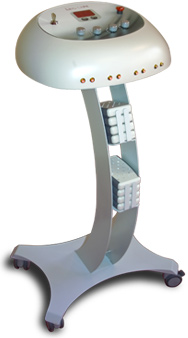
Lipo light laser lipo unit
Lipo laser prices

You have tried everything.  Diet, exercise, the latest supplements, but the love handles just won’t go away.

At this point, you hit the Internet to find other options.

Before we do this, though, we need to make something very clear.  Anything else that you do should be IN ADDITION TO lifestyle choices that are consistent with a low calorie, high phytonutrient diet.  Avoid refined carbs, keep overall carb intake under control, short burst aerobic activity combined with strength training and a strong intake of healthy fats.

There’s something else I need to make clear.  Abdominal fat is NOT a good thing.  Abdominal fat begins as a storage area for extra calories, just like a bear getting ready for hibernating out the winter.  But this is where the similarity ends because, after a too much fat accumulates, your abdominal fat begins to run out of blood flow.  Without enough blood flow, your abdominal fat gets pissed off and inflamed.

This is were bad things happen.

Your inflamed abdominal fat is now secreting its own set of hormones called adipokines that drive further inflammation and increase your risk of things like cancer, heart disease, stroke, diabetes and osteoporosis.  Not good.

At this point you can now consider your abdominal fat as its own organ system.  And is some cases, this organ becomes the largest organ in your body.

Anything at all you can do to lower the inflammation in this abdominal fat region is a good thing.  This is where lifestyle comes in.  Lifestyle changes are the most powerful tool for lowering inflammation in your body, abdominal region included.

That being said, it might make sense that, if you could remove some of the abdominal fat with surgical procedures or destroy it with cold, heat or sonic waves, this would help with the overall inflammation.

But you didnt really think it was going to be that easy, did you?

Previous research has demonstrated that this is NOT a good idea and works quite the opposite.  Traditional liposuction led to a 10% increase in visceral fat around the heart–a MUCH worse option.

This particular study further points to any type of invasive liposuction as being a bad idea.  In it, researchers looked across 11 studies that included 271 individuals to see if lipectomy (any procedure that removes or kills off fat cells would fall under lipectomy) had any effect whatsoever on diabetic markers after the procedure.

The result?  No evidence that lipectomy does anything positive for your overall metabolism.

Now, I may be biased because our office has had a non-invasive laser lipo unit for almost 4 years now that uses LED diodes to reduce inflammation in the gut and thereby reduce the size of your inflamed abdominal organ safely.

Unlike lipectomy, LED diode laser lipo HAS been shown to positively affect certain diabetic markers like LDL cholesterol (no published studies that I can link to at this time), but this makes sense because the effect of laser and LED has been known to lower inflammation levels for many years now.

For me, the choice would be simple.  Lower inflammation in your abdminal fat safely using light or destroying it without actually fixing the problem.

But, as I mentioned, I’m biased…

Filed Under: Obesity and Weight Loss, Prediabetes Tagged With: laser lipo, liposuction, metabolic syndrome, Obesity, prediabetes, weight loss

Critical Difference in Lazy Versus Healthy Abdominal Fat

May 13, 2014 by James Bogash

Your first thought may be that you didn’t know we had “healthy” abdominal fat. In general, you would be correct. But abdominal fat DOES serve a purpose.

Just ask an Inuit Eskimo or a hibernating polar bear if there is a healthy use for abdominal fat. Abdominal fat is designed as a storage depot for excess calories to be used under times of hardship. So it actually has a purpose. I Just got back from seeing Disney’s new movie Bears. It is about a mama bear’s (Sky) struggle to put on fat to make it through the winter to keep her two baby cubs alive. At no point in the movie did the narrator point out that Sky was looking a little too plump and needed to cut back on her calories and exercise a little more.

Nope. She needed the fat.

The rest of us? Or at least the rest of us that have some 8,000 calories available in a mere 25 foot walk to the fridge? This fat has moved beyond storage to disease causing. Most of the abdominal fat present in todays’ society is the bad kind; a result of too many calories with too little nutrient quality. Ultimately the fat runs out of a decent blood supply and goes rogue. This abdominal fat takes on a life of its own and becomes its own organ system, kicking out inflammation-causing hormones that lead to heart attacks, strokes, diabetes and cancer. All things that we would all arguably like to avoid.

Generally, we think in terms of visceral (bad) and subcutaneous (not bad) fat. However, the dividing line is not all that clear. This particular study takes a more in-depth look at the antioxidant status present within both types of fat in a group of 50 women. These women were divided into two groups: normal weight and obese.

But here’s where it gets interesting. The then further divided these two groups into two subgroups: metabolically healthy and metabolically obese. Just because someone does not appear to be at risk for heart disease, diabetes and cancer on the outside based on body fat does not mean that blood work tells a different story.

The term “metobolically obese” refers to those (regardless of how much fat they have) who are insulin resistant / prediabetic based on insulin levels (HOMA-IR), triglyceride levels, total cholesterol as well as LDL- and HDL-cholesterol levels. In other words, you can have a skinny person who is still at great risk of diabetes and heart disease (referred to a normal weight, metabolically obese).

In these four groups, certain antioxidants (glutathione/GSH and GSH-dependent enzyme activities) and markers of oxidative damage (specifically NADPH oxidase protein and 4-hydroxynonenal levels) were measured. Here’s what they found:

  • Visceral fat had higher levels of antioxidants (glutathione/GSH and GSH-dependent enzyme activities).
  • However, obese women had less of the antioxidants in both types of fat.
  • However, in the obese women, oxidative damage levels were higher and there were lower levels of antioxidants only in the visceral fat.

Basically, when we are at a more ideal weight, the fat that is present in our bodies, regardless of where it is, has the ability to protect itself.  As more and more fat collects in the abdominal region, this tissue becomes metabolically stressed out (more and more oxidative stress).  This change is not for the better and leads to all the problems associated with abdominal fat like heart disease, strokes, diabetes and cancer.

Interestingly, laser “liposuction” may be just what the doctor ordered.  This tool has the potential to improve the health of abdominal fat cells and lower the risk of chronic disease.  In our office, we have seen reduction in the volume of the the abdominal fat in just a few short treatments.  It would be interesting to see what would happen if medicine increased the use of this tool for those with excessive abdominal fat.

Filed Under: Obesity and Weight Loss Tagged With: Abdominal Fat, adipokines, diabetes, laser lipo, obesity and weight loss, subcutaneous fat

Knee Osteoarthritis Symptoms–Can Laser Lipo Help?

February 13, 2014 by James Bogash

Knee osteoarthritis symptoms can ruin an otherwise well planned out retirement. Just when you have the time to play more golf, your body gives out on you.

There is always knee replacement surgery if you happen to be a huge fan of Bob Vila and have no aversion to Black and Decker or Ryobi power tools being used on your femur and tibia. Thank god for anesthesia.

For the rest of us who would like to die with all the parts we were born with (with the exception maybe of your foreskin due to the fact that, at the time, you were in no position to argue to merits pro and con), I have written extensively about ways to manage knee osteoarthritis pain in previous articles (that can be found by clicking here) or even in my Knee Pain Answers eBook (which can be found by clicking here).

Prevention of knee arthritis, however, is a different story and begins decades before any symptoms are felt. Overall, a lifestyle that is anti-inflammatory is key. Diet, exercise and stress management all play key roles.

Given the never-ceasing rise in obesity rates in developed nations, I figured that I would address this aspect from a unique angle, tying it into this particular article. In this review article, the authors review the links between adipose fat and the inflammation-producing hormones they produce, referred to as adipokines.

Adipokines are hormones that come from your abdominal fat and do all kinds of nasty things to your overall health. Damaging your blood vessels is on top of the list (leading to things like heart attacks, stroke and dementia), but slowly destroying the surfaces of your joints is on the list as well.

This is where the tie in with laser lipo comes in. I have covered the theory behind the use of cold laser applied to the abdominal area to cut down on the inflammation and the adipokines being produced by this wayward organ system (yes—the abdominal fat does become its own organ system just like the heart, lungs and brain).

I would never look a patient in the eye and tell him or her that he or she needs to do laser lipo to prevent knee osteoarthritis symptoms decades in the future, but it is clear that laser lipo can play a role in curbing the inflammation tearing away at your body. Combine this with dietary changes, exercise and stress management and you can go a long way towards avoiding a long list of chronic diseases driven by inflammation.

Filed Under: Knee Pain, Obesity and Weight Loss Tagged With: adipokines, knee osteoarthritis symptoms, knee pain, laser lipo, obesity and weight loss

Abdominal Fat Cells: 2 Reasons Why Bigger is NOT Better

December 5, 2013 by James Bogash

Ever since our office discovered the laser lipo unit, it seems like the research supporting this approach to curb inflammation has been everywhere.

Or maybe, just like the new car you just bought you thought no one else had that you now see everywhere, I’m just looking for research along this avenue more.

Either way, it’s interesting, to say the least.  It is becoming more and more clear that inflammation coming from that extra fat you are carrying around your middle is setting your body and health on fire.  And not in a good way.  This inflammation is driven by hormones released by the fat cells when they become angry from the wrong lifestyle choices.

This particular study requires a wee bit of background.  First, there are a few major depots of fat in the human body.  Visceral fat is the fat around your organs, sometimes referred to as omental fat (the omentum is the fascial tissue acting like a web connecting all of your internal organs, loaded with fat and blood vessels).  There is no doubt that visceral adipose tissue is not a good thing.

Subcutaneous fat is the fat found just under your skin that serves to keep you warm and cushion you when you fall back onto your buttocks.  In general, this type of fat has been thought to be less related to chronic diseases like heart disease and diabetes as visceral fat.

Or, at least, that’s what I thought before I delved into some basic background research for this post.  About 3 hours later (who needs sleep??)  I’ve come to the conclusion that we still have no idea whatsoever about the human body.  Why?

Because there is a growing body of research that suggests that our subcutaneous fat may actually help us keep our visceral fat in check.  In particular, subcutaneous fat produces more of a compound called caveolin-1 (CAV-1).  CAV-1 has been shown to protect against diabetes.

As I read through this, a blog article I did several years ago made much more sense.  In the article, I reviewed the findings that, after liposuction that removed subcutaneous fat, there was a bounce-back 10% increase in visceral adipose tissue.

With this in mind, I need to get back to the article.  In it, researchers looked at fat removed during surgery from 44 women (average age 47 years old).  They were looking at two characteristics of the fat from both the omental (visceral) and subcutaneous fat:

  1. Larger fat cells than expected (termed adipocyte hypertrophy).
  2. Smaller fat cells, but more of them (termed adipocyte hyperplasia).

Here’s what they found.  When compared to smaller fat cells (hyperplasia):

  • Women with larger omental fat cells had a worse ability to manage blood sugar (as measured by GLUT4 mRNA expression) as well as more inflammation (as measured by CEBPB mRNA, OM PLIN, CD68, CD14, CD31 and vWF) and were more likely to release fats into the bloodstream (a process called lipolysis).
  • Women with larger subcutaneous fat cells also had a worse ability to manage blood sugar, higher inflammation, lower adiponectin levels (not good–leads to diabetes) and more lipolysis.

While this sounds complicated, the bottom line is that larger fat cells, regardless of location in the body, was far more dangerous than having more, but smaller, fat cells.

This is consistent with what we know about fat cells being the storage for extra calories.  Too many calories, super-sized fat cells and not enough blood flow to support the cells and you get a revolt and uprising.

Cold laser has been known for years to fight this situation by increasing blood flow and decreasing inflammation.  It fits in very well with our experiences with laser lipo for patients who have abdominal fat that has reached this state of inflammation.


Filed Under: Obesity and Weight Loss Tagged With: Abdominal Fat, diabetes, laser lipo, obesity and weight loss, subcutaneous fat

Are You Carrying Around an Extra Organ? 3 Things to Know

November 24, 2013 by James Bogash

Your ancestors didn’t have it, and yet there’s a good chance you do. Most of your organs work in your favor, but this one is your enemy.

Much like some disconnected appendage transplanted in place of your severed hand that came from a serial killer, your abdominal fat is trying to kill you.  I have written about abdominal fat as a renegade organ in a previous blog article that can be read by clicking here.  Before we get into the “guts” of this blog post, we need a little review of adipose hormones.

While the abdominal fat tissue produces a number of compounds, there are 3 main hormones that come from our abdominal fat cells that we are currently aware of.  Here’s a brief summary:

  1. Leptin – helps to maintain an even body weight.  Lose abdominal fat and lower leptin stimulates appetite, gain fat and higher leptin levels make you less hungry.  Unfortunately, with abuse, our brains become resistant to leptin, and higher levels no longer shut down our appetite.
  2. Resistin – levels increase as the amount of abdominal fat increases and increases inflammation, insulin resistance and drives the progression to diabetes.
  3. Adiponectin – an anti-diabetic hormone that is produced less and less as we gather more abdominal fat.

When were are healthy, these adipokines help to keep your body weight in balance.  However, as you start to collect more abdominal fat over time, these adipokines shift from a friendly distribution to a disease-causing one.  This then produces more inflammation which, in turn, produces even more body fat.  Quite the downhill spiral.

This particular study looks more closely at the actions of adiponectin in mice and how it relates to blood flow within the abdominal fat region.  Here’s what researchers found:

  • Higher levels of adiponectin led to a more blood flow within the fat tissue (which leads to “happier” fat cells with more blood flow and nutrients).
  • Mice that produced more adiponectin had an almost complete shut down of inflammation measured by macrophage (WBC) infiltration and had no crown-like structures (these structures occur when dead fat cells clump together around macrophages that are trying to clean up the dying tissues).
  • Mice that produced more adiponectin had a strong sensitivity to insulin and reduced likelihood of developing fatty liver.

You can see that, once you begin to accumulate abdominal fat your body begins to revolt against you, stacking the cards against you for losing and maintaining weight loss.  Obviously, prevention is much easier than a cure, but for most of us, that train long ago left the station.  We can, however, make sure that our children are not put into a similar situation by making sure they never tip over into a state of increased abdominal obesity.

I also have to put a plug in here for non-invasive laser liposuction, which we have had in our office for almost a year now.  While the manufacturers and most clinics that own the units continue to promote that laser “opens pores in the fat cells,” there is strong evidence that laser applied to the abdominal region is doing what we know that cold laser does: increasing blood flow and lowering inflammation.

What a perfect combination for abdominal fat that is both starved for blood flow and inflamed.  This explanation for the benefits of laser lipo makes sense.

Filed Under: Obesity and Weight Loss Tagged With: Abdominal Obesity, adipokines, adiponectin, laser lipo, leptin, resistin

Primary Sidebar

Patient Quick Guide

Schedule An Appointment
Contact Our Office
Download Patient Forms

Categories

Chiropractic Mesa Arizona

Arthritis Chiropractor Mesa AZ
Graston Technique Mesa AZ
Back Pain Chiropractor Mesa AZ
Back Pain Doctor Mesa AZ
Wrist Pain Chiropractor Mesa AZ
Rotator Cuff Chiropractor Mesa AZ
Shoulder Pain Chiropractor Mesa AZ
Knee Pain chiropractor Mesa AZ
Manipulation Under Anesthesia In Mesa AZ
Headache Chiropractor Mesa AZ
Chiropractic Mesa AZ
Stem Cell Therapy Mesa AZ
Regenerative Medicine Mesa AZ
Massage Therapist Mesa AZ
Shoulder Pain Doctor Mesa AZ
PRP Therapy Mesa AZ
Chiropractic Mesa AZ
Who Is The Top Chiropractor In Mesa AZ?
Knee Injury Doctor Mesa AZ?

Footer

Resources

Site Map
Disclosure
Additional Resources

Best Massage Therapist Mesa AZ
Arthritis Doctor Mesa AZ
Chiropractic Mesa AZ
Back Pain Doctor Mesa AZ
Rotator Cuff Doctor Mesa AZ
Chiropractor Mesa AZ
Massage Therapist Mesa AZ
PRP Therapy Mesa AZ
Knee Pain Doctor Mesa AZ
Stem Cell Therapy Mesa AZ
Headache Doctor Mesa AZ
Shoulder Pain Doctor Mesa AZ

Office

Lifecare Chiropractic
1830 S. Alma School Rd, Ste 135
Mesa, AZ 85210
(480)-839-2273
Also Serving Tempe, AZ

Get Directions

  • Home
  • About
  • Common Conditions
  • Additional Services
  • Testimonials
  • Blog
  • E-Books
  • Contact

Copyright © 2026 · LifeCare Chiropractic · All Rights Reserved.