• Skip to main content
  • Skip to primary sidebar
  • Skip to footer

LifeCare Chiropractic

The Best Chiropractic Care in Mesa, Arizona

  • Home
  • About
    • Why Lifecare?
    • About Dr. Bogash
    • Team Members
  • Common Conditions
    • Wrist Pain/Carpal tunnel syndrome
    • Elbow Pain/Epicondylitis
    • Headaches
    • Knee Pain and Knee Injuries
    • Low Back Pain
    • Shoulder Pain and Rotator Cuff Problems
  • Additional Services
  • Testimonials
  • Blog
  • E-Books
  • Contact

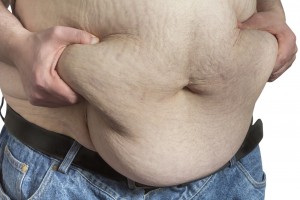
brown fat

Want to Lose Weight?? Enlist the Help of a Friend

February 11, 2016 by James Bogash

Microbiome and brown fat
vlorzor / Dollar Photo Club

What if I told you that you could lose weight without doing a darn thing, so long as you had some help from a friend?

Sounds like an ad for the newest wonder supplement for weight loss.  Get this great new weight loss product for $3 (just pay $59.95 for shipping and handling) with a money back guarantee (not including the S & H).

But no.  This is something far more legit (and free, by the way…).

But first, we need to review the different types of body fat.  And not just the unwanted fat that hangs around your middle and organs and increases your risk of all those nasty chronic diseases.  There are three types of body fat:

  1. White fat–the bad stuff that does nothing but sit there and cause problems
  2. Brown fat–fat that burns calories like crazy to produce heat; as close to the answer for weight gain that the human body has
  3. Beige fat–an in-between state of fat as it transitions from useless white fat to the desirable brown fat

Until recently, scientists thought the brown fat was only present in babies and bats.  As humans age, they lose brown fat, never to get back those heat-generating, calorie-burning fat cells.

Or, at least that’s what we thought.  Turns out that we can actually “brown” our white fat cells, changing the makeup of the fat cell so that it begins to burn calories to generate heat.  On the flip side, certain lifestyle choices have been shown to lower the amount of brown fat.  Some of these are very simple to implement.  Most notable of these is the use of artificial sweeteners (just in case you’re STILL using them to lose weight, this little factoid should wake you up).  I’ve covered many of these factors in a previous article that can be read by clicking here.

The one factor that I need to review in the context of this blog article has to do with exposure to cooler temps.  In a small study, volunteers who were exposed to cooler temps (60 degrees F) for 6 hours per day increased his or her brown fat by a respectable 37% in 10 short days.

Pretty cool.  It certainly makes sense for our bodies to raise the internal thermostat (so to speak) when exposed to short term cold.  It’s about adaptation.  But how exactly does this happen?  This group of researchers turned to mice to get a better grip on how this happens.

And the results are pretty surprising.

In this particular study, researchers exposed mice to slowly colder temps over the course of a month and watched how the mice’s bodies responded.  But they ALSO kept an eye on the bacteria in the gut.  Here’s what they found:

  • The cold exposure led to a dramatic shift of the bacteria in the gut (microbiome).
  • The cold mice developed more brown and beige fat, lost weight and had lower diabetes markers.
  • Here’s the shocking part–transplantation of the cold mice microbiome into germ-free mice LED TO THESE SAME POSITIVE CHANGES.
  • But before all of you living in the frigid tundra of Minnesota, prolonged cold led to adaptive changes–the gut actually enlarged to make sure it could grab even more calories to support the brown fat burning calories (increasing intestinal, villi, and microvilli lengths).

To make this even more interesting, the researchers were able to pinpoint a particular bacteria, Akkermansia muciniphila, as having the most potent effect.  Which may not be surprising–I have covered this bacteria before in its ability to fight off diabetes and its relationship with well-trained athletes.

Back to my opening statement.  Yes, you can lose weight during next to nothing.  All you have to do is find a friend to freeze his or her butt off for 10 days and then do a fecal transplant from your cold-adapted friend.

Better be a pretty good friend….

Filed Under: Obesity and Weight Loss, Probiotic Tagged With: Akkermansia, brown fat, cold adaptation, microbiome, Obesity, probioitics, weight loss

Obesity, Brown Fat and Being a Night Owl; What Glasses are YOU Wearing?

June 27, 2015 by James Bogash

sleep and brown fat
karuka/Dollar Photo Club

It seems like there is a definite trend of families (both parents and kids) not getting to sleep at a decent hour.  There are lots of issues with this.

“Sure,” you say, “from the guy up at 11 PM starting to write a blog post.  I would be the first to admit that I probably don’t get enough sleep several nights a week.  (Which is why I start to blather towards the end of this article)  But the rest of my lifestyle is in line with what I recommend to my patients.

So why is lack of sleep a big deal?  For starters, there are some clear links between light maps of the United States and rates of breast cancer.  There are also links between lack of sleep and pretty much every single chronic disease.  And this includes obesity.

While the mechanism by which poor sleep contributes to chronic disease is not completely understood, there are a few things we do know:

  1. By not getting enough sleep, we may not spend enough time in the deeper stages of sleep when tissue healing and memories are implanted.
  2. Problems falling asleep may be due to stress and stress pretty much kills.  Enough said.
  3. Melatonin is a hormone produced in the pineal gland deep in the brain when light on the blue end of the spectrum no longer strikes the retina.  Melatonin serves several purposes, but one of these is to act as an antioxidant in the brain, protecting it from damage.
  4. None this even begins to address how much damage sleep apnea does to the body and brain.

This particular article gives us some additional insight but it takes it from a different angle.  Rather than looking at not getting enough sleep or when we go to bed, researchers asked to question about total light exposure’s effect on obesity.  In other words, how much light are you exposed to during the day.

If you think about it, we were really only designed to be exposed to light from the blue end of the spectrum during daylight hours.  Blue light tells our system that it is time to be awake and running around looking for food, shelter and a mate to club over the head and drag back to the cave.

The problem is that almost all of our electronic devices emit light at this end of the spectrum.  Cell phones, TVs, tablets, IPads, overhead lights.  They will all interfere with our sleep wake cycle.  Just in case you or your child stares at one of these devices anytime after sunset, you could consider trying one of the blue blocking glasses that can be found on Amazon by clicking here.  It’s a pretty small investment for something that could potentially make a big difference.

In the study, researchers exposed mice to a prolonged day lengths (16 and 24 hours instead of the regular 12 hours).  Here’s what happened:

  • The was increased fat but not an increase in food intake or activity.
  • This increased exposure to light led to a change in the activity of brown fat.  Brown fat is a literal fat-burning factory, burning calories only to make heat.

For those of you who have read some of my prior articles on brown fat, it really is something that we all want to have more of.  More brown fat = lower rates of obesity and diabetes.  Anything that is going to increase the amount of brown fat we have is generally a good thing, while anything that slows down the activity of or reduces the number of brown fat cells is a bad thing.

If you or your child are a night owl, could getting a pair of blue blocking glasses (or, better yet, shut down that IPad or TV…) actually keep you from gaining weight?  According to this study the answer may be yes.


Filed Under: Obesity and Weight Loss Tagged With: brown fat, diabetes, Obesity, sleep

These Foods Have a Surprising Way to Help You Burn More Fat

February 13, 2015 by James Bogash

foods for weight loss
kunertus/Dollar Photo Club


While you may not be aware of it, you do have energy-burning fat cells inside your body called brown fat. Note that I did NOT say fat-burning.

And lord knows, there is enough advertising in the weight loss industry for “fat-burning” supplements.  You can’t miss the ads for “fat-burning” B12 shots (incidentally, B12 has very little to do with either fat burning or energy levels).  And you’ve probably already deleted 10 emails today promoting products or exercises for “fat-burning.”

Let’s not mistake fat burning for energy-burning.  You have cells within your body that have the potential to burn calories merely to generate heat.  It’s like a dream come true.  Eat all the extra calories you want and never gain a pound because you burn them off almost instantly.

Ok, so maybe it’s not that easy.  But, babies and bats are well-known to have a type of fat called brown fat.  Brown fat is designed to help you keep your body temperature up by burning calories for heat.  As you got older, you lost much of this brown fat, but the potential to convert some of your ugly, health-destroying white fat into brown fat.

Have you ever had a hard time sleeping because it seemed like you were roasting and it was not due to some type of infection your body was fighting off?  Next time this happens, look back on the day and see if just maybe you took in an excessive amount of calories.  In this instance, it was your body kicking up the temp trying to burn off those extra calories to maintain a stable weight.

In recent years, there has been increasing focus in medical research on brown fat.  In this process, science has also discovered the presence of beige fat.  Beige fat works much the same as brown fat, but are likely to be more “switchable” based on certain conditions.  Which, of course, has the drug companies drooling in an attempt to find a drug that can turn on beige fat.

Until then, there are ways we already know of to turn on brown and beige fat.  Here are some examples:

  • Cold exposure over several days can increase the amount of brown fat present.
  • Whole body vibration release irisin, a hormone that increases the amount of brown fat.
  • Chili peppers contain capsaicin, a compound that has been shown to increase brown fat.
  • Sucralose, that wonderful artificial sweetener that everyone seems to think is “OK” in small amounts, lowered the activity of brown fat.

This particular study adds another compound-containing group of foods to the list.  In it, researchers looked at the ability of nitrate in foods at converting white (bad) fat into calorie-burning brown fat in mice.  They found that dietary nitrate not only increased the conversion of white fat to brown fat cells (a process called “browning”) but there was a change in the DNA action of brown cells to burn more calories.

Not too shabby.

So what foods are high in nitrate?  It should come as no surprise that Big Macs are not on the list.  Neither are fries.  But here is the short list (ranked from highest levels to lower levels from the AJCN)):

  • Celery, cress, chervil, lettuce, red beetroot, spinach, rocket (rucola)
  • Celeriac, Chinese cabbage, endive, fennel, kohlrabi, leek, parsley
  • Cabbage, dill, turnip, savoy cabbage
  • Broccoli, carrot, cauliflower, cucumber, pumpkin, chicory

I do have to admit that most of this list is not on my plate on a regular basis.  (umm…or ever…what exactly IS chervil??).  That being said, foods like spinach, celery and parsley can easily be added to your diet with very little change.  It is simple changes like this that has the potential to help your body actually burn more calories and maintain an ideal body weight.

Filed Under: Obesity and Weight Loss Tagged With: beige fat, brown fat, Dietary nitrate, obesity and weight loss, sodium nitrate, weight loss

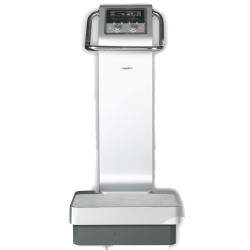
Whole Body Vibration to Build Muscle: Can it be this Easy?

April 23, 2014 by James Bogash

vibration plate exercises obesity
Vibration plate reviews on Amazon.com

The research on vibration plate exercises continues to build. For those of you who have never used whole body vibration, it’s quite an experience.

In our office, the best way to describe vibration plate exercises is to have someone try the plate out for themselves. There really isn’t any adequate way to describe what happens. Either way, it’s unique.

The benefit of vibration exercise vary and some is more hype than reality. Fall prevention and muscle building (especially for the knees) top the list of benefits that have been demonstrated in the medical research. However, my personal belief has always been that vibration plate exercises were the most beneficial for those who were not active. That is why I have always considered it somewhat contradictory to have a whole body vibration unit in a health club.

This particular study, however, may expand my thoughts just a wee bit. Researchers looked at the hormone irisin and vibration plate exercises. Irisin, for those of you who did not know (and include myself as one of them), is a hormone released from muscle in response to exercise. It is believed that irisin then helps muscle rebuild stronger and fight off obesity and diabetes.

Irisin does this is by turning white fat (the lazy abdominal fat that contributes to diabetes, heart disease and cancer) into brown fat. Brown fat burns calories to produce heat. Generally a very good thing and it helps fight off diabetes and obesity.

Even more interesting relates to a blog post that I wrote a short while ago, relating the shivering response (basically keeping the room temperature at 60 degrees for 6 hours a day) to an increase in calorie burning from having more brown fat.

So what if the shivering response and vibration plate exercises produce the same response?? A very interesting line of thought and one that is supported by the research in this study.

In it, researchers put a group of healthy, untrained females through a 6-week program of whole-body vibration exercise training. Blood was checked before and right after a session of vibration plate exercises at the state of training and after 6 weeks. Here’s what they found:

  • Pre-exercise irisin levels were not different at the beginning of the study and after 6 weeks of training.
  • However, at the beginning of the study, after a vibration exercise session, irisin levels increased by 9.5%.
  • Even better, after 6 weeks of training, post-vibration exercise irisin levels increased 18.1%.

Much of this begins to make more sense. This brings together the research on vibration plate exercises and shivering / cold exposure and puts it under the umbrella of brown fat. Considering that most people would not want to expose themselves to shivering cold temperatures for weeks on end and that whole body vibration is a fun and easy therapy, it would seem that we have a better approach to management and prevention of obesity in vibration plate exercises.

Filed Under: Obesity and Weight Loss Tagged With: brown fat, irisin, vibration plate exercises, whole body vibration

Sucralose Side Effects: Worse if You’re a Bat

October 30, 2013 by James Bogash


Despite having an eBook out on the evils of artificial sweeteners, I still get pushback from many that I talk to.

Maybe that’s because society has slowly introduced a variety of artificial sweeteners over the years, putting them into more and more products consumed by the unwary public.  We were in Cancun recently and my son wanted some yogurt and granola.  However, even the “plain” yogurt had sucralose in it.  Should we be surprised that Mexico has now passed the US as the most obese country on the planet?

Good luck finding gum without multiple artificial sweeteners in it.  Some restaurants only carry “light” lemonade and do not inform customers of this unless asked.   We have “sugar free” energy drinks, which is technically not even possible since the body’s ultimate source of fuel is sugar.  We give our toddlers diet coke without a second thought.

All of this acceptance is fueled by our desire to satisfy our craving for sweet, reinforced by the belief that it will help to keep us from gaining weight.  The reality is a far cry from the belief.

This particular study adds additional research to the links between artificial sweeteners, weight gain and diabetes.  This mouse study looked at what artificial sweeteners (referred to as non-nutritive sweeteners, or NNS) did to risk factors for diabetes.  Specifically, researchers compared the effects of sucrose (table sugar) to artificial sweeteners.  Here’s what they found:

  1. The sucrose increased blood sugar, body fat and body weight.
  2. NNS, on the other hand, did not increase blood sugar levels.
  3. But, NNS increased insulin levels and body fat (neither a good thing).
  4. Worse with NNS, in the fat cells, leptin and triglycerides levels increased.
  5. If this wasn’t bad enough, a compound called UCP-1 in brown fat was lower with NNS.

What does this last little tidbit mean?

Well, brown fat is a type of fat that we use to generate heat by burning calories.  And only burning calories.  Basically, brown fat burns calories like a furnace.  Infants and bats have brown fat, but we’ve always thought that brown fat disappears as we age.  Recent research supports the idea that adults DO have brown fat.  A tissue that helps you burn calories.  Sounds like a dream weight loss program.

And artificial sweeteners shut it down.  Does this sound like something that’s going to help avoid diabetes and obesity?  Absolutely not.

So the next time you move to pick up that diet Coke or chomp on that Juicy Fruit, purchase that Medifast “medical” food from your doctor, realize that these products WILL make you fatter and increase your risk for diabetes.  There is no longer any room to deny this fact.


Filed Under: Diabetes (Type 2), Obesity and Weight Loss, Prediabetes Tagged With: artificial sweeteners, aspartame, brown fat, diabetes, nutrisweet, obesity and weight loss, Splenda, sucralose, UCP-1

A New Way to Burn More Calories

September 6, 2013 by James Bogash

Everyone wants to know how to burn more calories without doing any actual work.  It’s the American way.

We want a way to lose weight that doesn’t require exercise and doesn’t require avoiding that fast food value meal or the drive-thru donut shop.  We want a supplement or drug that is going to do it for us that doesn’t have any side effects (I can almost hear Huey Lewis in the background….).

In reality, these requests just aren’t going to work.  Eating junk food is never going to be lead to weight loss.  Exercise is required all the way down to your DNA.  Weight loss supplements, regardless of the ingredients, are usually only good for a handful of pounds over 6 months.  And you know how I feel about drugs.

That being said, there ARE some approaches that may be able to help with little work on your part.  Whole body vibration may assist some of the more inactive of us to help firm up and lose some weight.  There are laser lipo devices that can actually help shrink your belly fat.  Capsacian from hot peppers may spur weight loss.

This particular article adds another approach to the short list of things that take little effort that may help you lose weight.  But before we go into the specifics, we need to have a short discussion about brown fat.

Brown fat is mostly known for it’s role in bats and babies.  Basically, in brown fat, the mitochondria (there’s my favorite word again) burns calories but does NOT produce ATP to be used later for energy.  The process is called uncoupling of oxidative phosphorylation and generates heat instead.  That’s how babies and bats can stay warm.   The protein that performs this function is called UCP-3 and has been the target of drug companies for many years, to date unsuccessfully.

It is thought that, as we move out of babyhood that we lose the brown fat we had as an infant.  But what if this wasn’t the case?  What if we could “bring it back” so to speak?

Researchers here tried to do just that.  Here’s the specifics:

  • 17 healthy subjects were exposed to 10 consecutive days of 15–16°C (about 60 degrees F) for 6 hours a day.
  • It is already known that, when put into a colder environment mammals will work to maintain a constant body temperature by means of shivering to generate heat.
  • However, upon prolonged cold exposure, shivering will gradually decrease, but energy expenditure remains elevated, indicating increased heat not due to shivering (NST).
  • After the cold exposure, non-shivering heat generation went up from 10.8% before the exposures to 17.8% afterwards.
  • In the subjects, there was a 37% increase in the volume of the brown fat in their bodies.
  • After cold acclimation, the environment was judged to be warmer and more comfortable and that self-reported shivering decreased during cold exposure according to the subjects.

I’m not saying you should set your programmable thermostat up to some crazy schedule, but, with a little creativity, we might be able to use this metabolic response to our advantage.  Unfotunately, for those living here in Phoenix, AZ, I’m pretty sure we’re SOL.

Filed Under: Obesity and Weight Loss Tagged With: brown fat, burning calories, obesity and weight loss, UCP, weight loss

Primary Sidebar

Patient Quick Guide

Schedule An Appointment
Contact Our Office
Download Patient Forms

Categories

Chiropractic Mesa Arizona

Arthritis Chiropractor Mesa AZ
Graston Technique Mesa AZ
Back Pain Chiropractor Mesa AZ
Back Pain Doctor Mesa AZ
Wrist Pain Chiropractor Mesa AZ
Rotator Cuff Chiropractor Mesa AZ
Shoulder Pain Chiropractor Mesa AZ
Knee Pain chiropractor Mesa AZ
Manipulation Under Anesthesia In Mesa AZ
Headache Chiropractor Mesa AZ
Chiropractic Mesa AZ
Stem Cell Therapy Mesa AZ
Regenerative Medicine Mesa AZ
Massage Therapist Mesa AZ
Shoulder Pain Doctor Mesa AZ
PRP Therapy Mesa AZ
Chiropractic Mesa AZ
Who Is The Top Chiropractor In Mesa AZ?
Knee Injury Doctor Mesa AZ?

Footer

Resources

Site Map
Disclosure
Additional Resources

Best Massage Therapist Mesa AZ
Arthritis Doctor Mesa AZ
Chiropractic Mesa AZ
Back Pain Doctor Mesa AZ
Rotator Cuff Doctor Mesa AZ
Chiropractor Mesa AZ
Massage Therapist Mesa AZ
PRP Therapy Mesa AZ
Knee Pain Doctor Mesa AZ
Stem Cell Therapy Mesa AZ
Headache Doctor Mesa AZ
Shoulder Pain Doctor Mesa AZ

Office

Lifecare Chiropractic
1830 S. Alma School Rd, Ste 135
Mesa, AZ 85210
(480)-839-2273
Also Serving Tempe, AZ

Get Directions

  • Home
  • About
  • Common Conditions
  • Additional Services
  • Testimonials
  • Blog
  • E-Books
  • Contact

Copyright © 2026 · LifeCare Chiropractic · All Rights Reserved.