• Skip to main content
  • Skip to primary sidebar
  • Skip to footer

LifeCare Chiropractic

The Best Chiropractic Care in Mesa, Arizona

  • Home
  • About
    • Why Lifecare?
    • About Dr. Bogash
    • Team Members
  • Common Conditions
    • Wrist Pain/Carpal tunnel syndrome
    • Elbow Pain/Epicondylitis
    • Headaches
    • Knee Pain and Knee Injuries
    • Low Back Pain
    • Shoulder Pain and Rotator Cuff Problems
  • Additional Services
  • Testimonials
  • Blog
  • E-Books
  • Contact

folate

Simple Stroke Prevention with This supplement

April 26, 2015 by James Bogash

folic acid for stroke prevention
freshidea / Dollar Photo Club

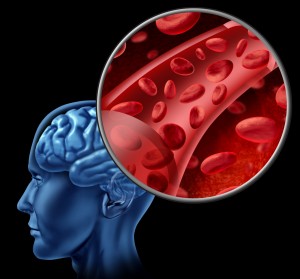
Any type of damage to the brain scares most people. Imagine a clot in your brain cutting off blood supply, killing brain cells that allow you to function.

While a survey of 100 people would likely yield all 100 of them voting to NOT damage his or her brain, it seems that most of these 100 people don’t opt to make lifestyle choices that will protect the brain.

Just in case this seems to be a little dramatic, I would point out that cardiovascular disease and stroke share almost identical risk factors.  In a recent blog article I pointed out that not a single person out of over 7,100 were living a lifestyle that included “Life’s Simple 7.”  These are simple lifestyle choices and yet not a single person in the study followed all seven.

Maybe lifestyle changes are just too darn hard to do.  All that exercise, eating right, getting sleep and maintaining an ideal body weight is just too much work.  And society just does not support a healthy lifestyle.

Aren’t there any simple approaches that can lower your risk of stroke?  Keep in mind that I have never been and never will be a “single supplement for a single condition” person.  Supplements should always be used as just one tool among a host of lifestyle changes designed to lower your risk of chronic disease.

That being said, sometimes supplements do show up in the medical literature demonstrating strong effects on preventing chronic disease.  This particular study is just such a situation.  In it, researchers looked at the ability of folic acid to lower the risk of stroke in a group of 20,702 patients with hypertension.

Patients were given either the high blood pressure drug enalapril or enalapril plus 800 mg folic acid.  Here’s what they found after the study was stopped early because the benefits were clear:

  • 7% of those in the enalapril–folic acid group had a first stroke.
  • 4% of those in the enalapril alone group had a first stroke.
  • Overall, those taking the folic acid had a 21% lower risk of having a stroke.
  • The benefit of taking folic acid was far stronger in those who started the study with lower levels of folate in the blood (<5.6 ng/mL). First stroke of 2.8% vs 4.6%, a reduction of 39%.

The results of this study managed to make it to the top of many of the medical websites despite that fact that the absolute numbers are very small (0.7% and 1.8% in the low blood folate patients).  We use the same excitement when we talk about statins and their ability to lower rates of heart attack.

One of the major differences here is that folic acid is a far safer and less expensive approach to protecting your health than the statin class of drugs.  Besides this, statin drugs don’t actually fix anything.  At all.  Folic acid, on the other hand, plays a role in blood vessel health by lowering homocysteine levels, a known irritant to the blood vessels.

The bottom line, however, is not to run out and buy a folic acid supplement.  Rather, a good quality multivitamin will contain a broad spectrum of high quality B vitamins including 800 mg of folic acid as well as vitamin B6 and B12 to make sure they all work well together.

One of my personal favorites is Pure Encapsulations’ Ultra Nutrient, which contains solid levels of folic acid and vitamin B12.

Filed Under: Stroke, Vitamins and Supplements 101 Tagged With: folate, Folic Acid, stroke, stroke prevention

Childhood Obesity Statistics: Do B Vitamins Matter?

December 14, 2014 by James Bogash

childhood obesity statistics and B vitamins
Copyright aleutie/Dollar Photo Club

Weight gain and obesity are not caused by a single choice.  Rather, the outcome is a hodge-podge of calories, exercise, toxin exposure, stress and gut flora.

Forty or fifty years ago, the simple answer of balancing calories in versus calories out would help most people lose the weight they needed and keep it off.  Sure, there were a few who truly had deep-rooted physiological imbalances that kept them obese, but these were few and far between.

But that was then and this is now.

Obesity has become THE monster when it comes to chronic disease.  There is not a single chronic disease that does not have obesity as a risk factor.  Despite this, society has done a poor job of bringing its collective waistline back into an ideal waist-to-hip ratio.  As more and more research accumulates, we have seen that the answer is far from clear.  What is clear, however, is that some things we would never have expected decades ago are at play.

The bacteria in your gut plays a strong role in diabetes and obesity.  This means that antibiotics, especially as an infant or toddler, can preset you for obesity.

Chemicals in our environment that you are exposed to constantly throughout the day, every day, contribute to obesity and diabetes.  Flame retardants, BPA in plastics, phthalates in fabric softener, Teflon in non-stick cookware, your flame resistant mattress, pesticides in our fruits and vegetables.  These are just a few of the thousands of examples of chemicals that affect your health and weight.

Stress is yet another factor that many do not realize as such a strong player in chronic disease and obesity.

This particular study adds yet another dimension to the complex equation of body weight and obesity.  In it, researchers looked at the levels of B vitamins in the blood of a group of  1131 Mexican American children who were between the ages of  8 and 15 to see if there was any relationship between B vitamin status and obesity.  Here’s what they found:

  • Those kids with higher levels of vitamin B-12 had a 52% lower risk of being obese.
  • Higher levels of folate in the blood stream also led to a lower risk.
  • Dietary intake of the B vitamins thiamin and riboflavin were also linked to lower BMI and total body fat mass.

Just like every other factor out there, the management of body weight is not about doing one single thing but more of putting everything into the blender and using the mix to maintain an ideal body weight.

And this also does not mean that giving your child a multivitamin along with his or her Big Mac value meal is going to balance things out.  It is very likely that the B vitamin levels were more likely a reflection of a healthier diet loaded with fruits, vegetables and whole grains and this diet pattern is what is keeping weight under control.


Filed Under: Childhood Obesity, Obesity and Weight Loss Tagged With: childhood obesity, diabetes, folate, Folic Acid, obesity and weight loss, riboflavin, Vitamin B12

Folate and vitamin B-12 and risk of fatal cardiovascular disease – (01-18-03)

February 16, 2014 by James Bogash

Folate and vitamin B-12 and risk of fatal cardiovascular disease

Here is a study that finds and recommends no benefit from supplementation on CVD. At first I was a little surprised, until I looked further into the study. The study did not look at supplementation and yet, in the summary, recommended that routine recommendation not be used until more studies are done. This study checked blood levels of folate and B12. However, we know that one of the main factors about whether supplementation will help is status of the MHTFR enzyme. In about 25% of the population, this enzyme has a difficult time converting folate into its active form 5-methyltetrahydofolate. If you want to find out if this is related, you need to check 5-MHTF levels in the blood and risk of CVD.

bmj.com Hung et al. 326 (7381): 131

Read entire article here

Filed Under: Uncategorized Tagged With: cardiovascular disease, folate, vitamin B-12

Cobalamin, folate, MMA, total homocysteine as B12 and folate markers – (05-28-01)

September 5, 2013 by James Bogash

Cobalamin, folate, MMA, total homocysteine as B12 and folate markers

This study demonstrated that deficiency of B12 and folate is very common among the elderly, and is reduced by the use of multivitamins. The researchers used the functional status of the nutrients to assess the levels found in the blood. Too many times a serum folic acid or B12 levels are done and come back normal. The standard lab values are just short of worthless and the true status can be determined by other markers such as MMA and homocysteine. Then again, supplementation with these nutrients is much, much cheaper than running the tests…just take a good quality B12 vitamin (best formulations have at least 2000 mcg to avoid decreased intake with hypochlorhyrdria) with folic acid.

Synergy : Journal of Internal Medicine 249 (5), 423-432

Read entire article here

Filed Under: Vitamin B12 Tagged With: Cobalamin, folate, Folic Acid, homocysteine, MMA, Vitamin B12

Smoking, folate and MTHFR status in colon cancer – (07-30-01)

July 7, 2013 by James Bogash

Smoking, folate and MTHFR status in colon cancer

This is a wonderful article that should open the eyes to many patients out there trying things based on something they read in a magazine. This study evaluated the effect of genotype of MTHFR gene and folate status on colon cancer risk. Surprisingly, both low and high folate status can be a risk factor, depending upon the genotype of the patient. This is a perfect example of how the advancement of genetics can play a role in our health and longevity. We should not use genetic information as an exuse to change our genes through technology, but rather, use genetic information to tell us best how to adjust our environment for optimal longevity and health.

Article Abstract

Read entire article here

Filed Under: Colon / Colorectal Cancer Tagged With: colon / colorectal cancer, folate, MTHFR

SUPPLEMENTATION OF FOLIC ACID AND B12 STANDARD WITH METFORMIN USE – (11-03-03)

November 12, 2012 by James Bogash

Metformin on homocysteine, folate and vitamin B12 in type 2 diabetes

This study found that metformin lowered folate and B12 levels with subsequent elevation of homocysteine. This is, of course, of concern. Considering diabetes’ strong predilection for CVD, supplementation of B12 and folic acid should be standard with metformin use (heck…even without metformin as well…). Considering that metformin is being used with increasing frequency for polycystic ovaries, this is another condition that supplementation should be included.

Read entire article here

Filed Under: Diabetes (Type 2), Vitamin B12 Tagged With: B12, CVD, folate, homocysteine, Metformin, Type-2 Diabetes

HYPERHOMOCYSTEINEMIA INDEPENDENT RISK FACTOR FOR BRAIN INFARCTION – (01-05-04)

November 3, 2012 by James Bogash

Hyperhomocysteinemia as independent risk factor for silent brain infarction

I recently had a patient who had asked her primary care doctor to run a homocysteine level based on some stuff she had been reading in layman’s journals and her family history. Her doctor refused. I have routinely been running homocysteine and CRP levels on patients for quite awhile now. To say that elevated homocysteine (whether by itself or indirectly as a marker for altered folate/B12 status) has an impact on our health would be an incredible understatement. I am going to make a pretty strong statement here…any clinician who refuses to run a homocysteine level when a patient not only has a family history but REQUESTS the test should no longer be practicing. Being a physician and having patient’s health in your hands requires certain committments–one of those would be to crack a medical journal at least once a month.

Neurology — Abstracts: Kim et al. 61 (11): 1595 –

Read entire article here

Filed Under: Vitamin B12 Tagged With: CRP levels, folate, homocysteine, Vitamin B12

Primary Sidebar

Patient Quick Guide

Schedule An Appointment
Contact Our Office
Download Patient Forms

Categories

Chiropractic Mesa Arizona

Arthritis Chiropractor Mesa AZ
Graston Technique Mesa AZ
Back Pain Chiropractor Mesa AZ
Back Pain Doctor Mesa AZ
Wrist Pain Chiropractor Mesa AZ
Rotator Cuff Chiropractor Mesa AZ
Shoulder Pain Chiropractor Mesa AZ
Knee Pain chiropractor Mesa AZ
Manipulation Under Anesthesia In Mesa AZ
Headache Chiropractor Mesa AZ
Chiropractic Mesa AZ
Stem Cell Therapy Mesa AZ
Regenerative Medicine Mesa AZ
Massage Therapist Mesa AZ
Shoulder Pain Doctor Mesa AZ
PRP Therapy Mesa AZ
Chiropractic Mesa AZ
Who Is The Top Chiropractor In Mesa AZ?
Knee Injury Doctor Mesa AZ?

Footer

Resources

Site Map
Disclosure
Additional Resources

Best Massage Therapist Mesa AZ
Arthritis Doctor Mesa AZ
Chiropractic Mesa AZ
Back Pain Doctor Mesa AZ
Rotator Cuff Doctor Mesa AZ
Chiropractor Mesa AZ
Massage Therapist Mesa AZ
PRP Therapy Mesa AZ
Knee Pain Doctor Mesa AZ
Stem Cell Therapy Mesa AZ
Headache Doctor Mesa AZ
Shoulder Pain Doctor Mesa AZ

Office

Lifecare Chiropractic
1830 S. Alma School Rd, Ste 135
Mesa, AZ 85210
(480)-839-2273
Also Serving Tempe, AZ

Get Directions

  • Home
  • About
  • Common Conditions
  • Additional Services
  • Testimonials
  • Blog
  • E-Books
  • Contact

Copyright © 2026 · LifeCare Chiropractic · All Rights Reserved.