• Skip to main content
  • Skip to primary sidebar
  • Skip to footer

LifeCare Chiropractic

The Best Chiropractic Care in Mesa, Arizona

  • Home
  • About
    • Why Lifecare?
    • About Dr. Bogash
    • Team Members
  • Common Conditions
    • Wrist Pain/Carpal tunnel syndrome
    • Elbow Pain/Epicondylitis
    • Headaches
    • Knee Pain and Knee Injuries
    • Low Back Pain
    • Shoulder Pain and Rotator Cuff Problems
  • Additional Services
  • Testimonials
  • Blog
  • E-Books
  • Contact

obstructive sleep apnea

Sleep Apnea Compliance: Is Your Brain Worth It?

February 19, 2015 by James Bogash

sleep apnea and dementia
karuka/Dollar Photo Club

I recently wrote an article about the strong links between sleep apnea and dementia. But hey–you’re only 45 and dementia is way too far away to worry about.

But what if sleep apnea was causing brain damage RIGHT NOW??

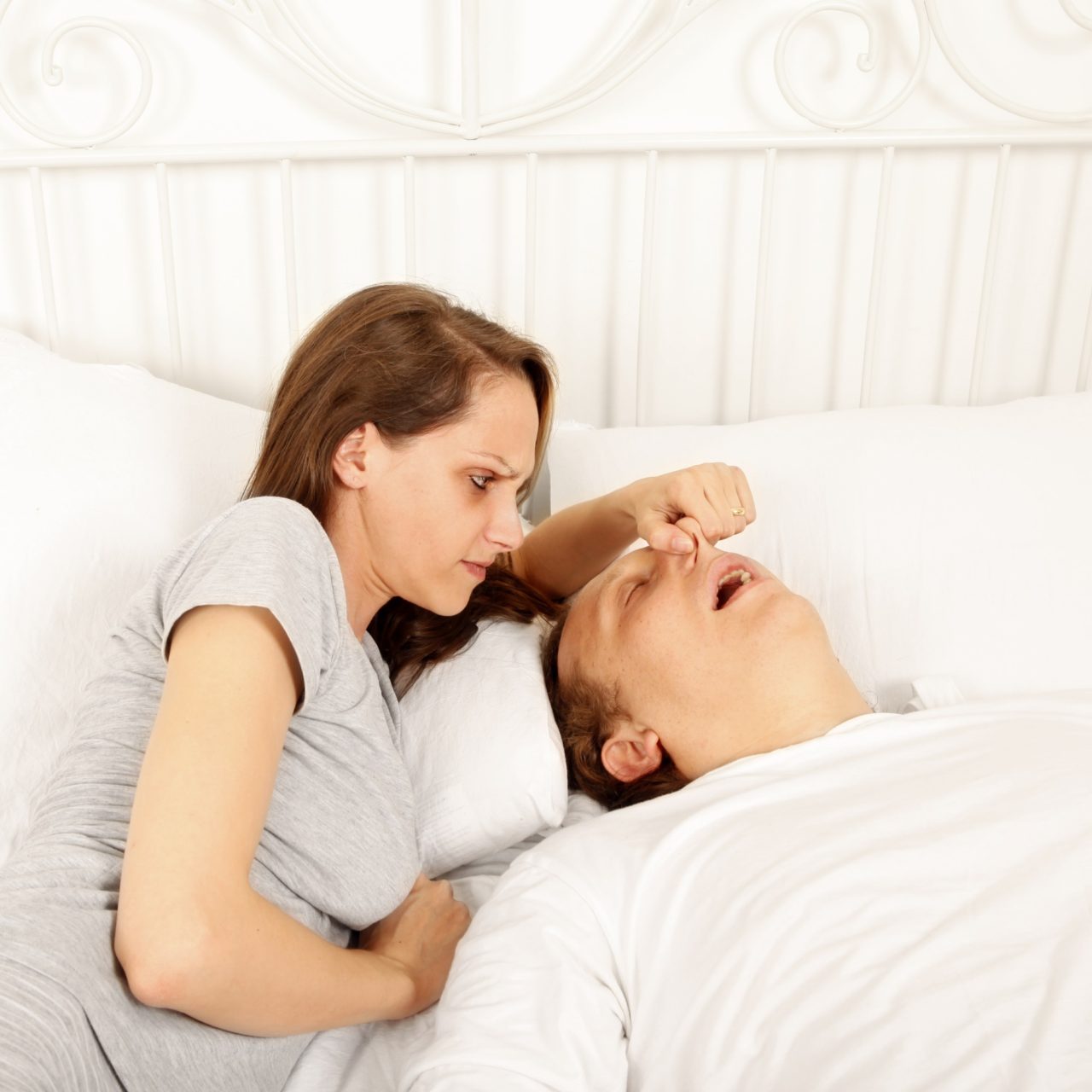
Let’s backtrack a little here and cover what sleep apnea really is.  There are two basic types; central (caused by an inability to regulate breathing while asleep) and obstructive (caused by mechanical blockage in the back of the airway).  You are probably familiar with obstructive sleep apnea and associate it with snoring and obesity.  This is the type of sleep apnea that you can’t miss if you’re sleeping in the same room with someone who has obstructive sleep apnea.  And, in more severe cases, you just have to be in the same zip code…

Central sleep apnea, however, is not thought of as much but it has a much more sinister plot.  It is very closely associated with prediabetes.  To put in more clearly, the prediabetic process is dangerous enough to your body to cause it to stop breathing at night.  “But my doctor checked me for this and said I was fine,” is not going to cut it anymore.

The key to both of the sleep apneas is simple; manage the condition short-term with a CPAP or BiPAP but eliminate sleep apnea long-term through appropriate lifestyle changes that are going to lead to weight loss and pulling away from the diabetes development track.

For those of you out there who THINK you may have sleep apnea but you are afraid to find out (via a sleep study)–you are probably making the biggest health mistake of your life. Sleep apnea is devastating for your health.  It is an extreme stress on your body and brain that WILL shorten your life.  And the answer (CPAP), while a wee bit of a hassle, is non-drug, non-addicting and can have a major impact on your daily life.

On a side note, for those of you who snore but do NOT have sleep apnea, there have been concerns over the past few years on the relationship between snoring and later heart disease.  This means you are not off the hook for making the aforementioned lifestyle changes.

Back to this particular study.  In it, researchers looked at 8,059 Hispanics aged 45 to 74 years, to see if there were relationshiops between brain testing (specifically, neurocognitive scores were measured using Word Fluency Test, the Brief–Spanish English Verbal Learning Test, and Digit Symbol Substitution Test) and obstructive sleep apnea.  The sleep apnea was graded based on the Apnea-Hypopnea Index (AHI), or how many times the patient stopped breathing in an average hour of sleep.  Normal is consider none to 4 episodes per hour.  Here’s what they found:

  • The mean AHI was 9.0 (this means that, on average, everyone in the study had some degree of sleep apnea).
  • As the AHI number got higher, the female patients scored worse on all 4 of the brain-based tests.

The bottom line is that there are clear associations between sleep apnea and damage to the brain as demonstrated in these tests.  If you even remotely think that you may have sleep apnea, you need to have this fully evaluated at a sleep center or at home with a home sleep-study kit (not as good for other sleep disorders, but is pretty good for identifying sleep apnea).

And, if you have a CPAP machine collecting dust on the nightstand, it’s time to dust it off and start using it.  Your brain will thank you.


Filed Under: Obesity and Weight Loss, Prediabetes, Sleep Apnea Tagged With: AHI, central sleep apnea, cognitive loss, dementia, obesity and weight loss, obstructive sleep apnea, prediabetes, sleep apnea

Obstructive Sleep Apnea: Can Sleep Disturbance Cause Seizures?

October 21, 2012 by James Bogash

Recent studies have linked sleep apnea and chronic headaches. Since migraines and seizures have similarities, can obstructive sleep apnea cause seizures?

Sleep is absolutely vital to the health of your brain.  During sleep, while our conscious mind may not be alert, this does not mean that our brain is inactive during this time. Far from it.

But sleep is not important because it allows your brain to relax, but rather because processing and healing occurs during sleep that we do not yet fully understand.  It is clear that lack of sleep is a strong trigger for those suffering from migraines and seizures.  For this reason, getting a good night’s sleep is essential for good brain health.

This task is not always as easy as it sounds for several reasons:

  1. In today’s stressed out world, chronic stress throws off normal cortisol rhythms, leading to higher cortisol levels at night, making sleep nearly impossible.
  2. Sleep apnea, both obstructive and central, make restorative sleep impossible.
  3. Our use of medications to help us sleep disrupts normal sleep patterns, potentially being linked to over half of a MILLION deaths per year.

As mentioned earlier, sleep problems have already been linked to chronic headaches and this particular study follows along these same lines as it relates to seizures.  Researchers looked at an epilepsy center and evaluated those patients with seizures for the presence of obstructive sleep apnea and found:

  1. Patients with epilepsy had a much higher incidence of OSA compared to the general population (15.2% vs. 4.41%)
  2. If patient’s seizures were well controlled, then older men with a higher seizure frequency were even more likely to suffer from obstructive sleep apnea.
  3. In those who did not have good seizure control (medically refractory), those with diabetes and snoring had a higher risk of obstructive sleep apnea.
  4. Treatment of obstructive sleep apnea with a CPAP machine in refractory epilepsy patients improved their seizure control.

Clearly there is a link between sleep problems and seizure control.  I would not be surprised at all if the hormone melatonin plays a pivotal role here.  Numerous studies over the years have linked melatonin with protecting the brain and helping with seizure control.  Sleep disturbances can be caused by a problem with melatonin production (or the timing of melatonin production) and, conversely, sleep problems can lead to altered production of melatonin in the brain.

The bottom line is that sleep is critical for normal brain health.  Whether you suffer from chronic headaches or uncontrolled seizures, sleeping has to be brought under control naturally.

The long term solution to sleep problems is stress management and exercise. Few things will restore a healthy sleep pattern as well as these two. In the short term, natural compounds like valerian root may be effective on an individual basis to calm the brain enough to allow sleep to occur naturally.

Melatonin, the hormone mentioned earlier, may also help to restore normal sleep patterns. Typical starting dosages are .5 mg an hour or so before the desired bedtime.

If you have had sleep disturbances in the past, how did you manage them?

Filed Under: Insomnia, Seizures / Epilepsy, Stress Tagged With: chronic headache, CPAP, epilepsy, melatonin, migraine, obstructive sleep apnea, seizure, sleep disturbance

Primary Sidebar

Patient Quick Guide

Schedule An Appointment
Contact Our Office
Download Patient Forms

Categories

Chiropractic Mesa Arizona

Arthritis Chiropractor Mesa AZ
Graston Technique Mesa AZ
Back Pain Chiropractor Mesa AZ
Back Pain Doctor Mesa AZ
Wrist Pain Chiropractor Mesa AZ
Rotator Cuff Chiropractor Mesa AZ
Shoulder Pain Chiropractor Mesa AZ
Knee Pain chiropractor Mesa AZ
Manipulation Under Anesthesia In Mesa AZ
Headache Chiropractor Mesa AZ
Chiropractic Mesa AZ
Stem Cell Therapy Mesa AZ
Regenerative Medicine Mesa AZ
Massage Therapist Mesa AZ
Shoulder Pain Doctor Mesa AZ
PRP Therapy Mesa AZ
Chiropractic Mesa AZ
Who Is The Top Chiropractor In Mesa AZ?
Knee Injury Doctor Mesa AZ?

Footer

Resources

Site Map
Disclosure
Additional Resources

Best Massage Therapist Mesa AZ
Arthritis Doctor Mesa AZ
Chiropractic Mesa AZ
Back Pain Doctor Mesa AZ
Rotator Cuff Doctor Mesa AZ
Chiropractor Mesa AZ
Massage Therapist Mesa AZ
PRP Therapy Mesa AZ
Knee Pain Doctor Mesa AZ
Stem Cell Therapy Mesa AZ
Headache Doctor Mesa AZ
Shoulder Pain Doctor Mesa AZ

Office

Lifecare Chiropractic
1830 S. Alma School Rd, Ste 135
Mesa, AZ 85210
(480)-839-2273
Also Serving Tempe, AZ

Get Directions

  • Home
  • About
  • Common Conditions
  • Additional Services
  • Testimonials
  • Blog
  • E-Books
  • Contact

Copyright © 2026 · LifeCare Chiropractic · All Rights Reserved.