• Skip to main content
  • Skip to primary sidebar
  • Skip to footer

LifeCare Chiropractic

The Best Chiropractic Care in Mesa, Arizona

  • Home
  • About
    • Why Lifecare?
    • About Dr. Bogash
    • Team Members
  • Common Conditions
    • Wrist Pain/Carpal tunnel syndrome
    • Elbow Pain/Epicondylitis
    • Headaches
    • Knee Pain and Knee Injuries
    • Low Back Pain
    • Shoulder Pain and Rotator Cuff Problems
  • Additional Services
  • Testimonials
  • Blog
  • E-Books
  • Contact

CPAP

Critical Links Between Sleep Apnea, Deep Sleep and Dementia

February 7, 2015 by James Bogash

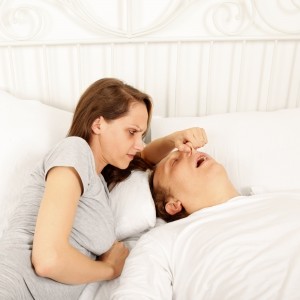
sleep apnea and dementia
karuka/Dollar Photo Club

Hundreds of millions of dollars are spent on dementia research annually. While many may not like my opinion, I think we’re throwing this money away.

To date, we have had very little in the way of a “cure.”  The research dollars continue to hit dead ends.

Here’s the problem.  By the time that someone is diagnosed with a neurodegenerative disorder, it is likely that he or she has already lost a large chunk of the dopaminergic cells of the substantia nigra (Parkinson’s) or the cells of the hippocampal region and the neocortex (Alzheimer’s dementia).  In these patients, the loss of brain cells has been going on for decades.  DECADES.

The process is a freight train going.

I do not think we will ever be able to stop this freight train.  Slow it down maybe:  studies on coenzyme Q10, magnesium, exercise and ginko biloba have demonstrated the ability to slow the progression of neurodegenerative disorders.

One thing, however, is very, very clear.

Prevention is possible.  We now have very clear cut risk factors for Alzheimer’s dementia.  And the vast majority of them are modifyable.  Very modifyable.  Smoker?  Quit.  Don’t exercise?  Start.  On your way to diabetes?  Change your diet and exercise.  Too much brainless TV?  Shut it off and challenge your mind.

This particular study adds yet another preventable risk factor to the list.

Sleep.  And lack of it.

And not just the take-a-pill-so-you-can-sleep sleep, but good quality, slow-wave sleep (SWS, non-REM stage N3).  Ironically, some drugs that you may take to help you sleep are actually interfering with your ability to hit the SWS stage of sleep.  Drugs like  fluoxetine (Prosac) and paroxetine (Paxil) have been shown to interfere with SWS sleep.

Researchers looked at a group of 167 Japanese American men in Honolulu, HI who were followed until their death and had their brains examined at autopsy.  Specifically, researchers were looking for signs of brain damage associated with cognitive loss and Alzheimer’s (Braak stage, neurofibrillary tangle and neuritic plaque counts, microinfarcts, generalized brain atrophy, lacunar infarcts, Lewy bodies, neuronal loss and gliosis in the locus ceruleus).

This brain damage was then compared to the results of a sleep study (polysomnography) done at the beginning of the study.  Here’s what they found: and died through 2010 (mean 6.4 years to death). Polysomnography measures included the apnea-hypopnea index, duration of apnea or hypopnea, duration of hypoxemia, minimum oxygen saturation (SpO2), duration of slow-wave sleep (SWS, non-REM stage N3), and arousals.

  • Sleep duration with oxygen saturation levels (SpO2) less than 95% was associated with a whopping 388% higher levels of microinfarcts (small strokes).
  • Greater SWS duration (in other words, better deep sleep) was associated with less 68% less atrophy in the brain.
  • Lewy bodies were 83% less common in those who had more sleep at 95% oxygen saturation or more.
  • Higher minimum oxygen saturation during REM sleep was associated with less gliosis and neuronal loss in the locus ceruleus (in English–less inflammatory cells and less dead brain cells were found in the region of the brain stem that deals with stress and our ability to respond to stress).
  • Cognitive scores declined less among men with greater SWS duration.

These are some pretty serious associations.  And it all fits into the picture of what we already know.  Prediabetes and diabetes are very closely associated with cognitive loss, dementia and Alzheimer’s.  Prediabetes and diabetes are also closely associated with sleep apnea.  So it just makes sense that sleep apnea and poor quality sleep would be linked to brain damage.

Brain damage.

That sounds serious.  AND, it sounds like it’s finally time to go get that sleep study done and find out if you need to be using a CPAP or BiPAP machine.  Your brain will thank you.
 

Filed Under: Alzheimer's, Sleep Apnea Tagged With: Alzheimers dementia, cognitive decline, CPAP, dementia, sleep apnea

Natural Remedies for Seizure Control: You Haven’t Heard This

October 18, 2014 by James Bogash

natural remedies for seizures
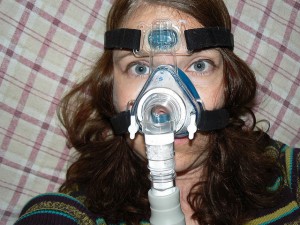
Photo courtesy of CPAP, sleep apnea, seizures, natural remedies for seizures, epilepsy

I’ve been reviewing research related to seizure control and brain health for many years now through the lens of natural medicine.

I still remember being in a consult with an epileptic patient with a very well-known neurologist to discuss natural methods to help control seizures.  Despite this particular neurologist’s association with one of the top healing physicians in the world, his did not feel that there was really much to be done for seizure control beyond medications.

I guess he could never really look beyond the deficiencies and brainwashing of his traditional medical, drug-oriented training to evaluate the power of natural approaches to seizures.

That was really sad for this particular patient.  And every other epileptic patient saddled to a neurologist (or epileptologist, for that matter) who believe antiepileptic drugs are the only answer.  They will spend their lives chasing one drug after another to find one that helps your seizures and has acceptable side effects.

But, if you’ve been lucky enough to partner up with someone who actually reads medical literature, you will find that there is a long list of approaches that have been documented in the medical literature that can help you better manage or even eliminate your seizures.

It is all about healing your brain.  If you experience seizures (or migraines or both) your brain is not functioning the way it is supposed to.  Messages are getting into cells that are not supposed to be.  Other messages that are supposed to be delivered to the cell don’t make it.  Your very brain cells are starved for energy so they can work the way it was intended.

Natural approaches to seizures take this into account.  I’ve covered many of them over the years, from vitamin D to exercise to fish oils.  Some are simple.  Others require an upheaval of your lifestyle.

But I have never covered the approach outlined in this particular study.

I guess, had I thought about it, sleep apea would have a strong association with seizures.  It’s a stress on the body and brain.  It’s linked to prediabetes (prediabetes leads to sleep apnea and sleep apnea worsens prediabetes) and prediabetes is really bad for the brain.  It starves brain cells of the oxygen it so desperately needs.  And, it occurs at night when the seizure threshold is lower.

Researchers looked at a group of 132 adults with epilepsy to evaluate them for sleep apnea to see whether the use of a CPAP had an effect on the number of seizures over the course of a year.  Here’s what they found:

  • Seventy-six (57.6%) of the group had obstructive sleep apnea (this is pretty darn high).
  • 73.9% of those in the PAP-treated group had more than a 50% seizure reduction in seizures (versus only 14.3% in the untreated sleep apnea patients—HUGE difference).
  • Overall, the PAP-treated group experienced a 58.5% reduction in seizures (versus 17.0% in the untreated sleep apnea group—again a HUGE difference).
  • 83.7% of those who had PAP-treated sleep apnea had a ≥ 50% seizure reduction or became seizure-free (versus 53.6% in those who did not have sleep apnea and 39.4% in those who had sleep apnea but did not use a PAP).
  • To put this in perspective, in those PAP-using sleep apnea adults, they were 9.9 times more likely to have a good outcome than those with untreated sleep apnea and 3.91 times those who did not have sleep apnea.
  • When measured in terms of seizure reduction, the group with PAP-treated sleep apnea were 32.3 times more likely to experience a ≥ 50% seizure reduction compared with the group with untreated sleep apnea and 6.13 times compared with the group with no sleep apnea.

These are some pretty serious numbers.  To flip everything around, it can be said that sleep apnea is very, very bad for the brain when left untreated.  If any of these fits you (whether or not you have seizures), it’s time you got checked out:

  • Chronic loud snoring
  • Witnessed apneic episodes or breathing pauses during sleep
  • Excessive daytime sleepiness
  • BMI > or equal to 28
  • Small jaw / small airway
  • Large neck size (at least 17” male, 15.5 female)
  • Family history of sleep apnea

In addition, your risk for sleep apnea is increased if you have high blood pressure, Type 2 diabetes or untreated hypothyroidism.

If any of the above fits you AND you are epileptic, given how much of a difference it made in this study, you need to get checked out for sleep apnea and get treatment (i.e. CPAP) if you have sleep apnea.

Filed Under: Seizures / Epilepsy, Sleep Apnea Tagged With: CPAP, epilepsy, natural remedies for seizures, seizures / epilepsy, sleep apnea

Obstructive Sleep Apnea: Can Sleep Disturbance Cause Seizures?

October 21, 2012 by James Bogash

Recent studies have linked sleep apnea and chronic headaches. Since migraines and seizures have similarities, can obstructive sleep apnea cause seizures?

Sleep is absolutely vital to the health of your brain.  During sleep, while our conscious mind may not be alert, this does not mean that our brain is inactive during this time. Far from it.

But sleep is not important because it allows your brain to relax, but rather because processing and healing occurs during sleep that we do not yet fully understand.  It is clear that lack of sleep is a strong trigger for those suffering from migraines and seizures.  For this reason, getting a good night’s sleep is essential for good brain health.

This task is not always as easy as it sounds for several reasons:

  1. In today’s stressed out world, chronic stress throws off normal cortisol rhythms, leading to higher cortisol levels at night, making sleep nearly impossible.
  2. Sleep apnea, both obstructive and central, make restorative sleep impossible.
  3. Our use of medications to help us sleep disrupts normal sleep patterns, potentially being linked to over half of a MILLION deaths per year.

As mentioned earlier, sleep problems have already been linked to chronic headaches and this particular study follows along these same lines as it relates to seizures.  Researchers looked at an epilepsy center and evaluated those patients with seizures for the presence of obstructive sleep apnea and found:

  1. Patients with epilepsy had a much higher incidence of OSA compared to the general population (15.2% vs. 4.41%)
  2. If patient’s seizures were well controlled, then older men with a higher seizure frequency were even more likely to suffer from obstructive sleep apnea.
  3. In those who did not have good seizure control (medically refractory), those with diabetes and snoring had a higher risk of obstructive sleep apnea.
  4. Treatment of obstructive sleep apnea with a CPAP machine in refractory epilepsy patients improved their seizure control.

Clearly there is a link between sleep problems and seizure control.  I would not be surprised at all if the hormone melatonin plays a pivotal role here.  Numerous studies over the years have linked melatonin with protecting the brain and helping with seizure control.  Sleep disturbances can be caused by a problem with melatonin production (or the timing of melatonin production) and, conversely, sleep problems can lead to altered production of melatonin in the brain.

The bottom line is that sleep is critical for normal brain health.  Whether you suffer from chronic headaches or uncontrolled seizures, sleeping has to be brought under control naturally.

The long term solution to sleep problems is stress management and exercise. Few things will restore a healthy sleep pattern as well as these two. In the short term, natural compounds like valerian root may be effective on an individual basis to calm the brain enough to allow sleep to occur naturally.

Melatonin, the hormone mentioned earlier, may also help to restore normal sleep patterns. Typical starting dosages are .5 mg an hour or so before the desired bedtime.

If you have had sleep disturbances in the past, how did you manage them?

Filed Under: Insomnia, Seizures / Epilepsy, Stress Tagged With: chronic headache, CPAP, epilepsy, melatonin, migraine, obstructive sleep apnea, seizure, sleep disturbance

Can Sleep Apnea Cause Headaches? Sleep Lab for Chronic Headaches

October 10, 2012 by James Bogash

Might the horrendous “gasping for air” sound sleep apnea sufferers make cause headaches? If this description fits your night, maybe it’s time to visit a sleep lab.

The brain is a very sensitive organ.  Bombard it with toxic chemicals from the environment, deprive it of fuel or stress it out and it’s not going to be happy with you.

The same goes for oxygen.  Decrease oxygen supply to the brain cells, even by the smallest amount, and you can trigger a headache. 

“But how?” you ask.

When it comes to keeping our brain cells happy and healthy one of the factors that plays a critical role is the ability to carry oxygen to our brains. If the brain doesn’t have enough oxygen, our mitochondria won’t be able to produce the energy (in the form of ATP) that we need, and the brain is not able to function the way it is supposed to.

So, any drop in the ability to deliver oxygen to the brain can create problems. This is exactly the state that many women experience in the second half of their menstrual cycles as the lining of the endometrium begins to build, removing red blood cells from circulation and reducing the ability of the blood to bring oxygen to the brain.

This can be a very subtle drop in red blood cell level, but given how sensitive the brain is to changes in oxygen levels, that can be enough to trigger a menstrual migraine in women who are already sensitive.

While we’re on the subject of reducing oxygen delivery to the brain, what about sleep apnea?

Ask anyone who’s slept next to someone with sleep apnea and they will tell you that it can be a scary experience.  The person can stop breathing many times per hour, leaving the other person in the bed unable to sleep, constantly ready to dial 911 if the breathing doesn’t resume this time…

This is a monumentally bad situation for our health.  And this is on top of the fact that most cases of central sleep apnea are caused by being prediabetic, which carries its own risk to our health.

Clearly this sleep apnea will both stress the body out as well as deprive the brain of oxygen.  As mentioned, this drop in oxygen is not received nicely by the neurons, as we can see from this particular study.

Researchers looked at a group of chronic head sufferers (chronic migraine without aura, episodic migraine without aura, migraine with aura, tension-type headache, chronic post-traumatic headache, medication overuse headache) and identified how many of these experienced sleep apnea.  Here are the findings:

  1. All patients were receiving standard treatment for their headaches by their neurologist.
  2. 63% of the chronic headache sufferers had obstructive sleep apnea (OSA).
  3. Of the patients with OSA, 63% used CPAP and 82% of these used the CPAP as prescribed.
  4. 49% of this group of patients had a positive response to therapy (meds or CPAP)
  5. Patients with OSA who using the CPAP were more likely to have improvement in headaches
  6. Of the 33 patients who used CPAP, 13 reported improvement in headaches specifically due to CPAP therapy.

Overall, this is some pretty strong stuff and would suggest that every chronic headache sufferer should be evaluated at a sleep lab for sleep apnea.  This is, of course, in addition to lifestyle changes designed to improve brain health.

If you use a CPAP and have suffered with chronic headaches, did using the CPAP help your headaches?


Filed Under: Migraine, Prediabetes, Sleep Apnea Tagged With: chronic headache, CPAP, headache, migraine, OSA, prediabetes, sleep apnea, sleep lab

Primary Sidebar

Patient Quick Guide

Schedule An Appointment
Contact Our Office
Download Patient Forms

Categories

Chiropractic Mesa Arizona

Arthritis Chiropractor Mesa AZ
Graston Technique Mesa AZ
Back Pain Chiropractor Mesa AZ
Back Pain Doctor Mesa AZ
Wrist Pain Chiropractor Mesa AZ
Rotator Cuff Chiropractor Mesa AZ
Shoulder Pain Chiropractor Mesa AZ
Knee Pain chiropractor Mesa AZ
Manipulation Under Anesthesia In Mesa AZ
Headache Chiropractor Mesa AZ
Chiropractic Mesa AZ
Stem Cell Therapy Mesa AZ
Regenerative Medicine Mesa AZ
Massage Therapist Mesa AZ
Shoulder Pain Doctor Mesa AZ
PRP Therapy Mesa AZ
Chiropractic Mesa AZ
Who Is The Top Chiropractor In Mesa AZ?
Knee Injury Doctor Mesa AZ?

Footer

Resources

Site Map
Disclosure
Additional Resources

Best Massage Therapist Mesa AZ
Arthritis Doctor Mesa AZ
Chiropractic Mesa AZ
Back Pain Doctor Mesa AZ
Rotator Cuff Doctor Mesa AZ
Chiropractor Mesa AZ
Massage Therapist Mesa AZ
PRP Therapy Mesa AZ
Knee Pain Doctor Mesa AZ
Stem Cell Therapy Mesa AZ
Headache Doctor Mesa AZ
Shoulder Pain Doctor Mesa AZ

Office

Lifecare Chiropractic
1830 S. Alma School Rd, Ste 135
Mesa, AZ 85210
(480)-839-2273
Also Serving Tempe, AZ

Get Directions

  • Home
  • About
  • Common Conditions
  • Additional Services
  • Testimonials
  • Blog
  • E-Books
  • Contact

Copyright © 2026 · LifeCare Chiropractic · All Rights Reserved.