• Skip to main content
  • Skip to primary sidebar
  • Skip to footer

LifeCare Chiropractic

The Best Chiropractic Care in Mesa, Arizona

  • Home
  • About
    • Why Lifecare?
    • About Dr. Bogash
    • Team Members
  • Common Conditions
    • Wrist Pain/Carpal tunnel syndrome
    • Elbow Pain/Epicondylitis
    • Headaches
    • Knee Pain and Knee Injuries
    • Low Back Pain
    • Shoulder Pain and Rotator Cuff Problems
  • Additional Services
  • Testimonials
  • Blog
  • E-Books
  • Contact

Uncategorized

OTC Drugs Can Be Harmful to the Unborn Child – (10-19-00)

February 22, 2014 by James Bogash

OTC Drugs Can Be Harmful to the Unborn Child

Pregnancy and lactation should be pristine times for a woman, leaving her body free of OTC drugs, prescription drugs, artificial preservatives and colourings. Throughout this period of development the fetus and infant are extremely susceptible to injuries from foreign chemicals which may permanently impair their health. Better safe than sorry…avoid ALL chemicals unless absolutely necessary.

Drug & Ther Perspect 16(3):12-1, 2000 As a general rule all drugs should be avoided during pregnancy. The risk of fetal toxicity far exceeds that of the mother because its undeveloped system is unable to efficiently eliminate drugs. Thus, the presumption of safety for the mother can not be applied to the fetus. There is a lack of data on the effects of OTC medication on fetal development and this, along with advertising by the pharmaceutical industry, may account for the increasing use of OTC medication during pregnancy. It has been estimated that about 50% of products taken during pregnancy are OTC medications. Maternal characteristics associated with increased OTC medication use during pregnancy include Caucasian race, smoking >20 cigarettes/day and consumption of alcohol. A number of currently available OTC products are associated with adverse fetal effects if taken during pregnancy. The effects of some OTC drugs on fetal outcome have not been established but these agents may have the potential to adversely affect the fetus (e.g. loperamide, cimetidine, imidazolines for nasal use). Loperamide, when administered to infants, produced paralytic ileus and drowsiness in 20% of recipients. Similarly, the potential for adverse fetal effects has been shown by cimetidine; there is substantial uptake of cimetidine by the fetus, it inhibits microsomal enzymes and it has been reported to produce fetal liver toxicity when used in late pregnancy. Although there is a lack of clinical data regarding the use of imidazolines for nasal decongestion during pregnancy, the potential for adverse fetal effects exists with these agents as they are vasoconstrictors. In addition to the active drug, OTC products contain inactive substances (excipients) such as dyes, sweeteners, flavouring or preservatives. These agents can initiate their own effects or potentiate the effects of the active drug. Excipients have been shown to produce adverse effects such as skin disorders, gastrointestinal problems and cardiovascular abnormalities in adults. Thus, the more vulnerable fetus may also be affected by these ingredients of OTC products.
Filed Under: Uncategorized Tagged With: OTC Drugs, pregnancy, Unborn Child

Long-term improvement in functional dyspepsia using hypnotherapy – (01-09-03)

February 16, 2014 by James Bogash

Long-term improvement in functional dyspepsia using hypnotherapy

While much of mainstream medicine has forgotten the contribution that stress makes to GI complaints, this article strongly reminds us of the power of the mind. In this study, after one year, 90% of patients treated w/ meds and 84% of patients treated w/ supportive care resumed medication usage. This is in stark contrast to the big fat goosegg percentage for the hypnotherapy group. Chalk another up for the power of the mind.

Read entire article here

Filed Under: Gastroenterology, Uncategorized Tagged With: Dyspepsia, hypnotherapy

Folate and vitamin B-12 and risk of fatal cardiovascular disease – (01-18-03)

February 16, 2014 by James Bogash

Folate and vitamin B-12 and risk of fatal cardiovascular disease

Here is a study that finds and recommends no benefit from supplementation on CVD. At first I was a little surprised, until I looked further into the study. The study did not look at supplementation and yet, in the summary, recommended that routine recommendation not be used until more studies are done. This study checked blood levels of folate and B12. However, we know that one of the main factors about whether supplementation will help is status of the MHTFR enzyme. In about 25% of the population, this enzyme has a difficult time converting folate into its active form 5-methyltetrahydofolate. If you want to find out if this is related, you need to check 5-MHTF levels in the blood and risk of CVD.

bmj.com Hung et al. 326 (7381): 131

Read entire article here

Filed Under: Uncategorized Tagged With: cardiovascular disease, folate, vitamin B-12

Baclofen on 24 hour pH metry and symptoms in GERD – (05-05-03)

December 2, 2013 by James Bogash

Baclofen on 24 hour pH metry and symptoms in GERD.

Okay, so it is interesting that a muscle relaxer such as baclofen has a beneficial effect on reflux disease. However, what I find particularly disconcerting is that this class of drugs raised the pH of the stomach (essentially lowered acid production). Given that many patients (with and many without GI complaints) do not make enough stomach acid, the fact that a drug unrelated (at least until this study..) to acid production would interfere with this essential physiologic action opens up a wide Pandora’s box of downstream mayhem.

Gut — Abstracts: Ciccaglione and Marzio 52 (4): 464

Filed Under: Uncategorized Tagged With: baclofen, GERD, muscle relaxer, reflux disease

Anti aging ebook

September 21, 2013 by James Bogash

Download “Anti-aging Strategies: Keeping Your Brain and Body Working to 80 and Beyond” for free this weekend!!

Filed Under: Uncategorized

DHEA Deemed ‘Effective Hormonal Replacement Treatment’ for Women – (09-10-01)

September 1, 2013 by James Bogash

DHEA Deemed ‘Effective Hormonal Replacement Treatment’ for Women

Getting the idea? As mentioned numerous times, I am against using hormones in the body as a first resort to replace hormones that are low. In peri and postmenopausal women, balancing adrenal steroidogenisis should be the first plan of attack. This along can increase DHEA levels without exogenous administration. This lets the body find its own level instead of modulating it from outside. If this is unsuccessful, than a trial of DHEA is warranted (can also be used if adrenocortical testing indicates adrenal exhaustion with no DHEA or cortisol being produced). The author comes to a dangerous conclusion at the end of the article, suggesting that DHEA should be moved from the supplement category to hormone replacement; this would take DHEA off the health food shelves.

Fertil Steril 2001;76:241-248 Treatment with dehydroepiandrosterone (DHEA) is similar to that with estrogen-progestin replacement therapy in its effects on several endocrine parameters in postmenopausal women, Italian physicians report. Dr. Alessandro D. Genazzani, now with the University of Modena, and associates from the University of Pisa treated 31 women with oral DHEA 50 mg daily for 6 months. The subjects were grouped according to age and body mass index. Hormone evaluations and a growth hormone releasing hormone (GHRH) test were performed before and after the trial. “Oral DHEA treatment annulled the differences observed between early and late postmenopause, including those strictly related to excess body weight,” the physicians write in the August issue of Fertility and Sterility. Plasma levels of steroids that derived from DHEA metabolism increased, as did osteocalcin, growth hormone (GH), and insulin-like growth factor 1 (IGF-1). Levels of luteinizing hormone and follicle stimulating hormone decreased. DHEA treatment was similar in its effect on the GHRH-GH-IGF-1 axis as treatment with estrogen-progestin, Dr. Genazzani’s group concludes. They recommend that DHEA be considered not just a diet supplement but an effective hormone replacement treatment.

Filed Under: Hormone, Uncategorized Tagged With: cortisol, DHEA, steroidogenisis

Download my diabetes eBook for FREE this weekend

August 22, 2013 by James Bogash

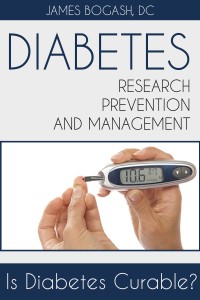
Diabetes Research, Prevention and Management: Is Diabetes Curable?

No strings attached.  Follow the link to download my 230 page eBook Diabetes Research, Prevention and Management: Is Diabetes Curable? this weekend only, Thursday through Sunday.

The only favor I ask is that you give it a fair and honest review on Amazon when you’ve had a chance to take a look at it.

Click here to download the eBook now 

Filed Under: Uncategorized

Download my diabetes eBook FREE this weekend!

August 22, 2013 by James Bogash

Diabetes Research, Prevention and Management: Is Diabetes Curable?

No strings attached.  Follow the link to download my 230 page eBook Diabetes Research, Prevention and Management: Is Diabetes
Curable? this weekend only, Thursday through Sunday.

The only favor I ask is that you give it a fair and honest review on Amazon when you’ve had a chance to take a look at it.

Click here to download the eBook for free now

Filed Under: Uncategorized

  • « Go to Previous Page
  • Page 1
  • Page 2
  • Page 3
  • Page 4
  • Page 5
  • Go to Next Page »

Primary Sidebar

Patient Quick Guide

Schedule An Appointment
Contact Our Office
Download Patient Forms

Categories

Chiropractic Mesa Arizona

Arthritis Chiropractor Mesa AZ
Graston Technique Mesa AZ
Back Pain Chiropractor Mesa AZ
Back Pain Doctor Mesa AZ
Wrist Pain Chiropractor Mesa AZ
Rotator Cuff Chiropractor Mesa AZ
Shoulder Pain Chiropractor Mesa AZ
Knee Pain chiropractor Mesa AZ
Manipulation Under Anesthesia In Mesa AZ
Headache Chiropractor Mesa AZ
Chiropractic Mesa AZ
Stem Cell Therapy Mesa AZ
Regenerative Medicine Mesa AZ
Massage Therapist Mesa AZ
Shoulder Pain Doctor Mesa AZ
PRP Therapy Mesa AZ
Chiropractic Mesa AZ
Who Is The Top Chiropractor In Mesa AZ?
Knee Injury Doctor Mesa AZ?

Footer

Resources

Site Map
Disclosure
Additional Resources

Best Massage Therapist Mesa AZ
Arthritis Doctor Mesa AZ
Chiropractic Mesa AZ
Back Pain Doctor Mesa AZ
Rotator Cuff Doctor Mesa AZ
Chiropractor Mesa AZ
Massage Therapist Mesa AZ
PRP Therapy Mesa AZ
Knee Pain Doctor Mesa AZ
Stem Cell Therapy Mesa AZ
Headache Doctor Mesa AZ
Shoulder Pain Doctor Mesa AZ

Office

Lifecare Chiropractic
1830 S. Alma School Rd, Ste 135
Mesa, AZ 85210
(480)-839-2273
Also Serving Tempe, AZ

Get Directions

  • Home
  • About
  • Common Conditions
  • Additional Services
  • Testimonials
  • Blog
  • E-Books
  • Contact

Copyright © 2026 · LifeCare Chiropractic · All Rights Reserved.