ANY CANCER SCREENING FAILS…We are so incredibly focused on treatment in this country that our definition of “prevention” has become so skewed as to believe that by finding something early we are “preventing” it. What’s smarter…moving the gas can without a cap from next to the gas water heater or putting up a smoke detector in the garage, in case it goes up in flames? Would anyone in their right minds consider a smoke detector as “preventative?” Just ask a fireman. So why do we accept a different, lower standard with our health? Mammography has rightfully come under fire and now we’re seeing that the PSA for prostate cancer is failing the litmus test as well. The sad thing is that, despite evidence of very significant harms, public health continues to recommend these screening tests and NOT advocate prevention. Both breast and prostate cancer are highly preventable, even if every member of your family has had terminal cases. Plant based diets, avoidance of processed foods, reduction in exposure to toxic chemicals (how many of you have your house sprayed for bugs?), exercise, Vit D and stress reduction all go a long way towards prevention of cancers, THAT WE HAVE NO GOOD SCREENING TOOLS FOR!
Cancer Tips
Mesa AZ Pain Relief Chiropractic Provides Insight
Another Cancer Screening Fails – We are so incredibly focused on treatment in this country that our definition of “prevention” has become so skewed as to believe that by finding something early we are “preventing” it. What’s smarter…moving the gas can without a cap from right next to the gas water heater or putting up a smoke detector in the garage in case it goes up in flames? Would anyone in their right minds consider a smoke detector as “preventative?” Just ask a fireman. So why do we accept a different, lower standard with our health?? Mammography has rightfully come under fire and now we’re seeing that the PSA for prostate cancer is failing the litmus test as well. The sad thing is that, despite evidence of very significant harms, public health continues to recommend these screening tests and NOT advocate prevention. Both breast and prostate cancer are highly, highly preventable even if every member of your family has had terminal cases of either (or both). Plant based diets, avoidance of processed foods, reduction in exposure to toxic chemicals (how many of you have your house sprayed for bugs?), exercise, Vit D and stress reduction all go a long, long, long way towards prevention of cancers THAT WE HAVE NO GOOD SCREENING TOOLS FOR!
AND YOU THOUGHT THE HEART PROBLEM WAS BAD NEWS
The problem with the way the body works and the way medicine is set up is that our bodies do not respect these artificial barriers of specialties. That means that, when we treat ourselves badly, it is not just one organ (i.e the heart) that is affected. It is not just diabetes that occurs. It is not just weak bones that occur. It is not just cancer.
The sad fact is that the risks for all of these track together. If you have one, you’ve got them ALL, just not always to the point of getting a named disease or condition.
In this particular study (and it’s not the first one along the exact same lines), researchers looked at patients who were found to have colorectal masses on colonoscopy. As if this isn’t bad enough news, in those patients who had mass, they had a much higher risk of also having heart blockages. The reverse was also tru–those having cardiac procedures (in this case angioplasty) had a much, much greater risk of having colorectal masses.
Herein lies the problem with using medications designed to treat a single disease. They are designed to address only ONE condition (and usually do a pretty poor job of even that). Lifestyle changes, on the other hand, cut across every disease state we know of.
Is Taking Folic Acid Dangerous? Breast Cancer Concerns
The question of folic acid fortification an issue that has been growing in the medical literature as it relates to risk of colon and breast cancer.
Unfortunately, as with most problems dealing with physiology, the ones who will ultimately be making recommendations (mainstream medicine and the mainstream media) will likely not have the background to fully understand the issue.
Folic acid (as well as the vitamins B12, B6, SAM-e and betaine) play a role in a process called methylation. Methylation does many things, one of which is adding a “tag” onto DNA to allow the right DNA to be expressed at the right time. In other words, this process makes sure that “liver” cells do not do “brain” stuff.
Sounds good, but there are certain genes that silence other genes (called tumor suppressor genes). If you suppress the suppressor of tumor growth, you can create a problem! Sound complicated? Then factor in the MTHFR genetic factor, and not enough folic acid will cause DNA damage to occur!
Which brings us to this particular article. In it, researchers looked at folic acid levels in the bloodstream and a woman’s risk of breast cancer based on estrogne receptor status. They found that women with the higher levels of folate acid in their blood had a 267% higher risk of estrogen receptor beta negative ERβ−) breast cancer.
So is folic acid good or bad for us?
First, supplementation aside, we should NOT be getting or folic acid from fortified breads and cereals, because these are refined and very bad for us. Second, a healthy overall lifestyle will avoid cancer growth regardless of folic acid status. Third, we should all try to find out what our MTHFR gene is so we know whether more or less folic acid is good for us. Most labs can now easily run this testing in a normal blood sample.
“Smoking Gun” of Childhood Leukemia and Lymphoma Found
When a 50 year old 3-pack-a-day smoker gets lung cancer, we all shake our head. But when it’s a 6 year old, only horror is felt.
Personally, I have always believed that childhood cancers come from a bad combination of genetic susceptibility and environmental chemical exposure. Either way, it is in no way, shape or form from decisions that the child has made. Unless, of course, the child independently decided to take up smoking at 3 and moved next to a nuclear waste dump against parental advice.
Personally, I have done everything possible to reduce or eliminate my family’s exposure to toxic chemicals. Selective vaccinations (yes—this little tidbit is glided over when describing the risks of vaccination…), no non-stick cookware, glass or stainless steel containers and glasses, no herbicides, no pesticides, organic foods when possible and only essential-oil based fragrances.
I remember a time when we had an ant infestation. There was a clear trail from outside directly to one of the dog bowls, where they had immersed themselves in the leftover dog food. Outside and along the inside of the molding I sprinkled grits. But since grits take some time to work, I remember crawling around on the floor with duct tape capturing all of the home invaders. My then-toddler thought it was a blast.
This is not the extent to which most people would go through to protect their family from toxins, but I’ve always had a distinct fear of toxic chemicals, regardless of how “safe” they have been declared. (BTW—the “safety” of most of the pesticides in use today have been determined by the companies that manufacture them)
Time and time again, my fears, when it comes to how much of an impact that toxic, everyday, household chemicals have on our healthy, have proven well-founded. This time is no different.
In this particular study, researchers looked across 13 different studies to evaluate the impact that pesticides used in the home have on the risk of childhood leukemia and lymphoma.
Of all the cancers, the blood-origin cancers, leukemia and lymphoma, are among the scariest. The solid tumors like breast, prostate, colon and pancreatic, have very well-defined lifestyle risk factors like diet and exercise. Not so with leukemia and lymphoma. Sure, your dietary choices play a role, but this role is not as great as the hidden chemical exposures that increase risk.
“Hidden” being the scariest word in that paragraph. Personally, I’m pretty well aware of where these hidden chemicals lie, but the average person is unaware of most. And the ones that we should be aware of and avoid are so commonly used that no one questions them.
Household pesticides are one of these chemicals, as we really see in the results of this study:
- Overall, indoor residential insecticide exposure was linked to a 47% higher risk of childhood leukemia and a 43% higher risk of lymphoma.
- Even worse, when both indoor insecticide exposure and professional home treatment exposure was present, this risk jumped 204% higher.
- The overall risk for all childhood cancer from indoor pesticide exposure in general was increased 40%.
These are some scary numbers, especially with the combination of professional and non-professional home use. I know that many of the pesticide companies will only spray outside the house, but I would still be worried. We really have no idea how much of these chemicals make it into the home.
And here’s the rub—at least here in the Phoenix area, there are a large number of pest prevention companies. It’s a thriving business. And this means that there are a large number of people in developed countries that are exposing themselves and their families to toxic chemicals that are known to increase the risk of childhood cancers.
Maybe the next time you see a cockroach running across the floor it’s not the time to run to the phone and call the exterminators.
Can This Simple Test Really Tell Me How Healthy I Am?
While no single test can give a complete picture of health, some tests are unquestionably a better part of looking at overall health.
Body composition testing using a 4 lead device (as opposed to handheld or stand-on body fat meters) can tell you how well hydrated you are, your body fat, your BMR (calories burned at rest) and how healthy your individual cells are.
Another measure it gives it a value called phase angle. While those who are not electricians can have a hard time grasping the technical stuff, the simple idea is that phase angle values give us an idea of how likely we are to survive bad stuff that happens to us–cancer, surgery, dialysis, AIDS, etc…
The higher the phase angle, the better. This particular study adds weight to the use of phase angle to determine how likelihood of survival with cancer. Specifically:
- Patients with a phase angle in the lower 5th percentile had ower nutritional and functional status, lower quality of life and increased mortality.
- The phase angle was also a stronger indicator of 6-month survival than were malnutrition and disease severity.
In other words, the standard indicators of cancer survival were not as good as something as simple as checking phase angle.
Call our office if you’d like to have this test done. It’s simple, quick and inexpensive ($25).
Mammography Screening; Still Think it Works to Save Lives?
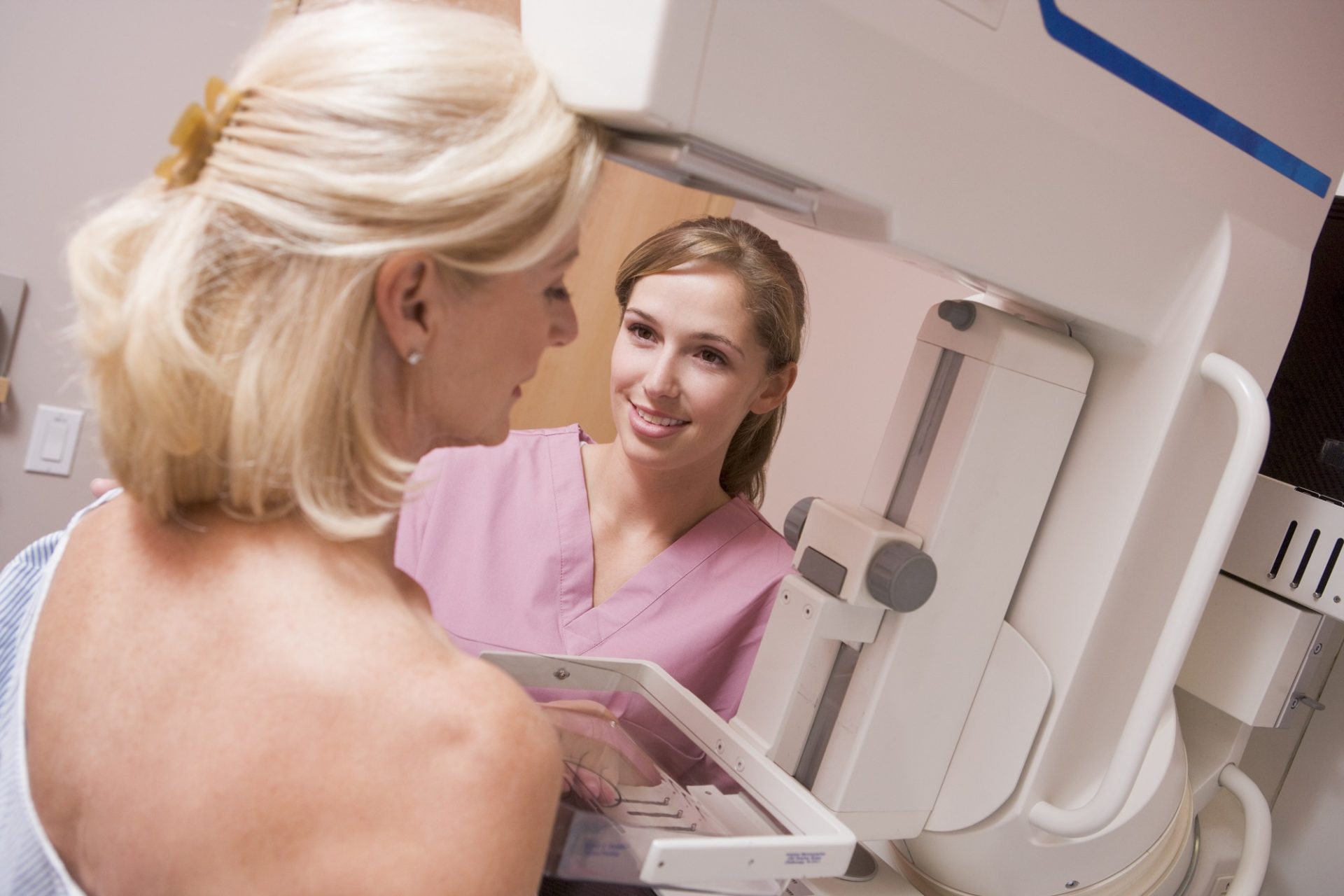
We live in a society that chooses early cancer detection over prevention and calls it a cure. I can sum it up no more clearly than that.
I am not advocating that mammography (and PSA testing while we’re at it…) is a bad thing. Certainly there are cases where the very first hint of anything was detected on a routine mammography. But this is not normally the case. For this we need to differentiate “mammography-detected” from “mammography-confirmed” results. In mammography-confirmed cases, this is where a suspicious lump or mass was detected by breast self exam or at the OB’s office. The mammography is then ordered just to further evaluate the mass.
However, this usually leads to the mammography getting the “credit” for detecting the mass although this is not really what happened. The pro-mammography people then chalk up another one for mammography saving lives.
For years, mammography reigned supreme as THE method to “prevent” breast cancer and saves lives. No one would question something so powerful and amazing for women’s health. Until someone did.
It was not until research started to emerge suggesting that many small tumors (most often of the DCIS-type) will actually resolve on their own. Without treatment.
That then raised the question of over detection and over treatment. That’s when all heck broke loose. When the dust settled around the studies looking at how often breast cancer was overdiagnosed, leading to massive levels of overtreatment, costs and lifetimes of emotional and treatment-related scars, those who were willing to accept the data realized that we were seeing the downfall of a generation of “prevention.”
However, the industries that were built on breast cancer detection and treatment were a wee bit loath to accept this new data, even going as far as to discount the USPTF’s recommendation for women 40-50 years of age to forgo routine mammography.
Just in case you’re still a solid believer in mammography and how much it benefits society and how this single intervention has completely turned the tide for women dying of breast cancer, let me present this particular study. In it, researchers looked at varying rates of mammography across the US to see if this had an impact on breast cancer survival rates.
In other words, if mammography is slashing breast cancer mortality rates and saving lives, than the areas of the country that have higher rates of mammography screening should have lower breast cancer mortality rates. Here’s what they found in this large study of 16 million women (40 years or older):
- As expected, the areas of the country that had higher rates of screening had higher rates of breast cancer incidence.
- However, screening rates had no impact on breast cancer mortality rates.
- For ever 10% increase in screening rates there were 16% more breast cancer diagnoses but no corresponding drop in breast cancer deaths.
- More screening led to higher rates of small breast cancers (≤2 cm) but there was no corresponding decrease in large breast cancers (>2 cm) found (in other words–more screening didn’t lead to cancers being detected earlier instead of advancing and being found at a later stage).
To put it more plainly, there is consistent evidence that mammography does NOT save lives, but does lead to the overdiagnosis of small breast “cancers” (keep in mind that DICS is not actually cancer, but really a pre-cancerous lesion).
All of this focus over the decades has been on mammography for “prevention” instead of educating the general public on how powerful lifestyle is for breast cancer prevention. I got a text from one of my colleagues just today saying that she was portrayed as the “bad guy” in a conversation when she suggested that lifestyle played a role in breast cancer.
In today’s day and age, with literally hundreds (if not thousands) of peer-reviewed medical research studies confirming links between breast cancer and lifestyle, this lack of knowledge on the part of the public is inexcusable. Period. And yet every person who is unaware that lifestyle plays a role in breast cancer will proudly stand up and declared that mammography saves lives and is the strongest form of breast cancer “prevention” known.
Should Our Children Be Eating Soy?
The is no doubt that the earlier a girl experiences menarche, the scarier it is. This greatly increases the risks of estrogen related cancers like endometrial and breast cancers.
Early menarche also means that the hormonal disturbances that caused the early onset of menses are NOT due to “Mother Nature-planned” physiological changes. In other words, hormonal disturbances are only the beginning of the problem. Overall, anything we can do to slow the onset of menarche the better.
In this particular study, researchers found that in girls, the higher her levels of isoflavones were (found principally in soy) the later they reached menarche. Seems strange, doesn’t it? The “they” who say soy is evil would have us believe that it is loaded with hormones that interfere with normal development, but in this study (and many others…) we actually see soy intake intake protecting normal development.
As usual, I have to include the typical disclaimer when talking about soy–not the processed, GMO laded textured vegetable protein that makes up the bulk of veggie burgers that you can buy in the grocery store. Rather, organic or GMO-free soy in all its forms–tofu, edamame, miso, natto, etc…