• Skip to main content
  • Skip to primary sidebar
  • Skip to footer

LifeCare Chiropractic

The Best Chiropractic Care in Mesa, Arizona

  • Home
  • About
    • Why Lifecare?
    • About Dr. Bogash
    • Team Members
  • Common Conditions
    • Wrist Pain/Carpal tunnel syndrome
    • Elbow Pain/Epicondylitis
    • Headaches
    • Knee Pain and Knee Injuries
    • Low Back Pain
    • Shoulder Pain and Rotator Cuff Problems
  • Additional Services
  • Testimonials
  • Blog
  • E-Books
  • Contact

Leukemia

“Smoking Gun” of Childhood Leukemia and Lymphoma Found

October 3, 2015 by James Bogash

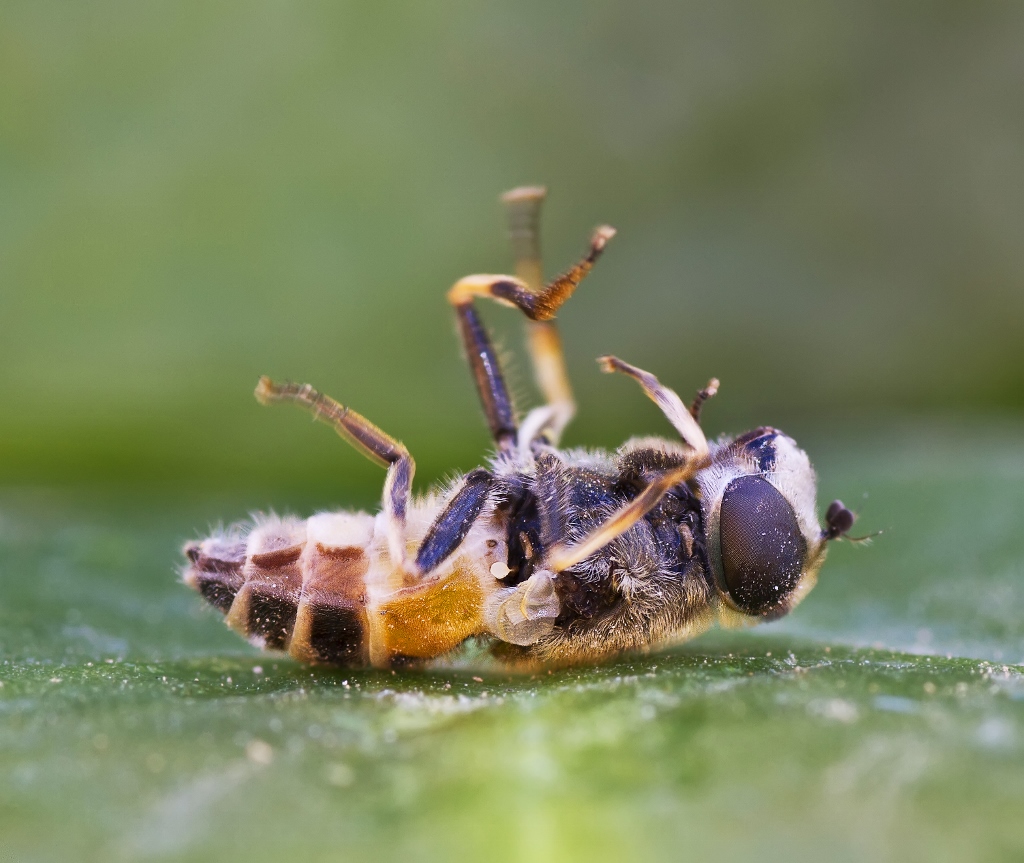
insecticides and childhood cancer
kesipun / Dollar Photo club

When a 50 year old 3-pack-a-day smoker gets lung cancer, we all shake our head.  But when it’s a 6 year old, only horror is felt.

Personally, I have always believed that childhood cancers come from a bad combination of genetic susceptibility and environmental chemical exposure.  Either way, it is in no way, shape or form from decisions that the child has made.  Unless, of course, the child independently decided to take up smoking at 3 and moved next to a nuclear waste dump against parental advice.

Personally, I have done everything possible to reduce or eliminate my family’s exposure to toxic chemicals.  Selective vaccinations (yes—this little tidbit is glided over when describing the risks of vaccination…), no non-stick cookware, glass or stainless steel containers and glasses, no herbicides, no pesticides, organic foods when possible and only essential-oil based fragrances.

I remember a time when we had an ant infestation.  There was a clear trail from outside directly to one of the dog bowls, where they had immersed themselves in the leftover dog food.  Outside and along the inside of the molding I sprinkled grits. But since grits take some time to work, I remember crawling around on the floor with duct tape capturing all of the home invaders.  My then-toddler thought it was a blast.

This is not the extent to which most people would go through to protect their family from toxins, but I’ve always had a distinct fear of toxic chemicals, regardless of how “safe” they have been declared.  (BTW—the “safety” of most of the pesticides in use today have been determined by the companies that manufacture them)

Time and time again, my fears, when it comes to how much of an impact that toxic, everyday, household chemicals have on our healthy, have proven well-founded.  This time is no different.

In this particular study, researchers looked across 13 different studies to evaluate the impact that pesticides used in the home have on the risk of childhood leukemia and lymphoma.

Of all the cancers, the blood-origin cancers, leukemia and lymphoma, are among the scariest.  The solid tumors like breast, prostate, colon and pancreatic, have very well-defined lifestyle risk factors like diet and exercise.  Not so with leukemia and lymphoma.  Sure, your dietary choices play a role, but this role is not as great as the hidden chemical exposures that increase risk.

“Hidden” being the scariest word in that paragraph.  Personally, I’m pretty well aware of where these hidden chemicals lie, but the average person is unaware of most.  And the ones that we should be aware of and avoid are so commonly used that no one questions them.

Household pesticides are one of these chemicals, as we really see in the results of this study:

  • Overall, indoor residential insecticide exposure was linked to a 47% higher risk of childhood leukemia and a 43% higher risk of lymphoma.
  • Even worse, when both indoor insecticide exposure and professional home treatment exposure was present, this risk jumped 204% higher.
  • The overall risk for all childhood cancer from indoor pesticide exposure in general was increased 40%.

These are some scary numbers, especially with the combination of professional and non-professional home use.  I know that many of the pesticide companies will only spray outside the house, but I would still be worried.  We really have no idea how much of these chemicals make it into the home.

And here’s the rub—at least here in the Phoenix area, there are a large number of pest prevention companies.  It’s a thriving business.  And this means that there are a large number of people in developed countries that are exposing themselves and their families to toxic chemicals that are known to increase the risk of childhood cancers.

Maybe the next time you see a cockroach running across the floor it’s not the time to run to the phone and call the exterminators.


Filed Under: Environmental, Healthy Kids, Tumors and General Cancer Tips Tagged With: Childhood cancer, Leukemia, Lymphoma, Pesticide

More Evidence Supports Infectious Cause of Childhood Leukemia (04-23-01)

June 27, 2013 by James Bogash

More Evidence Supports Infectious Cause of Childhood Leukemia

Here we see another example of the theory that many of today’s chronic diseases (in which I classify cancer…) have multiple etiologies. Infectious origins have been suggested for many diseases, including heart disease, rheumatoid arthritis and multiple sclerosis. This study looks at the exposure of children in Scotland to servicemen during WWII and the subsequent increase in leukemia in this population. Leading a healthier lifestyle will lower your risk of many types of diseases as well as boost your immune system at the same time. Could it be that this boost in immune function is actually the route by which healthier lifestyles lower the risk of certain diseases?

Lancet 2001;357:858 UK investigators have documented a significant increase in childhood leukemia deaths in an isolated rural population exposed to servicemen stationed nearby during World War II. The findings support the theory, they say, that an infectious agent is responsible for childhood leukemia. Drs. Leo J. Kinlen and A. Balkwill, both of the University of Oxford, examined death registries for two complete cohorts from Orkney and Shetland, in Scotland. The first cohort consisted of all 8574 children up to age 14 living on those two islands in 1941, plus 3690 children born there between 1941 and 1945. The postwar cohort consisted of 6478 children born in Orkney and Shetland from 1946 to 1955. During the war, up to 60,000 servicemen were stationed on the two islands, with an additional 40,000 stationed aboard a ship near Orkney. Local residents numbered fewer than 45,000. The researchers documented a 3.6-fold increase in leukemia deaths in the wartime group, whereas in the postwar cohort, followed until 1970, there was no increased risk of leukemia compared with age-specific leukemia mortality rates for Scotland. Drs. Kinlen and Balkwill explain that there was a great deal of contact between local people and servicemen during wartime “through regular social events, servicemen buying local produce, and local people working for army camps.” In addition, they note, “outside populations consisted almost wholly of adults, which points to their relevance in the transmission of the infection underlying childhood leukemia.” “Childhood leukemia must be a rare response to the underlying infection,” they suggest, adding that the agent or agents involved have yet to be determined.

Filed Under: Cancer Tagged With: arthritis, chronic diseases, heart disease, Leukemia, multiple sclerosis

ANIMAL EXPOSURES AND RISK OF NON-HODGKIN’S LYMPHOMA – (05-25-09)

February 11, 2012 by James Bogash

Domestic and Farm-Animal Exposures and Risk of Non-Hodgkin’s Lymphoma

Some pretty surprising results in this study. I’ve always considered the lymphomas and leukemias some of the harder cancers to strongly prevent (as opposed to solid tumors like breast, colon, prostate, pancreatic), but this study finds some very strong protective effects of dog and cat ownership (up to 42% reduced risk). As an owner of 4 dogs, I have my opinions on this one.

This protective effect may be from immune system modulation that we know occurs with pet exposure (the hygiene hypothesis) or it may be purely stress reduction from close animal contact. Either way, this review strongly supports the concept of dog and cat ownership as a protection against lymphoma.

Read entire article here

Filed Under: Cancer Tips Tagged With: cancer, immune systems, Leukemia, Lymphoma

WILL MY MULTIVITAMIN CAUSE CANCER?

November 1, 2011 by James Bogash

It certainly seems like the vitamin world has come under mass attack (more on this in a later post), with accusations flying that vitamins cause heart disease, cancer and maybe even impotence (ok…maybe I didn’t read this one and just threw it in for effect..). But do vitamins really cause cancer?

First of all, we need to cover what a multivitamin (MVM) is not. It is NOT and never has been a replacement for a good quality diet. A MVM is merely an insurance policy to fill in the gaps of nutrient need when diet quality may be a little low for a meal, when stress levels are elevated or even when our body’s exposure to toxins from the environment are high and we need extra help to detoxify.

Many MVM opponents have stated that, with a MVM, you are merely urinating out the vitamins (i.e. making expensive urine). However, consider this. One of the MVM that we offer here at the clinic is particularly high in B vitamins. Riboflavin (B2) is a yellow pigment that can give urine a characteristic glow after taking it in a supplement form. Patients who take this MVM clearly state that it imparts a near glow0in-the-dark color to their urine, but there are days when taken the same number of capsules under the exact same scenarios does NOT lead to urine color changes. What does this mean? That some days our demand for riboflavin is higher than other days. On the higher demand days the riboflavin is used by the body and little is left to show up in the urine.

So, would you rather have normal urine (without a MVM) but not have the riboflavin at high demand times, or would you rather have “expensive urine” but have that extra riboflavin when your body needs it? While we are just using riboflavin as an example, a good quality MVM would obviously expand out on this concept to include many other nutrients.

Understanding this concept, we can envision that a good quality MVM could protect in a multitude of ways, filling in the gaps of short term deficiency whenever needed. There have been many studies over the years that have supported the use of a MVM in chronic disease prevention:

  • MVM use results in longer telomeres
  • MVM improves mood and behavior in children
  • MVM lowers the risk of a heart attack
  • MVM lowers inflammation as CRP

It bears mentioning that none of these studies have included an evaluation of the quality of the supplement itself. Factors like dosage (1 / days are generally considered inferior), forms of the vitamins and minerals (carbonates, oxides are not as well absorbed), presence of unwanted chemicals (such as colorings, preservatives or flavorings) and the dosages of the vitamins (real values vs limiting to just the RDA to prevent scurvy and beriberi). It is likely that studies limited to higher quality MVM would produce even better outcomes.

All this being said, this particular study looked at whether certain vitamins and supplements could lower the risk of hematological cancers. Garlic, grape seed extract and MVM were associated with a lower risk (45, 43 and 20% lower risk respectively) of developing these cancers. Not too shabby. So, based on this study, vitamins do not cause cancer, but rather protect against cancer.

Filed Under: Cancer, Vitamins and Supplements 101 Tagged With: cancer, Leukemia, Lymphoma, multivitamin

Primary Sidebar

Patient Quick Guide

Schedule An Appointment
Contact Our Office
Download Patient Forms

Categories

Chiropractic Mesa Arizona

Arthritis Chiropractor Mesa AZ
Graston Technique Mesa AZ
Back Pain Chiropractor Mesa AZ
Back Pain Doctor Mesa AZ
Wrist Pain Chiropractor Mesa AZ
Rotator Cuff Chiropractor Mesa AZ
Shoulder Pain Chiropractor Mesa AZ
Knee Pain chiropractor Mesa AZ
Manipulation Under Anesthesia In Mesa AZ
Headache Chiropractor Mesa AZ
Chiropractic Mesa AZ
Stem Cell Therapy Mesa AZ
Regenerative Medicine Mesa AZ
Massage Therapist Mesa AZ
Shoulder Pain Doctor Mesa AZ
PRP Therapy Mesa AZ
Chiropractic Mesa AZ
Who Is The Top Chiropractor In Mesa AZ?
Knee Injury Doctor Mesa AZ?

Footer

Resources

Site Map
Disclosure
Additional Resources

Best Massage Therapist Mesa AZ
Arthritis Doctor Mesa AZ
Chiropractic Mesa AZ
Back Pain Doctor Mesa AZ
Rotator Cuff Doctor Mesa AZ
Chiropractor Mesa AZ
Massage Therapist Mesa AZ
PRP Therapy Mesa AZ
Knee Pain Doctor Mesa AZ
Stem Cell Therapy Mesa AZ
Headache Doctor Mesa AZ
Shoulder Pain Doctor Mesa AZ

Office

Lifecare Chiropractic
1830 S. Alma School Rd, Ste 135
Mesa, AZ 85210
(480)-839-2273
Also Serving Tempe, AZ

Get Directions

  • Home
  • About
  • Common Conditions
  • Additional Services
  • Testimonials
  • Blog
  • E-Books
  • Contact

Copyright © 2026 · LifeCare Chiropractic · All Rights Reserved.