• Skip to main content
  • Skip to primary sidebar
  • Skip to footer

LifeCare Chiropractic

The Best Chiropractic Care in Mesa, Arizona

  • Home
  • About
    • Why Lifecare?
    • About Dr. Bogash
    • Team Members
  • Common Conditions
    • Wrist Pain/Carpal tunnel syndrome
    • Elbow Pain/Epicondylitis
    • Headaches
    • Knee Pain and Knee Injuries
    • Low Back Pain
    • Shoulder Pain and Rotator Cuff Problems
  • Additional Services
  • Testimonials
  • Blog
  • E-Books
  • Contact

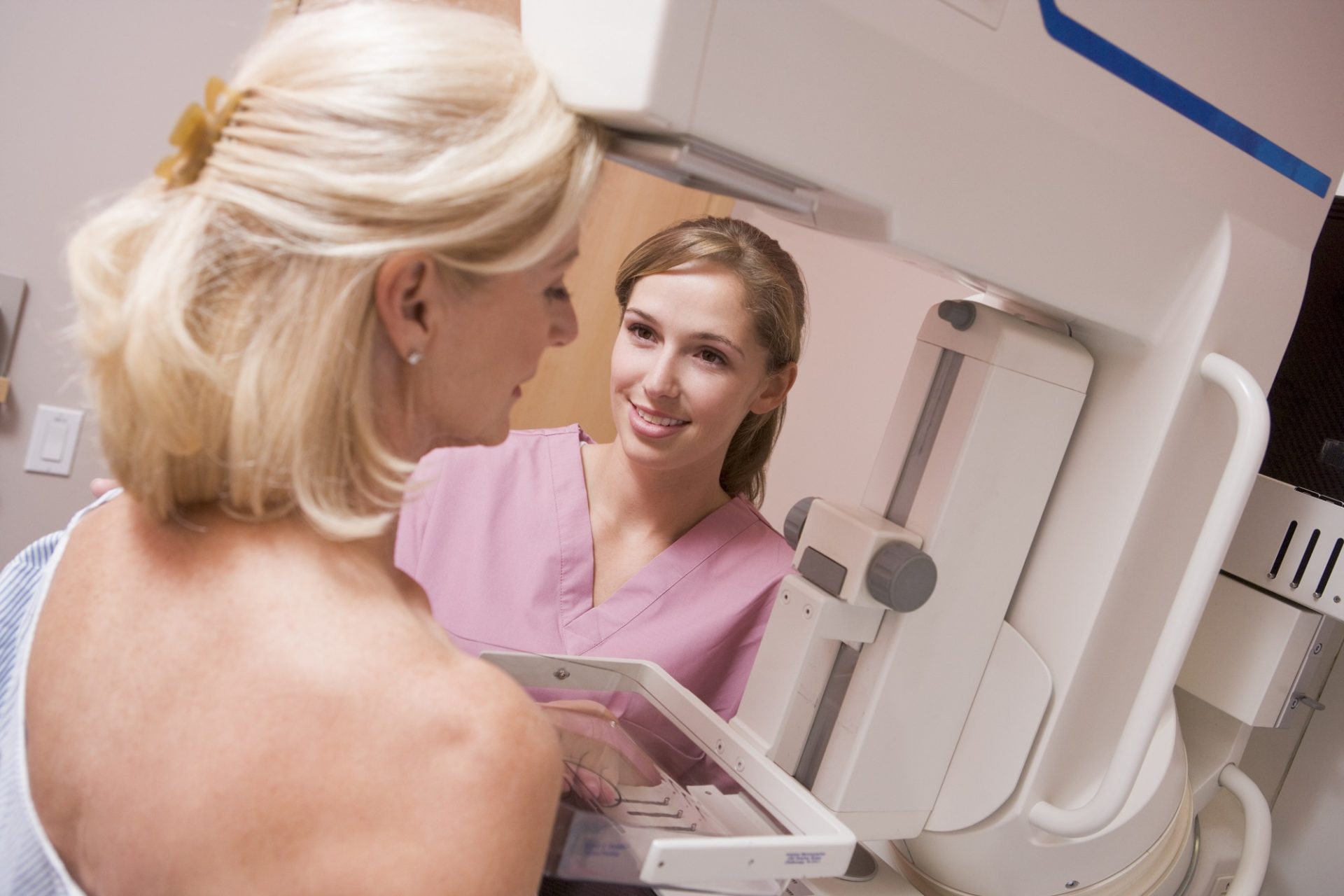
mammography

Mammography Screening; Still Think it Works to Save Lives?

September 20, 2015 by James Bogash

breast cancer overdiagnosis
Monkey Business / Dollar Photo Club

We live in a society that chooses early cancer detection over prevention and calls it a cure.  I can sum it up no more clearly than that.

I am not advocating that mammography (and PSA testing while we’re at it…) is a bad thing.  Certainly there are cases where the very first hint of anything was detected on a routine mammography.  But this is not normally the case.  For this we need to differentiate “mammography-detected” from “mammography-confirmed” results.  In mammography-confirmed cases, this is where a suspicious lump or mass was detected by breast self exam or at the OB’s office.  The mammography is then ordered just to further evaluate the mass.

However, this usually leads to the mammography getting the “credit” for detecting the mass although this is not really what happened.  The pro-mammography people then chalk up another one for mammography saving lives.

For years, mammography reigned supreme as THE method to “prevent” breast cancer and saves lives.  No one would question something so powerful and amazing for women’s health.  Until someone did.

It was not until research started to emerge suggesting that many small tumors (most often of the DCIS-type) will actually resolve on their own.  Without treatment.

That then raised the question of over detection and over treatment.  That’s when all heck broke loose.  When the dust settled around the studies looking at how often breast cancer was overdiagnosed, leading to massive levels of overtreatment, costs and lifetimes of emotional and treatment-related scars, those who were willing to accept the data realized that we were seeing the downfall of a generation of “prevention.”

However, the industries that were built on breast cancer detection and treatment were a wee bit loath to accept this new data, even going as far as to discount the USPTF’s recommendation for women 40-50 years of age to forgo routine mammography.

Just in case you’re still a solid believer in mammography and how much it benefits society and how this single intervention has completely turned the tide for women dying of breast cancer, let me present this particular study.  In it, researchers looked at varying rates of mammography across the US to see if this had an impact on breast cancer survival rates.

In other words, if mammography is slashing breast cancer mortality rates and saving lives, than the areas of the country that have higher rates of mammography screening should have lower breast cancer mortality rates.  Here’s what they found in this large study of 16 million women (40 years or older):

  • As expected,  the areas of the country that had higher rates of screening had higher rates of breast cancer incidence.
  • However, screening rates had no impact on breast cancer mortality rates.
  • For ever 10% increase in screening rates there were 16% more breast cancer diagnoses but no corresponding drop in breast cancer deaths.
  • More screening led to higher rates of small breast cancers (≤2 cm) but there was no corresponding decrease in large breast cancers (>2 cm) found (in other words–more screening didn’t lead to cancers being detected earlier instead of advancing and being found at a later stage).

To put it more plainly, there is consistent evidence that mammography does NOT save lives, but does lead to the overdiagnosis of small breast “cancers” (keep in mind that DICS is not actually cancer, but really a pre-cancerous lesion).

All of this focus over the decades has been on mammography for “prevention” instead of educating the general public on how powerful lifestyle is for breast cancer prevention.  I got a text from one of my colleagues just today saying that she was portrayed as the “bad guy” in a conversation when she suggested that lifestyle played a role in breast cancer.

In today’s day and age, with literally hundreds (if not thousands) of peer-reviewed medical research studies confirming links between breast cancer and lifestyle, this lack of knowledge on the part of the public is inexcusable.  Period.  And yet every person who is unaware that lifestyle plays a role in breast cancer will proudly stand up and declared that mammography saves lives and is the strongest form of breast cancer “prevention” known.

Filed Under: Breast Cancer Tagged With: breast cancer, breast cancer detection, Breast Cancer Prevention, breast cancer statistics, mammography

The Mammography Debate Continues; Are You a Victim?

May 22, 2015 by James Bogash


breast cancer overdiagnosis
Monkey Business / Dollar Photo Club

Society and medicine are very slow to adapt and change.  This may be fine in some situations, but when it comes to mammography and breast cancer, the consequences are extreme.

The story needs to start with what exactly constitutes “breast cancer.”  The two most common types are lobular and ductal carcinomas.    Both of these have invasive and is-situ versions.  There is no doubt that the invasive forms of both are scary situations.  With the in-situ types, the abnormal cells have not penetrated beyond the surface of the cells.

You’ll notice I did NOT call this cancer.

In-situ is a precancerous state.  It is NOT cancer, although it does indicate that your current state of health is in jeopardy and that the risk of developing invasive cancer in the future is high.  Overall, though, only a small percentage of women with DCIS will progress to invasive ductal carcinoma.  Some 15% of women have DCIS found at autopsy; meaning that these women died WITH DCIS not FROM DCIS.

But what happens when you get diagnosed with DCIS?  All the scary things that you think about—the worry, the discussions with family, the surgery, the chemo, the radiation and the lifelong damage that you carry from this pattern of treatment.

Let’s put this in perspective.

  • You have an abnormal PAP screen. Your doctor immediately gets you in for a surgical removal of your uterus and ovaries, followed by chemo and radiation.
  • Your dermatologist removes a small lesion on your skin by burning it off, just to be safe. But, just to be REAL safe, you undergo PET scans and biopsies to make sure nothing has spread followed by chemo and radiation.
  • You come out of your colonoscopy and your GI doc said they took out a small polyp. He then immediately schedules you for a colon resection with follow up chemo and radiation.

Of course these 3 scenarios sound like massive overkill a ridiculous approach to treatment.  But they are NO different then what we do with ductal carcinoma in situ.  When women are told that this is cancer (which it is NOT, it is precancerous) the entire psychological impact of the “C” word comes into play.

Every statistic related to DCIS will tell you that it accounts for about 20% of breast cancer cases and that the incidence of DCIS has been increasing over the past few decades.  This increase mirrors the increase in the public health recommendations to increase mammogram screenings.

Here’s the rub.  Despite this increase in DCIS and the increased number of women undergoing breast cancer treatment, the overall mortality rate from breast cancer has not changed.  Should raise some questions, don’t you think?

Should we be aggressively treating DCIS that, in most cases, will never create a problem?

Some women would prefer the aggressive treatment just on the off-chance that the aggressive treatment will save them in the future.  Think Angelina Jolie.

Just in case you are in this camp of taking the aggressive treatment, this particular article really helps put everything in perspective.  In it, researchers looked at the substantial harms associated with overdiagnosis associated with mammography and the medical and societal costs from this overdiagnosis.

The researchers looked at the cost data from a major healthcare insurance carrier covering some 700,000 women 40 to 59 years old, who had undergone routine mammograms from 2011 to 2013.  Here’s what they found:

  • 11% of the routine screening mammograms resulted in false positives.
  • The translates to 3.2 million receiving false positive mammograms each year, at a cost of $2.8 billion annually (yes—with a “B”).
  • Of the true cancers detected, with an accepted overdiagnosis rate of 22% (based on previous studies), 20,116 women would be overdiagnosed with invasive breast cancer, at a cost of $1 billion each year.
  • For DCIS, the rate of overdiagnosis is a shocking 86%. With these numbers for DCIS the estimated the cost of DCIS overdiagnosis nationwide to be $243 million.
  • Put together, they estimated costs of $1.2 billion in overdiagnoses for both invasive breast cancer and DCIS and another $2.8 billion for the workup and treatment costs associated with false positives.

These are serious numbers.  This may help you understand why so many groups were against the recommendations to stop routine screening women under age 50.  There’s a LOT of money to be lost.  These groups continue to shout from the mountaintops that routine screening should be done and the mounting evidence demonstrating significant harm from routine mammography is all hogwash.

No one seems to be taking you, the female patient, into consideration.

The best discussion between you and your doctor would be one that discusses the very real and very likely chance that you will be diagnosed with a condition that will never harm you.  This should take into account your family history, lifestyle factors and age.  This discussion should then naturally steer towards what lifestyle choices you should choose to dramatically lower your personal risk of breast cancer.

If this is NOT the discussion you are having with your primary care physician, then maybe it’s time to find a new one.


Filed Under: Breast Cancer Tagged With: breast cancer overdiagnosis, DCIS, ductal carcinoma in situ, mammography

Mammography no better than physical breast examination – (10-30-00)

February 23, 2014 by James Bogash

Mammography no better than physical breast examination, study shows

There has been some debate recently in the medical literature as to whether or not a benefit clearly saves lives. Depending upon the research study you look at, mammography either extends survival or has no effect. And the jury is still out. The bottom line…avoid the issue with detection. Prevention is, has been, and always will be the best answer. Avoid saturated fats, alcohol, refined carbs and hormone replacement therapy. Get plenty of exercise and calcium-d-glucarate from fruits and veggies…

bmj.com 321 (7264): 788e

Read entire article here

Filed Under: Hormone Tagged With: breast examination, Hormone replacement therapy, mammography

Mammography Takes a Major Hit—Again

February 22, 2014 by James Bogash

This is not the first time I’ve addressed the highly emotional topic of mammography, both in general and in women from 40-49 years of age.

I found it disappointing that, despite strong evidence suggesting that screening mammography actually led to greater harm, especially in the 40-49 year age group, the groups that had financial ties to mammography pretty much ignored the data and stated that they were going to continue business as usually. This included the Komen Foundation, the American Cancer Society and numerous radiological associations in the United States.

If these groups essentially admitted that mammography had questionable value, they would be going back on everything they stood for. This groups made it their major purpose to make sure every single woman had access to and received her annual mammogram. To now turn around and say, “Ummm…we MAY have been wrong about that whole getting a mammogram thing…” would devastate these organizations and their resultant credibility.

So they all came up with their reasons why some of the most recent and well designed studies were wrong. Never once was there a discussion that the data may actually have been accurate. And, without screening mammography as “prevention,” what exactly do these groups have to offer? These groups are very weak on prevention, and saying that early detection by mammography is worthless pretty much leaves true prevention via lifestyle as the only answer.

You can see the dilemma.

For all the reasons they gave that mammography still has value, this particular study makes this position even more tenuous. Here are the details of this study:

  • The study was done on 89 835 women, aged 40-59 in Canada were randomly assigned to either annual mammography or no mammography.
  • Women aged 40-49 in the mammography arm also had annual breast exams, but those in the control group only had a single exam followed by whatever normal care they would receive.
  • All women aged 50-59 in both groups received annual physical breast examinations.

This group of women were then followed for the extended period of 25 years to see how many actually died as a result of breast cancer. Here’s what they found:

    During the initial 5 years of the study, 666 invasive breast cancers were diagnosed in the mammography group and 524 in the controls.

  • In this same 5 years, 180 women in the mammography group and 171 women in the control group died of breast cancer.
  • The risk of dying of breast cancer was almost identical.
  • After the full 25 years, 3250 women in the mammography group and 3133 in the control group were diagnosed with breast cancer.
  • Overall, in 25 years, 500 in the mammography group and 505 controls died of breast cancer.

From this study, which was able to successfully address the limitations found in other studies not showing a benefit, there was no difference in those who received a mammography versus those who did not.

Ok. So it’s all equal. Let everyone make their money and keep everything running as it is. Everyone’s happy.

Everyone, that is, except for the 106 women who were over-diagnosed with breast cancers that were never going to cause any problems but were treated anyway. The proverbial “won’t you don’t know won’t hurt you.” Worse, this study only looked at invasive breast cancers (the scarier type) and NOT ductal carcinoma in situ (DCIS). DCIS accounts for 25% of the cancers detected by mammography. Had this study included the numbers of overdiagnosis associated with DCIS found on mammography, this 106 number would go up greatly. Just looking at the invasive breast cancer, there was an overdiagnosis for every 424 women screened. And, as mentioned, if DCIS was included, this number is likely to be much higher.

The conclusion of the authors says it all: “Our data show that annual mammography does not result in a reduction in breast cancer specific mortality for women aged 40-59 beyond that of physical examination alone or usual care in the community. The data suggest that the value of mammography screening should be reassessed.”

For a procedure that serves as the cornerstone for mainstream medicines’ “prevention” of cancer, this is a big hit. Sadly, I don’t think we will see any real changes occur in our lifetimes. There is just WAY too much money to be lost.

Filed Under: Breast Cancer Tagged With: breast cancer news, Breast Cancer Prevention, cancer, mammography, prevent breast cancer

Have Breast Implants? 3 Things to Know About Your Breast Cancer Risk

August 31, 2013 by James Bogash

I’m going to need to tread lightly on this one because  I can understand, from an evolutionary standpoint, the near irresistible pull of the eyes towards the natural as well as the aftermarket products.

But underneath it all, regardless of how they look, we still need to be concerned about protecting the breast against the scourge that is breast cancer.

As a way of background, breast augmentation in the US is the most popular cosmetic procedure performed, numbering 307 000 surgeries in 2011, an increase of approximately 800% compared with the early 1990s.  I’m pretty sure almost all of these are done here in Scottsdale, AZ, which explains the expensive European sports cars in the medical buildings here.

Early on, there were many concerns over the initiating of an autoimmune reaction to silicone implants, but research over the years has not found great evidence to support this notion.  What has been clear, though, is that the density of the implants get in the way of interpreting mammography studies (as well as jump roping, but that is beyond the scope of this article).

According to this particular study, this creates a problem.  A 26% problem to be exact.  Researchers looked across multiple studies to get a clearer picture of whether implants led to a greater risk of being diagnosed with breast cancer at a later stage.  As mentioned, they found a 26% higher risk that women with implants versus women who did not have implants would be diagnosed at a stage that has metastasized.

Worse, the researchers looked at another group of studies on the actual survival rates in women with implants who developed breast cancer.  Overall, there was a 38% lower risk of 5-year survival in these studies.

Now, lest you are already picking up the phone to call your plastic surgeon to schedule their removal, there are a very important things I need to point out:

  1. The authors noted some concerns with the studies themselves that were looked at, and so it may be too early to draw firm conclusions.
  2. Overall, your individual risk of surviving breast cancer does not change much, about 88% survival down to 84%.
  3. Regardless of how it plays out, breast cancer is highly, highly preventable.  This means that, as a proud implant owner, there is less leeway for unhealthy behaviors leading to an increased risk of breast cancer.

The long list of thing you can do to lower your risk of breast cancer is beyond the scope of this post, but you can read more about these by looking through previous articles by clicking here.

So, if you already have implants and have no desire to have them removed, it’s time to evaluate your lifestyle and make the necessary changes.  It’s not an option.

Filed Under: Breast Cancer Tagged With: breast augmentation, Breast Cancer Risk, breast cancer survival, breast implants, mammography

Breast Cancer News: 4 Things Women Under 40 NEED to Know

April 1, 2013 by James Bogash

Given that I’m running about a 3 week backlog on emails, you’ve probably heard this information before because it’s been all over the news.  Regardless, it does not get any scarier then this.

I will try not to sound like a scaremonger, but I have frequently mentioned that we have not begun to see the tip of the chronic disease iceberg yet.  With the exception of pockets of healthy individuals, our lifestyles continue to degenerate at a time we are exposed to more processed foods and environmental chemicals.  Children being born today are exposed in the womb and grow up in a toxic environment.

The list of chronic diseases contains the usual players, but when it comes to cancer, the story is a little different.

I have certainly given my opinion on the research as it relates to breast cancer prevention and early detection methods like mammography.  Mammography has been the center of a heated debate recently due to the unacceptably high number of false positives combined with the number of women who were diagnosed with breast cancers that would have resolved without any treatment.  I have covered this concept in a previous blog article that can be read by clicking here.

While all this debate has been going on, no one has focused on the true problem, which is the shoddy effort at educating women about how to prevent breast cancer.  You see, without this education, the rates of women with breast cancer can only increase.  The recent debate over mammography has to do with whether women aged 40-50 should get a mammography, and we’ve wasted an awful lot of energy and resources on the debate.

In the meantime, some scary stats are emerging in the background that are completely unaffected by the debate on whether to perform mammography on women 40-50 years of age.  The rates of more advanced breast cancer cases is on the rise in the 25-39 age group.

This particular study looked at what was happening in the rates of breast cancer in this age group from 1976 until 2009.  Here’s what they found:

  • Breast cancer with metastasis at diagnosis increased 2.07% per year
  • The steepest increase was from 2000-2009, during which incidence rose 3.6% per year.
  • There was no stage migration found (in increase in another stage of cancer due to better diagnostic tools) from regional, localized, or in situ categories, none of which had a decline in incidence at any time since 1976.

So what does all this mean?

  1. Stage IV breast cancer rates are increasing in the 25-39 age group.
  2. This level of cancer is much more difficult to treat.
  3. This is not the population that we actively pursue early detection.
  4. No level of staging has gone down since 1976.  In other words, things are getting worse.

Let me say this as clearly as I can.

While the fight rages on and on about who should get screened when, more dangerous cancers in younger women is clearly on the increase.  Screening will not help this population.  The ONLY thing that could have and will help is to  get our collective heads out of our asses and start to educate women about prevention.

Anything less will be a disaster.

Filed Under: Breast Cancer Tagged With: breast cancer in women under 40, breast cancer metastasis, invasive breast cancer, mammography, prevent breast cancer, stage 4 breast cancer

How to Prevent Breast Cancer: Does Mammography Help?

January 3, 2013 by James Bogash

All women want to learn how to prevent breast cancer. For far too many, this equates to mammography, since this helps with early detection. Is this good enough?

 Before we go any further, I need to make one thing very, very, very clear.  Mammography is NOT prevention.  I cannot tell you how many times I have been given this answer while volunteering at the Komen 3-day when I ask walkers what they are doing to prevent breast cancer.  If women participating in a massive event like the 3-day do not understand the term prevention, we can assume the rest of the country has some learning to do as well.

All screening procedures do that: they screen for cancer or precancerous lesions.  It is an attempt to find things before they get to the later, more difficult to treat stages.  This sounds like a great idea.  Or, at least it would, were it not for 2 very major problems.

First, as a society, we have a tendency to forgo true prevention in lieu of early detection.  The walkers at the 3-day I have come across are evidence of this.  An event this large, with this much exposure, and no one seems to understand that you really can prevent breast cancer.  This is, of course, despite hundreds and hundreds (if not thousands and thousands) of research studies suggesting otherwise.  On the flip side, every 3-day walker knows that it takes mammography to find that tumor early.

Second, what if there are significant harms in early detection?  We all bask in the false knowledge that there is no such thing as bad screening and early detection of everything.  This is certainly not the first time I’ve talked about the problems associated with overdiagnosis of breast cancers due to mammography (one previous blog post can be read here).

This particular study takes another hard look at what mammography is costing our society.  Here are  a few of the findings:

  1. The introduction of screening mammography in the US doubled the number of cases of early-stage breast cancer that are detected each year.
  2. However, the rate at which women present with late-stage cancer has decreased by only 8%.
  3. Overall, out of 100,000 women, mammography led to 122 women being diagnosed with early stage breast cancer.  Only 8 of these will progress to advanced cancer (Tweet this).

With some number crunching, the authors estimated that, in the past 30 years, 1.3 MILLION women were diagnosed with breast cancer that would not have progressed.  In 2008 only, this number was 70,000 women (31% of all breast cancers diagnosed).

And we all know what happens to any women who is diagnosed with breast cancer: additional testing, biopsies and potential subsequent treatment with surgery, radiation, chemo or some combination thereof.

1.3 million.

Of course, one side of the argument would be that we just don’t know which of these 8/100,000 women are going to progress to advanced cancers.  This is certainly valid.  But how much more money would we be able to throw at research to answer this question if we weren’t wasting billions more on treatments that aren’t needed?

Filed Under: Breast Cancer Tagged With: breast cancer, breast cancer screening, early stage breast cancer, mammography, preventing breast cancer

MAMMOGRAPHY SCREENING SCARES

May 2, 2012 by James Bogash

Cancer screening is arguably one of the more hotly debated procedures in medicine today.  However, we we get emotional about cancer screening is when we lose touch with the benefit vs harm balance.  Recent changes in mammography recommendations have clearly crossed this line.

It all seemed to start with the USPSTF guidelines in 2009 to not screen women in their 40s for breast cancer using mammography.  There was an uproar, an a virtual thumbing up of noses to the recommendations by the American Cancer Society and various radiological societies.  This seemed to feed on the uneducated populace that the USPSTF recommendations were purely driven by an attempt to ration care and save money.

But when emotions come into play, it seems to favor the benefits of screening.  Early detection is key to breast cancer treatment and has been drilled into our heads to the point that few women would even consider waiting until they are 50 for their first mammogram.

But to make a fully informed decision, we need to understand all the facts.  Does early detection of mammography save lives?  Yes.  Is this balanced out by the harms that is causes?  The evidence does not suggest so.  Why is screening by mammography to prevent breast cancer deaths a clear cut thing?  There are a variety of reasons:

  1. A large percentage (57%) of breast lumps are identified by self exam.  The patient then goes to their doctor and a mammogram is ordered.  Later, the mammogram is credited with finding the breast cancer.  Obviously not the case.  This tends to overinflate the benefits of mammography.
  2. The rate of false negatives is also high, leading to lowered quality of life and extreme stress levels.
  3. Up to 22% of the cancers found on mammography may resolve on their own.  In other words, we are treating something that will go away on its own.  Again, if the mass is going to go away on its own, treatment had nothing to do with the outcome and yet the mammography is again credited with a life saved.
  4. When mammography is done, the risk of invasive surgery such as a mastectomy goes up.  In Norway, this number went up a whopping 70%, but there was no improvement in breast cancer outcomes.

Women will generally pipe up and state that they want mammography to find that cancer early.  Everyone seems to think that they’ll be in the group aided by mammography.  But, statistically this is not true.  Your risk of being harmed by a mammography, most notably in those younger than 50, is much greater than the risk of your life being saved.

This particular study looked at the details from Norway in more detail and found that mammography led to overdiagnosis in 15-25% of women in whom cancer was found on testing.  These are women who would have had procedures done that did not need to be done.  The costs and harms associated with this are staggering.

The bottom line is that, as I’ve always said, we cannot rely on early detection to “prevent” breast cancer (or any other cancer, for that matter).  We must live a lifestyle that is anti-cancer and truly prevent breast cancer.  In this scenario, early detection becomes superfluous.

Filed Under: Breast Cancer Tagged With: breast cancer, mammography

  • Page 1
  • Page 2
  • Go to Next Page »

Primary Sidebar

Patient Quick Guide

Schedule An Appointment
Contact Our Office
Download Patient Forms

Categories

Chiropractic Mesa Arizona

Arthritis Chiropractor Mesa AZ
Graston Technique Mesa AZ
Back Pain Chiropractor Mesa AZ
Back Pain Doctor Mesa AZ
Wrist Pain Chiropractor Mesa AZ
Rotator Cuff Chiropractor Mesa AZ
Shoulder Pain Chiropractor Mesa AZ
Knee Pain chiropractor Mesa AZ
Manipulation Under Anesthesia In Mesa AZ
Headache Chiropractor Mesa AZ
Chiropractic Mesa AZ
Stem Cell Therapy Mesa AZ
Regenerative Medicine Mesa AZ
Massage Therapist Mesa AZ
Shoulder Pain Doctor Mesa AZ
PRP Therapy Mesa AZ
Chiropractic Mesa AZ
Who Is The Top Chiropractor In Mesa AZ?
Knee Injury Doctor Mesa AZ?

Footer

Resources

Site Map
Disclosure
Additional Resources

Best Massage Therapist Mesa AZ
Arthritis Doctor Mesa AZ
Chiropractic Mesa AZ
Back Pain Doctor Mesa AZ
Rotator Cuff Doctor Mesa AZ
Chiropractor Mesa AZ
Massage Therapist Mesa AZ
PRP Therapy Mesa AZ
Knee Pain Doctor Mesa AZ
Stem Cell Therapy Mesa AZ
Headache Doctor Mesa AZ
Shoulder Pain Doctor Mesa AZ

Office

Lifecare Chiropractic
1830 S. Alma School Rd, Ste 135
Mesa, AZ 85210
(480)-839-2273
Also Serving Tempe, AZ

Get Directions

  • Home
  • About
  • Common Conditions
  • Additional Services
  • Testimonials
  • Blog
  • E-Books
  • Contact

Copyright © 2026 · LifeCare Chiropractic · All Rights Reserved.