
• Skip to main content
  • Skip to primary sidebar
  • Skip to footer

LifeCare Chiropractic

The Best Chiropractic Care in Mesa, Arizona

  • Home
  • About
    • Why Lifecare?
    • About Dr. Bogash
    • Team Members
  • Common Conditions
    • Wrist Pain/Carpal tunnel syndrome
    • Elbow Pain/Epicondylitis
    • Headaches
    • Knee Pain and Knee Injuries
    • Low Back Pain
    • Shoulder Pain and Rotator Cuff Problems
  • Additional Services
  • Testimonials
  • Blog
  • E-Books
  • Contact

Cancer Tips

Prostate Cancer Survival and Exercise: How Much is Enough?

February 2, 2015 by James Bogash

exercise and prostate cancer
CLIPAREA.com/Dollar Photo Club

It goes without saying that preventing prostate cancer in the first place is the better idea. But there are clearly times when the cat is out of the bag and you need to do whatever you can to increase your odds of prostate cancer survival.

Increasing your odds of surviving prostate cancer as well as avoiding prostate cancer recurrence are a topics I have written about in previous blog posts.  Some simple tips can include:

  1. Checking specific hormones to tell if you are at risk of your cancer becoming aggressive.
  2. Making sure you are living an anti-diabetic lifestyle, since this greatly contributes to the likelihood of prostate cancer coming back.
  3. Cutting all dairy out of your life since it has been linked time and time again to prostate cancer.
  4. Androgen deprivation therapy has been shown to worsen your outcome.

This particular article adds another tool to your list of ways to make sure that you don’t become another prostate cancer statistic.  And, given just how important #2 is above when it comes to preventing ANY chronic disease, it should come as no surprise what tool was able to drastically increase prostate cancer survival.

Exercise.  Big shocker there.

But what this study looked into in more detail was just how much exercise was able to make a difference.  Overall, they looked at 4,623 men who had been diagnosed with localized prostate cancer and followed up with them to find out how much exercise had an impact on their overall survival.  Recreational exercise was measured in MET-h/day, or the number of exercise hours in a day.  As an example, one MET-h/day is about the equivalent of sitting on your duff.

With that in mind, here’s what they found:

  • Men who engaged in at least 5 recreational MET-h/d were 37% less likely to die of any cause.
  • Walking/bicycling more than 20 min/day led to a 30% lower risk of dying.
  • Performing household work for more than an hour/day led to a 29% lower risk.
  • Exercising for at least an hour per week led to a 26% lower risk.
  • When the cause of death was narrowed to prostate cancer related deaths, those men who walked/bicycled more than 20 min/day had a respectable 39% lower risk of dying from prostate cancer, while those who were exercising at least an hour per week had a 32% lower risk.

Either way you look at it, exercise saved the day.  But what was really surprising was just how little exercise it took.  One hour per week.

That’s like 8.57 minutes per day to greatly increase your chance of survival.

But let’s change the perspective on this.  You’ve been diagnosed with prostate cancer and your life potentially hangs in the balance of the choices you make.  If you are looking at the 8.57 minutes per day thinking that you MIGHT be able to pull that off, you’ve got the wrong attitude.

If you can’t dedicate yourself to exercise (you can pull off a good strength-training routine and aerobic routine in 45 minutes 3 times per week) to save your life, and would instead rather resort to hope and the best medicine has to offer, then you should just hang it up now and go back to sitting on the couch.
 

Filed Under: Prostate Cancer Tagged With: exercise, prostate cancer, prostate cancer recurrence, Prostate Cancer Survival

Pancreatic Cancer; Are You Already at Risk?

January 24, 2015 by James Bogash


pancreatic cancer prevention
gwolters/Dollar Photo Club

Pancreatic cancer remains one of the scariest cancers out there.  Very painful and fatal in almost every case.  The survival rate is dismal.

I have written before that if the resources available to Patrick Swayze and Steve Jobs were not enough to overcome this cancer, the rest of us don’t stand a chance.  The good news is that pancreatic cancer is almost completely preventable.

The scary thing is that you may already be at risk.  But lowering your risk starts by preventing another disease.

Given that the pancreas is our principle organ to dealing with sugar handling it should come as no surprise that the diabetic spectrum (from prediabetes to diabetes) is the problem.

Prediabetes has already been linked to almost every chronic disease, including multiple types of cancers, including pancreatic cancer.  The reasons for this are many and likely have to do with the elevated levels of insulin (which causes cells to divide more—a precursor to cancer) as well as the unhealthy cells that no longer respond to the insulin in the correct manner.  Elevated insulin will also lead to cancer cells having more access to sugar to divide faster (a concept known as the Warburg effect).

This particular study looks at the relationship between blood sugar levels and the risk of pancreatic cancer in 2408 patients who were diagnosed with pancreatic cancer by looking across 9 different studies.

Here’s what they found:

  • The risk of pancreatic cancer went up 14% for every 10 mg/dL increase in fasting blood sugar.

The important thing to notice about this is that these results don’t talk about a blood sugar value ABOVE a certain amount.  In other words, the relationship between higher blood sugar and pancreatic cancer is direct.  Higher levels = higher risk.  In situations like this, lower is always better and it also means that, even at NORMAL blood sugar levels, there is still an increased risk.

While it is always a good idea to live an anti-diabetic lifestyle, avoiding pancreatic cancer is an added advantage.  If you’re not sure all that this entails (which is far too large of a topic for this post), feel free to check out my Diabetes eBook by clicking here.


Filed Under: Pancreatic Cancer, Prediabetes Tagged With: diabetes, metabolic syndrome, pancreatic cancer, Pancreatic Cancer Prevention, prediabetes, preventing pancreatic cancer

The Dangers of Antibiotics: Surprising Risk for Colon Cancer

January 21, 2015 by James Bogash


Although I’ve said it before, let me make it unquestionably clear; the use of antibiotics in conditions that are not immediately life-threatening are destroying your health far more then you can possibly imagine.

probiotics and colon cancer
adrenalinapura/Dollar Photo Club

The list of chronic diseases associated with altered bacterial flora in the gut is extensive.  So extensive that they may play a role (some small and some extreme) in almost every chronic disease.  Even cancer.

Despite this, for some strange reason, mainstream medicine remains disconnected from this fact and limits the concern to antibiotic resistance.  While this is something to worry about if you happen to be one of the few that gets a septic infection that doesn’t respond to traditional antibiotics, the concerns of the millions who suffer from obesity, diabetes, GI complaints, heart disease and cancer should not get pushed to the side.

Society does seem aware of the problem and the use of probiotics following antibiotics has been on the increase.  But in no way, shape or form does supplementing with probiotics after antibiotics protect you from these severe dangers.

I know this may not be what you have been led to believe, but it’s true in most cases.  Here’s the important fact…

It is not a single bacteria in the gut that will save you and balance out your physiology and immune system.  Rather, it is the diversity of the bacteria in the gut that is the most important factor.  There are hundreds and hundreds of different bacterial species that inhabit the gut.  While we don’t have all the complete details ironed out (and likely never will), we know that there are patterns of these bacteria that promote health or promote disease.  Consider them like teams, playing for you or against you.

Antibiotics DECIMATE this all-important bacterial diversity and it takes YEARS to recover.  YEARS.

When was your last course of antibiotics??  And when was the course before that?

Personally, I have not had antibiotics for at least 20 years.  My son (now 9) has only had a single course when he was 5.  Nothing before or since.  And this is despite a recent pertussis (whooping cough) infection that we fought off naturally.

And yet I have patients who seem to be on antibiotics several times per year, almost always under the guise of trying to prevent a secondary infection, NOT being given for the condition itself.

But if you take antibiotics, even if it is only every few years, it is not likely that your gut truly has time to recover.  This is despite taking probiotics, no matter how many strains your probiotic has.  No matter whether is has one, two, 12 strains it is not going to be enough unless you give your gut time to re-balance.  YEARS.

And this is combined with a lifestyle that avoids NSAIDS (these alter the bacteria in the gut), stress and includes soluble and insoluble fibers, a broad blend of fruits and vegetables and exercise.

Of course, you could just look into fecal transplantation.  Yes—you heard that right and you what you are envisioning is exactly correct.  Taking fecal matter from one gut and transplanting it into another.  Might I just insert a distinct GROSS here??  But you can see that the idea has some merit—the fecal matter would contain these hundreds of bacteria coming from the correct team.

As we begin to understand more and more about the nature of these organisms that live within us, the relationships just become more and more surprising.  This particular study looks at the relationship between bacteria in the gut and your risk of colorectal cancer.

Specifically, researchers looked at bacterial biofilms (a collection of specific types of bacteria lining the gut) that have been shown to cause problems in the gut such as inflammatory bowel disease to see if these same biofilms were present in colorectal cancer tumors.

Here’s what they found:

  • These invasive biofilms were found in 89% of right-sided colon tumors but only 12% of left-sided tumors.
  • All patients with biofilm-positive tumors had these biofilms on their intestinal tissue (mucosa) in other areas as well.
  • Bacterial biofilms were associated with changes in the levels of molecules known to contribute to colon cancer (lower epithelial cell E-cadherin and higher epithelial cell IL-6 and Stat3 activation)
  • Biofilms were also associated with increased crypt epithelial cell proliferation in normal colon cells (a precancerous situation).
  • It was the biofilm only that had these associations; no consistent bacteria was associated with the tumors.

While all of this may seem a little complicated, the bottom line is that, from this small evaluation of colon tumors, right sided tumors are very, very strongly related to the bacterial populations present in the gastrointestinal tract.

And while this study does not give us information on the specific methods to alter bacteria in the gut to prevent colon cancer, it does add yet another degree of importance to maintaining a good balance of bacteria in the gut and not destroying it with reckless disregard for the consequences.


Filed Under: Colon / Colorectal Cancer, Probiotic Tagged With: antibiotic overuse, antibiotics, colon / colorectal cancer, colorectal cancer, probiotics

Common “Healthy” Food Spikes Your Risk of Prostate Cancer

January 11, 2015 by James Bogash

dairy and prostate cancer
CLIPAREA.com/Dollar Photo Club

Before I mention the food, let me ask this question: Should a food group heavily recommended by schools and public health groups increase your risk of cancer?

Let’s look at some of the other foods that are recommended by nutritionists and public health organizations.  Broccoli.  Never in any study I have ever read has broccoli been shown to increase the risk of anything.  Even when laden with pesticides, this superfood is inherently protective enough to overcome the chemicals.

Pomegranates?  Never any bad press.  Nuts (so long as they are coated in added oils)?  Nope–all good news.  Beans?  Vegetables in general?  Apples?  No, no and none.

I feel very strongly that, if those of us with knowledge on nutrition are making recommendations, there really shouldn’t be any controversy behind it.  And yet there is one food group that has been held on a pedestal for so long that practically the entire industrialized world believes it is essential for good health.  So much so that when a patient comes in and the subject of bone health comes up, he or she is almost embarrassed to tell me that this food group is not normally on the menu.

Of course I’m talking about dairy products.

That wonderful health food that has managed to make it into every public health recommendation for the past 30 years.  The food group whose industry advocates (this or that state Dairy Council) have managed to worm their way into public health groups so they can further the agenda of dairy as a health food.  The food group that is promoted almost daily in radio and TV commercials to an unsuspecting public who believes the marketing geared towards building stronger bones, teeth and muscles.

Just in case you’re one of those people out there who have been brainwashed by the industry into believing that milk from a lactating cow is good for your health and need a little more convincing, feel free to check out my eBook on the Misconception of Dairy as a Health Food by clicking here.

For the rest of you, I’d just like to add this particular study to the list of evidence that dairy is really not a food for non-nursing non-bovine humans to partake in.  This study was a large review of 32 different studies looking specifically at the links between dairy intake and prostate cancer.  Here’s what they found:

  • Overall dairy intake increased the risk of prostate cancer by 7% for each 400 grams per day (just under 2 glasses)
  • Milk intake upped prostate cancer risk by 3% for every 200 grams per day (less than a glass)
  • Low-fat milk increased the risk more than full milk at 6% for each 200 grams per day.
  • Cheese increased the risk by 9% for every 50 grams per day (just under 2 slices).

While these numbers are not terribly high, it should absolutely raise the question about whether or not we should be recommending that our children have 3 servings a day or a food group that is very, very solidly associated with prostate cancer risk (among other concerns).  Should any public health recommendation when it comes to diet and exercise, have a downside, when there are so many other viable alternatives that help build strong bones, teeth and muscles (none of which, BTW, have been shown to be benefited by dairy intake)?

Even IF dairy were not consistently shown to increase prostate cancer risk, can we really justify feeding our children calories as a liquid?  Do the math–even 2% milk (which, you’ll note from this study, actually increased the risk MORE than low fat milk), at about 100 calories per glass, 3 glasses per day is an extra 109,500 calories PER YEAR.  And we wonder why we have a childhood obesity epidemic.


Filed Under: Prostate Cancer Tagged With: cancer, dairy, milk, prostate cancer, prostate cancer awareness

Vitaman D and Breast Cancer

December 11, 2014 by James Bogash

WHAT’S THE CHEAPEST WAY TO LOWER YOUR RISK OF BREAST CANCER BY 25%??

It should come as no surprise that the answer is maintaining adequate Vit D levels.  I’ve said it time and time again that the current culture of slapping on SPF 80 to walk to the car has produced more harm than any other public health recommendation (with maybe the exception of 3 servings of dairy…).  Vit D is a hormone, NOT a  vitamin.  The levels of deficiency are of epidemic levels and yet we still hedge on changing the recommended daily allowances.  Look at your ancestors.  There was no sunscreen.  No SPF cosmetics.  No hiding out in our houses.  No glass (some concern that UVA penetrating glass breaks down Vit D forming in the skin).  No particulate matter in the air (blocks UVB penetration).  No showering at night (washes off Vit D being produced).  Our bodies were designed for high levels of sun exposure and higher levels of Vit D.

Read More 

Filed Under: Breast Cancer, Vitamin D Tagged With: breast cancer, Vitamin D

Colon Cancer Rates; The Good News and the Very Bad

December 7, 2014 by James Bogash


colon cancer rates
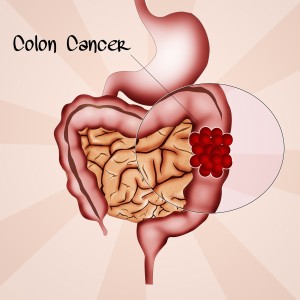
Colon cancer rates on the way up

A diagnosis of cancer of any type is a universal fear.  And the rates of all cancers continue to increase.

This is almost exclusively due to the toxic, sedentary lifestyle society seems so stuck in.  While many belief that genetics plays a role, this couldn’t be further from the truth.  There are few cases where genetics are the major contributing factor to the development of cancer (aka Angelina Jolie and the BRCA gene), but even in these cases lifestyle is a modifying factor.  Twenty percent of those with the BRCA genes make the right lifestyle choices and do NOT develop breast cancer.  And this is the extreme end.

In most cancers, however, some 90+% is environmental and the smaller factor is genetics.

This means that the choices you make are a large determinant in whether or not you develop cancer.  Many of us do not like to hear this because it puts the responsibility smack dab on our own shoulders.

Instead of facing this responsibility, society pushes for early detection under the guise of “prevention.”  Make NO MISTAKE—colonoscopy, mammography and PSA testing are in no way, shape or form “prevention.”

Early detection does not prevent a cancer—it just catches it early.

If this sounds like a good idea to you, you have not read any of my recent blog articles on the major issues with widespread PSA testing and mammography.  With these two tests, it turns out that the bulk of what is found early is actually pre-cancerous lesions (that we call “cancer” to appropriately scare patients into treatment) that would have resolved without any treatment whatsoever or would have laid dormant, never becoming aggressive.

Then we have colonoscopy.

To be honest, I have not seen research that puts colonoscopy in this same category.  While it is still early detection and not prevention, this is one scenario where finding lesions early and cutting them out may not be a bad idea.

There will always be discussion about when to begin screening and how often to screen, but there has been little argument as to whether or not it’s a good thing.

My vocal concern has not been with colonoscopy but with the sole reliance on early detection and removal to prevent colon cancer deaths rather than advocating lifestyle changes known to lower your risk of colon cancer (while it’s beyond the depth of this article to cover these changes, if you’re really interested you can download my Colorectal Cancer eBook from Amazon by clicking here).

This particular study does highlight the effectiveness of colonoscopy at reducing the diagnosis of colorectal cancers, but there’s a catch.

And a strong one.

Researchers looked at the data from the National Cancer Institute’s SEER registry for all patients diagnosed as having colon or rectal cancer from January 1, 1975, through December 31, 2010 (393 241 patients).  Specifically, they were looking at the rates of these cancers over the 35 years of the study.  Here’s what they found:

  • The overall rates of colorectal cancers decreased by 0.92% (while this IS a decrease, given what we know about how to prevent this cancer, it is a sad change).
  • But the decline was only seen in patients age 50 years or older.
  • However, for patients 20 to 34 years, the rates of localized, regional, and distant colon and rectal cancers have increased.
  • The rates of rectal cancer also increased for those 35 to 49 years.
  • If these trends don’t change, by 2030 the rates will increase by 90.0% for colon cancer and 124.2% for rectal cancer for patients 20 to 34 years.
  • These same rates are expected to increase by 27.7% for colon and 46.0% for rectal cancer for patients 35 to 49 years.

While I wouldn’t call this a doomsday prediction, it certainly should raise some eyebrows.

If I had to put these predictions into a sentence, I would say that the benefit of colorectal screening is slowly being drowned out by the effects of our toxic lifestyles on increasing the risk of cancer.

If we do not wake up as a society and begin to change the toxicity of our diet, the sedentary lifestyles, the massive continued overuse of antibiotics and the stress-ridden daily lives these predictions will come to pass.

And no advances in colonoscopy or cancer treatment will save us.  The answer has to come from inside.


Filed Under: Colon / Colorectal Cancer Tagged With: colon / colorectal cancer, colorectal cancer, rectal cancer

Environmental Causes of Cancer

December 3, 2014 by James Bogash

GOVERNMENT PANELS CONCERNED OVER POTENTIAL FOR MOST COMMON CAUSES OF CANCER?

 We need to wake up and look around us.  The sheer mass of 80,000 chemicals we are exposed to is of unpredictable harm in our risk of cancer.  Rest assured that these contaminants are probably one of the single greatest contributors to all types of cancer.  Even more fearful is our CHILDREN’S exposure.  Think about everything in your daily life: pesticides in fruits / veggies, particulate matter in the air, flame retardants, insecticides, plastics, Styrofoam, processed foods, preservatives, weed killers…the list is endless.  It is an easy matter to begin looking at your life and cutting your exposure as much as possible.  Pregnant women even more so.  I recently asked a pest-control company person about the chemicals in her products and she assured me that the FDA has approved these compounds.  Really?  Like BPA that they are now saying is toxic????

Read more here

Filed Under: Cancer Tagged With: cancer, environmental toxins, toxins

Ovarian Cancer and Baby Powder

November 25, 2014 by James Bogash

COMMON BATHROOM COMPOUNDS CAUSING FEMALE CANCERS..  There have been studies linking baby powder use and ovarian cancer in women (especially to be avoided in infants!!), but this studied looked at endometrial cancer and found a relationship between baby powder use and endometrial cancer.  Yet another easy way to lower our risk of cancer. Read More

Filed Under: Ovarian Cancer Tagged With: baby powder risks, ovarian cancer

  • « Go to Previous Page
  • Page 1
  • Page 2
  • Page 3
  • Page 4
  • Page 5
  • Page 6
  • Interim pages omitted …
  • Page 46
  • Go to Next Page »

Primary Sidebar

Patient Quick Guide

Schedule An Appointment
Contact Our Office
Download Patient Forms

Categories

Chiropractic Mesa Arizona

Arthritis Chiropractor Mesa AZ
Graston Technique Mesa AZ
Back Pain Chiropractor Mesa AZ
Back Pain Doctor Mesa AZ
Wrist Pain Chiropractor Mesa AZ
Rotator Cuff Chiropractor Mesa AZ
Shoulder Pain Chiropractor Mesa AZ
Knee Pain chiropractor Mesa AZ
Manipulation Under Anesthesia In Mesa AZ
Headache Chiropractor Mesa AZ
Chiropractic Mesa AZ
Stem Cell Therapy Mesa AZ
Regenerative Medicine Mesa AZ
Massage Therapist Mesa AZ
Shoulder Pain Doctor Mesa AZ
PRP Therapy Mesa AZ
Chiropractic Mesa AZ
Who Is The Top Chiropractor In Mesa AZ?
Knee Injury Doctor Mesa AZ?

Footer

Resources

Site Map
Disclosure
Additional Resources

Best Massage Therapist Mesa AZ
Arthritis Doctor Mesa AZ
Chiropractic Mesa AZ
Back Pain Doctor Mesa AZ
Rotator Cuff Doctor Mesa AZ
Chiropractor Mesa AZ
Massage Therapist Mesa AZ
PRP Therapy Mesa AZ
Knee Pain Doctor Mesa AZ
Stem Cell Therapy Mesa AZ
Headache Doctor Mesa AZ
Shoulder Pain Doctor Mesa AZ

Office

Lifecare Chiropractic
1830 S. Alma School Rd, Ste 135
Mesa, AZ 85210
(480)-839-2273
Also Serving Tempe, AZ

Get Directions

  • Home
  • About
  • Common Conditions
  • Additional Services
  • Testimonials
  • Blog
  • E-Books
  • Contact

Copyright © 2026 · LifeCare Chiropractic · All Rights Reserved.