• Skip to main content
  • Skip to primary sidebar
  • Skip to footer

LifeCare Chiropractic

The Best Chiropractic Care in Mesa, Arizona

  • Home
  • About
    • Why Lifecare?
    • About Dr. Bogash
    • Team Members
  • Common Conditions
    • Wrist Pain/Carpal tunnel syndrome
    • Elbow Pain/Epicondylitis
    • Headaches
    • Knee Pain and Knee Injuries
    • Low Back Pain
    • Shoulder Pain and Rotator Cuff Problems
  • Additional Services
  • Testimonials
  • Blog
  • E-Books
  • Contact

antibiotic overuse

Taking Drugs for Cholesterol Issues? Maybe Medication Started the Problem

October 31, 2015 by James Bogash

Cholesterol myth
Your microbiome and your cholesterol

Cholesterol lowering drugs seem to have lost some of their luster. Can’t say I’m disappointed about that little tidbit.

Due to staggeringly successful marketing efforts on the part of the drug companies (most notably Pfizer for Lipitor), drugs to lower cholesterol became one of the most successful drugs ever produced. Unfortunately, this had little effect on patient health because of the truly dismal benefits of the statin class of drugs.

One percent improvement. Yup. That’s about all you can expect from taking a statin drug to lower your cholesterol. Pretty much sucks no matter how you look at it.

The cholesterol story has become quite interesting in the past few years. It took some very large studies to put the minimal benefits of statin drugs into perspective, especially in light of the risk of diabetes from this class of drugs.

I think the findings that statins increased the risk of diabetes (ironically, especially in those who were at lower risk in the first place) has finally opened medicine to the idea that this class of drugs is not the miracle drug we once thought it was.

To see how far it’s come, the most recent cardiovascular disease prevention guidelines do NOT include cholesterol as a risk factor nor are there recommendations to limit dietary cholesterol intake.

My how far we’ve come.

Still frustrating, however, when you consider that these recommendations NEVER should’ve been present in the first place. It’s like medicine is just now waking up to the idea that the “statins to lower high cholesterol” approach is just not a good idea.

I’m not saying that high cholesterol is a goal we should shoot for. Quite the opposite. It’s just that cholesterol is just one risk factor among many and putting on blinders to look just at total cholesterol is a bad idea.  To give you an idea of how crazy the idea of using a drug to single-mindedly lower cholesterol is, this particular study should do the trick.  You see, cholesterol levels are merely a reflection of the health of the body. That means that literally hundreds of factors will work together to create the numbers that you see on your blood test.

These numbers can include total cholesterol, LDL cholesterol (generally “bad”), HDL cholesterol (generally “good”), triglycerides (lower is better), Lp (a) (lower is better), Apo B (lower is better) and VLDL (lower is better).  Diet, exercise, stress levels, supplements and environmental exposures can all affect your lipids levels. But according to the results of this study, there may be another factor affecting your levels that your doctor is likely not aware of.

The bacteria in your gut.

Yup. As if we didn’t already link the bacteria in your gut to pretty much every other aspect of health. Now we can chalk up your lipid levels on the list. Here’s the specifics of the study:

  • The gut bacteria was evaluated in 893 subjects, with an average 238 different types of bacteria per individual (ranged from 44 to 355).
  • As seen in just about every other study looking at the microbiome, higher diversity (as measured by Shannon’s diversity index) led to better lipid values.
  • Higher diversity was linked to lower BMI.
  • Higher diversity was linked to lower trigylcerides.
  • High diversity was linked to higher HDL levels.

The study went into FAR more detail than this as far as the relationship between specific bacterial species, BMI and lipids, but suffice it to say that the results were consistent with prior studies on this same subject.

So what does this mean? It means that someone, somewhere is going to try to financially capitalize on this relationship. You can bet this will be along the lines of fecal transplants (and now for the collective “yuck…”), which is already well on its way to being an acceptable treatment for C. diff infections.

To me, this means that diversity is key. I have said this time and time again and always relate it back to antibiotic use in all but the most life-threatening situations.

Antibiotics WIPE OUT DIVERSITY and it takes years to recover, if ever. IF EVER. I can not state this more strongly—if you are the type of person who runs out and gets an antibiotic prescription for acne, sinus infections, urinary tract infections, sore throats, ear infections or upper respiratory tract infections (ALL of these have very little evidence of effectiveness and can be better managed naturally), even if it is only once every few years, you are absolutely, positively, destroying the diversity in your gut and with it, your long term health.

Thinking that you are OK after antibiotics by just following up with probiotics for a week or two is old school. Taking probiotics is just the first 100 yards of a marathon. But if you can point me to a probiotic with 200+ strains that will survive through to GI tract to the lower regions of the intestines, I’ll revise my thinking on this issue.

Until then, avoid antibiotics unless you are on your deathbed with a fever of 106.

 

Filed Under: Cholesterol, Probiotic Tagged With: antibiotic overuse, cholesterol, microbiome, probiotic

Childhood Obesity Stats: Run if the Pediatrician Gives This

May 7, 2015 by James Bogash


childhood obesity statistics antibitotics
Dmitry Naumov / Dollar Photo Club

While the incidence of childhood obesity seems to have leveled off, it remains one of the biggest concerns for the future health of our population.

Every pediatric journal I read continues to highlight the concern and the aspects that are contributing to the increasing waistlines of our children.  Almost immediately the need to have our children be more active was hoisted to the top of the interventions to be promoted.  From Michelle Obama decrees, statewide Healthy Children initiatives and McDonald’s commercials, the push has been towards getting our kids moving more.

If only it was  simple.

When that didn’t seem to be doing the trick, the focus has started to (rightfully so) shift to cutting back on calories and avoiding sugary snacks and drinks.  And pediatricians have been leading the charge for getting our kids healthier.

But what if pediatricians are playing a major role in childhood obesity??

Regular readers of this blog will know where this is going.  It is now crystal clear that the bacteria in our collective guts play a massive role in all aspects of our health, with obesity and autoimmune conditions topping the list.

I frequently say that mainstream medicine remains decades behind the medical research, but in few instances is this problem as glaring as the intertwined issue of gut bacteria, probiotics and antibiotics.  It has only been recently that I have been reading in authors in medical journals discussing the overuse of antibiotics on the destruction of the normal bacteria in the gut.

The problem with antibiotic overuse has always been highlighted as antibiotic resistance.  But while this IS a concern, it is dwarfed by the fact that antibiotics decimate the diversity of the bacteria in the gut.  In this manner, antibiotics may greatly increase the risk of obesity, devastating autoimmune conditions and psychological disorders.

While we don’t know everything yet (and probably never will) about how the hundreds of different bacterial species in your gut interact with your health, current research is pointing to diversity as being very important.  With this in mind, in this particular study, researchers looked at the links between antibiotic use in a group of 6114 boys and 5948 girls and the later development of obesity.

The results are a little scary:

  • Children who were exposed to antibiotics in the first 2 years of life were, on average, heavier than kids who did not get antibiotics.
  • The effect was strongest in those exposed in the first 6 months to macrolides (broad spectrum antibiotics–think Azithromycin, Chlarithromycin and Erythromycin).  Specifically, boys were 72% more likely to be heavier and give 77% more likely to be heavier than the un-antibioticized children.
  • In addition, those children who had more than one exposure to antibiotics were 80% more likely (boys) and 87% more likely (girls) to be overweight.

These are significant numbers.  And it wouldn’t be so scary if antibiotics were used for life-threatening diseases instead of being used in conditions like low grade fevers, coughs and ear infections.  It is rare for a child to escape the prescription pad in his or her first two years of life.

So, the next time your child’s pediatrician wants to write a prescription for an antibiotic, first find out if your pediatrician thinks that antibiotics could contribute to obesity in children.  If your doctor gives you a strange look, it is absolutely time to find one that has cracked a medical journal in the past decade.

Filed Under: Childhood Obesity, Ear Infections, Healthy Kids Tagged With: antibiotic, antibiotic overuse, antibiotic resistance, childhood obesity statistics, microbiome, probiotics

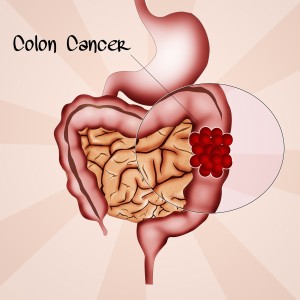
The Dangers of Antibiotics: Surprising Risk for Colon Cancer

January 21, 2015 by James Bogash


Although I’ve said it before, let me make it unquestionably clear; the use of antibiotics in conditions that are not immediately life-threatening are destroying your health far more then you can possibly imagine.

probiotics and colon cancer
adrenalinapura/Dollar Photo Club

The list of chronic diseases associated with altered bacterial flora in the gut is extensive.  So extensive that they may play a role (some small and some extreme) in almost every chronic disease.  Even cancer.

Despite this, for some strange reason, mainstream medicine remains disconnected from this fact and limits the concern to antibiotic resistance.  While this is something to worry about if you happen to be one of the few that gets a septic infection that doesn’t respond to traditional antibiotics, the concerns of the millions who suffer from obesity, diabetes, GI complaints, heart disease and cancer should not get pushed to the side.

Society does seem aware of the problem and the use of probiotics following antibiotics has been on the increase.  But in no way, shape or form does supplementing with probiotics after antibiotics protect you from these severe dangers.

I know this may not be what you have been led to believe, but it’s true in most cases.  Here’s the important fact…

It is not a single bacteria in the gut that will save you and balance out your physiology and immune system.  Rather, it is the diversity of the bacteria in the gut that is the most important factor.  There are hundreds and hundreds of different bacterial species that inhabit the gut.  While we don’t have all the complete details ironed out (and likely never will), we know that there are patterns of these bacteria that promote health or promote disease.  Consider them like teams, playing for you or against you.

Antibiotics DECIMATE this all-important bacterial diversity and it takes YEARS to recover.  YEARS.

When was your last course of antibiotics??  And when was the course before that?

Personally, I have not had antibiotics for at least 20 years.  My son (now 9) has only had a single course when he was 5.  Nothing before or since.  And this is despite a recent pertussis (whooping cough) infection that we fought off naturally.

And yet I have patients who seem to be on antibiotics several times per year, almost always under the guise of trying to prevent a secondary infection, NOT being given for the condition itself.

But if you take antibiotics, even if it is only every few years, it is not likely that your gut truly has time to recover.  This is despite taking probiotics, no matter how many strains your probiotic has.  No matter whether is has one, two, 12 strains it is not going to be enough unless you give your gut time to re-balance.  YEARS.

And this is combined with a lifestyle that avoids NSAIDS (these alter the bacteria in the gut), stress and includes soluble and insoluble fibers, a broad blend of fruits and vegetables and exercise.

Of course, you could just look into fecal transplantation.  Yes—you heard that right and you what you are envisioning is exactly correct.  Taking fecal matter from one gut and transplanting it into another.  Might I just insert a distinct GROSS here??  But you can see that the idea has some merit—the fecal matter would contain these hundreds of bacteria coming from the correct team.

As we begin to understand more and more about the nature of these organisms that live within us, the relationships just become more and more surprising.  This particular study looks at the relationship between bacteria in the gut and your risk of colorectal cancer.

Specifically, researchers looked at bacterial biofilms (a collection of specific types of bacteria lining the gut) that have been shown to cause problems in the gut such as inflammatory bowel disease to see if these same biofilms were present in colorectal cancer tumors.

Here’s what they found:

  • These invasive biofilms were found in 89% of right-sided colon tumors but only 12% of left-sided tumors.
  • All patients with biofilm-positive tumors had these biofilms on their intestinal tissue (mucosa) in other areas as well.
  • Bacterial biofilms were associated with changes in the levels of molecules known to contribute to colon cancer (lower epithelial cell E-cadherin and higher epithelial cell IL-6 and Stat3 activation)
  • Biofilms were also associated with increased crypt epithelial cell proliferation in normal colon cells (a precancerous situation).
  • It was the biofilm only that had these associations; no consistent bacteria was associated with the tumors.

While all of this may seem a little complicated, the bottom line is that, from this small evaluation of colon tumors, right sided tumors are very, very strongly related to the bacterial populations present in the gastrointestinal tract.

And while this study does not give us information on the specific methods to alter bacteria in the gut to prevent colon cancer, it does add yet another degree of importance to maintaining a good balance of bacteria in the gut and not destroying it with reckless disregard for the consequences.


Filed Under: Colon / Colorectal Cancer, Probiotic Tagged With: antibiotic overuse, antibiotics, colon / colorectal cancer, colorectal cancer, probiotics

The 21st Century View on Antibiotics, aka Fleming Turning in His Grave

October 22, 2014 by James Bogash

There is a time and a place for everything in medicine.  Even, I would (very) begrudgingly admit, statins. But too often we are using meds without a full understand of the dark side of medicine.

And that dark side can be as devastating to your health as any diseases we’re trying to conquer with drugs.  Antibiotics are on this list.

When you would ask the average doctor what the principle danger of antibiotics is, it is almost assured that you will get antibiotic resistance as the answer.  And antibiotic resistance is a community issue.  As the prescribing physician, it’s easy to think that the risk of antibiotic resistance has little to do with the patient standing in front of you with an upper respiratory infection.  After all, antibiotic resistance is a community” thing, not an “individual” thing.

In other words, if there is little harm of antibiotic resistance from unneeded antibiotic use to the patient staring you in the face, the potential benefit, however small, is worth the risk.  So that prescription will be given on the off chance that it may help the upper respiratory infection.

The first peer reviewed published article on probiotics was published in 1908.  Now, 106 years later (as of the writing of this article) very few doctors grasp even the basics of the relationship between us and the bacteria in our gut.  This is despite literally thousands of studies documented the benefits of probiotics.

But even this concept is reversed.

It’s not about the benefits of probiotics.  Rather, it’s about the devastating health consequences of destroying the beneficial bacteria seeking refuge in your body:

  • Disrupted immune balance, leaving you susceptible to allergies, asthma and autoimmune conditions
  • Inability to fight off infections from disease-causing bacteria, viruses and parasites
  • Inability to detoxify toxic chemicals from the environment
  • Alteration of the hormone balance in the body, leading to depression, obesity and anxiety

The list is far longer, but I think you get the idea.

The group who does NOT get the idea, however, is the one continuing to write prescriptions for antibiotics in all but the most severe cases.  Ear infections.  H. pylori in the stomach.  Upper respiratory tract infections.  Pharyngitis (sore throat).  Before dental work.  After every surgery.  Sinus infections.  As a preventative just in case a bacterial infection MIGHT happen during a viral illness.  The list is quite long.  And all of this in spite of mounds of research screaming to NOT use antibiotics.

Until prescribing providers truly, deeply and passionately understand just how important it is to have a normal bacterial flora living and thriving within us, our society will be plagued with chronic diseases.

This particular article drives this home.  Even further, most of this entire Journal of Clinical Investigation is devoted to the topic of just how integrated bacterial populations are integrated into every part of our health.

The authors highlight the emerging viewpoint that we need to view ourselves and the bacteria within us as an ecological community.  One where wanton destruction of its inhabitants have long-term damaging consequences to our health.

It takes no convincing for society to look with horror on the killing of Siberian tigers for the pelts, elephants for their tusks, the overfishing of certain fish populations to near extinction or the loss of the rainforests killing the abundant life that lives within.

It is through this lens that we need to view the bacteria within us.  We need to focus our efforts on supporting solid growth and diversity in our newborns and infants through vaginal birth, breastfeeding and NO antibiotics in the first few years of life.  As we age we need to focus on diets that support the growth of bacteria rich in soluble fibers and without processed junk.  We need to do everything in our power to avoid drugs that block acid production in the stomach (unless a bleeding ulcer is present).  And we need to change the way we raise livestock in an antibiotic soup.

Until we can make these changes, both in understanding and in behaviors, the modern, antiseptic life is going to rob us of health.


Filed Under: Drug Research, Probiotic Tagged With: antibiotic overuse, antibiotic resistance, probiotics, side effects of antibiotics

Antibiotics Destroy Critical Part of Your Cell

August 13, 2013 by James Bogash

I remain firm on my mantra that destruction of healthy bacterial flora is the worst thing we can do for an infant’s health.  But probiotics can fix the damage from antibiotics, right?

I used to think so as well.

Of course, mainstream medicine (pediatricians, in particular) worry about antibiotic resistance from the overuse of antibiotics.  Kind of cute.  But really such a small part of the destruction that antibiotics rain down on humanity.  As mentioned, the destruction of normal flora wreaks havoc on the developing immune system and sets the stage for autoimmune disorders, immune imbalance and allergic problems.  In general, however, this side effect can be combatted easily by following up antibiotic treatment with probiotics to restore the destroyed bacterial flora.

Then there are the indirect effects of antibiotic use that destroy the competition for other invasive species to grow, such as thrush, Clostridium difficile, staph, strep and E. coli.  Probiotics can help here as well.

All of this should be enough to convince physicians that antibiotic use should be limited to only the most deserving situations.  Kidney infections, MRSA…things like that.  Giving antibiotics “in case” there might be a bacterial infection is just no longer good medicine.  Quite the opposite.

Just in case this was NOT enough to convince you that wanton antibiotic use is a bad thing, I give you this particular study.

Researchers looked at what three typical antibiotics, ciprofloxacin, ampicillin and kanamycin, did to the cells of the human body.  The results were not good.

Regular readers of the Rantings know that my absolute favorite organelle in the human cell is the mitochondria.  The powerhouse of the cell.  Proper function of the mitochondria is critical to a healthy cell.  Harm your mitochondria and you increase your risk of pretty much every chronic disease.

You can see where this is going.

The antibiotics studied in this report, when used for at least four days, led to deteriorating mitochondrion.  Nothing good can come of this.  Add this to the list of the side effects of antibiotic use.  However, this one is not easily fixed with a short course of probiotics.  The deterioration of mitochondrial function is far more tricky and usually requires a combination of supplements and lifestyle changes.  Quite the price to be paid to battle an ear infection that would’ve resolved on its own.

This may account for the tendon ruptures seen with antibiotics like Cipro and other weird side effects that have been seen over the years.

The authors do mention the use of N-acetylcysteine (NAC) to be used in conjunction with these antibiotics to help mitigate the damage to the mitochondria.  Keep this in mind if you do have to take antibiotics.

Filed Under: Ear Infections, Probiotic Tagged With: antibiotic overuse, antibiotic resistance, mitochondria, probiotics, side effects of antibiotics

IODINE DEFICIENCY LEADS TO DEFICIT AND HYPERACTIVITY IN OFFSPRING – (12-15-04)

October 14, 2012 by James Bogash

ATTENTION DEFICIT AND HYPERACTIVITY DISORDERS IN THE OFFSPRING OF MOTHERS EXPOSED TO MILD-MODERATE IODINE DEFICIENCY: A POSSIBLE NOVEL IODINE DEFICIENCY DISORDER IN DEVELOPED COUNTRIES

The answer to the origin of ADD/ADHD as well as autism will most likely result in a multi-factorial equation. One thing is for sure–we are doing something different to our kids that is negatively affecting their health and increasing their risk for chronic diseases.

In this study, the concept that kids with ADD/ADHD may have developed a resistance to thyroid hormone as a result of iodine deficiency in the mom is proposed. Iron deficiency, vaccines, antibiotic overuse, poor nutritional quality diets and toxin exposure are all on the list as well. Most likely the answer lies in a mixture of all of these factors.

Read entire article here

Filed Under: Autism, Thyroid Tagged With: ADD, ADHD, antibiotic overuse, autism, Iron deficiency, vaccines

HOW EFFECTIVE IS THE TREATMENT OF PROBIOTICS? – (10-29-07)

April 17, 2012 by James Bogash

Helicobacter pylori and Probiotics

Just in case you think the dangers of antibiotic overuse is limited to IBD risk (as if that wasn’t bad enough all on it’s own…) this article finds that addition of probiotics to treatment of H. pylori greatly increases its effectiveness and reduces side effects. Sounds great, right?

Here’s the real question–is the H. pylori present in the FIRST place because of destruction of the normal, protective flora years earlier by antibiotics? The answer is likely yes, and geezzz…what a boon for the drug companies, huh? One treatment increases the need for another, more expensive treatment later down the road!! What a gig!

Read entire article here

Filed Under: Probiotic Tagged With: antibiotic overuse, Helicobacter pylori, IBD risk, probiotics

Primary Sidebar

Patient Quick Guide

Schedule An Appointment
Contact Our Office
Download Patient Forms

Categories

Chiropractic Mesa Arizona

Arthritis Chiropractor Mesa AZ
Graston Technique Mesa AZ
Back Pain Chiropractor Mesa AZ
Back Pain Doctor Mesa AZ
Wrist Pain Chiropractor Mesa AZ
Rotator Cuff Chiropractor Mesa AZ
Shoulder Pain Chiropractor Mesa AZ
Knee Pain chiropractor Mesa AZ
Manipulation Under Anesthesia In Mesa AZ
Headache Chiropractor Mesa AZ
Chiropractic Mesa AZ
Stem Cell Therapy Mesa AZ
Regenerative Medicine Mesa AZ
Massage Therapist Mesa AZ
Shoulder Pain Doctor Mesa AZ
PRP Therapy Mesa AZ
Chiropractic Mesa AZ
Who Is The Top Chiropractor In Mesa AZ?
Knee Injury Doctor Mesa AZ?

Footer

Resources

Site Map
Disclosure
Additional Resources

Best Massage Therapist Mesa AZ
Arthritis Doctor Mesa AZ
Chiropractic Mesa AZ
Back Pain Doctor Mesa AZ
Rotator Cuff Doctor Mesa AZ
Chiropractor Mesa AZ
Massage Therapist Mesa AZ
PRP Therapy Mesa AZ
Knee Pain Doctor Mesa AZ
Stem Cell Therapy Mesa AZ
Headache Doctor Mesa AZ
Shoulder Pain Doctor Mesa AZ

Office

Lifecare Chiropractic
1830 S. Alma School Rd, Ste 135
Mesa, AZ 85210
(480)-839-2273
Also Serving Tempe, AZ

Get Directions

  • Home
  • About
  • Common Conditions
  • Additional Services
  • Testimonials
  • Blog
  • E-Books
  • Contact

Copyright © 2026 · LifeCare Chiropractic · All Rights Reserved.