• Skip to main content
  • Skip to primary sidebar
  • Skip to footer

LifeCare Chiropractic

The Best Chiropractic Care in Mesa, Arizona

  • Home
  • About
    • Why Lifecare?
    • About Dr. Bogash
    • Team Members
  • Common Conditions
    • Wrist Pain/Carpal tunnel syndrome
    • Elbow Pain/Epicondylitis
    • Headaches
    • Knee Pain and Knee Injuries
    • Low Back Pain
    • Shoulder Pain and Rotator Cuff Problems
  • Additional Services
  • Testimonials
  • Blog
  • E-Books
  • Contact

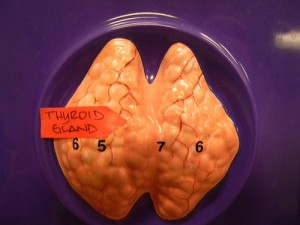
thyroid

On Thyroid Medication? Drastically Improve Thyroid Function with This

March 31, 2014 by James Bogash

vitamin C and thyroid medication
Photo courtesy of https://lifecarechiropractic.com/

Thyroid conditions are far too common. Mainstream medicine’s approach is to medicate with thyroid hormones.

From my perspective, I’m always looking for why an incredibly important organ in the human body would just up and get lazy. If this was your heart that stopped working at 28, your doctors would be up in arms trying to find an answer and fix the problem. But for some reason, because we have synthetic thyroid hormone that can be given, the thyroid going bad is no reason for alarm.

Before you follow this philosophy of medicating rather than clarifying, consider that the thyroid gland is generally considered the yellow canary of the human body (for those who don’t remember, canaries were used in the mines because they would up and die when methane levels began to climb; thus when the canary died it was time to run before the mine exploded). Stress, poor quality nutrition/prediabetes, toxic chemical exposures and food allergies top the list of things that negatively affect your thyroid.

Gluten, BPA in plastic water bottles, Teflon, flame retardants and heavy metals are all well documented to affect the thyroid. I don’t know that I have EVER had a patient come in who has a history of autoimmune thyroiditis (like Hashimoto’s or Graves) that were told that gluten sensitivity may be a huge factor in his or her thyroid dysfunction. And this includes patients who have had thyroids deliberately destroyed with radioactive iodine or surgically cut out.

But I digress.

In this particular study, researchers looked at a small group of hypothyroid patients who also had digestive complaints (another topic altogether and one that is beyond the depth of this article) to see whether the addition of 500 mg of vitamin C could have a positive effect. The results were pretty powerful:

  • Levels of TSH, free T4 and T3 all improved while on vitamin C.
  • TSH dropped an impressive average of 69.2%.
  • TSH levels normalized in 54.8% of those in the study.

Given how challenging it can be to manage thyroid medication dosage, anything that can improve the effectiveness of thyroid hormones, especially with something as incredibly cheap and safe as 500 mg of vitamin C, is a very good thing.

Filed Under: Thyroid, Vitamin C Tagged With: Armour thyroid, Synthroid, thyroid, thyroid medication, vitamin C

Thyroid Tumors: Scary Times or Too Much Diagnosis

September 26, 2013 by James Bogash

The “what you don’t know can hurt you” phrase may run opposite in healthcare.  In other words, knowing more is not always better.

Let’s face it, we ALL have something wrong with us.  I have always told patients that if they look hard enough, doctors can find something wrong with you.  We are seeing mounting evidence that screening for certain conditions are creating monsters out of molehills (I know, I know–it’s supposed to be “mountains,” but mountains don’t increase the cost of healthcare like monsters do).

  • Mammography finding ductal carcinoma in situ (DCIS) that the body would resolve on its own, but instead lead to surgery, chemo and radiation treatments.
  • PSA testing that identifies non-aggressive tumors and would take decades to progress, and yet prostate surgery, radiation and chemo are used.
  • Blood pressure below 160 systolic and 100 diastolic are medicated with beta blockers that increase stroke and diabetes or calcium channel blockers that increase the risk of breast cancer, and yet keeping the blood pressure “under control” has not advantage on heart attacks, strokes or risk of death.
  • MRIs and CT scans that frequently don’t match the patients’ symptoms, but lead down a path to injections and surgery.
  • The notorious “annual medical exam” that everyone thinks is so important, does nothing for prolonged life but does increase medication usage and the chance of being given a diagnosis.

Now that we’ve dispelled a little of the “more knowledge is better” theory, we can move on to this particular article looking at the diagnosis of thyroid cancer.  As a way of background, in the 1980’s ultrasonography of the thyroid became available, followed by guided biopsy in the late 1990’s.  This advancement in technology has led to the ability to biopsy smaller and smaller nodules all the way down to 2 mm.

Because of this increase in imaging technology, the incidence of thyroid cancers has increased 322%.  90% of the cancers identified are papillary cancers, which is considered the least dangerous type of the cancers.  As a matter of fact, small papillary cancers are a common finding at autopsy.

Here’s the problem, despite the 322% increase in the diagnosis of thyroid cancer, the mortality rate from thyroid cancer has remained unchanged in the 30+ years since 1979.  So basically, we are finding more thyroid cancer and treating the cancers more aggressively, but we’re not saving any lives.

What we ARE doing is surgically removing one of the most hard-to-balance endocrine glands in the body, leading to continual challenges throughout the life of the patient.  Combine this with the fact that conditions like prediabetes greatly increase the risk of thyroid nodules and cancers, and you’ve got a situation where serious conditions like prediabetes are ignored, but the gland showing the problem (in this case the thyroid) is removed.  Two negatives without a positive.

The bottom line is that you should ask whether imaging on your thyroid is absolutely needed in your situation.  If any nodules are found, again ask some heard questions about whether anything needs to be done or can you follow a wait-and-see approach.

Filed Under: Thyroid Tagged With: papillary thyroid cancer, thyroid, thyroid cancer, Thyroid Nodule

Increased Need for Thyroxine with Hypothyroidism during HRT – (06-14-01)

June 27, 2013 by James Bogash

Increased Need for Thyroxine with Hypothyroidism during HRT

Will the lack of understanding of basic physiology never end? It is known that estrogen blocks the conversion of T4 to T3 (the thyroid produces mainly T4-the inactive form–it needs to be converted to its active form later in the target tissues). So, it is no surprise that estrogen replacement therapy will increase the need for thyroid hormone replacement. Here’s a novel idea–instead of giving another drug to make up for the side effects of the first-how about managing menopause naturally and avoiding the need for HRT? Consider the possibility that nature specifically designed menopause to protect the female body from the accumulated effects of aging? Does HRT then sound like such a good idea?

NEJM — Abstracts: Arafah 344 (23): 1743

Read entire article here

Filed Under: Thyroid Tagged With: HRT, hypothyroidism, T3, T4, thyroid, Thyroxine

Thyroid Problem Symptoms? 2 Things You Need to Know

March 22, 2013 by James Bogash

Thyroid problem symptoms seem to be everywhere. Hyperthyroid (Hashimoto’s, Graves), hypothyroid, benign thyroid nodules, cancerous thyroid nodules. No discrimination between them–they all seem to be happening to everyone.

The way I see it, there are 2 possibilities.

1)  The Creator screwed up on the thyroid. Given how amazing everything else works in our bodies and can last for 100 years or more (if we take care of it), it seems a little odd that the thyroid just “goes out” in your twenties or thirties. Or, if you believe in the infallible nature of our Creator, maybe he subcontracted the work out and that’s where the problem arose. Either way, it’s a design flaw.

2)  The thyroid was designed with the brilliance of the rest of our body, but it is overly sensitive to abuse (think of the yellow canaries in the coal mining days) from stress, lifestyle and environment chemicals.

Personally, I’m going with #2.

So what do we know of that screws up our thyroid gland?

  • Stress
  • Gluten sensitivity
  • Flame retardants
  • Nutritional deficiencies like selenium and iodine

And this is just the short list. In all of them, there is something wrong. Our body throws up the thyroid flag as a warning to look for the problem and fix it. But we burn the warning flag and treat the thyroid with medication, destruction or surgery.

We now have two more items to add to the list of thyroid toxic life events.

Prediabetes and diabetes.

Big shocker–they’re linked to every other chronic disease, why not the thyroid??

This particular study looked at a group of patients who had prediabetes, diabetes and thyroid problems and compared them to normal controls. Here’s what they found:

  1. TSH levels were higher in the diabetic group.
  2. The volume of the thyroid was higher in the diabetic (75% higher) and prediabetic groups (62.5% higher).
  3. The percentage of thyroid nodules was 38% higher in the diabetic group and 27.6% higher in prediabetics (Tweet this).

These are some pretty astounding numbers. From a full functional medicine perspective, we know that chemicals in our environment and stress play a major role in the development of diabetes. It could boil down to a chicken or the egg discussion, but it really doesn’t matter.

The best answer is to make the right lifestyle choices (you can see my recommendations by clicking here) BEFORE any thyroid  or diabetic problem develops. If you’re too late for that and you’ve got thyroid problems, it’s time to accept the fact that the thyroid is merely the tip of the iceberg and you need to begin to look under the water for answers.

Today.

What did YOUR doctor recommend for YOUR thyroid problems?

Filed Under: Diabetes (Type 2), Prediabetes, Thyroid Tagged With: Benign Thyroid Nodule, Cancerous Thyroid Nodule, Diabetes And Thyroid, Hashimoto, Hashimoto's thyroiditis, hyperthyroidism, hypothyroidism, The Thyroid, thyroid, thyroid cancer, Thyroid Glands, Thyroid Nodule, Thyroid Problems Symptoms, Your Thyroid

TSH Blood Test: Should We Treat Underactive Thyroid Symptoms?

December 4, 2012 by James Bogash

Having a TSH blood test is part of normal bloodwork. These tests may to drug treatment (usually Synthroid), but are underactive thyroid symptoms dangerous?

Let’s cover some basics first.

The thyroid plays a huge role in just about everything we do (so does the adrenal–but that’s fodder for another post) and is critical for good health. It produces two hormones: triiodothyronine (T3) and thyroxine (T4). T3 is much more active than T4, but the body breaks it down much faster. So, in its brilliance, the thyroid makes mostly T4 and sends this hormone into the circulation. When it gets to organs like the liver, kidneys, heart and brain enzymes here convert T4 to T3 to be used on site. Pretty smart if you ask me.

Healthy production of T4 in the thyroid depends on several factors such as iodine, TSH levels and chemical exposure. Many, many chemicals affect thyroid hormone production. Some of these chemicals that lead to underactive thyroid symptoms have been addressed in a previous post. This means that treating low TSH levels does NOT begin with medication, but rather by a complete look at what might be leading to a slow thyroid gland.

Then, once T3 gets to the organ, it requires nutrients like selenium to be properly converted to T4. Many patients are put on thyroid medications when the real problem may be as simple as selenium deficiency. Stress also destroys this process, leading to the production of a compound called reverse T3 (which is inactive) instead of the desired T3. So if underconversion is your problem, again meds are not the answer–stress management and supplementation are better options.

Overall, I think we have a very messed up way of addressing thyroid problems. First of all, what if your heart or liver started to fail in your twenties?  Would we throw up our hands and say that it just happens? Of course not.  If something is wrong with those organs we’re going to damn well get to the root of the problem and fix it. But for some reason the thyroid is treated differently. Maybe it’s because we have a medication that “fixes” the problem.

The other issue is how we compare the patient and the lab values. Normally, you consider the two in conjunction and use each to guide treatment options. Not so with the thyroid. You can have a patient who has the entire laundry list of underactive thyroid symptoms but normal labs. In this case the doctor just tells the patient that the thyroid is ok, completely ignoring the patient’s story. On the other hand, I have had patients who have been put on Synthroid without a shred of symptoms but had high or low TSH levels.

So what happens if we treat solely based on TSH blood tests and not on patient’s underactive thyroid symptoms?

This particular study should make us think twice about blindly treating thyroid disorders without understanding what is going on. Researchers looked at how thyroid related blood values played a role in a group of patients (around 72 years old) followed for 13 years and his or her risk of dying. Here’s what they found:

  1. Over the 13 years, levels on the TSH blood test went 13%
  2. T4 levels increased 1.7%
  3. There was a 13% decrease in total T3
  4. Subclinical hypothyroidism, TSH levels and TPO antibodies had no effect on the risk of dying
  5. T4 levels, however, greatly increased the risk of death-257% for each ng/dl increase

Clearly, higher levels of T4 led to more problems and a shorter lifespan in the participants of this study. So what does this mean?

It can mean several things, but what seems to be staring me in the face is that maybe the body is supposed to slow down its metabolism as we get older. Much like menopause, the body slows things down for a reason.  Decades of abuse from stress, poor quality diets, sedentary lifestyles and environmental chemical exposures damage our genes. At this point, more metabolic activity may not be a good thing, leading to things like cancer and brain cell damage.

Keep in mind that standard medical approaches to thyroid problems involve almost exclusively T4 (Synthroid, levothyroxine). Based on this information, does this sound like a good idea, especially over the course of 30, 40 or 50 years?

Filed Under: Thyroid Tagged With: hypothyroidism, Levothyroxine, Slow Thyroid, thyroid, Thyroid Hormone, Thyroid Symptoms, Triiodothyronine, Tsh Blood Test, Tsh Levels, Underactive Thyroid Symptoms

Links between iodine deficiency and breast cancer – (01-29-04)

December 2, 2012 by James Bogash

The thyroid, iodine and breast cancer

This is a very interesting concept brought to my attention by Dr. Harry Eidner’s newsletter produced for DSD International. Their seems to be some links between iodine deficiency and breast cancer. The additional of treatment for hypothyroidism seems to strengthen to risk of breast cancer. Given the high level of prescriptions for hypothyroidism (most notably Synthroid) this is a very real concern.

Entrez-PubMed –

Read entire article here

Filed Under: Breast Cancer, Thyroid Tagged With: breast cancer, hypothyroidism, iodine, thyroid

SELENIUM ASSOCIATED WITH CHEMOPREVENTION – (11-21-04)

October 12, 2012 by James Bogash

The Link between Selenium and Chemoprevention: A Case for Selenoproteins

I know I covered this article in the last Updates, but just the other day I had a patient come in who had had Hashimoto’s thyroiditis–an autoimmune condition where the body attacks its own thyroid gland–and underwent typical medical treatment which is to get rid of the thyroid via surgery or radioactive ablation. Kind of like if you had gang members shooting little old ladies–just pack up all the old ladies and take them to south Florida. The problem here is that a large chunk of patients with autoimmune thyroiditis may have their symptoms caused by either low selenium or an allergy to gluten containing grains.

This article illustrates one of the major shortcomings of mainstream medicine’s approach to disease. Destroy or cover up the symptom while allowing the underlying process that created it to continue. So, if this patient is deficient in selenium, this current article would also suggest that she has a reduced ability to fight off cancer. Do you think this was including in the surgeon’s informed consent to the patient?

The Link between Selenium and Chemoprevention: A Case for Selenoproteins — Diwadkar-Navsariwala and Diamond 134 (11): 2899 -..

Read entire article here

Filed Under: Cancer Tips, Thyroid Tagged With: autoimmune, Chemoprevention, radioactive ablation, Selenium, Selenoproteins, thyroid

LOW T3 SYNDROME CAUSE DEATH DUE TO HEART DISEASE – (02-17-03)

October 8, 2012 by James Bogash

Low-T3 Syndrome – Strong Predictor of Death from Heart Disease

It’s nice to see some researchers focusing on T3. Keep in mind that the thyroid produces mainly T4, which has a much lower activity than T3. The T4 makes it to the target tissues such as liver and muscle and gets converted to T3 where it’s needed. Well, that conversion is dependent upon several factors (nutritional, cortisol levels, estrogen levels…) and many people with thyroid problems are given synthetic T4 (synthroid, levothyroxine) and their blood levels look good but they still have all the signs and symptoms of hypothroidism. These people may underconvert T4 to T3.

Circulation — Abstracts: Iervasi et al. 107 (5): 708

Read entire article here

Filed Under: Heart Disease, Thyroid Tagged With: cortisol levels, heart disease, hypothroidism, Levothyroxine, T3, T4, thyroid

  • Page 1
  • Page 2
  • Go to Next Page »

Primary Sidebar

Patient Quick Guide

Schedule An Appointment
Contact Our Office
Download Patient Forms

Categories

Chiropractic Mesa Arizona

Arthritis Chiropractor Mesa AZ
Graston Technique Mesa AZ
Back Pain Chiropractor Mesa AZ
Back Pain Doctor Mesa AZ
Wrist Pain Chiropractor Mesa AZ
Rotator Cuff Chiropractor Mesa AZ
Shoulder Pain Chiropractor Mesa AZ
Knee Pain chiropractor Mesa AZ
Manipulation Under Anesthesia In Mesa AZ
Headache Chiropractor Mesa AZ
Chiropractic Mesa AZ
Stem Cell Therapy Mesa AZ
Regenerative Medicine Mesa AZ
Massage Therapist Mesa AZ
Shoulder Pain Doctor Mesa AZ
PRP Therapy Mesa AZ
Chiropractic Mesa AZ
Who Is The Top Chiropractor In Mesa AZ?
Knee Injury Doctor Mesa AZ?

Footer

Resources

Site Map
Disclosure
Additional Resources

Best Massage Therapist Mesa AZ
Arthritis Doctor Mesa AZ
Chiropractic Mesa AZ
Back Pain Doctor Mesa AZ
Rotator Cuff Doctor Mesa AZ
Chiropractor Mesa AZ
Massage Therapist Mesa AZ
PRP Therapy Mesa AZ
Knee Pain Doctor Mesa AZ
Stem Cell Therapy Mesa AZ
Headache Doctor Mesa AZ
Shoulder Pain Doctor Mesa AZ

Office

Lifecare Chiropractic
1830 S. Alma School Rd, Ste 135
Mesa, AZ 85210
(480)-839-2273
Also Serving Tempe, AZ

Get Directions

  • Home
  • About
  • Common Conditions
  • Additional Services
  • Testimonials
  • Blog
  • E-Books
  • Contact

Copyright © 2026 · LifeCare Chiropractic · All Rights Reserved.