
• Skip to main content
  • Skip to primary sidebar
  • Skip to footer

LifeCare Chiropractic

The Best Chiropractic Care in Mesa, Arizona

  • Home
  • About
    • Why Lifecare?
    • About Dr. Bogash
    • Team Members
  • Common Conditions
    • Wrist Pain/Carpal tunnel syndrome
    • Elbow Pain/Epicondylitis
    • Headaches
    • Knee Pain and Knee Injuries
    • Low Back Pain
    • Shoulder Pain and Rotator Cuff Problems
  • Additional Services
  • Testimonials
  • Blog
  • E-Books
  • Contact

headaches

Chronic Migraine Headaches, Inflammation and Your Belly

May 17, 2015 by James Bogash

Chronic migraine headaches and obesity
Naeblys/Dollar Photo Club

There ARE answers to eliminating or reducing your chronic migraine headaches, but the solution is not likely going to come in a pill.

Having been active on several of the larger Facebook migraine groups, the attitudes seem to be split.  There are those who are seeking answers because they know that there is an answer someone out there.  The others are there for support because they do not ultimately feel like there is a solution for their chronic headaches.  This group does not like to see the word “cure” anywhere near chronic migraine headaches because they do not believe that there is such a thing.

It’s very easy to see where these patients get this “there is no cure” mentality.  From their doctors.  If the only tools your doctor has in his toolbox are medications, then he or she will quickly run out of treatment options.  Then, since your doctor could not “cure” the headaches, he or she proclaims that there are no cures.

While I have definitely come across a small handful of patients who have, despite doing everything right, could not cure their chronic headaches, these patients are in the minority.  The vast majority of migraine sufferers can indeed find an answer.

But, as I mentioned, this answer is not going to be found in a single pill.  Nor will it be found in a single exercise or single supplement or a single perfectly executed chiropractic adjustment.  Rather, conquering true migraines requires a comprehensive approach that includes stress reduction, exercise, diet, chiropractic care, supplements, stress management and attention to the chemicals you are exposed to.

I never said it was going to be easy.

Sometimes, the answers IS easy and all it takes is the right advice or treatment from someone who can view migraines from a unique perspective.  Other times, the changes needed require a much more committed attack on your part.  Some of these may include:

  1. Identification and management of sleep apnea
  2. Quitting smoking
  3. Getting stress out of your life
  4. Achieving and maintaining an optimal body weight

These items can’t just be done with the flip of an internal switch.  I don’t really remember ever telling a patient that he or she needs to stress less. quit smoking or  lose weight and he or she got a surprised look saying that he or she never thought of that before and will start right away on making positive changes.  Nope.  These things require a complete turning around or your interior thought process and a solid commitment to making the right choices for your brain.

And yet they have to be done.  A smoker who is having migraines cannot expect a “cure” until he or she quits smoking.  The same with the other 3 on the list.  Oftentimes, when someone says there is no cure, what they really mean is that there is no medicine or supplement or manual treatment that is going to overcome the damage that these 4 factors are doing to your brain.  Period.

Just to emphasize this point, I’d like to present this particular article.  In it, researchers looked at a small group of migraine sufferers to evaluate the levels of abdominal fat-derived hormones (called adipokines–you can read a prior blog article where I covered this topic more in detail by clicking here) and how these related to the severity of the headaches as well as the response to treatment.  Here’s what they found:

  • Initial pain severity was higher as the number and ratios of adipokines increased (HMW:T-ADP ratio and resistin levels).
  • In those who responded to the use of sumatriptan/naproxen to control the pain of the headaches, certain fat-derived hormone levels dropped within 2 hours of being given the treatment (T-ADP and resistin levels).
  • In addition, in those who responded to treatment, other adipokine ratios improved (HMW:T-ADP ratio decreased and LMW:T-ADP ratio).

So what do the authors conclude?  That we need to look at these adipokines as a new route to treating migraine headaches.  In other words, we need to find a drug that can control adipokines and thereby better control headache pain.

It is this attitude that has kept migraine sufferers from thinking that there is no cure.  The real take home message from this study is that hormones that come from unhealthy fat in your gut play a very large role in chronic migraine headaches.  This means that achieving and maintaining an ideal body weight is an absolute necessity when it comes to migraine treatment.  Without this on the treatment plan, your abdominal fat is actually rising up against your brain, creating inflammation in the short term and damaging the blood vessels that provide all-important nutrients to your brain cells in the long run.

 

Filed Under: Migraine, Obesity and Weight Loss Tagged With: adipokines, chronic migraine headaches, headaches, lepitn, migraine, migraine headache cure, obesity and weight loss, resistin

Chronic Migraines and Seizures Linked-Does Your Neuro Know?

February 28, 2015 by James Bogash

chronic migraines and seizures
Piumadaquila / Dollar Photo Club

One of the first reactions to my Migraines and Epilepsy book is that people don’t understand what these two conditions have in common.

At it’s foundation, these two conditions share the same mechanism.  I have personally known this for at least a decade, but the information seems to be taking a while to get out there.  Which may seem strange because chronic migraine headaches and seizures are both within the realm of neurology.  Indeed, over the past few years there has been increasing overlap between anti-seizure drugs being used to treat migraines (Topamax, for example).  Taking this even further, anti-seizure medications like Depakote have also been used to treat certain psychological disorders like bipolar disorder.

All in all, if you can take a step back you can see that many of the “brain” conditions overlap.  There is a high incidence of depression in those who suffer from seizures.  Anxiety disorder is also found in much higher numbers in people with epilepsy.  And of course, the aforementioned relationship between seizures and migraines headaches has been demonstrated fairly consistently in clinical studies.

In many cases these relationships are termed “comorbidities” meaning that they occur commonly together.  Kind of like curds and whey.  You can certainly have curds without whey or whey without curds, and neither choice is really connected together other than at some point someone decided to start a trend of eating them together (most likely Little Miss Muffet…).

In most comorbidities pointed out by mainstream medicine the conclusion almost always recommendations to look for the comorbid condition and throw medications at this problem as well.  Need an example?  How about high cholesterol and high blood pressure?  Two conditions that are frequently seen together and considered comorbidities.  And these conditions are given two completely different types of meds for each one.

But these conditions are NOT two separate conditions!!!  Ugh!  At what point will medicine wake up and realize that, in almost every case, comorbid conditions are two conditions that occur from the same problem.  Sticking with the use of analogies, if your car has a severely worn out tire that is flip-flopping and making all kinds of noises as you drive as well as pulling the car to the right would it make ANY sense to adjust the steering so it counteracts the pulling and then turn up the radio so you don’t hear the flip-flopping?

Of course not!!  That would be the most asinine thing you could imagine and you’d shoot the mechanic who recommended this two-pronged “fix.”

Welcome to medicine.

When we identify two conditions occurring at a high frequency with one another, never do we step back and ask, “Hey!  What on Earth could be wrong with the body to produce both migraines and seizures?”

Nope.  We just add on more medications for the second condition.

When it comes to both migraines and seizures there has been evidence for many years now that the underlying mechanism is the same or at least real similar.  The underlying problem centers around the ability of the brain cells to generate enough energy for that brain cell to function optimally.  Without enough energy the brain cell goes haywire.  In some people this produces a migraine, in others a seizure.

Now, it’s not quite that simple, but that’s the basics.  This is also why so many things that have been shown to be helpful for migraines are helpful for seizures and vice versa.  Exercise, essential fatty acids, antioxidants, magnesium, vitamin D….the list is pretty long.

So what does all of this have to do with this particular study?  In it, researchers asked 772 neurologists across 89 hospitals as well as two tertiary epilepsy clinics about whether they thought current headaches are more frequent in people with epilepsy than in the general population.  Keep in mind that this relationship has been understood for some time now and I have written about this in past blog posts.  In other words, it’s not new news.

Here’s what the researchers found:

  • Only 1/3 of the neurologists correctly understood that headaches are more common among people with epilepsy.
  • A mere 8% understood that these headaches are consistent with migraine.
  • The number of years of experience did not influence knowledge on headaches in epilepsy patients.
  • However, the interest in epilepsy and the number of epilepsy patients per month seen in the polyclinic did.

I have said time and time again that the vast majority of physicians are decades behind the medical research, specialists included.  This article just reinforces the idea that there is a VERY good chance that your neurologist does not really understand the relationship between chronic migraine headaches and seizures.  Maybe you could buy him or her a copy of my book for Christmas…

Filed Under: Migraine, Seizures / Epilepsy Tagged With: chronic migraine headaches, epilepsy, headaches, migraine, seizures / epilepsy

Migraines and Stroke Risk

January 19, 2015 by James Bogash

IS YOUR MIGRAINE DANGEROUS?
Other than the obvious brain tumor causing a headache (which is actually not common for some brain tumors like gliomas), the answer is YES.  First off, let’s clarify something.  Many, if not most, patients who come in telling me they have a migraine do not actually, have migraines.  Most are tension type headaches in disguise.  Which is good, because these are usually pretty easy to treat.  Migraines, however, are the brain’s way of screaming out that it’s not happy about the health of the body.  So medications that suppress migraines and don’t fix the body do NOTHING for the long term risks of heart disease and stroke that migraines are at risk for.  The ONLY correct approach to migraine treatment is to comprehensive address the patients lifestyle.  If you have migraines and your neurologist or PCP has not talked to you about lifestyle changes for your migraines, maybe it’s time to find a new one.
Read More

Filed Under: Migraine, Stroke Tagged With: chronic migraine headaches, headaches, tension type headache

Teen Headaches: Medical Care May Be the Wrong Choice

March 30, 2014 by James Bogash

headaches in children
Photo courtesy of http://www.sxc.hu/profile/digpretzel

It’s your child. The blinding pain of a headache is hard to ignore, so you do what you think is the right thing. Pediatrician, PCP, urgent care or ER, depending on the situation.

There’s a 50% chance this is a bad choice.

As a chiropractor who sees headache patients all the time, I can say with a high degree of confidence that, much like back pain, we should be the first stop. While not every time, it is very common for a child with headaches to leave our office after the FIRST visit with a drastic reduction in his or her headache. Add a few more visits after the initial treatment and most headaches are history. Certainly there are exceptions, but these are few and far between.

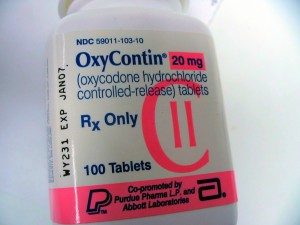
So what happens if you do NOT bring your child to a chiropractor first? This particular study looked at this question and the answers were disturbing enough to surprise even the researchers themselves. Narcotics are absolutely NOT the standard recommendation for any headache, let alone headaches in teenagers. While I think NSAIDs are almost as bad of an idea (because they don’t actually fix a darn thing as it relates to headaches), they are at least a better standard recommendation.

So when researchers looked at the insurance data from 8,373 13- to 17-year-olds who visited a clinician for headache (which is a common ailment in adolescents) researchers were sure that they would find that narcotic use was low. Instead, shocked researchers found:

• 46% of teens were given a prescription for a narcotic.
• 23% got two prescriptions.
• 29% got three or more prescriptions.

If the emergency room was involved, the likelihood of a narcotic being given were greater. Except in very limited situations, there is not a shred of evidence or any clinical practice guideline that suggests narcotics as the first line treatment for adolescent (or adult, for that matter) headaches.

So why and how does this happen? How can half of mainstream medicine be so distanced from the medical research as to give a child highly addictive pain medication for a condition that it should not be used for??

As a chiropractor treating these conditions without any drugs, I find that question even harder to answer.

Filed Under: Migraine, Raising Healthy Children Tagged With: chiropractic care for headaches, headaches, headaches in teens, teenage headaches

Snacking patterns influence energy and nutrient intakes but not BMI – (02-10-03)

February 10, 2014 by James Bogash

Snacking patterns influence energy and nutrient intakes but not BMI

I was just having a discussion with a patient the other day. She was still having occasional morning headaches, which may be a sign of hypoglycemia triggering cortisol release to break down lean muscle mass for glucose for the brain (which, incidentally, would be counterproductive to an exercise/lifestyle routine designed for weight loss…). So I suggested that she eat a healthy snack before bedtime to address the hypoglycemic issue. She got somewhat upset and said that her personal trainer did not want her eating anything after 7 or 8 o’clock. Hmm…insulin/cortisol dysregulation leading to weight gain, diabetes, CVD… or temporary weight loss. Tough call. Well, this article finds that snacking does not affect body mass index. I’ve never had a problem with patients snacking–it’s much more important what they are snacking on then when.

Synergy Abstract

Read entire article here

Filed Under: Headaches Tagged With: cortisol, headaches, Hypoglycemia, nutrient

Muscle Spasm Drug Shows Promise as Headache Treatment – (07-02-01)

July 27, 2013 by James Bogash

Muscle Spasm Drug Shows Promise as Headache Treatment

A few comments here. First, this just lends even more credibility to the use of trigger point therapy and manipulation for the treatment of headaches–the musculoskeletal system is usually heavily involved. On the other side, this article once again points to the one cause, one cure philosophy. If a patient comes into my office with chronic headaches, I can almost always guarantee that they have several types of headaches. I treat with trigger point therapy, stretching, manipulation as well as attention to controlling cortisol levels, addressing food allergies and addressing GI functional problems. Headache patients are a unique and wonderful challenge because I feel that we can almost always get 100% resolution if the patient is dedicated enough to the recommendations. Of course, you could use this pharmacological approach and suffer elevated liver enzymes–but don’t worry–they come back to normal after cessation of drug use.

World Congress of Neurology Tizanidine, a drug used to treat muscle spasms, may provide new hope for millions of people with frequent headaches, physicians said on Wednesday. American scientists told the World Congress of Neurology that tizanidine, marketed by the Irish pharmaceutical group Elan Corp Plc under the brand name Zanaflex, can cut the frequency, duration and intensity of headaches. In a study presented at the 5-day meeting in London, physicians from the Michigan Head Pain and Neurological Institute in Ann Arbor found that tizanidine reduced severe headaches by 55%. Dr. Alvin Lake and colleagues studied 92 patients with frequent headaches. Half of the subjects were randomized to receive tizanidine and half to receive placebo. After 12 weeks of treatment, the average intensity and duration of headaches improved by 51% in the tizanidine group compared with 34% in the placebo group. Side effects such as insomnia, dry mouth and drowsiness were more common in the treatment group. The researchers also found that liver enzymes were elevated in these patients, but returned to normal after treatment. Liver enzymes should be monitored, the investigators emphasized. “Medical literature focused on chronic daily headache is limited, so most of what we know about treatment strategies is based on anecdotal information,” Dr. Lake said. “This study is important because it gives clinicians scientific evidence regarding a new approach to treating an often difficult-to-treat condition,” he added. “Not only did the treatment with tizanidine reduce the amount of analgesic required by the patient, it seemed to work more efficiently on reducing the frequency of the most severe headaches,” Dr. Lake said.


Filed Under: Headaches Tagged With: cortisol levels, headaches, musculoskeletal system, Tizanidine, Zanaflex

Chronic Migraine Relief Begins…HERE?

March 26, 2013 by James Bogash

migrane headaches and gluten linked
Migrane headaches and gluten linked

You suffer from headaches and have been searching for some type of chronic migraine relief; so your PCP should send you to a neurologist, right?

It sounds like a great place to start.  After all, your headache is in your head and deals with your nervous system, right?  If you’ve been reading the Rantings for any time now, you understand how flawed this method of thinking is.  Migraines may be felt in the head, but they are really a problem with your entire body.  Something is wrong, and your body is screaming at you to fix it in the loudest way possible.

If this is the case, it certainly makes medicating a headache without finding the root cause shortsighted, if not downright dangerous.  Dangerous because, in those who experience migraines (particularly with aura and in women), there is an increased risk for things like stroke and heart disease.  Merely treating the headache with medications does not lower this increased risk.

So what does all this have to do with this particular study?

There is a well established relationship between food allergies and neurological problems, most notably wheat allergies to gluten.  The list is quite long, but does include seizures, which I have written in a previous blog article that can be read by clicking here.

Given that I’ve written a book on the relationship between migraines and seizures, it should come as no big shocker to you that, if gluten is related to seizures, it just might be related to chronic migraines headaches as well.

Researchers looked at patients with gluten sensitivity and inflammatory bowel disease to see how many of them experienced headaches.  Here’s what they found:

  • Celiac disease led to a 379% higher risk of experiencing headaches.
  • Gluten sensitivity led to a whopping 953% increased risk of migraine headaches (Tweet this).
  • For inflammatory bowel disease, there was an increased risk of 266%.
  • 72% of celiac disease subjects graded their migraine as severe.
  • 30% of IBD graded their migraines as severe.
  • 60% of GS rated his or her headache as severe.

These are some very strong associations.  Strong enough so that any physician treating a patient with migraines should be asking about diet and, more specifically, gluten intake.  If they do not, and the first recommendations are medications, it’s probably time to run the other way.  It would be a strong indication that the physician does not stay current with medical literature.  This is not someone I would want taking care of my brain.

If you suffer from migraines, have you tried a gluten free diet?  If so, did it seem to help?

Filed Under: Migraine Tagged With: Chronic Migraine, Chronic Migraine Headache, Coeliac disease, Gluten, Gluten Sensitivity, Gluten-free Diet, headaches, migraine, migraine headaches, Migraine Relief, migraines, Migraines And Seizures, Migrane Headaches, Patients With Migraine, Prevention Of Migraines, wheat allergy

Sometimes, Going to Work Just Doesn’t Pay – (08-30-02)

March 25, 2013 by James Bogash

Sometimes, Going to Work Just Doesn’t Pay

Some people like to “tough it out” and come to work every day, regardless of how under the weather they feel; however, this might not be the best idea: Employees who work while sick are often less productive than healthy employees. Research is showing that in some instances, this slowdown in production – known as “presenteeism” – may cost a company more than if an employee stays home for the day.

Researchers tried to estimate the losses in productivity caused by common health conditions such as allergies and headaches, and compared that estimate with other costs associated with the condition. The estimates were based on about 375,000 employees, including claims for medical care and disability over a three-year period.

The analysis showed that for many conditions, the costs of presenteeism were greater than other health care costs, such as absenteeism or health benefits. When other costs were added to losses from presenteeism, absenteeism, health benefits and disability benefits, the most expensive condition for employers was high blood pressure ($392 per employee per year), followed by heart disease ($368), mental health problems ($348), arthritis ($327) and allergies ($271).

If you’re an employer, consider examining your company’s sick-time policy and adjust it if necessary so employees don’t feel burdened to come to work when they are sick. As an employee, take the day off the next time you are sick. Toughing it out will likely prolong your illness, and you’ll be less productive and end up costing your company money in the long run.

To learn more about how to stay healthy – on the job and off – talk to your chiropractor and click here.


Filed Under: Uncategorized Tagged With: allergies, headaches, health conditions

  • Page 1
  • Page 2
  • Page 3
  • Go to Next Page »

Primary Sidebar

Patient Quick Guide

Schedule An Appointment
Contact Our Office
Download Patient Forms

Categories

Chiropractic Mesa Arizona

Arthritis Chiropractor Mesa AZ
Graston Technique Mesa AZ
Back Pain Chiropractor Mesa AZ
Back Pain Doctor Mesa AZ
Wrist Pain Chiropractor Mesa AZ
Rotator Cuff Chiropractor Mesa AZ
Shoulder Pain Chiropractor Mesa AZ
Knee Pain chiropractor Mesa AZ
Manipulation Under Anesthesia In Mesa AZ
Headache Chiropractor Mesa AZ
Chiropractic Mesa AZ
Stem Cell Therapy Mesa AZ
Regenerative Medicine Mesa AZ
Massage Therapist Mesa AZ
Shoulder Pain Doctor Mesa AZ
PRP Therapy Mesa AZ
Chiropractic Mesa AZ
Who Is The Top Chiropractor In Mesa AZ?
Knee Injury Doctor Mesa AZ?

Footer

Resources

Site Map
Disclosure
Additional Resources

Best Massage Therapist Mesa AZ
Arthritis Doctor Mesa AZ
Chiropractic Mesa AZ
Back Pain Doctor Mesa AZ
Rotator Cuff Doctor Mesa AZ
Chiropractor Mesa AZ
Massage Therapist Mesa AZ
PRP Therapy Mesa AZ
Knee Pain Doctor Mesa AZ
Stem Cell Therapy Mesa AZ
Headache Doctor Mesa AZ
Shoulder Pain Doctor Mesa AZ

Office

Lifecare Chiropractic
1830 S. Alma School Rd, Ste 135
Mesa, AZ 85210
(480)-839-2273
Also Serving Tempe, AZ

Get Directions

  • Home
  • About
  • Common Conditions
  • Additional Services
  • Testimonials
  • Blog
  • E-Books
  • Contact

Copyright © 2026 · LifeCare Chiropractic · All Rights Reserved.