• Skip to main content
  • Skip to primary sidebar
  • Skip to footer

LifeCare Chiropractic

The Best Chiropractic Care in Mesa, Arizona

  • Home
  • About
    • Why Lifecare?
    • About Dr. Bogash
    • Team Members
  • Common Conditions
    • Wrist Pain/Carpal tunnel syndrome
    • Elbow Pain/Epicondylitis
    • Headaches
    • Knee Pain and Knee Injuries
    • Low Back Pain
    • Shoulder Pain and Rotator Cuff Problems
  • Additional Services
  • Testimonials
  • Blog
  • E-Books
  • Contact

Headache, Migraine and Seizure Cures

Brain Damage in Epilepsy—Can it be Avoided?

January 16, 2015 by James Bogash

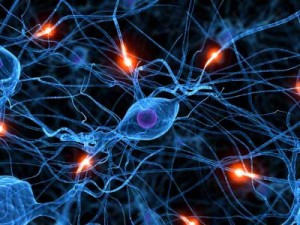
brain damage in seizures
abhijith3747/Dollar Photo Club

I don’t need to go into how epilepsy is a condition not limited to the brain, because I have covered this many times in the past.

This is also just one of the areas where migraines and seizures have similarities—migraines are also a brain condition that is not limited to the brain.  Both are an indication that something is very, very wrong.

All of the evidence points to an underlying problem with the way the brain cells are able to produce and use energy.  This problem is referred to as mitochondrial dysfunction (which just so happens to be one of my favorite phrases and, coincidentally, the root of all that is evil in chronic disease…).

In seizures, this problem generating energy leads to the brain cells firing before they are supposed to fire, resulting in a domino effect on other brain cells, producing the uncontrolled brain firing of a seizure.

In migraines, it is unclear whether the mitochondrial dysfunction creates the headaches by affecting the way blood vessels react in the brain, or whether a problem with the way blood vessels react (called flow mediated dilation) starves the brain for the nutrients it needs to generate energy.  Luckily, the lifestyle changes for both conditions are the same.

Regardless, researchers seem to agree that there is a serious problem with the blood vessels in both migraines and seizures.  Ultimately, blood vessel problems play a role in dementia and Alzheimer’s disease as well.

To clarify what I mean by “blood vessel problems,” you need to understand that your blood vessels are very dynamic.  They expand and contract as needed based on signals they get from the cells they feed to provide nutrients.  As an example, if you took a racquetball and started squeezing it repeatedly, the muscles cells in your hand and wrist will quickly need more nutrients to continue.  As a result a signal is sent to the blood vessels of the arms, causing them to dilate (open) and increase blood flow into the forearm and hand.

Picture this same action in the brain.  When the brain cells in an area need more oxygen, glucose or micronutrients, blood flow to this area of the brain increases.  No imagine if the blood vessels were no longer as responsive.  You end up with starving brain cells.  Not a good scenario.

With this as background, I’d like to throw this particular article into the mix.  In it, researchers reviewed the dangerous relationship between blood vessel function and damage and cognitive decline.  They open with identifying findings that are common between chronic epilepsy, Alzheimer’s dementia and age-related cognitive decline.  These include:

  1. Increased plaquing in the carotid arteries (CA–IMT)
  2. Elevated homocysteinemia levels
  3. Lipid abnormalities (cholesterol, triglycerides, VLDL, low HDL, etc…)
  4. Weight gain and obesity
  5. Insulin resistance / prediabetes
  6. High levels of inflammation
  7. High levels of oxidative stress

All of these factors wreak havoc on blood vessel health.  Poor vessel health not only damages the brain cells that it feeds, but the long-term dysfunction in the blood vessels ultimately damages the blood vessels themselves, leading to hardening of the arteries, making the starvation of the brain cells permanent.

All of this damage to the blood vessels lead to brain damage.  The authors note a few of the well-accepted brain changes as a result of this damage.  These include:

  • Decreased volume of the hippocampus (an area also shrunk by chronic stress and one of the areas that are damaged in Alzheimer’s dementia)
  • Increased cortical thinning of the frontal lobe (the area of the brain that deals with personality).
  • Ventricular expansion and increased white matter ischemic disease (a sign of brain cells dying)
  • Total brain atrophy (basically a shrinking brain)
  • β-amyloid protein in the brain (one of the principle proteins found in the brains of Alzheimer’s dementia patients)

If you’re still reading this far, then you now understand just how critically important it is to go beyond seizure control to making whatever lifestyle changes you need to make.  A true anti-seizure treatment protocol needs to include a lifestyle that is anti-diabetic and anti-heart disease.  Luckily, these lifestyles are pretty much the same.

And you may find that, once you have adopted a healthier lifestyle, your seizures will also improve.  You’ve got nothing to lose.

Except your brain cells.
Filed Under: Migraine, Seizures / Epilepsy Tagged With: Alzheimers dementia, cognitive decline, epilepsy, migraines, seizures / epilepsy

Epilepsy – Not Just a Brain Disorder

January 7, 2015 by James Bogash

epilepsy facts
waldemarus Dollar Photo Club

I have gone as far as writing a book on Migraines and Epilepsy to show that epilepsy needs to be treated from a full-body approach.

A treatment approach that just focuses on controlling the seizures is missing the real problem. Don’t get me wrong—controlling the seizures is the first goal. But it should never be the only goal.

A brain-health approach needs to evaluate the condition from all aspects, including dietary choices, exercise, stress management, environmental toxin exposures and supplementation. Medications are NOT a part of long-term brain health.

To really drive this point home, this particular study looked at what kind of medical services were used by 8388 epilepsy patients (based on claims from 8 different insurance plan claims). Of the data obtained, this is what I found the most interesting:

  • The top three procedures performed were an EKG, a CT scan and a chest X-ray.
  • The top five prescription drug classes anticonvulsants, analgesic-opioids, antidepressants, penicillins and dermatologicals.
  • 58% of the patients had one or more of 29 prespecified comorbidities and health care costs increased markedly as the number of these increased.

There is a whole lot of information to be digested in this study. For starters, it’s probably highly, highly likely that epileptic patients are getting over radiated with CT scans. This is not a big surprise considering that ER docs in general have an itchy trigger finger when it comes to ordering CT scans. When a patient comes into the ER having seizures (and this is most likely from an episode of status-epilepticus) ER docs seem to ignore the guidelines on proper CT use and order one anyway.

This would be just fine if CT scans were not responsible for some 29,000 cancers per death per year because of the high levels of radiation involved. MRIs, while not a quick (and therefore profitable), would be a much better option.

As for the drugs used by epileptic patients, I think we can all agree that anticonvulsants are no big surprise. But what about the analgesic-opioids?? Personally, I found this a little bit surprising, especially to be the second most common class of drugs. The opioid class of drugs has been under the microscope for the past few years because of the number of deaths that occur annually from the use of this class of drugs. And we’re not talking about “misuse” here, but rather prescribed and used as directed deaths.

There is no doubt that it is an overused and dangerous class of drugs. To then use this class of drugs in epileptic patients, who already have concerns over SUDEP (sudden unexpected death in epilepsy) just doesn’t seem to make any sense to me.

The presence of antidepressants on this list is no surprise, given that depression and epilepsy have some very strong links and that many anti-seizure drugs are now being used to trip depression (Depakote and Topamax just to name a few). Both have similarities in that there is a problem with the brain cells communicating normally–making sure the right messages get passed and stopping the ones that are not supposed to move on. Many natural approaches like exercise and fish oils benefit both conditions.

The next on the list, the penicillins, was a disappointing shocker and really raises some interesting questions. The ketogenic diet is a very powerful tool used to treat even the most refractory of seizures, but despite the research about how effective it is, the mechanism by which this diet controls seizures is not quite known. One of the theories that makes sense is that the diet alters the bacterial flora of the gut.

If this is true, then the bacteria flora of your gut plays a massive role in controlling seizures. And, you are incredibly well aware of the fact that antibiotics absolutely decimate the bacterial flora in the gut, taking years and years to recover, if ever.

Because of this, the fact that penicillin is the third most common drug prescribed to epileptics is particularly worrisome because we just really have no idea what kind of negative effect any antibiotic is going to have on the delicate make up of the bacterial flora of the gut.

The final class, dermatologicals, is also an interesting one. Given the close relationship between the gut and the skin (there are many conditions known to affect both of these types of tissues) it may indicate that the gut is completely out of whack in epileptic patients.

The last two drugs both point to the GI tract as being out of balance in epileptic patients. For this reason, a natural approach to controlling seizures would have to address the gut as well as the brain. Sadly, the gut is rarely on the list of organ systems that need to be addressed when it comes to your neurologist’s management of your seizures.


Filed Under: Migraine, Seizures / Epilepsy Tagged With: epilepsy, natural cures for seizures, seizures / epilepsy

Migraine Treatment and Heart Disease Risk

December 23, 2014 by James Bogash

Ok..let me get this straight.  Migraines are really a local  manifestation of a systemic problem, which is why we see increased risks of cardiovascular disease  and stroke in patients who suffer from migraines.  So, here we see that weight gain is common with drug treatment for headaches, and  this weight gain comes with worsening heart disease risk markers???  That’s what we call  a cure?

Read More


Filed Under: Migraine Tagged With: chronic headache relief, heart disease, Migraine Medications, migraines

Marijuana and Seizures: Reality, or Just an Excuse?

December 20, 2014 by James Bogash

marijuana and seizures
johny87/Dollar Photo Club

With seemingly half the states in the US passing some version of permissive cannabis laws, the list of conditions that benefit from its use just seems to grow.

But are there really benefits to marijuana use that extend beyond a different viewpoint while listening to Pink Floyd or attending a Parrothead event?

Before we answer that, let’s go over some background on marijuana by covering some of the more popular active constituents of cannabis.  The plant is a veritable cornucopia of bioactive compounds–with some 483 compounds having been identified to date.

  1. Tetrahydrocannabinol (THC) is the most famous component of the plant, known for producing the relaxation high associated with smoking marijuana.  It also has pain-blocking and anti-nausea properties .
  2. Cannabidiol (CBD) is another cannabinoid that has the most accepted medical use, especially with seizures.

CBD oil is something that has been gaining ground in the treatment of both migraines and seizures.  Despite it’s name, CBD oil is really a mismosh of compounds, including multiple types of healthy fats, amino acids and fiber.  It does contain a small amount of the CBD noted above.  While we don’t really know which aspect of CBD oil is having a positive effect on the brain, it really doesn’t matter to those who see a benefit.

It is beyond the scope of this article to go into the different strains being grown with varying levels of THC and CBD, mainly because it’s outside of my realm of knowledge.  It is clear that regular medical users seem to have different experiences with different strains.

One thing that is clear, if you can rise above the debate of its legalization, there are clear medical benefits of marijuana compounds in migraines and epilepsy.  I’ve had patients over the years who have successfully controlled their seizures using marijuana when medications were not able to.  In some cases I’ve felt it might have been just pure stress reduction from the euphoria, in other cases something else was at play.

This particular study, while a little detailed, takes in in-depth look at just what mechanisms may be at play in the anti-seizure effects of the cannabinoids.  In it, researchers looked at one of the two main cannabinoid receptors (CB2R) in the brains of rats to see what effect a marijuana-like synthetic compound had inside the cell.

While I will not go into specifics (no really–if you want to read more about the compound used, termed WIN 55,212-2, (R)-(+)-[2,3-dihydro-5-methyl-3-(4-morpholinylmethyl) pyrrolo[1,2,3-de]-1,4-benzoxazin-6-Yl]-1-naphthalenylmethanone, then feel free to study it yourself….) suffice it to say that research has moved beyond the idea that compounds found in marijuana have anti-seizure effects to trying to figure out exactly how they work.

The skeptic in me would say that this is just so we can create a synthetic compound (like the $1.50 word above) to mimic marijuana’s effect so some drug company can patent it later.  But only because this is the model they live by.

In the meantime, if you have migraines or seizures and your neurologist seems hesitant to discuss the medical use of marijuana, it might be time to find a new one.


Filed Under: Migraine, Seizures / Epilepsy Tagged With: cannabinoids, CBD, CBD oil, marijuana, medical marijuana, THC

Ketogenic Diet for Infantile Seizures

December 5, 2014 by James Bogash

SIMPLE DIET EFFECTIVE FOR INFANTS WITH SEIZURES? I have never understood the reluctance of neurologists to strongly recommend the ketogenic diet for patients with seizures. Studies strongly support it’s effectiveness and safety, many times above anticonvulsant meds. In this particular study of infants with seizures, the average number of anticonvulsants was 3.6. 3.6 medications with unknown effects on the brain and brain development. 2/3 of the infants were responsive to the ketogenic diet. Why, why, why would this NOT be the first line approach to infantile spasms? Or, at the very least, initiated immediately along with AEDs. This goes for children and adults as well.

Read More

Filed Under: Seizures / Epilepsy Tagged With: infantile seizures, ketogenic diet, seizures / epilepsy

Migraines "Under Control" with Meds? Better Think Twice

October 24, 2014 by James Bogash

chronic migraines and Parkinsons
Chronic migraines linked to Parkinson’s disease

Last Update December 18, 2014

I don’t mean to beat a dead horse, but merely managing your chronic migraine headaches with meds is not the answer.

I am not saying that it’s not the short-term goal.  If you’ve ever spent time on some of the social networking sites  that relate to migraine headaches, you’ll realize just how devastating and life-shattering migraine headaches can be.  Jobs, relationships and lives in general can be restricted to living like a hermit in constant pain.

I understand that controlling the pain of the headaches is the first priority for a migraine sufferer.  But not everyone gets relief from medications.  This group spends their lives in a constant search for relief.  Medication after medication after medication.  When they’re lucky enough to find a medication to help, sometimes the side effects are just as debilitating.

The other group includes the ones who do find relief from medications.  But then they stop there, blissfully unaware that this is just the first step.

I have written over and over that the headaches are the symptom of a much bigger problem.  The headache is NOT a problem in the head.  Rather, it is the brain that is the most sensitive organ to the unbalanced state of health, with the critical dysfunction coming from blood vessel health (also referred to as “vascular health”).

Poor vascular health is at the root of migraines.  It is not always the only answer, but in most it is the principle problem.  If you can address vascular health and improve the health of your blood vessels, it is highly likely that you’ll find that your migraines improve as your blood vessels do.

Just in case you think I’m crazy for suggesting this merely because your neurologist has never suggested it, I would like to present as evidence this particular study.

In it, researchers looked at the relationship between the development of Parkinson’s disease in migraine sufferers in the AGES-Reykjavik study.  And the news isn’t good.

The Age, Gene/Environment Susceptibility-Reykjavik Study (AGES-Reykjavik) is a study that began in 2002 and is designed to look at the relationship between risk factors, including genetic susceptibility and gene/environment interaction, in relation to disease and disability in old age.

Between 2002 and 2006, 5,764 participants from this study were reexamined to look for symptoms of parkinsonism, Parkinson disease, a family history of Parkinsons and Restless Leg Syndrome.  Here’s what they found:

  • People who experienced midlife migraine (especially migraine with aura) were 360% more likely to report parkinsonian symptoms.
  • They were also 250% more likely to be diagnosed with Parkinsons.
  • Women who had migraines with aura were 226% more likely to have a parent or 178% more likely to have a sibling who were diagnosed with Parkinsons.
  • All of those who experienced headaches were more likely to experience Restless Leg Syndrome.

Parkinson’s disease has been strongly linked to prediabetes and diabetes.  The damage to the blood vessels that occurs in the diabetic process is pretty bad, leading to actual brain damage and dying brain cells.  I don’t know about you, but I’m hoping to keep all my brain cells intact as long as possible.

While no single study or research finding is enough to set anything in stone, the links between poor vascular health and migraines is quite extensive.  Extensive enough to warrant finding a new neurologist if this has never been discussed with you.

It is equally clear that vascular problems LEAD to migraine headaches, NOT the reverse.  This means that all the bang for your buck is in improving the health of your blood vessels to help your migraine headaches, not improving blood vessel health by controlling your migraines.  There is not a single medication used to control headaches that does anything to improve blood vessel health.

There are quite a few ways to improve the health of your blood vessels.  While it is beyond the scope of this article (you can read all about it in my Migraines and Epilepsy eBook by clicking here) here are a few short tips:

  1. Short-burst exercise is a must
  2. Cocao products like dark chocolate and cocoa, are very good for the blood vessels
  3. Berries
  4. Wild caught fish
  5. Not smoking (smoking DESTROYS the blood vessels)

While this is the short list, it should be enough to get you started.

Filed Under: Migraine, Parkinson's Tagged With: Chronic Migraine, chronic migraine relief, headache, migraine, Parkinson's disease, restless leg syndrome, vascular health

Natural Remedies for Seizure Control: You Haven’t Heard This

October 18, 2014 by James Bogash

natural remedies for seizures
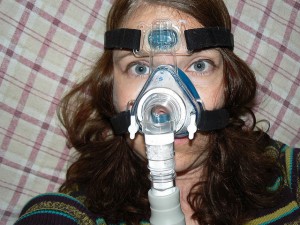
Photo courtesy of CPAP, sleep apnea, seizures, natural remedies for seizures, epilepsy

I’ve been reviewing research related to seizure control and brain health for many years now through the lens of natural medicine.

I still remember being in a consult with an epileptic patient with a very well-known neurologist to discuss natural methods to help control seizures.  Despite this particular neurologist’s association with one of the top healing physicians in the world, his did not feel that there was really much to be done for seizure control beyond medications.

I guess he could never really look beyond the deficiencies and brainwashing of his traditional medical, drug-oriented training to evaluate the power of natural approaches to seizures.

That was really sad for this particular patient.  And every other epileptic patient saddled to a neurologist (or epileptologist, for that matter) who believe antiepileptic drugs are the only answer.  They will spend their lives chasing one drug after another to find one that helps your seizures and has acceptable side effects.

But, if you’ve been lucky enough to partner up with someone who actually reads medical literature, you will find that there is a long list of approaches that have been documented in the medical literature that can help you better manage or even eliminate your seizures.

It is all about healing your brain.  If you experience seizures (or migraines or both) your brain is not functioning the way it is supposed to.  Messages are getting into cells that are not supposed to be.  Other messages that are supposed to be delivered to the cell don’t make it.  Your very brain cells are starved for energy so they can work the way it was intended.

Natural approaches to seizures take this into account.  I’ve covered many of them over the years, from vitamin D to exercise to fish oils.  Some are simple.  Others require an upheaval of your lifestyle.

But I have never covered the approach outlined in this particular study.

I guess, had I thought about it, sleep apea would have a strong association with seizures.  It’s a stress on the body and brain.  It’s linked to prediabetes (prediabetes leads to sleep apnea and sleep apnea worsens prediabetes) and prediabetes is really bad for the brain.  It starves brain cells of the oxygen it so desperately needs.  And, it occurs at night when the seizure threshold is lower.

Researchers looked at a group of 132 adults with epilepsy to evaluate them for sleep apnea to see whether the use of a CPAP had an effect on the number of seizures over the course of a year.  Here’s what they found:

  • Seventy-six (57.6%) of the group had obstructive sleep apnea (this is pretty darn high).
  • 73.9% of those in the PAP-treated group had more than a 50% seizure reduction in seizures (versus only 14.3% in the untreated sleep apnea patients—HUGE difference).
  • Overall, the PAP-treated group experienced a 58.5% reduction in seizures (versus 17.0% in the untreated sleep apnea group—again a HUGE difference).
  • 83.7% of those who had PAP-treated sleep apnea had a ≥ 50% seizure reduction or became seizure-free (versus 53.6% in those who did not have sleep apnea and 39.4% in those who had sleep apnea but did not use a PAP).
  • To put this in perspective, in those PAP-using sleep apnea adults, they were 9.9 times more likely to have a good outcome than those with untreated sleep apnea and 3.91 times those who did not have sleep apnea.
  • When measured in terms of seizure reduction, the group with PAP-treated sleep apnea were 32.3 times more likely to experience a ≥ 50% seizure reduction compared with the group with untreated sleep apnea and 6.13 times compared with the group with no sleep apnea.

These are some pretty serious numbers.  To flip everything around, it can be said that sleep apnea is very, very bad for the brain when left untreated.  If any of these fits you (whether or not you have seizures), it’s time you got checked out:

  • Chronic loud snoring
  • Witnessed apneic episodes or breathing pauses during sleep
  • Excessive daytime sleepiness
  • BMI > or equal to 28
  • Small jaw / small airway
  • Large neck size (at least 17” male, 15.5 female)
  • Family history of sleep apnea

In addition, your risk for sleep apnea is increased if you have high blood pressure, Type 2 diabetes or untreated hypothyroidism.

If any of the above fits you AND you are epileptic, given how much of a difference it made in this study, you need to get checked out for sleep apnea and get treatment (i.e. CPAP) if you have sleep apnea.

Filed Under: Seizures / Epilepsy, Sleep Apnea Tagged With: CPAP, epilepsy, natural remedies for seizures, seizures / epilepsy, sleep apnea

Natural Remedies for Seizures in Women

August 6, 2014 by James Bogash

I was at a marketing event this week and ended up having a conversation about a teenage girl who had epilepsy.  Natural remedies for seizures came up in conversation.

The seizures had begun about a year ago right around the time that her menstrual cycles started, and her seizures were tied to her menstrual cycles (the term for this type of seizure is “catamenial”).  The answer from the “specialists” was to put her on anti-seizure meds as well as the birth control pill.  Sounds great on the surface, but when you look a little deeper, you’ll see that this is not the best approach.

Progesterone is a hormone produced by both the adrenal glands and (in women), the ovum released by the ovary.  While it has a long list of actions in the human body, one of the most important features of progesterone on the brain deals with allopregnanolone.  Allopregnanolone is a hormone that your body produces from progesterone that has a very potent ability to calm the brain.  Specifically, it works on the GABA receptors.  Phenobarbital and the benzodiazepienes (like Valium, Ativan and Xanax act) on GABA receptors, so you probably have an idea of what GABA does.

Having healthy levels of progesterone is therefore important for brain health, especially where seizures are involved.  Even more important is to avoid rapid changes in progesterone levels.  For this reason, managing menstrual cycles of women with epilepsy is critical.

Managing menstrual cycles does NOT include using the birth control pill.  The birth control pill does not fix anything.  Even worse, the synthetic progesterone (called progestin) does NOT convert to allopregnanolone, so the brain loses out on the opportunity to make this protective compound.  Because of this, using the birth control pill to help manage seizures in an adolescent is a bad idea and does nothing to fix the actual problem.

Menstrual irregularities in women frequently stem from imbalances between estrogen and progesterone.  Prediabetes and environmental estrogen exposures (BPA, phthalates, flame retardants, etc…) are two of the biggest factors that throw off menstrual cycles and lead to a reduction in the amount of progesterone  released from the ovum (inadequate luteal production of progesterone, or ILP).

Seizures that are related to the menstrual cycles (catamenial) need to be addressed from the standpoint of progesterone and menstrual irregularities.  One of the tools that can be used for catamenial epilepsy is progesterone, given either orally or as a suppository.

It makes sense.  It’s inexpensive, has an excellent safety profile compared to seizure drugs and it makes sense because it just supports the brain’s natural anti-seizure tools.  But progesterone is a tool that is rarely used by neurologists for catamenial epilepsy.

The use of progesterone for seizures took a hit a few years back when Dr. Andrew Herzog, the most prominent researcher in the field of progesterone for seizures, had the results of a progesterone trial on temporal lobe epilepsy published.  This trial did not find a benefit to the use of progesterone on temporal lobe epilepsy.

This was enough to support the neurologists’ opinions that progesterone use was worthless.  But, it turns out the story wasn’t complete.

If you consider that progesterone for seizures is going to be the most effective for women who have catamenial epilepsy, the use of progesterone for all women might not make sense.  Enter this particular study.  In it, Dr. Herzog teased apart the data between women with catamenial epilepsy and those who did not.

Specifically, the study looked at the use of cyclic natural progesterone therapy for intractable seizures (non-responsive to medication) in 294 women.  Turns out that the women who had more seizures around their menstrual cycle (3-fold or greater increase in average daily seizure frequency) had a much better response to the progesterone compared with women who had more seizures during other periods of their cycles (midfollicular and midluteal phases).

The bottom line is, used in an appropriate patient, progesterone can be a very powerful tool to help control seizures naturally.  The problem is that few doctors will use even recognize the catamenial aspect of seizures (or migraines, for that matter), let alone understand that progesterone can be used in these scenarios.

Filed Under: Seizures / Epilepsy Tagged With: allopregnanolone, epilepsy, natural remedies for seizures, progesterone, seizures / epilepsy

  • « Go to Previous Page
  • Page 1
  • Page 2
  • Page 3
  • Page 4
  • Page 5
  • Page 6
  • Interim pages omitted …
  • Page 18
  • Go to Next Page »

Primary Sidebar

Patient Quick Guide

Schedule An Appointment
Contact Our Office
Download Patient Forms

Categories

Chiropractic Mesa Arizona

Arthritis Chiropractor Mesa AZ
Graston Technique Mesa AZ
Back Pain Chiropractor Mesa AZ
Back Pain Doctor Mesa AZ
Wrist Pain Chiropractor Mesa AZ
Rotator Cuff Chiropractor Mesa AZ
Shoulder Pain Chiropractor Mesa AZ
Knee Pain chiropractor Mesa AZ
Manipulation Under Anesthesia In Mesa AZ
Headache Chiropractor Mesa AZ
Chiropractic Mesa AZ
Stem Cell Therapy Mesa AZ
Regenerative Medicine Mesa AZ
Massage Therapist Mesa AZ
Shoulder Pain Doctor Mesa AZ
PRP Therapy Mesa AZ
Chiropractic Mesa AZ
Who Is The Top Chiropractor In Mesa AZ?
Knee Injury Doctor Mesa AZ?

Footer

Resources

Site Map
Disclosure
Additional Resources

Best Massage Therapist Mesa AZ
Arthritis Doctor Mesa AZ
Chiropractic Mesa AZ
Back Pain Doctor Mesa AZ
Rotator Cuff Doctor Mesa AZ
Chiropractor Mesa AZ
Massage Therapist Mesa AZ
PRP Therapy Mesa AZ
Knee Pain Doctor Mesa AZ
Stem Cell Therapy Mesa AZ
Headache Doctor Mesa AZ
Shoulder Pain Doctor Mesa AZ

Office

Lifecare Chiropractic
1830 S. Alma School Rd, Ste 135
Mesa, AZ 85210
(480)-839-2273
Also Serving Tempe, AZ

Get Directions

  • Home
  • About
  • Common Conditions
  • Additional Services
  • Testimonials
  • Blog
  • E-Books
  • Contact

Copyright © 2026 · LifeCare Chiropractic · All Rights Reserved.