• Skip to main content
  • Skip to primary sidebar
  • Skip to footer

LifeCare Chiropractic

The Best Chiropractic Care in Mesa, Arizona

  • Home
  • About
    • Why Lifecare?
    • About Dr. Bogash
    • Team Members
  • Common Conditions
    • Wrist Pain/Carpal tunnel syndrome
    • Elbow Pain/Epicondylitis
    • Headaches
    • Knee Pain and Knee Injuries
    • Low Back Pain
    • Shoulder Pain and Rotator Cuff Problems
  • Additional Services
  • Testimonials
  • Blog
  • E-Books
  • Contact

Diet Choices for Your Best Health

But I Avoid White Flour and Sugar–Isn’t That Enough?

September 26, 2015 by James Bogash

I can honestly say that it is very rare that patients truly understand what a refined carb is and how bad it is for health.

Which is disturbing considering that refined carbs are known to increase the risk of pretty much every chronic disease known to man.  Regardless of what color it is, if a product contains enriched wheat flour, sugar or high-fructose corn syrup (HFCS) it is REFINED and needs to be avoided.

You HAVE to read the ingredients label.  It is sad that many “diet” websites that provide nutritional information do not actually list the ingredients!!

In this particular study, women eating a higher glycemic index diet (which would mean her diet is much higher in refined carbs instead of whole grains) had almost a 300% higher risk of dying from some type of inflammatory disease.  And yet, society as a whole is not being educated on what a “refined carb” is.  Abhorable.

Filed Under: Anti-Aging, Dietary Fiber Tagged With: enriched wheat flour, high-fructose corn syrup, inflammation, refined carbohydrates, whole grains

Should Our Children Be Eating Soy?

September 15, 2015 by James Bogash

The is no doubt that the earlier a girl experiences menarche, the scarier it is.  This greatly increases the risks of estrogen related cancers like endometrial and breast cancers.

Early menarche also means that the hormonal disturbances that caused the early onset of menses are NOT due to “Mother Nature-planned” physiological changes.  In other words, hormonal disturbances are only the beginning of the problem.  Overall, anything we can do to slow the onset of menarche the better.

In this particular study, researchers found that in girls, the higher her levels of isoflavones were (found principally in soy) the later they reached menarche.  Seems strange, doesn’t it?  The “they” who say soy is evil would have us believe that it is loaded with hormones that interfere with normal development, but in this study (and many others…) we actually see soy intake intake protecting normal development.

As usual, I have to include the typical disclaimer when talking about soy–not the processed, GMO laded textured vegetable protein that makes up the bulk of veggie burgers that you can buy in the grocery store.  Rather, organic or GMO-free soy in all its forms–tofu, edamame, miso, natto, etc…

Filed Under: Breast Cancer, Soy Tagged With: breast cancer, isoflavones, menarche, puberty, soy

Is Soy as Bad for Us as “They” Say?

September 3, 2015 by James Bogash

You know, I read A LOT of medical literature.  Finding negative health effects of soy is actually quite difficult.

The evidence on the health of soy is overwhelmingly positive.  There are still oncologists telling their breast cancer patients to avoid soy, despite the fact that it DOUBLES survival rates.  Of course, we are talking about organic (i.e. non-GMO) and unprocessed (no “soy burgers” or “soy dogs” or “TVP”).

The other complicating factor that needs to be understood about soy is that, for the full benefits to be obtained, we need to have the right blend of good bacteria in our gut to convert the isoflavones to their aglycone form, thus getting the most benefits from the soy intake.  This particular small study further confirms this, finding that the ability of soy to lower cholesterol was greater when prebiotics (fiber that can aid the growth of healthy bacteria) were added into the diet.

Filed Under: Cholesterol, Soy Tagged With: microbiome, prebiotic, soy

Alcohol Intake and Cancer–Add this to Negate the Risk

July 18, 2015 by James Bogash

alcohol and cancer risk
yahyaikiz / Dollar Photo Club

The link between breast cancer and alcohol intake has bounced back and forth between no risk and increased risk.

The past few years has seen this association settling in on the recommendation that alcohol intake does increase your risk for breast cancer. The mechanism relates to the fact that alcohol raises the level of sex-steroid hormones in the bloodstream. Since sex steroids like estrogen are clearly linked to breast cancer, it might make sense that alcohol would then increase breast cancer risk.

For most of you, this is not a good recommendation and one that has not been followed by most of the population. This also remains in conflict with the fact that the risk of many other chronic conditions are lowered by moderate alcohol intake like diabetes and heart disease.

But what if you other healthy lifestyle choices could counteract this increased risk seen with alcohol intake?

That’s just what researchers looked at in this particular study. Since dietary fiber has been shown to lower the impact of elevated sex-steroid hormone levels (via decreased blood concentration and increased sex hormone–binding globulin concentration), it would seem reasonable to assume that dietary fiber would be a good candidate for offsetting the risks of alcohol intake on hormone-dependent cancers like breast cancer.

The study included 3771 women and 2771 men who completed an initial intake and were followed for an average of 12.1 years. In this time, 297 incident hormone-dependent cancer cases, including 158 breast and 123 prostate cancers, were diagnosed. Here’s what they found:

  • Higher alcohol intake was directly associated with a 36% higher risk of hormone-dependent cancers (the risk specifically for breast cancer was 70% higher with no elevated risk for prostate cancer).
  • But when higher alcohol intake was combined with low fiber intake, this risk skyrocketed 76% for hormone-dependent cancer (the risk specifically for breast cancer was 253% higher and prostate cancer risk was no elevated by 37%).
  • These elevated risks were NOT seen in those with the highest dietary fiber intake.

Overall, it was clear that dietary choices were able to impact the risk of hormone-dependent cancers from increase alcohol intake. This finding could go a long way towards explaining some of the discrepancies seen in prior research studies looking at the links between alcohol intake and hormone-related cancers.


Filed Under: Breast Cancer, Dietary Fiber, Prostate Cancer Tagged With: breast cancer, cancer, dietary fiber, prostate cancer

Want to Add More Muscle Mass? Use This Simple Trick Before Bed

July 3, 2015 by James Bogash

post workout protein details
rasstock / Dollar Photo Club

Admit it.  You’d like to be built just a little more like the Rock or Jennifer Aniston, especially if it wouldn’t take much work.

Hate to disappoint you, but it’s not going to be that easy.  But every little bit helps.  And exercise is going to have to be a part of it.  You can’t hook up some cheesy As-Seen-On-TV electronic gadgets to your abs while watching the Walking Dead and expect to make it to the cast of Magic Mike IV.  And there certainly isn’t any fat burning supplement you can buy at GNC that’s going to work magic either.

Dietary choices and exercise have to be a part of the equation.  Both resistance and aerobic (although I have pointed out in prior articles that resistance training IS aerobic training).

If you browse the shelves of your local healthfood store (or worse, a national chain supplement store) you’ll see all kinds of products geared towards weight lifting and bodybuilding.  Quite frankly, most of these are junk products promoted through a mutation of the medical research.

Take the “NO-______” products (fill in the blank…explode, explosion, burst, etc…) that are loaded with the amino acid arginine.  Yes, arginine is a precursor to nitric oxide that helps to open up blood vessels.  This led to the mistaken idea that putting arginine into an awful tasting drink mix will open up blood flow to the muscles and allow a stronger set when lifting.  And these products aren’t cheap.

Of course, for many Americans, the most important thing is to actually HAVE a workout.  But once you’re past that hurdle, there really are some solid approaches that can help you improve the outcomes from your workouts.  Probably one of the more tried and true is the use of creatine.  Creatine is used by the muscles to make a short-term energy source called phosphocreatine.  More phosphocreatine leads to a better short term energy boost, allowing for that extra rep or even an extra set.

Another popular approach is the use of protein supplements.  The list of available products is quite long and varied and can be purchased anywhere from the aforementioned health food store to Walmart and Costco.  Unfotunately, many of these products are junk and loaded with artificial sweeteners and should be avoided by anyone serious about getting in shape.  In reality, you can likely get just as good of a boost of amino acids from eating a chicken breast or bison burger.

And maybe an even more important question should be the “when” of taking protein powders.  Since most of our muscle recovery and healing occurs while we are sleeping, it does seem like this might be a good time to make sure our bodies have a decent supply of amino acids to work with.  Despite this, most gym-goers seem to indulge in protein shake homage either in the morning or immediately after a workout.

If this fits you, it’s possible that this particular study may change your mind.  In it, researchers took 44 young men (21-23 years old) in a progressive, 12-week resistance exercise training program and split them into two groups.  One group took a protein supplement with 27.5 g of protein, 15 g of carbohydrate, and 0.1 g of fat every night before going to bed.  The other group received a non-calorie placebo drink.

Outcomes were assessed using a whole-body (dual-energy X-ray absorptiometry), limb (computed tomography scan), and muscle fiber (muscle biopsy specimen) level before and after exercise training. Strength was assessed using a 1-repetition maximum strength testing.  Here’s what they found:

  • Muscle strength increased 26% more in the protein-supplemented group (74.5 pounds versus 59.0 pounds).
  • The size of the quadriceps muscle (cross-sectional area) increased 75% more in the protein group (8.4 cm2 vs. 4.8 cm2).
  • There was a 129% greater increase in type II (fast-twitch) muscle fiber size in the protein group (2319 μm2 versus 1017 μm2).

I don’t know about you, but getting a pretty significant boost in outcomes from the SAME workout sure sounds like a good thing to me.  But remember, this group was involved in a 3 month progressive exercise routine to go along with the protein supplement.  That being said, here are some decent options for protein powders that you can find on Amazon (I’m somewhat partial to plant-based proteins):

  1. Orgain organic plant based protein powder
  2. Garden of Life RAW organic protein (this brand had some problems with heavy metals last year, but this seems to have been resolved)
  3. Vega sport performance
  4. Or, if you happened to read my prior article on the powerful effects of glutamine on your gut bacteria, you may be able to kill two birds with one stone by trying a glutamine powder.

Let me know if this works for you…


Filed Under: Dietary Protein Tagged With: build muscle, Dietary Protein, post-workout protein, protein

Eyesight Going? Surprising Factor in Your Diet May be to Blame

April 6, 2015 by James Bogash

visual acuity and diet
Garevskaya Elina / Dollar Photo Club


I’ve written before about the Paleo diet and pointed out that the true understanding of what our hunter-gatherer ancestors ate is often shallow.

Let’s face it.  If I gave you a spear and told you to go out and get dinner, the odds of you coming back with a deer or buffalo are likely not very good.  Unless you happen to have medaled in javelin in the Olympics.

Those of us less familiar with how to throw a spear to catch our dinner are likely to come back with less-then-typical protein sources; rodents and insects topping the list.  Not items you would normally see in your weekly circular from the local grocery store.

But what types of plants did our ancestors eat?  Some of what they ate, like fruits, would be familiar to you, but the list of unfamiliar foods would be much bigger and probably don’t make regular appearances in your kitchen.  In addition, grains were probably all wild gathered and not cultivated.  So why does this matter?

There are protective plant-based compounds in the foods we eat.  Sure, you may know that broccoli is good for you, but you may not realize that it is because broccoli contains compounds like dithiolthiones, indoles, glucoraphanin, s-methyl cysteine sulfoxide, isothiocyanates and indole-3-carbinol.  It’s got some vitamins in it as well, but the true benefits of broccoli come from the phytonutrients.

This is the same with other foods that we eat.  But, walking though the produce aisle of your favorite grocery store, how many different varieties of plant foods do you really choose?  What’s in your fridge right now?  I’m betting not much more than 5-10 different fruits and vegetables.  This provides us a much narrower exposure to phytonutrients.  And this will affect your health in subtle ways.

Like maybe your eyesight and distant visual acuity.

Here’s a little tidbit I’ve just recently learned: Hunter-gatherer populations do not suffer from a loss of distant visual acuity as they age (myopathy, aka nearsightedness) like we do.

Huh??

Having just recently had my 46th birthday, I’m resisting the urge to run out and buy readers for the smaller font items I come across.  Vitamin bottle labels?  It’s a global conspiracy to shrink the font on these.  Has nothing to do with my eyesight.

A few months ago I was on the phone with service for my TV.  The advisor asked for the serial number off the back of the TV.  I don’t know if font numbers go below 1, but I needed a microscope to read these.  Has nothing to do with my eyesight.

Despite this denial on needing readers, my distant visual acuity remains intact.  But I never really thought that the realm of nutrition would cut across so strongly into how your eyesight deteriorates (or doesn’t) as you age.  Turns out this is a pretty well-accepted relationship, which would explain why myopia (nearsightedness) is becoming far more common in today’s processed lifestyles.

Which brings us to this particular article.  In it, researchers hypothesized that a much broader variety of phytonutrients in the diets of hunter-gatherers was responsible for the protection of visual acuity as they age.  So they evaluated the diets of the Amazonian Kawymeno Waorani hunter-gatherers and then compared them to the neighboring Kichwa subsistence agrarians to see how they compared.  Here’s what they found:

  1. Hunter-gatherers consumed more food species (130 vs. 63)
  2. Hunter-gatherers consume TWENTY TIMES more wild plants (80 vs. 4) including 76 wild fruits.
  3. Visual acuity got worse with age only in agrarians.
  4. Hunter-gatherers maintained high visual acuity throughout life.
  5. Surprisingly, there the visual acuity of younger participants was high across the board which may be related to local, organic, whole food diets of the agrarians when compared to out low quality modern food production diets.

While I can honestly say that I’ve been eyeing the weeds I’ve been pulling out of my yard since I read this study, I haven’t quite gotten to the point of snacking on them.

So what can you do?  Obviously expanding the horizons of what you buy and prepare from the grocery store is a great first step.  Branch out into kale, red chard, Brussels sprouts and jicama.

Besides this, our family uses a lot of spices.  Spices are a great way to expand your “phytonutrient” horizons because spices are loaded with protective compounds and can be very easily integrated into your current lifestyle with very little effort.


Filed Under: Diet Choices for Your Best Health Tagged With: Hunter-gatherer, myopia, nearsightedness, Paleo Diet, vision loss

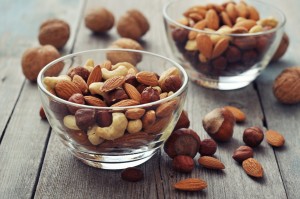
Nuts About Your Health?

March 14, 2015 by James Bogash


nuts and mortality
tashka2000/Dollar Photo Club

Orthorexia nervosa.  A condition for those who have an unhealthy obsession with otherwise healthy eating. Not an official diagnosis, but one that has been thrown around.

So where’s the diagnosis for the section of the population that has health concerns like obesity, diabetes and high blood pressure but continues to eat fast food and drink soda?  There isn’t one.  These people are considered “normal.”

But god forbid you go to the farmer’s market to get locally grown produce, grass fed beef and organic chicken.  Then you’re sick and have a diagnosible condition.

Go figure.

All of this terminology sets the stage for this particular study.  In it, researchers looked at the well-known benefits of nut consumption on 20, 742 male physicians and how it related to their overall risk of dying.  But before we get into the findings from the study, there are a few very important points about nut consumption that need to be clarified.  Here’s advice that I give to patients:

  1. Never, ever eat nuts that have oils added to them.  Dry roasting and salted is ok (I’m typically not overall concerned with sodium intake).  But never eat nuts that have cottonseed or peanut oil in the ingredient list.  I find that many people eating nuts are eating nuts with added oils.
  2. It really doesn’t matter what type of nut you prefer.  Research is strong on ALL of them (including peanuts, which are technically legumes).
  3. Although nuts are very healthy for you, they still contain calories.  Do not eat them with abandon.  Rather, keep portion size in mid just like you would with any other type of snack.  Personally, I buy pistachios in the shell (my personal favorite can be found on Amazon by clicking here).  That way having to do some work to open the shells slows me down…
  4. For a great mid day snack, mix in a few different nuts with a small morsel or two of dark chocolate drops.  Even more bang for your health buck.

With that being said,  here’s what the researchers found when they looked at the data:

  • Those who had 1-3 servings per month had an 8% lower risk of dying (seriously…per MONTH?).
  • There was a 15% and 14% lower risk of dying for those consuming 1 serving per week or 2-4 servings per week, respectively.
  • For those men consuming 5 or more servings per week there was a 26% lower risk of dying.

Let’s face it.  There are harder ways to lower your risk of dying.  And quite a few easy ways to increase your risk of  having your loved ones bury your in the grave.  If you add some dark chocolate to your daily nut consumption, these protective numbers are going to jump up even higher.  And, if by chance your nut and dark chocolate snack displaced a bag of Hot Cheetos, you’re WAY ahead…


Filed Under: Diet Choices for Your Best Health

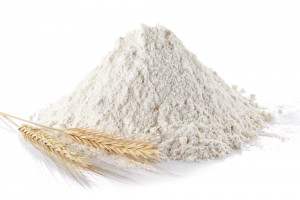
To Wheat or Not to Wheat-THAT is the Question

March 11, 2015 by James Bogash

whole grains and inflammation
baibaz/Dollar Photo Club

Over the decades one macronutrient or other has gotten beat up: fats, carbs, proteins. Sometimes it’s components within these food groups: eggs, red meat, potato chips, etc…

But rarely do we pay attention to anything beyond the hype.  Most of the controversy over foods that have been demonized has been taken out of context.  Except potato chips and fast food.  They are evil.

But other things, like fats as an entire food nutrient, were completely taken out of context and as a result we lost an entire decade of good fats from our diets.  Proteins were heavily promoted with the Atkin’s diet without any discussion about plant versus animal-based proteins.  And carbs have always taken a beating, without any real discussion about whole grain versus refined junk.

You can’t go a day without hearing about gluten-this or gluten-free that.  I’ve seen products labeled as “gluten-free” that would never have gluten in them anyway, purely for marketing.  But this is for good reason because there are clear links between gluten in foods and conditions like migraines, seizures and skin conditions, just to name a few.

Do I think that the whole “gluten-free” craze has been overblown?  Yes.  Do I think that there is a good sized chunk of the population who should live gluten free?  Yes.  Do I think that the rest of us should live a gluten-minimal diet?  Yes again.

Buried within the research and hype on gluten-free is the fact that we eat processed junk.  There is no doubt that enriched wheat flour is very bad for our health and should be avoided.  How much of the benefits of going gluten free are actually from avoiding enriched wheat flour?

Let’s face it–most of the carbohydrates we eat today are processed.  Much as I’ve tried through diligently scouring the aisles, the mainstream grocery stores do NOT carry whole grain bread loaves.  Sure, the label may SAY whole grain, but a quick peak at the ingredients will show you that the whole grains are located somewhere after sodium benzoate on the list.  Hamburger and hot dog buns are even worse.

ANY enriched product should be avoided like the plague (which, if you actually survive Yersina pestis your immune system will be stronger for it.  Not so with refined carbs…).  And, in general, keeping your carb intake lowered is probably a good idea.  But the addition of carbs in fruits and vegetables and whole grains is still consistent with a healthy lifestyle.

Which brings us to this particular study.  In it, researchers looked at 80 overweight or obese patients with a low intake of fruit and vegetables and sedentary lifestyle (great combination, I might add…can’t imagine how they found any of this type of subject) to see how whole grain intake or refined grain intake impacted a bunch of different markers of health.  Here’s what they found after 4-8 weeks of the study:

  1. There was a 4-fold increase in the blood levels of the polyphenol dihydroferulic acid (aka DHFA-a very potent antioxidant that has been linked to lowered rates of breast cancer).
  2. There was a 2-fold increase in the related compound ferulic acid (FA) showing up in the stool.
  3.  By 8 weeks, the ferulic acids levels had doubled in the urine.
  4. After 8 weeks there was a reduction in the high-powered inflammatory molecule tumor necrosis factor-α (TNF-α).
  5. After 4 weeks there was an increase in the levels of interleukin 10 (IL-10 is a molecule that helps to balance the immune system).
  6. In the whole grain group, those who had higher levels of fecal FA had higher levels the bacteria families Bacteroidetes and Firmicutes (consistent with healthier outcomes) but reduced levels of the dangerous bacterial family Clostridium.
  7. In addition, as the TNF-α levels went down there were increased levels of Bacteroides and Lactobacillus.

Anyone who falls into the “grains are evil and cause inflammation and should therefore be banned from the diet” camp would have a hard time arguing that the changes that occurred in this study with whole grain intake were a bad thing.

But again, whole grains should be just a PART of a comprehensive dietary program that is conscientiously chosen to lower your risk of chronic disease and help you live life to the fullest.  This means that you have to read the labels and can not rely on the games that the marketing department plays with you on the front of your bag of bread.


Filed Under: Dietary Fiber, Inflammation Tagged With: dietary fiber, ferulic acid, inflammation, TNF-alpha, whole grains

  • « Go to Previous Page
  • Page 1
  • Page 2
  • Page 3
  • Page 4
  • Page 5
  • Interim pages omitted …
  • Page 29
  • Go to Next Page »

Primary Sidebar

Patient Quick Guide

Schedule An Appointment
Contact Our Office
Download Patient Forms

Categories

Chiropractic Mesa Arizona

Arthritis Chiropractor Mesa AZ
Graston Technique Mesa AZ
Back Pain Chiropractor Mesa AZ
Back Pain Doctor Mesa AZ
Wrist Pain Chiropractor Mesa AZ
Rotator Cuff Chiropractor Mesa AZ
Shoulder Pain Chiropractor Mesa AZ
Knee Pain chiropractor Mesa AZ
Manipulation Under Anesthesia In Mesa AZ
Headache Chiropractor Mesa AZ
Chiropractic Mesa AZ
Stem Cell Therapy Mesa AZ
Regenerative Medicine Mesa AZ
Massage Therapist Mesa AZ
Shoulder Pain Doctor Mesa AZ
PRP Therapy Mesa AZ
Chiropractic Mesa AZ
Who Is The Top Chiropractor In Mesa AZ?
Knee Injury Doctor Mesa AZ?

Footer

Resources

Site Map
Disclosure
Additional Resources

Best Massage Therapist Mesa AZ
Arthritis Doctor Mesa AZ
Chiropractic Mesa AZ
Back Pain Doctor Mesa AZ
Rotator Cuff Doctor Mesa AZ
Chiropractor Mesa AZ
Massage Therapist Mesa AZ
PRP Therapy Mesa AZ
Knee Pain Doctor Mesa AZ
Stem Cell Therapy Mesa AZ
Headache Doctor Mesa AZ
Shoulder Pain Doctor Mesa AZ

Office

Lifecare Chiropractic
1830 S. Alma School Rd, Ste 135
Mesa, AZ 85210
(480)-839-2273
Also Serving Tempe, AZ

Get Directions

  • Home
  • About
  • Common Conditions
  • Additional Services
  • Testimonials
  • Blog
  • E-Books
  • Contact

Copyright © 2026 · LifeCare Chiropractic · All Rights Reserved.