• Skip to main content
  • Skip to primary sidebar
  • Skip to footer

LifeCare Chiropractic

The Best Chiropractic Care in Mesa, Arizona

  • Home
  • About
    • Why Lifecare?
    • About Dr. Bogash
    • Team Members
  • Common Conditions
    • Wrist Pain/Carpal tunnel syndrome
    • Elbow Pain/Epicondylitis
    • Headaches
    • Knee Pain and Knee Injuries
    • Low Back Pain
    • Shoulder Pain and Rotator Cuff Problems
  • Additional Services
  • Testimonials
  • Blog
  • E-Books
  • Contact

cholesterol

Did YOUR Doctor Talk About Prediabetes?

January 19, 2015 by James Bogash

IS YOUR DOCTOR EDUCATING YOU?
The latin interpretation of “doctor” is “teacher” and this should be first and foremost our jobs.  Patients generally do not have the background in physiology that is needed to more clearly understand what is happening to them and help them make the right changes to improve health.  Unfortunately, this is not happening.  In this particular study, patients with low levels of HDL (which is a pre-diabetic scenario) who saw their PCP or cardiologist left the office visit woefully uneducated.  Only 6% of the visit was related to the problem at hand.  This is absolutely unacceptable.  How can patients understand that lifestyle changes absolutely can impact their condition??  I can tell you, that in my office, I make it VERY clear that these types of patients are well on their way to diabetes.  Whether they choose to make the changes is up to them.  It is MY job to educate the patient and make sure that they understand the severe consequences that ignoring their lifestyle will create.

Read More

Filed Under: Cholesterol, Diabetes (Type 2), Prediabetes Tagged With: cholesterol, diabetes, HDL, metabolic syndrome, prediabetes

Prediabetes, Exercise and Cholesterol; Does it Help?

January 17, 2015 by James Bogash

exercise for cholesterol
McCarony/Dollar Photo Club


You can’t see a cholesterol lowering drug commercial without hearing some poor guy saying he tried everything, but diet and exercise just wasn’t enough.

Once I finish yelling at the TV and vomiting the remnants of my lunch in disgust, I’m reminded that this is just marketing.

The reality, however, is that exercise will not change cholesterol levels very much in the short run (pun intended).  I remind patients of this frequently when we have discussions on cholesterol levels.  If you want to bring your cholesterol back under control quickly, diet is the only answer.

But for many, the exercise component is much easier to adopt.  Dietary changes are perceived as far more invasive.  Walk around the block a few days per week?  No problem.  Avoid refined carbohydrates and processed foods?  No way.

Exercise is the LONG term solution to cholesterol levels.  This is because the vast majority of cholesterol issues are caused by being prediabetic.  There are very few instances where prediabetes is NOT an issue, but it’s a pretty rare situation.  Unfortunately, this little tidbit is rarely explained to patients by their doctors.  Maybe it’s because most doctors don’t understand the relationship.

This does not mean that exercise is not important for short term management of cholesterol issues because it absolutely is.  But all too often the benefits of exercise are not what you would expect them to be.

Patients get frustrated when they exercise and do not take off weight.  I have covered the problem with this thought process in a previous blog post that can be read by clicking here.

(A quick note on my recommendations for exercise.  I am a huge fan of short-burst aerobic exercise consisting of some variation of 30 second all-out bursts performed in 10 sets.  I strongly do NOT feel that the standard “walk-30 minutes a few times per week” recommendations cut it.  Hitting that anaerobic zone is very, very important and the straight walking for exercise protocols do not do it.  This is likely why most studies on exercise do not have a short term effect on cholesterol levels.  To read more about this feel free to read a prior blog article by clicking here.)

HDL (the “good”) cholesterol is not a single molecule.  The reality is that there are some 100+ different forms of HDL cholesterol.  But the biggest classification of HDL molecules is into types 1, 2 and 3.  HDL (3) is generally considered the most protective form of HDL.

This has to do with an enzyme called paraoxonase-1 (PON1) that has very strong antioxidant properties.  PON1 levels are higher in HDL (3) molecules, which likely accounts for the strength of the protection of this type of HDL molecule.

This means that even if you have a high total HDL number, it may not be as protective as you think if most of the HDL is made up of the 1 or 2 subtypes.  Although more specific lab testing that includes these HDL subtypes is available, I have found a need to order these because the information from standard lipid profiles is enough for me to understand where your cardiovascular risk lies.

This particular study puts the concepts of exercise, prediabetes and HDL cholesterol subtypes into perspective.  In it, researchers studied a group of 39 patients with prediabetes and put them into two groups: a control group and an exercise group who followed a 10-week walk/run training program.

Here’s what the researchers found:

  • Exercise did NOT affect cholesterol levels.
  • Exercise did, however, increase the activity of the antioxidant paraoxonase-1 (PON1).
  • Exercise also decreased the levels of an oxidative stress marker called malondialdehyde.
  • Even better, the HDL3 the exercising prediabetic patients protected the blood vessel walls from damage by the high-powered inflammatory molecule tumor necrosis factor-a (TNF-a).
  • Exercise also decreased the ability of damaging immune cells to stick to the blood vessel lining (markedly decreased monocyte chemotactic protein-1, vascular cell adhesion molecule-1 expression as well as TNF-alpha-induced monocyte adhesion).
  • Lastly, exercise also increased levels of endothelial nitric oxide synthase (leading to higher levels of nitric oxide, a molecule that relaxes the blood vessels).

These are all pretty darn potent and beneficial effects that have been shown to greatly protect against heart disease and stroke.  If I had to balance the beneficial effects of these changes against a lower cholesterol level on protection from heart disease, they are not even on the same plane.

In other words, exercising led to very powerful effect on protecting your blood vessels from damage.  Given that the bulk of the evidence suggests that statin drugs to lower cholesterol pretty much suck at preventing heart attacks, the review suggests that exercising, whether or not it results in lower cholesterol levels, is far, far more powerful at preventing heart attacks and stroke.

Remember this–you are not exercising to lose weight or to lower your cholesterol.  You are exercising BECAUSE IT IS THE RIGHT THING TO DO.


Filed Under: Cholesterol, Heart Disease, Obesity and Weight Loss, Prediabetes Tagged With: cholesterol, exercise, exercise to lower cholesterol, HDL, HDL3

Nuts to Lower Cholesterol

December 23, 2014 by James Bogash

NUTS ABOUT GOOD HEART HEALTH??

Nuts have consistently been shown to be very protective for the heart, and this review of multiple studies just cements this further.  Interestingly enough, the average positive change in lipids for 67 g of nuts / day (less than 1/2 cup) was better than that of statins.  And statins don’t contain the high levels of phytonutrients that nuts do that are also good for the heart.  Not much of a contest….  Two notes.  Use raw or roasted /salted nuts with NO ADDED OILS.  That means canned and some bulk nuts are out.  Second, walnuts and pecans are known to have the highest levels of antioxidants, so make sure they’re in the mix.  For a snack in between patients, I get a small handful of mixed up nuts and a small square of dark chocolate…perfect combination for heart health!

Read More

Filed Under: Cholesterol, Heart Disease Tagged With: almond, cholesterol, heart disease, Macadamia nuts, nuts, pecans, walnuts

Effects of dietary fructose on plasma lipids in healthy subjects – (11-27-00)

November 25, 2014 by James Bogash

Effects of dietary fructose on plasma lipids in healthy subjects

With the increased intake of high-fructose containing soda and drinks, this is definitely a contributing factor in the rise in cholesterol levels in certain patients. Remember that fruit also contains fructose, but the additional nutrients (fiber, bioflavenoids…) far override any effects on lipid levels.

AJCN — Abstracts: Bantle et al. 72 (5): 1128

Read entire article here

Filed Under: Cholesterol Tagged With: cholesterol, dietary fructose, plasma lipids

Low HDL Cholesterol? This Supplement Could Protect Your Heart

July 12, 2014 by James Bogash

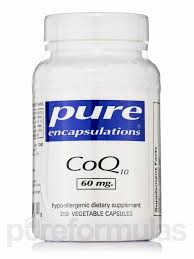
CoQ10 protects the heart
CoQ10 may protect those with low HDL

The cholesterol story continues, but the emphasis placed on total cholesterol is finally fading. Now the heat is up on HDL, or the “good” cholesterol.

It’s almost sad that, after years and years of promoting high cholesterol as a risk factor for heart disease, the medical community has quietly backed off from this mistaken belief that total cholesterol is linked to heart disease.  I should probably clarify that.  Mainstream medicine has finally backed off from the idea of artificially lowering your total cholesterol with drugs actually saves lives.

It is true that those with high cholesterol are at an increased risk of having a heart attack and dying of cardiac causes.  But lowering cholesterol with a drug like Lipitor or Crestor is just short of worthless.  Lowering total cholesterol with lifestyle, however, will absolutely, positively save your life.
[Read more…] about Low HDL Cholesterol? This Supplement Could Protect Your Heart

Filed Under: Cholesterol, Heart Disease, Stroke Tagged With: cholesterol, coenzyme Q10, CoQ10, HDL cholesterol, heart disease

Take Drugs to Lower Cholesterol? Odds Are You Do This

July 5, 2014 by James Bogash

drugs to lower cholesterol and exercise
Photo courtesy of http://www.freeimages.com/profile/mjimages

It’s been awhile since I’ve written about how much statins suck, so I thought I’d throw another article about the side effects of statins out there.

Basically, I just can’t figure out why we still use this class of drugs.  At preventing a first heart attack (referred to as primary prevention) you have to treat 1000 people for 5 years to prevent 11 heart attacks.  During this time, another 8 out of the 1000 will develop diabetes.  Another huge chunk of this group will experience a long list of other side effects like muscle pains, muscle damage and liver problems just to name a few.  With all of this taken into account, many in the cardiology community think we should be giving MORE patients statin drugs.
[Read more…] about Take Drugs to Lower Cholesterol? Odds Are You Do This

Filed Under: Cholesterol Tagged With: Atorvastatin Side Effects, cholesterol, Drugs To Lower Cholesterol, heart attack, heart disease, statin

Surprising Fact on Users of Statin Drugs to Lower Cholesterol–

April 30, 2014 by James Bogash

drugs to lower cholesterol and weight gain
Photo courtesy of http://www.freeimages.com/profile/julosstock

Society has been brainwashed into thinking that drugs to lower cholesterol are required to prevent heart disease if you have high cholesterol. Money thrown at a consistent marketing message can do that.

It is not uncommon for me to hear a patient speak defiantly in a phrase like, “I do NOT want to go on those cholesterol drugs.” It is stated in the same tone as someone saying he or she does not want to have a leg amputated due to a severed artery bleeding like an Uma Thurman opponent or gangrene you can smell from down the hall. This is how serious much of the American public thinks the issue of taking or not taking a statin is. They are under the mistaken belief that statin drugs will actually do a lot to protect him or her from a heart attack.

I think these patients fear that the doctor will recommend (key word here is “recommend,” not “force”) statins when the misguided lifestyle advice doesn’t work. If the lifestyle changes didn’t work, then taking a drug to lower cholesterol is now a requirement, not an option. If only the general public really knew (If that statement does not mean anything to you, it might be a good time to spend some time with my Cholesterol eBook that can be found on Amazon by clicking here).

But this article is not about beating up on how ineffective the statins are at actually preventing a heart attack or the long list of side effects associated with their use. Rather, this article is about a much, much bigger issue.

It is about the public’s view of medicine and the subsequent responsibility we have for our own health. Just yesterday I had a conversation with a patient whose wife is an obese diabetic with a desire for sweets that she just won’t kick. Her, and many other diabetics just like her, are under the delusion that everything is ok because they are on drugs to “control” the condition.

But what would’ve happened if we didn’t have drugs that we give to diabetics? We would have to sit this patient down, have a direct face-to-face conversation about what is going to happen to her if she doesn’t make changes. Not MIGHT, but WILL happen. Replay this scenario with pretty much every other chronic disease, especially in the early stages of the disease. In this scenario, the responsibility is smack dab in the patient’s lap where it should be.

Medications, however, remove the responsibility from the patient. There is no worse ideology than one that eliminates a lack of personal responsibility when it comes to the prevention and management of chronic disease. None.

This particular study says it all and makes it more real that patients who are given drugs to “control” their chronic disease or, even worse, drugs to control merely the RISK FACTOR for a chronic disease, (like cholesterol) have let go of personal responsibility.

In it, researchers compared two groups of 27,886 US adults, from 1999 through 2010; one group who took statins and the other group that did not use statins to lower cholesterol. Here’s what they found:

  • Over the time frames measured, the calorie intake of statins users climbed (2009-2010 was 9.6% higher than that in the 1999-2000 period).
  • The non-statin group calorie intake, however, was unchanged during the same study period.
  • Over the time frames, the fat intake of statin users jumped 14.4%.
  • Non-statin users’ fat intake? Unchanged.
  • BMI increased more among statin users (+1.3) than among nonusers (+0.4).

In a group who had an obvious concern over cardiac health, enough so to take a medication designed to lower cholesterol to lower the risk of a heart attack, the concern extended no further than a number on a lab test. If that number got better using a drug to lower cholesterol, there was no need to control anything else in the lifestyle.

Unless we return the true responsibility for health back where it belongs (with the patient) the health of our culture will continue to decline, with the doctors frustrated and their time bled dry and the drug companies raking in massive profits.

Filed Under: Cholesterol, Heart Disease Tagged With: Atorvastatin Side Effects, cholesterol, Drugs To Lower Cholesterol, heart disease, statins

Zetia & Cholesterol: How to Tell if Your Doc Stays Up to Date

April 11, 2014 by James Bogash

cholesterol lowering drugs
Image credit: jgroup / 123RF Stock Photo

Ezetimibe, aka Zetia, hit the market in 2002 based on its ability to lower LDL cholesterol levels. Scripts skyrocketed 180 TIMES over the next 6 years.

In the US in 2002, 6 out of 100,000 people were given prescriptions for Zetia; by 2008, this number vaulted to 1082 per 100,000 persons. A mind blowing increase for a drug that had not yet been shown to save lives, just shown merely to lower LDL cholesterol. In Canada, over similar time frames, use jumped from 2 per 100,000 to 495, an even more massive increase of 247.5 TIMES as many prescriptions. Again–for a drug that really hadn’t been shown to do anything just yet.

And it is chiropractors who are sometimes accused of being unscientific.

This should have all changed in 2008 with the release of the data from the ENHANCE trial. In the ENHANCE trial, ezetimibe was added to a statin (the combination being called Vytorin) to further force cholesterol levels down, because that is really all that is important. Disappointingly, the trial showed no benefit from ezetimibe.

Just in case this wasn’t enough, in 2009 in the ARBITER 6–HALTS trial, the combination was actually shown to INCREASE plaguing in the carotid arteries of the neck. Not a good thing. Surely, by this point prescriptions for Zetia fell to nonexistent levels, right?

Not quite.

This particular study looked at how much the publication of the ENHANCE trail data affected physicians’ use of ezetimibe in both the US and Canada. In the US, after the publication of these two trials, prescriptions fell from the aforementioned 1082 per 100,000 people down to 572, a drop of 47.1%. In Canada, however, the increase in the number of prescriptions slowly and steadily moved up (from 2 to 495 per 100,000 people) even after the publication of the trials.

This is not the first example of mainstream medicine ignoring the evidence that is supposed to guide the practice of medicine. But this one seems particularly bothersome. This drug launched itself from zero to near superstar status on pretty much nothing but the ability to lower a single lab value 20%. And, I might add, this particular lab value is LDL cholesterol, which has now lost favor as a lab value that has any real ability to predict risk of heart disease.

The bottom line is that you should ONLY see a physician who keeps up with the medical literature. Maybe not to the DSM-V worthy level that some of us do, but at LEAST the basics. If you doctor has written you a prescription for either Zetia or Vytorin, he or she is not in this group.

Filed Under: Cholesterol, Drug Research, Heart Disease Tagged With: cholesterol, drug research, ezetimibe, heart disease, Vytorin, Zetia

  • « Go to Previous Page
  • Page 1
  • Page 2
  • Page 3
  • Page 4
  • Interim pages omitted …
  • Page 19
  • Go to Next Page »

Primary Sidebar

Patient Quick Guide

Schedule An Appointment
Contact Our Office
Download Patient Forms

Categories

Chiropractic Mesa Arizona

Arthritis Chiropractor Mesa AZ
Graston Technique Mesa AZ
Back Pain Chiropractor Mesa AZ
Back Pain Doctor Mesa AZ
Wrist Pain Chiropractor Mesa AZ
Rotator Cuff Chiropractor Mesa AZ
Shoulder Pain Chiropractor Mesa AZ
Knee Pain chiropractor Mesa AZ
Manipulation Under Anesthesia In Mesa AZ
Headache Chiropractor Mesa AZ
Chiropractic Mesa AZ
Stem Cell Therapy Mesa AZ
Regenerative Medicine Mesa AZ
Massage Therapist Mesa AZ
Shoulder Pain Doctor Mesa AZ
PRP Therapy Mesa AZ
Chiropractic Mesa AZ
Who Is The Top Chiropractor In Mesa AZ?
Knee Injury Doctor Mesa AZ?

Footer

Resources

Site Map
Disclosure
Additional Resources

Best Massage Therapist Mesa AZ
Arthritis Doctor Mesa AZ
Chiropractic Mesa AZ
Back Pain Doctor Mesa AZ
Rotator Cuff Doctor Mesa AZ
Chiropractor Mesa AZ
Massage Therapist Mesa AZ
PRP Therapy Mesa AZ
Knee Pain Doctor Mesa AZ
Stem Cell Therapy Mesa AZ
Headache Doctor Mesa AZ
Shoulder Pain Doctor Mesa AZ

Office

Lifecare Chiropractic
1830 S. Alma School Rd, Ste 135
Mesa, AZ 85210
(480)-839-2273
Also Serving Tempe, AZ

Get Directions

  • Home
  • About
  • Common Conditions
  • Additional Services
  • Testimonials
  • Blog
  • E-Books
  • Contact

Copyright © 2026 · LifeCare Chiropractic · All Rights Reserved.