• Skip to main content
  • Skip to primary sidebar
  • Skip to footer

LifeCare Chiropractic

The Best Chiropractic Care in Mesa, Arizona

  • Home
  • About
    • Why Lifecare?
    • About Dr. Bogash
    • Team Members
  • Common Conditions
    • Wrist Pain/Carpal tunnel syndrome
    • Elbow Pain/Epicondylitis
    • Headaches
    • Knee Pain and Knee Injuries
    • Low Back Pain
    • Shoulder Pain and Rotator Cuff Problems
  • Additional Services
  • Testimonials
  • Blog
  • E-Books
  • Contact

Childhood Obesity

Relation between sugar-sweetened drinks and childhood obesity- (03-08-01)

August 7, 2013 by James Bogash

Relation between sugar-sweetened drinks and childhood obesity

Are these results such a big surprise? Not only to soft drinks add additional, empty calories, but they also replace needed drinks and calories such as water, fruits and vegetables. Couple this with a lack of physical activity and our “mysterious” obesity epidemic is not so hard to believe. It still get my blood pressure up to see toddlers with soda in their sippie cups. I firmly believe that no child should even be exposed to these types of drinks until at least 8 years of age (if ever). That includes such sugar laden drinks such as Sunny Delight and Hi-C.

Lancet 2001; 357: 505-08 The prevalence of obesity among children in USA increased by 100% between 1980 and 1994. Recent national estimates indicate that 24% and 11% of children are above the 85th and 95th reference percentiles of body mass index (BMI), for age and sex, respectively. Various environmental and social factors relating to diet and physical activity have been identified that could contribute to obesity. One such factor, which has received little attention, is the consumption of sugar-sweetened drinks. According to data from the US Department of Agriculture (USDA), per capita soft-drink consumption has increased by almost 500% over the past 50 years. From 1989-91 to 1994-95, soft-drink intake rose from 195 to 275 mL in the general population, and from 345 to 570 mL among adolescent boys. Half of all Americans and most adolescents (65% girls and 74% boys) consume soft drinks daily, most of which are sugar-sweetened, rather than artificially sweetened. Currently, soft drinks constitute the leading source of added sugars in the diet, amounting to 36·2 g daily for adolescent girls and 57·7 g for boys. These figures approach or exceed the daily limits for total added sugar consumption recommended by the USDA. Although this increase in soft-drink consumption coincides with secular increases in obesity prevalence in children, the long-term effects of sugar-sweetened drink consumption on measures of body weight need to be prospectively examined. We aimed to determine the association between change in sugar-sweetened drink consumption and change in BMI, and incidence of obesity among school-age children, over 2 academic years. Interpretation: Consumption of sugar-sweetened drinks is associated with obesity in children.
Filed Under: Childhood Obesity Tagged With: blood pressure, childhood obesity, Hi-C, sugar-sweetened drinks

Should You Tell Your Child He or She is Overweight?

July 30, 2013 by James Bogash

Despite research that you’re likely to delude yourself about your child’s weight, you admit there is a problem.  So what do you do now?

Coming right out and telling your child he or she is too heavy inherently just sounds like a bad idea.  Having the person that a child trusts the most in his or her world telling them that he or she has a weight problem is going to create deep seated problems.

This particular study lends credence to this fear.  Researchers looked at a large group of child / parent sets and how the communication about weight issues was discussed.  Here’s what they found:

  • Mothers and fathers who engaged in weight-related conversations had adolescents who were more likely to diet, use unhealthy weight-control behaviors, and engage in binge eating.
  • Overweight or obese adolescents whose mothers engaged in conversations that were focused only on healthful eating behaviors were less likely to diet and use unhealthy weight-control behaviors.
  • When both parents engaged in healthful eating conversations, the behaviors were further improved.

I have written in the past about healthier methods of engaging your children in healthy behaviors (in particular, you can read about overt versus covert parenting styles in a previous blog article by clicking here).  In addition, it is very clear that parental behaviors guide children’s behaviors and health habits.

Much of this depends on the age.  With Keegan, I had always made eating healthy a game, but this was made easier because his choices have always been within the subset of foods that I eat.  The discussion on healthy versus unhealthy eating and weight did not enter into the picture because most of his options were healthy.

When I have had discussions with patients of overweight children, the discussion centers on healthy behaviors and not weight.  Usually weight is not an issue; gaining MORE weight is the issue.  If an overweight 8 year old’s lifestyle improves, he or she will get taller for some time, but not likely put on additional weight.  They will grow into their weight.

With a teenager, this is less likely to happen as they are closer to their full grown height.  For this age, the discussion HAS to center around making the right choices for good health, NOT for weight reasons.

If your child begins to make the right decisions for health reasons, his or her long term healthy weight behaviors are going to be better.

Filed Under: Childhood Obesity Tagged With: childhood obesity, childhood obesity statistics, parental guidance for overweight kids

Childhood Obesity Statistics: Children Should Eat More of This

July 28, 2013 by James Bogash

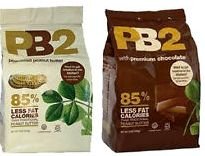
childhood obesity statistics peanut
P2B peanut butter on Amazon

Our kids are growing up AND out, but you don’t need me to tell you this.  Despite the awareness, nothing seems to be changing, despite some easy answers like this one.

I have always been a strong advocate of nuts (the raw ones with no added oils to ruin the health benefits) and the research strongly supports eating them.  All types.  But what about peanut butter?  Technically, it’s a legume and doesn’t fall into the same category as nuts.

However, the plant-based protein content, the fiber and the type of fats in peanuts also work in their favor as they do nuts.  For me, one of my favorite breakfasts is high fiber whole grain bread with real peanut butter (more on this in a minute) with bananas sliced on top.

I recommend peanut butter frequently to patients, but always caution them on “real” versus “fake” peanut butter.  Peanut oil is a liquid at room temperature and also oxidizes relatively quickly when exposed to oxygen so it is not stable in the cabinet once opened.

To get around this, manufacturers hydrogenate peanut oil, changing the characteristics of the oil into something that leads to obesity, diabetes and cancer.  For this reason, I steer patients away from brands like Jif and Skippy because they are absolutely not good for your health.

I have always advocated the brands that require mixing of the oil and refrigeration.  I remain leery of other brands that use palm oil to keep the jar emulsified.  Brands like Naturally More and MaraNantha are good brands to stick with.  Tip: leave the peanut butter upside down in the cabinet until it is ready to be opened, then flip it over, mixing the oil all the way to the bottom and refrigerating the jar; this should keep the consistency even throughout its use.

Only recently did I discover powered peanut butter.  I bought it with no actual delusions of finding it enjoyable, but was pleasantly surprised to find it quite enjoyable.  I now buy P2B peanut butter off of Amazon (which can be found by clicking here).  The advantage?  Regular peanut butter has around 180 calories per 2 tablespoons.  The powered variety?  A mere 45 per same serving size.

Back to this particular study.  Researchers looked at a group of 262 sixth grade Mexican-American students and evaluated the relationships between body weight, blood lipids and peanut butter intake.  Here’s what they found:

  • Children who were peanut eaters were less likely to be overweight or obese.
  • Peanut consumers had higher intakes of several vitamins and micronutrients (i.e., magnesium, vitamin E).
  • Peanut consuming children also had lower LDL and total cholesterol levels.

This is all pretty good news, especially given how acceptable peanut and peanut butter eating is to children.  Of course, the protective effect may not be just from the peanuts and peanut butter, but from the fact that peanut butter is typically a breakfast food.  That would mean that these 6th grade children are more likely to be eating breakfast, which has been shown to be beneficial for ideal body weight in children.

Further, this study did not look at the intakes of “real” versus “fake” peanut butter.  It is highly likely that, given the opposite health ends of the spectrum between the two, real peanut butter would be far more protective than what researchers saw in this study.  Not a bad thing at all.


Filed Under: Childhood Obesity Tagged With: childhood obesity statistics, Peanut Butter, peanuts

The obesity epidemic in young children – (02-19-01)

July 28, 2013 by James Bogash

The obesity epidemic in young children

This finding is no big surprise. There are a few important things to consider here. First, despite all these findings, I don’t see any major changes in society; nor do I expect it. When we look at childhood obesity, we need to look to the causes. Don’t peer too deeply into genetics–we’re doing it to ourselves via the environment. I know I’ll catch an earful from this, but I blame the parents. The old “monkey see, monkey do” adage. How can a child be expected to lead a healthier lifestyle if their role models do not? We need to start with ourselves, begin teaching our kids healthier lifestyle by example, not by preaching.

bmj.com Dietz 322 (7282): 313

Read entire article here

Filed Under: Childhood Obesity Tagged With: childhood obesity, obesity and weight loss

Breastfeeding and lowering the risk of childhood obesity – (06-24-02)

May 29, 2013 by James Bogash

Breastfeeding and lowering the risk of childhood obesity

With the rates of diabetes and obesity skyrocketing, it is always good to see studies outlining protective behaviors. Unfortunately, whether or not an infant was formula fed cannot be changed in the child’s later years. The US government is considering spending millions on educating children on exercise and healthy eating but are missing the obvious (as surprising as that may be for government…). How about a multi-million dollar advertising campaign towards the benefits of breastfeeding?

The Journal : Back Issues

Read entire article here

Filed Under: Childhood Obesity Tagged With: breastfeeding, childhood obesity

High Powered Diabetic Drugs to Prevent Diabetes in Kids

May 4, 2013 by James Bogash

In a previous blog article, we established the fact that less than 1% of adolescents were maintaining ideal cardiovascular health.

In another previous blog article, we looked at the fact that 1/3 of the US population is prediabetic, also related to the same lifestyle changes that aren’t being made.

It’s clear that our society is not willing to make the changes needed to be healthy.  Luckily, that may not be a concern because the Better Living Through Chemistry folks are here to hold your hand and fix everything.

In this particular study, researchers took as small group of 26 kids 12-19 years of age with severe obesity and evaluated whether using a new, high-powered diabetic drug (the GLP-1 agonist called Byetta) that I have grave concerns about, could help them manage weight better.

Here’s what they found:

  • Over the course of 3 months, the exenatide (aka Byetta, or the hila-monster spit drug) group lost about 1.13 points on the BMI charts.
  • This works out to be around 5 lbs or so for a 5’7″ male, or 1.7 additional pounds per month.

Wow.  1.7 pounds for a very expensive drug that has to be injected and carries grave concerns of acute pancreatitis and thyroid cancer (and probably more that we aren’t yet awareof..).

Don’t be surprised if we start to see more and more of this type of study trying to find a drug answer for our adolescents to “solve” the obesity and prediabetes problem.  Given the numbers of people who are prediabetic, there is a massive amount of money to be made in this market.  But as we see from this study, it’s a high price to pay for paltry results.


Filed Under: Childhood Obesity, Prediabetes

Childhood Obesity Statistics: It’s the Diet, Stupid…

March 13, 2013 by James Bogash

This is not the first time I’ve pointed out the problems in society when it comes to health.  Even First Lady Obama is promoting physical activity like it’s “the” answer to childhood obesity.

Well, guess what?  The problem isn’t the exercise.  I’m not saying it’s ok for your child to sit in front of an Xbox 360 for 4 hours a day.  They should, in general, be active.  When we were kids (maybe 10 years ago, if my math is correct…) we didn’t do “exercise.”  We rode our bikes everywhere, we ran around the neighborhood and we played sports.  But we didn’t exercise just to exercise.  It was just a part of what we did.

This should be the end discussion on the contribution of exercise to our rising childhood obesity statistics.  But it isn’t.  It becomes the pivotal discussion point on combatting childhood obesity.

Previous blog articles that have focused on how little exercise promotion changes behaviors in children can be read by clicking here.

This particular study looks at the effects of physical activity recommendations from a primary care provider in 182 overweight/obese 5- to 10-year-olds after a 3 year period.  They used accelerometry to study activity (think of a pedometer).  Here’s what they found:

  • Beginning and 3-year BMI scores did not change.
  • Beginning activity scores were 334 cpm (counts / minute) and 3-year were 284.
  • For those who had higher activity levels at 3 years, BMI scores dropped by a relatively small amount only.
  • Looking at the bright side, those with higher activity levels were more likely to not gain weight (versus moving to a higher BMI category).

Overall, the results were pretty disappointing.

Rather than being discouraged, however, this should wake us all up to the fact that diet is absolutely critical in making sure our children stay at his or her optimal weight.  No one gets hurt financially when we tell everyone to move more.  Actually, companies like Nike, Reebok and Spaulding probably come out way ahead.

But telling kids to avoid soda (diet and regular) and refined carbohydrates??  THAT is going to cost the majore confectionary companies like Nabisco and Kraft millions of dollars.

As the parent, it is up to you to set the stage for your child’s health.  No excuses like little Johnny is a poor eater.  If he is, it’s because you have let him become a poor eater.

You can view my general recommendations by clicking here.

Filed Under: Childhood Obesity Tagged With: childhood obesity, childhood obesity statistics, Obese Kids, obesity and weight loss, Obesity Statistics, Promoting Physical Activity

Are You Going to Have a Heart Attack in 35 Years?

February 28, 2013 by James Bogash

Seems like an awful long time to worry about.  35 years.  Heck–I don’t even know what I’m doing this weekend, let alone in 3 1/2 decades.  So why should anyone worry if they might have a heart attack in 35 years?

Because you will care in 35 years from now.  Try to sound as tough as you’d like now, but once that crushing pain hits your chest and you get rushed to the ER to have your sternum cracked open with a spreader and have one of your more precious organs replumbed, you would be willing to go back and change it all.

On the other hand, maybe this is why you’ve made the right choices.  You’re exercising with short burst methods, avoiding refined carbs and eating omega 3’s instead of omega 6’s.  In general, you’re following the recommendations that can be found by by clicking here.

But it’s not you I’m addressing this post to.  It’s your young child.

We are seeing growing evidence that heart disease begins in childhood.  Or rather, we should NOT see heart disease beginning in childhood, but we are.  Rest assured it is because of the preprogramming that begins in the womb and continues through childhood and adolescent.  The poor lifestyle choices aquired early are very likely to perpetuate for the rest of his or her life.

This particular study took the research we have seen on risk factors for heart disease and put a practical spin on it.  Basically, how likely are these risk factors going to turn into a heart attack 35 years later?

If you’re doing the math, we are talking about an adult in his or her 40’s or 50’s having a heart attack, the beginnings of which stretched back to childhood.

Researchers looked at the ESR levels of 433,577 young adult men in Sweden.  ESR is a general marker of inflammation (erythrocyte sedimentation rate).  And inflammation is a strong player in heart disease.  So what did they find in those kids with higher levels of ESR?

Those kids who had an ESR of ≥15 mm/h had 70% increased risk of having had a heart attack 35 years later (Tweet this).  And this was after accounting for traditional risk factors associated with heart disease.

70% increased risk.  From behaviors your child is adopting NOW.  It is becoming far too common to hear about parents in their 60’s or 70’s losing a child to heart disease.  Unless we wake up and change our kids’ behaviors (which always starts with changing YOUR behaviors…), the number of parents burying their adult children will only go up.

What are YOU going to change today?

Filed Under: Childhood Obesity, Healthy Kids, Heart Disease Tagged With: A Heart Attack, Avoiding Heart Disease, C-reactive protein, cardiovascular disease, Erythrocyte Sedimentation Rate, heart attack, Heart Attack Risk, heart disease, myocardial infarction, Risk Factors For Heart Disease

  • « Go to Previous Page
  • Page 1
  • Page 2
  • Page 3
  • Page 4
  • Page 5
  • Interim pages omitted …
  • Page 7
  • Go to Next Page »

Primary Sidebar

Patient Quick Guide

Schedule An Appointment
Contact Our Office
Download Patient Forms

Categories

Chiropractic Mesa Arizona

Arthritis Chiropractor Mesa AZ
Graston Technique Mesa AZ
Back Pain Chiropractor Mesa AZ
Back Pain Doctor Mesa AZ
Wrist Pain Chiropractor Mesa AZ
Rotator Cuff Chiropractor Mesa AZ
Shoulder Pain Chiropractor Mesa AZ
Knee Pain chiropractor Mesa AZ
Manipulation Under Anesthesia In Mesa AZ
Headache Chiropractor Mesa AZ
Chiropractic Mesa AZ
Stem Cell Therapy Mesa AZ
Regenerative Medicine Mesa AZ
Massage Therapist Mesa AZ
Shoulder Pain Doctor Mesa AZ
PRP Therapy Mesa AZ
Chiropractic Mesa AZ
Who Is The Top Chiropractor In Mesa AZ?
Knee Injury Doctor Mesa AZ?

Footer

Resources

Site Map
Disclosure
Additional Resources

Best Massage Therapist Mesa AZ
Arthritis Doctor Mesa AZ
Chiropractic Mesa AZ
Back Pain Doctor Mesa AZ
Rotator Cuff Doctor Mesa AZ
Chiropractor Mesa AZ
Massage Therapist Mesa AZ
PRP Therapy Mesa AZ
Knee Pain Doctor Mesa AZ
Stem Cell Therapy Mesa AZ
Headache Doctor Mesa AZ
Shoulder Pain Doctor Mesa AZ

Office

Lifecare Chiropractic
1830 S. Alma School Rd, Ste 135
Mesa, AZ 85210
(480)-839-2273
Also Serving Tempe, AZ

Get Directions

  • Home
  • About
  • Common Conditions
  • Additional Services
  • Testimonials
  • Blog
  • E-Books
  • Contact

Copyright © 2026 · LifeCare Chiropractic · All Rights Reserved.