• Skip to main content
  • Skip to primary sidebar
  • Skip to footer

LifeCare Chiropractic

The Best Chiropractic Care in Mesa, Arizona

  • Home
  • About
    • Why Lifecare?
    • About Dr. Bogash
    • Team Members
  • Common Conditions
    • Wrist Pain/Carpal tunnel syndrome
    • Elbow Pain/Epicondylitis
    • Headaches
    • Knee Pain and Knee Injuries
    • Low Back Pain
    • Shoulder Pain and Rotator Cuff Problems
  • Additional Services
  • Testimonials
  • Blog
  • E-Books
  • Contact

Heart Disease, Stroke, Blood Pressure Tips

Dentists Rejoice! Brushing and Flossing for your Heart

August 10, 2015 by James Bogash

DO YOU BRUSH AND FLOSS TWICE PER DAY FOR YOUR HEART?
This is yet another study in the continuing saga relating good oral health to overall health.  In this particular study, those with poor oral hygiene had a 70% greater risk of having heart disease.  That’s something to pay attention to.
Now, I’m sure this goes both ways, that having good overall health will also be good for your oral health.  Oral health means regular cleanings, brushing regularly, flossing , regular use of xylitol based products (gum and mints are the easiest) AND (the one most don’t do..) tongue scraping.
Yes–tongue scraping.  There are all kinds of pits and grooves in the back of your tongue that hold and harbor all kinds of gunk (that’s the technical term).  Even after you brush your teeth and tongue, the amount of crud that comes off on a tongue scraper will weaken the strongest stomach.  And without scraping, this crud from your tongue, gums and teeth continues to drive inflammation in the body, creating all kinds of potential problems for long term health.  Breath Rx carries an awesome tongue scraper on Amazon that will last for years.
 

Filed Under: Dental Health, Heart Disease Tagged With: cardiovascular disease, flossing, heart disease, tongue scraping, tooth brushing

Statins Versus Fast Food; Really an Even Battle?

August 3, 2015 by James Bogash

JUST HOW OFF BASE IS MEDICINE?

Keep in mind that this particular article is an editorial.  The author is writing for the British Heart Foundation.  He believes that the use of a statin can zero out the negative health effects of a Quarter Pounder with cheese and a small milkshake.

Have we really come so far down the dark path of unhealth that we have to accept that patients can’t change and we need to rely on medications instead of lifestyle?  That is truly a sad state of affairs if doctors collectively do not have faith in their patients.

Maybe this is because they themselves are not exactly free of hypocrisy?

Regardless, the faulty reasoning here is that the beneficial effects of statins have been overblown while the negative effects of fast food have been under emphasized.  Or maybe this is just representative of the tightening relationship between medicine and big business as epitomized by the endorsement of Coca Cola by the American Association of Family Physicians…

Filed Under: Cholesterol Tagged With: Atorvastatin, cholesterol lowering medications, heart attack, heart disease, Lipitor, statins

Coronary Stents and Reality; Did Your Cardiologist Come Clean?

June 20, 2015 by James Bogash

Heart attack risks

Heart stents.  Coronary Stents.  Angioplasty.  Angiogram.  Percutaneous Coronary Intervention (PCI).  Regardless of what you call it, over a half MILLION of them are done per year at a cost of around $18,000 each.

Sounds great.  After all, we’re saving lives with these remarkable procedures that are far, far easier on the patient then cracking open the sternum and replumbing the coronary arteries.

Well yes.  And no.

For emergency procedures, the research is pretty positive.  The sooner you can get this procedure done in the middle of a heart attack, the better the outcomes.  That’s where the clarity ends.  In general, it is pretty well accepted (in the research, but not among cardiologists who do these procedures) that for non-emergency, elective procedures, the data on PCI crashes.  To the tune of about 50% of them being done inappropriately.

These are some serious numbers, serious dollars and serious risks to the patients.  And just in case the patient makes it through the procedure, they have usually earned a year or so on blood thinners.  In coming years, the risk of the stent closing back up again is always brewing in the background.

But all of this is ok, because before you receive ANY medical care, there is something called informed consent.  Under informed consent, it is the obligation of a physician to explain the procedure being done, the risks of the procedure, the risk of NOT getting the procedure and the alternatives.  It would make sense that, as the procedure becomes more invasive, the obligation to fully inform the patient should grow as well.

After all, how can you, as the patient, truly make a decision about a procedure this important (or not) without being fully informed??  You really can not.

Which brings us to this particular study.  In it, researchers reviewed We performed recorded 59 conversations by 23 cardiologists among adults with known or suspected stable coronary disease at outpatient cardiology practices.  These conversations were evaluated for 7 accepted elements of informed constent when it comes to helping the patient make the decision to undergo angiography and possible stenting.  Here’s what they found:

  • A paltry TWO (3%) conversations included all 7 elements of informed decision making.
  • Another eight conversations (14%) met a more limited definition of procedure, alternatives, and risks.

When the cardiologist was more forthcoming and honest about expectations of the procedure, the outcome of the visit was drastically different:

  • If the cardiologist discussed clincially viable alternatives (i.e. medications, lifestyle changes, no treatment–the term for this in informed consent is “uncertainty “), the patient was 20.5 TIMES less likely to choose the procedure.
  • If the cardiologist discussed the patient’s role in deciding about having the procedure done, they were 530% less likely to undergo PCI.
  • If there was an exploration of alternatives the patient was 950% less likely to choose PCI.
  • Neither the presence of chest pain (angina) nor severity of symptoms were associated with choosing angiography and possible PCI.
  •  Overall, better informed patients were 320% less likely to choose angiography and possible PCI.

Granted, this was a small subset of practicing cardiologists and maybe the bulk of cardiology practices do not follow the practices seen in this study.  But, given how rushed many specialist offices tend to be, I’m afraid this is standard.

Overall, though, I think this reflects the disconnect between what patients perceive and what the reality is of the medical procedures that are performed with a high degree of regularity in modern medicine.  The list of procedures and medications that have shown little benefit in the medical research but continue to be used is quite long.

And this is heart disease.  Almost entirely preventable!  For a long time now we’ve known that lifestyle changes produce better outcomes than PCI and yet this procedure is still done on an elective hundreds of thousands of times per year.

So, if YOU had a stent put in, do you feel that your cardiologist fully educated you on the risks, benefits and alternatives?

Filed Under: Heart Disease Tagged With: angiogram, angioplasty, coronary stents, heart stents, PCI, percutaneous coronary intervention

Diabetes and the Secret of Erectile Dysfunction – The Answer Lies Here

May 28, 2015 by James Bogash

low T symptoms heart disease
Irina Karlova/Dollar Photo Club

Let’s face it, erectile dysfunction, or ED as it is known in the radio commercials, is not a good thing.

For us men, back in the late teens, twenties or thirties there could be few things less desirable.  For some reason, though, as we age it becomes almost acceptable for erectile dysfunction.  Maybe it’s because, along with the ED comes a lack of sexual desire, making the ED really a secondary problem.

If you listen to the commercials (which I can no longer do since I threw the radio out the window in frustration) about erectile dysfunction you will be convinced that testosterone deficiency, or low T syndrome, is the cause of ED.

Here’s the real truth.

Erectile dysfunction is cardiovascular disease.  Period.  An erection is all about controlling blood flow.  If blood flow is poor an erection is not going to happen.

This can be due to poor vascular reactivity (aka endothelial dysfunction) where the blood vessels cannot open and close when needed or it can be more advanced where the blood vessels that are supposed to fill the penis with blood are full of plaque (atherosclerosis).

This means that both the short and long term answer for ED needs to focus on the health of your blood vessels (aka vascular health).

Considering that diabetes is so incredibly bad for your blood vessels, the findings of this particular study looking at the relationship between ED and diabetes should come as no surprise.  In it, researchers looked at 220 Type 2 diabetic to see how common erectile dysfunction was and whether depression or anxiety played any additional role.

The questionnaires used were the IIEF (International Index of Erectile Function), SAS (self-rating anxiety scale) and SDS (self-rating depression scale) to assess whether and how much these situations were present.  Here’s what they found:

  • 52.9% of the patients were affected by erectile dysfunction.
  • In those diabetics who spent less time with their HbA1c levels below 7% (indicating that they were better controlled) over a two year period had a lower likelihood of ED. The reverse was also true.
  • Patients with ED had higher levels of triglycerides and fasting insulin.
  • Resistin (a hormone released by the abdominal fat that has been linked to prediabetes and diabetes) levels were higher in patients with ED.
  • Free testosterone was lower in patients affected by ED (remember that this is just ONE other problem and NOT the cause of the ED).
  • Depression and anxiety were not related to the risk of ED.

Over half of the diabetic patients had erectile dysfunction.  Half.

There are VERY few diabetic patients who cannot drastically improve their health with the right dietary choices, exercise program and attention to simple things like drinking out of plastic water bottles.  Many of the diabetics I come across knowingly and willingly make less-than-ideal choices.

If it was me, I would have to balance these lifestyle choices against the risk of developing ED.  Can’t say not exercising on a regular basis or eating that 2nd serving at dinner would win out.

If you’re really interested in learning about how you can make better choices, I would strongly suggest checking out my Diabetes eBook by clicking here.

Filed Under: Diabetes (Type 2), Erectile Dysfunction, Heart Disease Tagged With: diabetes, ED, erectile dysfunction, impotence, low T symptoms

High Intensity Exercise and Heart Damage

May 27, 2015 by James Bogash

IS THERE SUCH A THING AS TOO MUCH EXERCISE?

As a martial artist for many years now, I’ve never been a big fan of long distance running.  I’d much rather go the interval route like fighting in the boxing ring.  I’ve also encouraged patients to follow more of a modified interval type training designed to increase cardiac function and resiliency.  And, quite frankly, I don’t think humans were designed for long distance aerobic activity.

Seriously–think of a single animal we would have stalked or been stalked by that would’ve taken an hour to accomplish?  Think you can outrun a tiger for an hour?  Chase an antelope for an hour?  I’m thinking not…

So this study looked at ventricular function in normally trained and endurance trained athletes after a short bouts (14, 1 minute) of all out running.  They found that, in the endurance trained athletes there was a reduction in heart function that wasn’t present in the normally trained athletes.  So why is this?  I have spoken to runner’s groups about the amount of oxidative stress generated during endurance events.  It is highly likely that these endurance athletes may be in a chronic state of oxidative stress, leading to rapid reduction in cardiac function with high levels of intense exercise.

Read More

Filed Under: Heart Disease Tagged With: heart disease, high intensity aerobic, interval training, ventricular function

Are You Giving Your Kids this Vitamin?

May 20, 2015 by James Bogash


vitamin D and children
Vitamin D as a child affects life as an adult

You take your vitamins religiously. You exercise and watch what you eat.  But your kids?  You send them to school with a Twinkie and fruit juice and don’t think twice about vitamins for them.

It’s not that you don’t care about your kids, it’s just that we don’t really think of them as having the problem.  We think of kids being more resilient and the choices that they make not having a long term impact.  But we just now that this isn’t true.  There is a long list of things that happen to children that have effects decades later as an adult.  These can include:

  • Childhood maltreatment (physical, emotional, nutritional, sexual)
  • Exposure to parents who smoke
  • Antibiotic exposure as an infant

The point is that things that happen in childhood DO matter.  These things can play a huge role in the health challenges your child will or will not have to deal with as an adult.

That’s a pretty strong responsibility as a parent.

Luckily some things are easier to implement.  Which brings us to this particular study looking at the relationship to vitamin D levels in children and the health of their blood vessels 27 years later (as measured by carotid artery intima media thickness, or IMT).  Here’s what they found:

  • Children with the lowest levels of 25-OH vitamin D (<40 nmol/L or 16 ng/ml–a very low number) were 70% more likely to have high-risk IMT.
  • These same low-level vitamin D kids were 80% more likely  to have risk factors for heart disease as an adult.

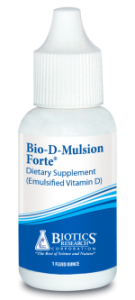
This is a very simple addition to your child’s routine.  With Keegan (9 years old), he gets 6,000 IU of vitamin D per week.  That’s only 3 drops per week of the Biotics Bio-D-mulsion Forte formula that I recommend here in the office.  I will usually add another drop of Biotics Bio-Ae-mulsion Forte as well (vitamin A 12,500 IU) to help support immune function.

This combination has seemed to keep his immune system humming at top efficiency and according to this study, may be protecting his blood vessels at this very moment…


Filed Under: Healthy Kids, Heart Disease, Vitamin D Tagged With: carotid intima media thickness, protect your heart, raising healthy kids, Vitamin D

Are You a Smoking Parent? Shocking Info You Need to Know

May 16, 2015 by James Bogash

secondhand smoke and kids
OOZ / Dollar Photo Club

I grew up in a household with two smoking parents. I was the one hanging my head out the car window with the dog.

I can’t go back and change the fact that my parents smoked.  Luckily, their smoking did not influence me to begin my own life-draining habit.  So I escaped the damage.

Or so I thought.

I’m pretty sure the days of parents blowing smoke directly into their children’s faces for laughs are pretty much over.  These days, this same act would almost certainly be accompanied by a visit from child protective services.  But even the most conscientious of smokers can’t protect their children from damage.  This is because few smokers seem to be aware of the concept of third-hand smoke.  Sure, we all know about secondary smoke and passive smoking.  And if you do your best to not smoke around your kids and not smoke in the car you’re going to fully insulate your kids from your bad habits.

Not true.

Cotinine is a compound that shows up in the blood of those who have been exposed to cigarette smoke.  This includes both smokers and the children of smokers.  The higher to cotinine levels, the higher the exposure.  With that in mind, if you are a smoker and you care about your child or children’s health (which I’m sure you do), then you need to pay attention to this particular study.

In it, researchers looked at the carotid arteries of adults who had been exposed to cigarette smoke TWENTY-SIX YEARS earlier.  Here’s what they found:

  • The percentage of children without any cotinine in their blood levels was highest in non-smoking households (84%), followed by one smoking parent (62%) and households where both parents smoked (43%).
  • Two and a half decades later, the adults who were raised in a smoking household were 70% more likely to have hardening of their carotid arteries.

This is not good news.  This means that the damage to the blood vessels begin as a child as a result of this early exposure to indirect smoke.  And, in all likelihood, it is an ongoing process.  The hardening of the arteries does not happen as a child, but rather is the end result of a decades-long progression of the damage that started way back when.

But it gets worse:

  • Even in those households were parents were conscientious about not exposing their children (referred to as good “smoking hygiene”) and whose children had no detectable blood levels of cotinine there was still a 60% higher risk of hardening of the arteries.
  • For those children who parents really didn’t focus on protecting their children (poor smoking hygiene–the children had detectable blood cotinine levels) there was a whopping 400% increased risk of hardening of the arteries in the carotid arteries of the neck.

400%.

If you are a parent who smokes, you need to take a hard look at just how much of an effect this is going to have on your kids.  And it’s not an IF, it’s a HOW MUCH.  And we can see that, even it you do not directly expose your kids to cigarette smoke, they are suffering the damage of your lifestyle choices.

Period.


Filed Under: Healthy Kids, Heart Disease Tagged With: cigarette smoking, healthy kids, parents who smoke

Calcium Supplements and Heart Disease

April 28, 2015 by James Bogash

IS MY CALCIUM SUPPLEMENT GOING TO GIVE ME A HEART ATTACK??
It’s always funny the poor research that mainstream media picks up and the good stuff they don’t.
Here are a few things to consider. First, I usually don’t recommend calcium supplementation until someone becomes osteoporotic. At this point it becomes much, much more important to take calcium in order to protect the bones than worry about any additional increased risk to the heart.
Second, reading into the study, it appears that those with a higher dietary intake of calcium were at risk (my interpretation….more dairy intake), while those with lower levels of dietary intake were NOT affected by the calcium supplementation.
Further, we always have to look at the “how.” In this particular case, giving calcium without magnesium in a 2:1 ratio can cause a relative magnesium deficiency, which is NOT good for the heart….The higher quality calcium supplements all include magnesium.
Read More

Filed Under: Heart Disease Tagged With: calcium, calcium supplements, heart attack, myocardial infarction

  • « Go to Previous Page
  • Page 1
  • Page 2
  • Page 3
  • Page 4
  • Page 5
  • Page 6
  • Interim pages omitted …
  • Page 78
  • Go to Next Page »

Primary Sidebar

Patient Quick Guide

Schedule An Appointment
Contact Our Office
Download Patient Forms

Categories

Chiropractic Mesa Arizona

Arthritis Chiropractor Mesa AZ
Graston Technique Mesa AZ
Back Pain Chiropractor Mesa AZ
Back Pain Doctor Mesa AZ
Wrist Pain Chiropractor Mesa AZ
Rotator Cuff Chiropractor Mesa AZ
Shoulder Pain Chiropractor Mesa AZ
Knee Pain chiropractor Mesa AZ
Manipulation Under Anesthesia In Mesa AZ
Headache Chiropractor Mesa AZ
Chiropractic Mesa AZ
Stem Cell Therapy Mesa AZ
Regenerative Medicine Mesa AZ
Massage Therapist Mesa AZ
Shoulder Pain Doctor Mesa AZ
PRP Therapy Mesa AZ
Chiropractic Mesa AZ
Who Is The Top Chiropractor In Mesa AZ?
Knee Injury Doctor Mesa AZ?

Footer

Resources

Site Map
Disclosure
Additional Resources

Best Massage Therapist Mesa AZ
Arthritis Doctor Mesa AZ
Chiropractic Mesa AZ
Back Pain Doctor Mesa AZ
Rotator Cuff Doctor Mesa AZ
Chiropractor Mesa AZ
Massage Therapist Mesa AZ
PRP Therapy Mesa AZ
Knee Pain Doctor Mesa AZ
Stem Cell Therapy Mesa AZ
Headache Doctor Mesa AZ
Shoulder Pain Doctor Mesa AZ

Office

Lifecare Chiropractic
1830 S. Alma School Rd, Ste 135
Mesa, AZ 85210
(480)-839-2273
Also Serving Tempe, AZ

Get Directions

  • Home
  • About
  • Common Conditions
  • Additional Services
  • Testimonials
  • Blog
  • E-Books
  • Contact

Copyright © 2026 · LifeCare Chiropractic · All Rights Reserved.