• Skip to main content
  • Skip to primary sidebar
  • Skip to footer

LifeCare Chiropractic

The Best Chiropractic Care in Mesa, Arizona

  • Home
  • About
    • Why Lifecare?
    • About Dr. Bogash
    • Team Members
  • Common Conditions
    • Wrist Pain/Carpal tunnel syndrome
    • Elbow Pain/Epicondylitis
    • Headaches
    • Knee Pain and Knee Injuries
    • Low Back Pain
    • Shoulder Pain and Rotator Cuff Problems
  • Additional Services
  • Testimonials
  • Blog
  • E-Books
  • Contact

Cholesterol

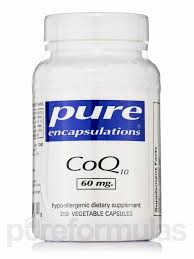
Low HDL Cholesterol? This Supplement Could Protect Your Heart

July 12, 2014 by James Bogash

CoQ10 protects the heart
CoQ10 may protect those with low HDL

The cholesterol story continues, but the emphasis placed on total cholesterol is finally fading. Now the heat is up on HDL, or the “good” cholesterol.

It’s almost sad that, after years and years of promoting high cholesterol as a risk factor for heart disease, the medical community has quietly backed off from this mistaken belief that total cholesterol is linked to heart disease.  I should probably clarify that.  Mainstream medicine has finally backed off from the idea of artificially lowering your total cholesterol with drugs actually saves lives.

It is true that those with high cholesterol are at an increased risk of having a heart attack and dying of cardiac causes.  But lowering cholesterol with a drug like Lipitor or Crestor is just short of worthless.  Lowering total cholesterol with lifestyle, however, will absolutely, positively save your life.
[Read more…] about Low HDL Cholesterol? This Supplement Could Protect Your Heart


Filed Under: Cholesterol, Heart Disease, Stroke Tagged With: cholesterol, coenzyme Q10, CoQ10, HDL cholesterol, heart disease

Take Drugs to Lower Cholesterol? Odds Are You Do This

July 5, 2014 by James Bogash

drugs to lower cholesterol and exercise
Photo courtesy of http://www.freeimages.com/profile/mjimages

It’s been awhile since I’ve written about how much statins suck, so I thought I’d throw another article about the side effects of statins out there.

Basically, I just can’t figure out why we still use this class of drugs.  At preventing a first heart attack (referred to as primary prevention) you have to treat 1000 people for 5 years to prevent 11 heart attacks.  During this time, another 8 out of the 1000 will develop diabetes.  Another huge chunk of this group will experience a long list of other side effects like muscle pains, muscle damage and liver problems just to name a few.  With all of this taken into account, many in the cardiology community think we should be giving MORE patients statin drugs.
[Read more…] about Take Drugs to Lower Cholesterol? Odds Are You Do This

Filed Under: Cholesterol Tagged With: Atorvastatin Side Effects, cholesterol, Drugs To Lower Cholesterol, heart attack, heart disease, statin

Surprising Fact on Users of Statin Drugs to Lower Cholesterol–

April 30, 2014 by James Bogash

drugs to lower cholesterol and weight gain
Photo courtesy of http://www.freeimages.com/profile/julosstock

Society has been brainwashed into thinking that drugs to lower cholesterol are required to prevent heart disease if you have high cholesterol. Money thrown at a consistent marketing message can do that.

It is not uncommon for me to hear a patient speak defiantly in a phrase like, “I do NOT want to go on those cholesterol drugs.” It is stated in the same tone as someone saying he or she does not want to have a leg amputated due to a severed artery bleeding like an Uma Thurman opponent or gangrene you can smell from down the hall. This is how serious much of the American public thinks the issue of taking or not taking a statin is. They are under the mistaken belief that statin drugs will actually do a lot to protect him or her from a heart attack.

I think these patients fear that the doctor will recommend (key word here is “recommend,” not “force”) statins when the misguided lifestyle advice doesn’t work. If the lifestyle changes didn’t work, then taking a drug to lower cholesterol is now a requirement, not an option. If only the general public really knew (If that statement does not mean anything to you, it might be a good time to spend some time with my Cholesterol eBook that can be found on Amazon by clicking here).

But this article is not about beating up on how ineffective the statins are at actually preventing a heart attack or the long list of side effects associated with their use. Rather, this article is about a much, much bigger issue.

It is about the public’s view of medicine and the subsequent responsibility we have for our own health. Just yesterday I had a conversation with a patient whose wife is an obese diabetic with a desire for sweets that she just won’t kick. Her, and many other diabetics just like her, are under the delusion that everything is ok because they are on drugs to “control” the condition.

But what would’ve happened if we didn’t have drugs that we give to diabetics? We would have to sit this patient down, have a direct face-to-face conversation about what is going to happen to her if she doesn’t make changes. Not MIGHT, but WILL happen. Replay this scenario with pretty much every other chronic disease, especially in the early stages of the disease. In this scenario, the responsibility is smack dab in the patient’s lap where it should be.

Medications, however, remove the responsibility from the patient. There is no worse ideology than one that eliminates a lack of personal responsibility when it comes to the prevention and management of chronic disease. None.

This particular study says it all and makes it more real that patients who are given drugs to “control” their chronic disease or, even worse, drugs to control merely the RISK FACTOR for a chronic disease, (like cholesterol) have let go of personal responsibility.

In it, researchers compared two groups of 27,886 US adults, from 1999 through 2010; one group who took statins and the other group that did not use statins to lower cholesterol. Here’s what they found:

  • Over the time frames measured, the calorie intake of statins users climbed (2009-2010 was 9.6% higher than that in the 1999-2000 period).
  • The non-statin group calorie intake, however, was unchanged during the same study period.
  • Over the time frames, the fat intake of statin users jumped 14.4%.
  • Non-statin users’ fat intake? Unchanged.
  • BMI increased more among statin users (+1.3) than among nonusers (+0.4).

In a group who had an obvious concern over cardiac health, enough so to take a medication designed to lower cholesterol to lower the risk of a heart attack, the concern extended no further than a number on a lab test. If that number got better using a drug to lower cholesterol, there was no need to control anything else in the lifestyle.

Unless we return the true responsibility for health back where it belongs (with the patient) the health of our culture will continue to decline, with the doctors frustrated and their time bled dry and the drug companies raking in massive profits.

Filed Under: Cholesterol, Heart Disease Tagged With: Atorvastatin Side Effects, cholesterol, Drugs To Lower Cholesterol, heart disease, statins

Zetia & Cholesterol: How to Tell if Your Doc Stays Up to Date

April 11, 2014 by James Bogash

cholesterol lowering drugs
Image credit: jgroup / 123RF Stock Photo

Ezetimibe, aka Zetia, hit the market in 2002 based on its ability to lower LDL cholesterol levels. Scripts skyrocketed 180 TIMES over the next 6 years.

In the US in 2002, 6 out of 100,000 people were given prescriptions for Zetia; by 2008, this number vaulted to 1082 per 100,000 persons. A mind blowing increase for a drug that had not yet been shown to save lives, just shown merely to lower LDL cholesterol. In Canada, over similar time frames, use jumped from 2 per 100,000 to 495, an even more massive increase of 247.5 TIMES as many prescriptions. Again–for a drug that really hadn’t been shown to do anything just yet.

And it is chiropractors who are sometimes accused of being unscientific.

This should have all changed in 2008 with the release of the data from the ENHANCE trial. In the ENHANCE trial, ezetimibe was added to a statin (the combination being called Vytorin) to further force cholesterol levels down, because that is really all that is important. Disappointingly, the trial showed no benefit from ezetimibe.

Just in case this wasn’t enough, in 2009 in the ARBITER 6–HALTS trial, the combination was actually shown to INCREASE plaguing in the carotid arteries of the neck. Not a good thing. Surely, by this point prescriptions for Zetia fell to nonexistent levels, right?

Not quite.

This particular study looked at how much the publication of the ENHANCE trail data affected physicians’ use of ezetimibe in both the US and Canada. In the US, after the publication of these two trials, prescriptions fell from the aforementioned 1082 per 100,000 people down to 572, a drop of 47.1%. In Canada, however, the increase in the number of prescriptions slowly and steadily moved up (from 2 to 495 per 100,000 people) even after the publication of the trials.

This is not the first example of mainstream medicine ignoring the evidence that is supposed to guide the practice of medicine. But this one seems particularly bothersome. This drug launched itself from zero to near superstar status on pretty much nothing but the ability to lower a single lab value 20%. And, I might add, this particular lab value is LDL cholesterol, which has now lost favor as a lab value that has any real ability to predict risk of heart disease.

The bottom line is that you should ONLY see a physician who keeps up with the medical literature. Maybe not to the DSM-V worthy level that some of us do, but at LEAST the basics. If you doctor has written you a prescription for either Zetia or Vytorin, he or she is not in this group.

Filed Under: Cholesterol, Drug Research, Heart Disease Tagged With: cholesterol, drug research, ezetimibe, heart disease, Vytorin, Zetia

HDL raising effect of orange juice in hypercholesterolemia – (11-27-00)

February 27, 2014 by James Bogash

HDL raising effect of orange juice in hypercholesterolemia

There are several ways to lower cholesterol levels safely, and increasing intake of fruits and veggies is such a wonderful way. In addition to helping with cholesterol, it will also lower your risk of many other diseases. Adding exercise will also increase HDL levels, as well as the addition of soy to your diet. Want a great cholesterol fighter? How about a smoothie made at home? Frozen yogurt, toss in some probiotics, filitered water, ice and several servings of fruit. Drink it on your way to work!!

AJCN — Abstracts: Kurowska et al. 72 (5): 1095

Read entire article here

Filed Under: Cholesterol Tagged With: cholesterol, HDL, hypercholesterolemia

Use of Nicotinic Acid, Bile Acid-Binding Resins, and Fibrates – (10-26-00)

February 22, 2014 by James Bogash

Use of Nicotinic Acid, Bile Acid-Binding Resins, and Fibrates

Although this article focuses on nicotinic acid, niacin has successfully been used to treat high cholesterol levels safely. This is a very good review covering the different types of niacin available. And, interestingly, the author notes that nicotinic acid has the longest history of use; and yet most doctors and patients are unaware of its benefits.

Clin Rev Spring:52-57, 2000 Nicotinic acid and nicotinamide together represent the essential vitamin niacin in the diet. Of these two, only nicotinic acid is active as a lipid-modifying drug. Thus, while nicotinamide is often marketed as a superior lipid-lowering version of niacin with none of the unpleasant side effects of nicotinic acid, such as flushing and itching, in truth this compound is totally ineffective as a lipid-lowering drug. The recommended dietary allowance of niacin is less than 20 mg/day. Pharmacologically effective doses of nicotinic acid begin at 1,000 to 2,000 mg/day and range up to an effective maximum of 6,000 mg/day. In 1955, this dose range of nicotinic acid was shown to lower total serum cholesterol, and in 1961 it was shown to lower triglyceride and low-density lipoprotein (LDL) cholesterol levels and raise high-density lipoprotein (HDL) levels in hyperlipidemic patients. Thus, of the drugs currently available for treating hyperlipidemia, nicotinic acid has been used the longest. Over the past 40 years, nicotinic acid has been used in numerous clinical trials and has been proven to reduce lipids and prevent and/or reverse coronary artery disease. In 1988 the National Cholesterol Education Program’s (NCEP) Adult Treatment Panel recommended nicotinic acid as a drug of first choice.

Filed Under: Cholesterol Tagged With: Bile Acid-Binding Resins, cholesterol, Fibrates, nicotinic acid

Think You Know the “Cholesterol Story?” Think Again…

February 12, 2014 by James Bogash

Ever since Nikolai Anitschkow fed rabbits a high cholesterol diet in 1913, medicine has been obsessed with this molecule and its relationship with heart disease.

First, a primer on what cholesterol does do in the body, since most seem to glaze over the fact that it’s actually there for a reason. Here are a few functions of the cholesterol molecule:

  1. It is an essential component of every cell membrane in your body.
  2. It is an essential component of the myelin sheath that helps nerves transmit impulses.
  3. It is the building block for our steroid hormones like cortisol, aldosterone, testosterone, progesterone and estrogen.
  4. In addition, the same pathway that makes cholesterol makes CoQ10, a critical molecule used by every cell in the body to make energy.

Other than this, cholesterol is an evil molecule that needs to be squashed out of our diets and lowered to almost zilch with high levels of statins drugs put into our water supply alongside hydrofluorosalicylic acid.

Maybe this dysfunctional view was created alongside the statins. It would not be the first time that mainstream medicine found something to treat with a drug they wanted to promote. But it seems like, much like hormone replacement therapy and the cigarette-smoking-is-good-for-you idea, the cholesterol hypothesis may be dying.

And good riddance to it when it happens. But it’s not quite time to write the obituary.

Never, ever, ever, EVER forget that cholesterol is the symptom, not the cure. Lowering it artificially with drugs will not produce the same outcome as lowering it with medications. It’s the equivalent of putting ice on the thermostat inside of a burning house. Sure—the temp is going to LOOK good, but you’ve really done nothing to change the outcome.

So what does my ranting have to do with this article? Researchers are beginning to tease apart just how worthless it is to look at just a single marker in the bloodstream and try to determine what your risk of disease is going to be.

Initially, the equation was simple total cholesterol > 200 = heart disease = statins.

Then, we matured, realized total cholesterol was relatively worthless and instead, focused on LDL (the “bad” cholesterol). Then, equation became LDL cholesterol > 130 = heart disease = statins.

Now, we may be maturing again. In this particular study, researchers looked at the “discordance” between estimating heart disease risk using purely LDL numbers versus using them along with other lipid markers. Here are the other lipid lab values that were checked:

  • Non–high-density lipoprotein cholesterol (NHDL-C)—calculated by subtracting HDL-C from total cholesterol (TC). It combines LDL-C, very low density lipoprotein cholesterol (VLDL-C), intermediate density lipoprotein (IDL-C) and lipoprotein (a) (LP(a)). Lower is better.
  • Apolipoprotein B (apoB)—a component of LDL proteins, lower is better.
  • LDL particle number (LDL-P)—a more accurate measure of LDL cholesterol.

They then looked for the number of participants that fit into one of two groups:

  1. Those with LDL of 121 mg/dL or higher but lower than average of the other markers.
  2. Those with LDL lower than 121 mg/dl but higher than average on the other markers.

This mismatch was found in 11.6% for NHDL-C, 18.9% for apoB and 24.3% for LDL-P.

Women who had the lower than average LDL-C numbers but above average numbers on the other markers, the risk of a heart attack was underestimated (NHDL-C 292%, apoB 248%, or LDL-P 232%).

On the flip side, in women with above average LDL-C levels but lower than average numbers on the other markers, the risk of a heart attack were overestimated (NHDL-C 60%, apoB 66%, or LDL-P 58%).

Overall heart disease risk remained underestimated or overestimated by anywhere from 20% to 50% for women with discordant levels. That’s a pretty wide range.

For a system of medicine that prides itself on its perceived accuracy and drug companies that spend billions of dollars to determine if we should use Drug X when the blood value is at 14 units instead of 15 units this is almost laughable.

I do have to conclude and proudly proclaim that lifestyle changes, as opposed to drugs, are going to have a positive effect regardless of what your risk of a heart attack is. Drugs to lower cholesterol, on the other hand, still remain pretty much a crap shoot.

Filed Under: Cholesterol, Heart Disease Tagged With: ApoB, cholesterol, discordant LDL, heart disease, LDL cholesterol, Lp(a)

Could Statins Actually Help Prevent Heart Disease?

January 21, 2014 by James Bogash

Ok, so maybe I’ve been too hard on statins.  Just because they suck at preventing a first heart attack is no reason to throw the baby out with the bath water.

The list of side effects continues to grow, with diabetes being the most concerning (unless of course, it is you personally who happens to die from a fatal rhabdomyolosis, in which case you’re probably less worried about diabetes….), because for every 11 heart attacks avoided 8 new cases of diabetes will be created.

I have argued less against the use of statins in secondary prevention (those who have already had a heart attack and are now trying to prevent a second heart attack) because the data is a little stronger.  In general, though, statins will do very little to protect against a first heart attack.  The only real benefit is seen in those who have a greater risk.  In other words, the otherwise healthy, lean body weight, low blood pressure 45-year-old male with an isolated, elevated cholesterol will have ZERO benefit from taking a statin.  This doesn’t stop him from getting prescribed a statin by some overzealous primary care doctor who just got back from a conference sponsored by Pfizer, however.

As I have mentioned before, only 1 out of every 100 people will see a benefit from taking a statin.  My point has always been that lifestyle changes will blow the effectiveness of statins out of the water every single time with lower cost and no side effects.

But what if we could identify a (very) small subset of patients who have not had a heart attack and yet would most likely be that ONE person out of 100 that benefits from taking a statin?  Turns out we may be closer to this answer with this particular study.

I have, for a long time, been a vocal advocate for the “heart test,” or calcium artery scoring (CAC) using an ultra fast CT scan.  Overall, the studies and subsequent data on the use of the EBCT (electron-beam CT) continues to improve and radiation doses have continued to drop to the point where the radiation exposure can be less than a dental X-ray (as opposed to standard CT scans, which we hand out like candy in the ER, which have a much higher radiation dose and have been linked to some 29,000 cancers per YEAR).

In the study, researchers looked at the benefits of statins through the lens of those having high calcium scores, indicating a higher likelihood of having a blockage in the coronary arteries.  Specifically, they looked at the relationship between the CAC, statin use and outcomes (heart attack, chest pain leading to stents being put in, resuscitated cardiac arrest, stroke, cardiovascular death).  Here’s the specifics:

  • Researchers looked for those with Ultra fast CT scores over 100 (21% of participants with CAC 100 or higher).
  • They then looked at those with abnormal cholesterol levels:  LDL > 130 mg/dL, HDL < 40 mg/dL for men (50 mg/dL for women) and triglycerides > 150 mg/dL.

With these two factors in mind, here’s how the study data played out:

  • More than half of events (55%) occurred in the 21% of participants with CAC ≥100 (the CT scan group bore the brunt of the heart events).
  • Conversely, 65% of events occurred in participants with 0 or 1 lipid abnormality (in other words, heart events are happening to those with normal cholesterol)
  • In those with CAC ≥100, event rates were as high as 29.5 per 1000 person-years, regardless of lipid / cholesterol numbers.
  • On the other hand, when the CAC was a big fat zero, cardiac event rates were 5 times lower at 5.9 per 1000 person-years regardless of lipid / cholesterol numbers.

To summarize, those with higher CAC scores were at a much greater risk of a cardiac event, regardless of where his or her lipid numbers were at.  Medicine has been locked into using the blinders of cholesterol (sounds like some D & D special armor…) despite the fact that it just wasn’t making sense when we looked at current research.  While there has been some move away from cholesterol, it hasn’t been with a logical head.  The most recent guidelines on statin use have indeed thrown cholesterol levels out the window, but instead of replacing them with something smarter like the CAC, the blanket recommendation was just to give everyone a statin.

The smarter approach, based on this study, would be to use treatment for those at the highest risk based on CAC scores, NOT on cholesterol levels.  Let me point out though, that nothing in this study actually looked at whether or not statins could lower cardiac events in those with higher CAC scores, although this is an excellent question to ask.

Maybe, just maybe, one of these decades medicine will actually catch up to the research.

Filed Under: Cholesterol, Heart Disease Tagged With: calcium artery scoring, cardiac, cholesterol, heart attack, heart disease, heart scan, statins, stroke, ultra fast CT scan

  • « Go to Previous Page
  • Page 1
  • Page 2
  • Page 3
  • Page 4
  • Page 5
  • Interim pages omitted …
  • Page 25
  • Go to Next Page »

Primary Sidebar

Patient Quick Guide

Schedule An Appointment
Contact Our Office
Download Patient Forms

Categories

Chiropractic Mesa Arizona

Arthritis Chiropractor Mesa AZ
Graston Technique Mesa AZ
Back Pain Chiropractor Mesa AZ
Back Pain Doctor Mesa AZ
Wrist Pain Chiropractor Mesa AZ
Rotator Cuff Chiropractor Mesa AZ
Shoulder Pain Chiropractor Mesa AZ
Knee Pain chiropractor Mesa AZ
Manipulation Under Anesthesia In Mesa AZ
Headache Chiropractor Mesa AZ
Chiropractic Mesa AZ
Stem Cell Therapy Mesa AZ
Regenerative Medicine Mesa AZ
Massage Therapist Mesa AZ
Shoulder Pain Doctor Mesa AZ
PRP Therapy Mesa AZ
Chiropractic Mesa AZ
Who Is The Top Chiropractor In Mesa AZ?
Knee Injury Doctor Mesa AZ?

Footer

Resources

Site Map
Disclosure
Additional Resources

Best Massage Therapist Mesa AZ
Arthritis Doctor Mesa AZ
Chiropractic Mesa AZ
Back Pain Doctor Mesa AZ
Rotator Cuff Doctor Mesa AZ
Chiropractor Mesa AZ
Massage Therapist Mesa AZ
PRP Therapy Mesa AZ
Knee Pain Doctor Mesa AZ
Stem Cell Therapy Mesa AZ
Headache Doctor Mesa AZ
Shoulder Pain Doctor Mesa AZ

Office

Lifecare Chiropractic
1830 S. Alma School Rd, Ste 135
Mesa, AZ 85210
(480)-839-2273
Also Serving Tempe, AZ

Get Directions

  • Home
  • About
  • Common Conditions
  • Additional Services
  • Testimonials
  • Blog
  • E-Books
  • Contact

Copyright © 2026 · LifeCare Chiropractic · All Rights Reserved.