• Skip to main content
  • Skip to primary sidebar
  • Skip to footer

LifeCare Chiropractic

The Best Chiropractic Care in Mesa, Arizona

  • Home
  • About
    • Why Lifecare?
    • About Dr. Bogash
    • Team Members
  • Common Conditions
    • Wrist Pain/Carpal tunnel syndrome
    • Elbow Pain/Epicondylitis
    • Headaches
    • Knee Pain and Knee Injuries
    • Low Back Pain
    • Shoulder Pain and Rotator Cuff Problems
  • Additional Services
  • Testimonials
  • Blog
  • E-Books
  • Contact

inflammation

Is That Wonder Bread with Whole Grains Good for Me?

October 16, 2015 by James Bogash

Ok, so this is the perfect example of marketing taking a good idea and messing it all completely up.

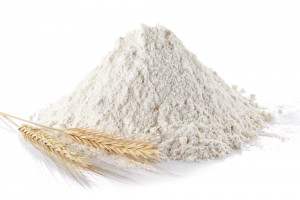
Refined carbs, as I have written about many times in the past, are when you take the whole grain and lop off about 2/3 of the grain, removing 90% of the nutrients and leaving all the calories.  So, while “enriched wheat flour” sounds like it might be a healthy thing (isn’t “enriched” a good thing??), if it is on the label, it’s off the list.

Just because something says “made with whole grains” on the front of the package does NOT mean it’s now a health food because you added a gram or two of whole grains into a pound of crap.

In this particular article, to further reinforce the idea that whole grains are the only option, researchers found that whole grains actually lowered levels of hsCRP, a marker of inflammation in the body.  Less inflammation = less chronic disease.  Pretty simple equation.
Filed Under: Inflammation Tagged With: CRP, hsCRP, inflammation, whole grains

But I Avoid White Flour and Sugar–Isn’t That Enough?

September 26, 2015 by James Bogash

I can honestly say that it is very rare that patients truly understand what a refined carb is and how bad it is for health.

Which is disturbing considering that refined carbs are known to increase the risk of pretty much every chronic disease known to man.  Regardless of what color it is, if a product contains enriched wheat flour, sugar or high-fructose corn syrup (HFCS) it is REFINED and needs to be avoided.

You HAVE to read the ingredients label.  It is sad that many “diet” websites that provide nutritional information do not actually list the ingredients!!

In this particular study, women eating a higher glycemic index diet (which would mean her diet is much higher in refined carbs instead of whole grains) had almost a 300% higher risk of dying from some type of inflammatory disease.  And yet, society as a whole is not being educated on what a “refined carb” is.  Abhorable.

Filed Under: Anti-Aging, Dietary Fiber Tagged With: enriched wheat flour, high-fructose corn syrup, inflammation, refined carbohydrates, whole grains

I’ll Just Exercise it Off…Critical Reason Why This is a BAD Idea

August 20, 2015 by James Bogash

exercise with poor diet
fabioberti.it / Dollar Photo Club

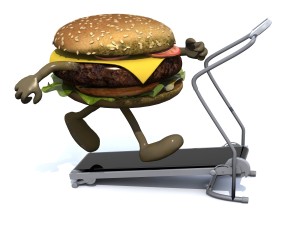
I hear it all the time.  “I’ll just exercise it off.”  Or, someone will say something like “he’s an athlete, he’ll burn it off.”  All of this over the “comes-with-a-hand-truck” sized drink at Starbucks.

If only it were that simple.  If only all you had to do was exercise more to burn off any excess calories you took in, regardless of the quality of those calories, obesity and diabetes would be a rare thing.  But have you ever looked down on the “calories burned” indicator on the elliptical or treadmill you’re using?  Disappointing, isn’t it?  All that work and you’re lucky if you’ve burnt off enough calories to account for even half of a small Starbucks mocha.

What about those crazy high activity runner?  Let’s say you are a marathon runner in training and you just finished a 1/2 marathon.  That’s approximately 1200 calories burned.  While that sounds like a lot, it’s not even enough to burn off the calories in a Big Mac Value Meal.

So why even bother with exercise?

Because, quite frankly, it’s the right thing to do.  The benefits of exercise cuts across every organ and every disease state.  But it has little to do with the calories that you burn during exercise.  One benefit of consistent exercise is that it does increase the amount of lean body mass that you are carrying around.  Muscle, unlike fat, burns off quite a bit of calories.  This is reflected in your basal metabolic rate (BMR)–the more muscle mass you have, the more calories you burn at rest.

Imagine if you could boost your BMR by a mere 100 calories per day?  Do the math…that’s 3,000 per month and 36,000 more calories burned per year.  It adds up.

Despite all of this, the benefits of exercise do not stand on their own.  Diet, stress management and environmental exposure consciousness needs to be a part of the equation as well.  So, if you are the type of person who hits the gym every day, bikes to work 35 miles each way uphill, swims 750 laps before most of our alarm clocks are buzzing or runs more miles in a week than many of us drive…BUT, eats, quite frankly, like crap (and you know who you are…) just thinking you’re going to “burn it off,” than this particular article is for you.

It in, researchers looked at the communication between skeletal muscle and the beta cells of the pancreas (the cells that produce insulin) in samples of human skeletal muscles that had been subjected to exercise or were left at rest.  These samples were then mixed with beta cells to see if inflammation played a role in protecting or damaging these insulin-producing cells.  Here’s what they found:

  • When inflammation (IL-1β plus IFN-γ) was present, there was an increase in the death of beta cells and a weaker insulin response (not good).
  • Without inflammation, the myokine IL-6 (a chemical released by the muscle during exercise that generally does good things), blocks the death of the beta cells of the pancreas (good thing).
  • However, when inflammation is present, IL-6 from exercise WORSENS beta cell death (very much NOT good).

Maybe this seems a little complex, but the take home message is that, in the presence of inflammation, the normally protective compounds released by the muscles during exercise actually damage the beta cells of the pancreas–a situation that absolutely will set you up for diabetes given enough time.

This means that exercising in the context of an otherwise unhealthy lifestyle may not allow you to just “burn off the calories.”  Rather, this lifestyle may actually prove toxic to the incredibly important beta cells of the pancreas that are constantly fighting to keep blood sugar under control and stave off diabetes.

Think about that the next time your half marathon takes you to that fast food restaurant.


Filed Under: Diabetes (Type 2), Insulin, Obesity and Weight Loss, Prediabetes Tagged With: beta cell, diabetes, exercise, IL-6, inflammation

To Wheat or Not to Wheat-THAT is the Question

March 11, 2015 by James Bogash

whole grains and inflammation
baibaz/Dollar Photo Club

Over the decades one macronutrient or other has gotten beat up: fats, carbs, proteins. Sometimes it’s components within these food groups: eggs, red meat, potato chips, etc…

But rarely do we pay attention to anything beyond the hype.  Most of the controversy over foods that have been demonized has been taken out of context.  Except potato chips and fast food.  They are evil.

But other things, like fats as an entire food nutrient, were completely taken out of context and as a result we lost an entire decade of good fats from our diets.  Proteins were heavily promoted with the Atkin’s diet without any discussion about plant versus animal-based proteins.  And carbs have always taken a beating, without any real discussion about whole grain versus refined junk.

You can’t go a day without hearing about gluten-this or gluten-free that.  I’ve seen products labeled as “gluten-free” that would never have gluten in them anyway, purely for marketing.  But this is for good reason because there are clear links between gluten in foods and conditions like migraines, seizures and skin conditions, just to name a few.

Do I think that the whole “gluten-free” craze has been overblown?  Yes.  Do I think that there is a good sized chunk of the population who should live gluten free?  Yes.  Do I think that the rest of us should live a gluten-minimal diet?  Yes again.

Buried within the research and hype on gluten-free is the fact that we eat processed junk.  There is no doubt that enriched wheat flour is very bad for our health and should be avoided.  How much of the benefits of going gluten free are actually from avoiding enriched wheat flour?

Let’s face it–most of the carbohydrates we eat today are processed.  Much as I’ve tried through diligently scouring the aisles, the mainstream grocery stores do NOT carry whole grain bread loaves.  Sure, the label may SAY whole grain, but a quick peak at the ingredients will show you that the whole grains are located somewhere after sodium benzoate on the list.  Hamburger and hot dog buns are even worse.

ANY enriched product should be avoided like the plague (which, if you actually survive Yersina pestis your immune system will be stronger for it.  Not so with refined carbs…).  And, in general, keeping your carb intake lowered is probably a good idea.  But the addition of carbs in fruits and vegetables and whole grains is still consistent with a healthy lifestyle.

Which brings us to this particular study.  In it, researchers looked at 80 overweight or obese patients with a low intake of fruit and vegetables and sedentary lifestyle (great combination, I might add…can’t imagine how they found any of this type of subject) to see how whole grain intake or refined grain intake impacted a bunch of different markers of health.  Here’s what they found after 4-8 weeks of the study:

  1. There was a 4-fold increase in the blood levels of the polyphenol dihydroferulic acid (aka DHFA-a very potent antioxidant that has been linked to lowered rates of breast cancer).
  2. There was a 2-fold increase in the related compound ferulic acid (FA) showing up in the stool.
  3.  By 8 weeks, the ferulic acids levels had doubled in the urine.
  4. After 8 weeks there was a reduction in the high-powered inflammatory molecule tumor necrosis factor-α (TNF-α).
  5. After 4 weeks there was an increase in the levels of interleukin 10 (IL-10 is a molecule that helps to balance the immune system).
  6. In the whole grain group, those who had higher levels of fecal FA had higher levels the bacteria families Bacteroidetes and Firmicutes (consistent with healthier outcomes) but reduced levels of the dangerous bacterial family Clostridium.
  7. In addition, as the TNF-α levels went down there were increased levels of Bacteroides and Lactobacillus.

Anyone who falls into the “grains are evil and cause inflammation and should therefore be banned from the diet” camp would have a hard time arguing that the changes that occurred in this study with whole grain intake were a bad thing.

But again, whole grains should be just a PART of a comprehensive dietary program that is conscientiously chosen to lower your risk of chronic disease and help you live life to the fullest.  This means that you have to read the labels and can not rely on the games that the marketing department plays with you on the front of your bag of bread.


Filed Under: Dietary Fiber, Inflammation Tagged With: dietary fiber, ferulic acid, inflammation, TNF-alpha, whole grains

Reflux Disease, Barrett’s Esophagus and Esophageal Cancer: Critical Detail

November 23, 2014 by James Bogash

Patients who have reflux are almost exclusively given ulcer drugs with the rationale to block the development of cancer of the esophagus.

The thinking is that is you can block the constant irritation of acid on the lining of the esophagus, which was not designed for high levels of acidity, you can stop the progression to neoplasia (neoplasia = precancerous cells).  Neoplasia can occur with any tissue that is under constant attack and repair.  The more a tissue has to replace damaged cells with new ones, the more likely an error in cell division is to occur.  Errors can lead to cancer.

At the surface, the idea of blocking acid may seem like a good idea.  At least it does until you factor in that in no way does this treatment approach address the reason the reflux is present in the first place.  Then, when you factor in the fact that stomach acid is just kind of important in say, EVERYTHING, as this approach begins to sounds like a disaster waiting to happen.

Deep down inside the drug companies are probably aware of this.  That’s why every SINGLE drug designed to block stomach acid production clearly states that it is for short-term use only.  Usually no longer than 3 months.

And yet patients are put on these drugs for years and years and years and the devastation to health is virtual incalculable.

Our bodies digest.  And then our bodies do everything else.  Without an intact digestive system optimal health can NOT be achieved.  And ulcer drugs absolutely destroy your body’s ability to digest.

As I’ve said consistently in previous articles, if you’ve got a bleeding ulcer (which most likely came from taking aspirin or ibuprofen…) it is not the time to worry about long-term effects of blocking acid.  These drugs can be life-saving if you have a bleeding ulcer.

Any other time, however, they are one of the worst things you can take long-term.

The real answer to the problem lies in figuring out where the reflux is coming from.  Food allergies (like gluten, dairy, corn, soy), abdominal obesity, tight belts and stress can all play a role in reflux.  While fixing some of these can be long-term solutions, digestive enzymes can frequently work miracles in the short-term.

But what about the risk of developing cancer of the esophagus?

Turns out that acid-blocking drugs do little about the progression from Barrett’s esophagus (a pre-cancerous condition of the esophagus).  Rather, the answer is far more complex.  Things like nitrates in your food choices (which you can read about in a previous article by clicking here) will affect risk.

This particular study gives us even more information about factors that will greatly affect your risk of developing cancer of the esophagus.

In it, researchers looked at the relationship between physiology’s arch enemy, inflammation, and the development of esophageal cancer.  Specifically, they looked at several markers in a small group of 397 people diagnosed with Barrett’s esophagus:

  1. C-reactive protein (CRP)
  2. Interleukin-6 (IL6)
  3. Soluble tumor necrosis factor (sTNF) receptors I and II
  4. F2-isoprostanes (a marker of oxidative stress)

They looked at several other lifestyle factors as well.  Here’s what they found:

  • Those with higher CRP levels had an 80% higher risk of esophageal adenocarcinoma.
  • Even worse, those with higher CRP and an elevated waist–hip ratio had a 198% higher risk.
  • Higher CRP and smoking upped risk 177%.
  • Higher IL6 levels had a 200% higher risk of esophageal cancer.
  • Elevated waist-to-hip ratios and smokers did not have a further risk above IL-6.

When you look at these numbers, pay attention to the fact that inflammation is NOT reduced by the use of acid-blocking drugs.  In many cases, the use of these drugs to block normal digestion would increase inflammation.

Another important thing to note is that having an elevated waist-to-hip ratio (meaning these people were very likely pre-diabetic) was more dangerous than cigarette smoking.

Got that?  More dangerous than cigarette smoking.  Everyone knows that smoking is bad for you, but very, very few people truly understand the devastation that pre-diabetes wreaks on your long-term health.

If the 2/3 of society (by my estimation) that are pre-diabetic understood these risks better, maybe we’d pay a little better attention to our lifestyle choices.

The last comment I have to throw out this is that drugs that block acid production are well-known to negatively affect bone health.  Poor bone health leads to an increased risk of diabetes (in case you were not aware of this relationship, you can read about it in a previous article by clicking here).

Following this line of thinking, it may very well be that the treatments we THINK are protecting the esophagus are actually increasing the risk of the esophageal cancer we are trying to stop.

Filed Under: Digestive Complaints Tagged With: Barrett's esophagus, cancer of the esophagus, Esophageal Cancer, inflammation, reflux

Torn Cartiliage in Knee: This Option is Better Than Surgery

August 20, 2014 by James Bogash

torn cartilage in knee
Weight plays large role in knee pain

Everyone who has torn cartilage in the knee seems to think surgery is the only option.  This couldn’t be further from the truth.

I had addressed this topic some time ago in a prior blog article that can be read by clicking here.  And, just in case you’d really like a lot more to read on the issue, you can download my Knee Pain Answers eBook by clicking here.

What you’ll find in the eBook is lots of research debunking common beliefs about knee pain.  Which is good, because these beliefs are held by most everyone.  Twice today I had to have the “knee conversation” with patients.  Patients who have knee pain should just stay away from X-rays and MRIs (unless there has been significant trauma) unless they are hell-bent on having surgery already.  Otherwise, the information we get from imaging may be misleading.

Why?  Because on a knee MRI, upwards of 88% of people over 50 have “findings” AND NO PAIN!  Society is so damn stuck on the idea that, if we see something on an X-ray or MRI, it has to be the cause of the pain.  This is so far from true.

I’m not saying that osteoarthritis does not cause knee pain.  Rather, before you make a decision about whether your knee pain is strictly from arthritis you need to find a physician that really understands the soft tissues of the knee and how to treat them correctly.  In addition, there’s another important thing you’re going to have to do.

If you’re overweight, you’re going to have to work on losing weight.

I know, I know.  Losing weight is the GOAL, not the process, and too many physicians leave it at that.  Like people who are overweight don’t know that weight loss will help the knees??  We make sure that, if you are truly motivated to lose weight, we can facilitate the process of weight loss, either through our in-office weight loss program (also available remotely for those who do not live near the office) or with changes to your current lifestyle that are contributing to being overweight.

This particular study just drives home just how important weight loss can be for the knees.  Researchers followed 250 adults with no knee arthritis for 2 years.  MRIs were done before and after to evaluate what effect weight loss or gain had on the height of the cartilage and overall pain in the knees.  Here’s what they found:

  • 18% of the group had medial meniscal tears.
  • In those with medial meniscal tears, for every 1% gain in weight, there was a 0.2% increased loss of cartilage volume and 11.6% increase in pain.
  • In those with no medial meniscal tear, weight changes had no effect.

The cartilage volume changes were not all that great, but the changes in pain levels with even a very small weight change was quite dramatic.  This may have to do with the fact that, as you lose weight through healthy lifestyle changes, your body will be less inflamed.  Less inflammation means less pain.

Overall, though, it is clear that weight plays a very large role in knee pain.  If you are serious about avoiding ANY type of knee surgery (and you should be…) than getting closer to an ideal body weight is high on the list of things you need to do.


Filed Under: Knee Pain Tagged With: inflammation, knee arthritis, knee pain, medial meniscus injury, obesity and weight loss, Torn Cartilage In Knee, weight loss

Autism, Schizophrenia and Depression; Surprising Thing They Have in Common

August 10, 2014 by James Bogash

Disorders of the mind have never been as easy to grasp for doctors. While therapists have a larger toolbox, most physicians are limited to medications.

For me, medications that screw with the essential way that your brain cells function in relationship to one another are a wee bit on the scary side.  We really know so little about the brain so it seems that using medications to alter it would be akin to cavemen using rocks to fix an iPad.

But alas, this is all we do in modern medicine.  The lucky ones will find their way to a good therapist and find tools to help.

But rarely does the topic of lifestyle changes come up.  The prevailing attitude is the opposite—there is little that can be done in the way of diet and lifestyle to manage these conditions.  But contrary to this opinion is an increasingly growing body of medical literature stating the opposite.

There is one key factor all these conditions and all this research have in common.

Inflammation.

Yup, that all so subtle, lifestyle-driven state of immune dysfunction.  It ranges from full-blown autoimmune conditions where the immune system is attacking tissues and organs it should not be to allergies and asthma when the immune system completely ignores the tissues inside and runs around like a Tasmanian devil trying to keep innocuous dust and particles at bay.

In all these situations, the resources used to drive the inflammation leaves the inflamed patient fatigued and prone to infections.  The constant insult to the body, the zapping of the body’s resources, the need to repair tissues again and again ultimately increases the risk for all chronic diseases, especially heart disease, dementia and many cancers.

But what does this inflammation do to the brain in the here and now?

It is very clear that current inflammation wreaks havoc on the brain.  This little fact, however, has escaped the notice of psychiatrists for decades.  Until now.

At this years’ (2014) annual meeting of the American Psychiatric Association the cat was let out of the bag by Dr. Eric Hollander of Montefiore Medical Center and Albert Einstein College of Medicine, New York City.  During the next several presentations, Dr. Hollander and others covered several important examples that demonstrate the links between inflammation and psychiatric disorders.

Dr. Andrew Miller of Emory University School of Medicine, Atlanta discussed the relationship between depression and inflammation.  He used these findings as proof:

  • Several studies have demonstrated that patients with depression have higher levels of inflammatory messengers (cytokines) in their blood and cerebral spinal fluid (specifically IL-6, TNF-alpha and CRP).
  • In treatment-resistant depression (about one-third of all depressed patients) there is an increase in inflammatory chemicals that have the ability to sabotage and deactivate the action of antidepressant therapy.
  • In one of the first studies in psychiatry linking a biomarker to treatment response, the high-powered drug used to block TNF-alpha (infliximab) was used in those with treatment-resistant depression.  Those patients who had high CRP levels had the best response to infliximab.
  • In a related study, Miller’s team were able to tell, using gene expression profiles, which patients were going to responded to infliximab within 6 hours of the first infusion.

The topic of schizophrenia was addressed by Dr. Norbert Müller of Ludwig Maximilian University of Munich, Germany.  Here were his points:

  • Infections and inflammation play a role in the development of schizophrenia; prenatal and postnatal infections are risk factors for schizophrenia.  The risk increases with the number of infections.
  • A number of studies using anti-inflammatory cyclooxygenase-2 (COX-2) inhibitors in addition to antipsychotic medication have had positive effects.
  • Timing is important: no benefit was seen in who had chronic schizophrenia, but anti-inflammatory therapies given early in the course of the disease were effective.

Dr. Hollander addressed the relationship between autistic spectrum disorders (ASD) and inflammation.  He notes:

  • Increases in inflammatory chemicals have been found both in the cerebrospinal fluid of patients with ASD and in brain tissue at autopsy in those with autism.
  • The bacteria in the gut may play a large role (the gut “microbiome”).
  • In support of the “hygiene hypothesis,” developed countries have higher rates of autoimmune conditions.
  • Hollander and others have focused on affecting the microbiome using a medicalized parasite, Trichuris suis ova (TSO-the eggs of a porcine whipworm). Trichuris suis ova is safe in humans, does not multiply in the host, is not transmittable by contact, and is cleared from the system spontaneously.  It works by balancing the inflammatory response to increase its survival. This balance in our system has shown some success in autoimmune diseases such as Crohn’s disease.
  • His group has been carrying out a small study of TSO in 10 high-functioning adults with ASD for 3 months and have found a potential benefit.
  • In another interesting study, researchers studied 10 children with ASD who were known to improve when they had fevers.  The children spent alternate days soaking in a hot tub at 102°F (to mimic fever) or at 98°F (control condition), showing improvements on the hot tub days.  It is believed that upping the body temp releases anti-inflammatory signals that positively affect behavior.

All of this information is a bit to swallow at once.  However, the real take home message is that inflammation is very bad for the brain, whether it is related to one of the three conditions covered here or another one like migraines, epilepsy or dementia.

Brain health is all-encompassing.  If you have no conditions it is still just as important to keep your brain healthy today for tomorrow’s brain health.  Leading an anti-inflammatory lifestyle is critical.  While the full nature of an anti-inflammatory lifestyle is beyond the scope of this article, you can better believe it involves exercise, stress management and a plant-based diet high in healthy fats.


Filed Under: Depression, Protecting and Healing Your Brain, Schizophrenia Tagged With: anti-inflammatory diet, autism, depression, inflammation, omega-3 fats, schizophrenia

CMV, CRP Have Predictive Value in Patients w/ Coronary Artery Disease – (11-12-00)

February 25, 2014 by James Bogash

CMV, CRP Have Predictive Value in Patients w/ Coronary Artery Disease

Inflammation continues to be a strong link in many chronic diseases in man. Lowering levels of inflammation is critical in dealing with, preventing and managing chronic disease.

Circulation — Abstracts: Muhlestein et al. 102 (16): 1917

Read entire article here

Filed Under: Inflammation Tagged With: CMV, Coronary Artery Disease, CRP, inflammation

  • Page 1
  • Page 2
  • Page 3
  • Interim pages omitted …
  • Page 18
  • Go to Next Page »

Primary Sidebar

Patient Quick Guide

Schedule An Appointment
Contact Our Office
Download Patient Forms

Categories

Chiropractic Mesa Arizona

Arthritis Chiropractor Mesa AZ
Graston Technique Mesa AZ
Back Pain Chiropractor Mesa AZ
Back Pain Doctor Mesa AZ
Wrist Pain Chiropractor Mesa AZ
Rotator Cuff Chiropractor Mesa AZ
Shoulder Pain Chiropractor Mesa AZ
Knee Pain chiropractor Mesa AZ
Manipulation Under Anesthesia In Mesa AZ
Headache Chiropractor Mesa AZ
Chiropractic Mesa AZ
Stem Cell Therapy Mesa AZ
Regenerative Medicine Mesa AZ
Massage Therapist Mesa AZ
Shoulder Pain Doctor Mesa AZ
PRP Therapy Mesa AZ
Chiropractic Mesa AZ
Who Is The Top Chiropractor In Mesa AZ?
Knee Injury Doctor Mesa AZ?

Footer

Resources

Site Map
Disclosure
Additional Resources

Best Massage Therapist Mesa AZ
Arthritis Doctor Mesa AZ
Chiropractic Mesa AZ
Back Pain Doctor Mesa AZ
Rotator Cuff Doctor Mesa AZ
Chiropractor Mesa AZ
Massage Therapist Mesa AZ
PRP Therapy Mesa AZ
Knee Pain Doctor Mesa AZ
Stem Cell Therapy Mesa AZ
Headache Doctor Mesa AZ
Shoulder Pain Doctor Mesa AZ

Office

Lifecare Chiropractic
1830 S. Alma School Rd, Ste 135
Mesa, AZ 85210
(480)-839-2273
Also Serving Tempe, AZ

Get Directions

  • Home
  • About
  • Common Conditions
  • Additional Services
  • Testimonials
  • Blog
  • E-Books
  • Contact

Copyright © 2026 · LifeCare Chiropractic · All Rights Reserved.