• Skip to main content
  • Skip to primary sidebar
  • Skip to footer

LifeCare Chiropractic

The Best Chiropractic Care in Mesa, Arizona

  • Home
  • About
    • Why Lifecare?
    • About Dr. Bogash
    • Team Members
  • Common Conditions
    • Wrist Pain/Carpal tunnel syndrome
    • Elbow Pain/Epicondylitis
    • Headaches
    • Knee Pain and Knee Injuries
    • Low Back Pain
    • Shoulder Pain and Rotator Cuff Problems
  • Additional Services
  • Testimonials
  • Blog
  • E-Books
  • Contact

cacao

Ancient Mayan Treat Wins Again for Diabetes Prevention

February 14, 2015 by James Bogash

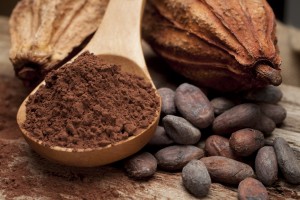
chocolate and diabetes risk
hiphoto39/Dollar Photo Club

While the idea that chocolate is good for us seems to have made it to the general public, there are still some patients I come across who are not aware.

The history of chocolate goes back some ways, but the origins are usually pinned to the Olmecs and Matans in Mexico.  Cacao.  Food of the Gods.  Theobroma cacao.  This was the beginning of learning how to process cacao into cocoa and chocolate.  (Just in case you’re really interested in learning about the entire history and industry, Cornell University has an excellent overview that can be found by clicking here)

For years, I thought someone had just been spelling cocoa wrong when I saw cacao written.  Not so.  Cocoa is made from cacao seeds.  Cacao itself is a very heavy-hitter when it comes to good health.  Specifically good blood vessel health.  And if you have healthy blood vessels, you are at a much lower risk of heart attack, stroke and dementia.  That’s most likely why we see the benefits of cacao products on these conditions.

But, in the back of everyone’s mind is the concern that chocolate has calories and too many calories are going to lead to obesity and diabetes.

Let me clarify something first.  When I talk about “chocolate” I’m not talking about the low-quality-hardly-deserves-the-label-of-chocolate chocolate found in things like Hershey’s chocolate, Ovaltine and Reese’s peanut butter cups.  Nope.  I’m talking about the higher cacao content chocolates made by companies like Endangered Species, Green and Black, Ghirardelli and Godiva.  And stay away from cacao processed with alkali, as this will lower the level of protective compounds in the end product.

A study evaluating chocolate intake in European teens found that higher chocolate consumption led to lower body weight and body fat.  Definitely good news.

Another study that relates to weight gain is the chocolate and the risk of developing diabetes.  This study originally published in 2014 (online–print version in 2015) began to demonstrate that those with higher chocolate intakes had lower risk of developing diabetes.  Again, good news.

Fast forward to this particular study, in which researchers combed through the data of the Physician’s Health Study, looking at the relationship between 18,235 male doctors’ chocolate intake and overall risk of developing diabetes.  Here’s what they found after following this group for an average of 9.2 years:

  • Those who had chocolate 2 or more servings per week had a 17% lower risk of developing diabetes.
  • This protection from chocolate consumption was slightly stronger in those men who did not have heart disease.
  • The protection was mainly present in younger men and those with a more ideal body weight.

While a 17% lower risk of developing diabetes is not earth-shattering, the fact that eating the “food of the gods” a few times per week was all it took to achieve this lower risk is hard to argue.  Add in some short-burst aerobic exercise and raw nuts and cut out refined carbohydrates and you’re going to have to be a Pima Indian just to have a risk for diabetes.


Filed Under: Diabetes (Type 2) Tagged With: cacao, chocolate, diabetes, obesit, prediabetes

Is Dark Chocolate Good for You? What About Weight Gain?

November 7, 2013 by James Bogash

Chocolate.  Even the word brings happy thoughts.  But society has attached some incorrect negative connotations to the word and has strayed away from the idea that dark chocolate is good for you.

First of all, let’s clarify that we are talking about DARK chocolate here, not the dreaded milk chocoate that contains dairy and no cacao.  Cacao is the bean that we use to make dark chocolate and cocoa and the research on how protective this bean is to our health is strong.

In general, the higher the cacao content, the more bitter the product but the stronger the health benefits to your heart and brain.  Straight up cacao (which I use in my mochas at the office) has a definite bitter taste.  When we buy chocolate bars, we make sure they’re high cacao content sweetened with pomegrante, boysenberry or blueberries, which balances out the bitterness.

Back to the largest concern that most people have with chocolate consumption:  it’s going to lead to weight gain.  I just heard this concern from a participant at a class I was teaching this week on prediabetes and dementia.  Luckily, I had just flagged this particular article to answer this concern effectively.

Researchers looked at the relationship between chocolate consumption and weight gain in 1458 European teens.  Overall, those who had higher chocolate consumption had lower body weight and abdominal obesity.  Pretty cool news.

“Higher consumption” is a little vague. Personally, I have no issues with a square or two of dark chocolate per day, a teaspoon of powdered cacao in my mocha or some dark chocolate with mixed raw nuts as a snack on a daily basis.

I had written an article on the potential benefits of dark chocolate over drugs to lower cholesterol in those with high cholesterol levels that can be read by clicking here.  In the study referenced, the authors were suggesting some 100 grams of dark chocolate daily.  For those of you not familiar with how heavy the typical bar of chocolate is, it’s under 100 grams.  Again, pretty cool…


Filed Under: Obesity and Weight Loss Tagged With: cacao, chocolate, Cocoa, dark chocolate, weight gain from chocolate

What Are You Snacking on? Make Better Brain Choices

September 27, 2013 by James Bogash

When the idea of snacks are brought up, the scary choices like Doritos, chips and nachos come to mind.  But what do you think these do to your brain?

Becomes vaguely reminiscent of the “This is your brain.  This is your brain on drugs.” commercials.  The unhealthy fats in most snacks (high in omega 6 from corn, soybean and cottonseed oils) have been linked to lower IQs and overall brain function.  Personally, I would prefer eating snacks that support brain health rather than destroy it.

Enter the beloved cacao bean.  Believed to have originally been grown in the shadow of the Andes mountains, the cacao bean is most commonly used to make chocolate and cocoa; two food items that are rarely thrown across the room by disgruntled toddlers.  Here’s the best part—the research consistently and strongly shows that cacao based compounds are really protective to your blood vessels.  Protect your blood vessels and you protect your brain and heart.  If these benefits came from gnawing on bark and grass from an untainted field, I could understand some reluctance.  But it’s chocolate.

This particular study yet again demonstrates to benefits of cacao compounds on the brain.  Researchers looked at neurovascular coupling, a term referring to the changes in blood flow that occur with activation of certain areas of the brain.

60 participants at an average age of 72.9 years were given cocoa and followed for one month.  They were evaluated for both neurovascular coupling and cognitive function measured via the Mini-Mental State Examination and the Trail Making Test A and B (A targets are all numbers and the test taker needs to connect them in sequential order, and B alternates between numbers and letters).  The test were evaluated at the 24 hour mark and the one month mark.  When possible, MRIs were also used to look at the white matter of the brain.  Here’s what they found:

  • In those participants who had impaired neurovascular coupling at the beginning of the trial, results improved (from -2.4% up to 5.6%).
  • Times to complete Trail B improved 44% as well (from 116 to 167 seconds).
  • Under MRI, the white matter of the brain demonstrate better structural integrity.

While some of the results may seem a little confusing, let me sum it up for you:

You need to take more cocoa, dark chocolate and straight up cacao.  Pretty simple.

Filed Under: Alzheimer's, Anti-Aging Tagged With: cacao, chocolate, Cocoa, cognitive decline, protect your brain

Primary Sidebar

Patient Quick Guide

Schedule An Appointment
Contact Our Office
Download Patient Forms

Categories

Chiropractic Mesa Arizona

Arthritis Chiropractor Mesa AZ
Graston Technique Mesa AZ
Back Pain Chiropractor Mesa AZ
Back Pain Doctor Mesa AZ
Wrist Pain Chiropractor Mesa AZ
Rotator Cuff Chiropractor Mesa AZ
Shoulder Pain Chiropractor Mesa AZ
Knee Pain chiropractor Mesa AZ
Manipulation Under Anesthesia In Mesa AZ
Headache Chiropractor Mesa AZ
Chiropractic Mesa AZ
Stem Cell Therapy Mesa AZ
Regenerative Medicine Mesa AZ
Massage Therapist Mesa AZ
Shoulder Pain Doctor Mesa AZ
PRP Therapy Mesa AZ
Chiropractic Mesa AZ
Who Is The Top Chiropractor In Mesa AZ?
Knee Injury Doctor Mesa AZ?

Footer

Resources

Site Map
Disclosure
Additional Resources

Best Massage Therapist Mesa AZ
Arthritis Doctor Mesa AZ
Chiropractic Mesa AZ
Back Pain Doctor Mesa AZ
Rotator Cuff Doctor Mesa AZ
Chiropractor Mesa AZ
Massage Therapist Mesa AZ
PRP Therapy Mesa AZ
Knee Pain Doctor Mesa AZ
Stem Cell Therapy Mesa AZ
Headache Doctor Mesa AZ
Shoulder Pain Doctor Mesa AZ

Office

Lifecare Chiropractic
1830 S. Alma School Rd, Ste 135
Mesa, AZ 85210
(480)-839-2273
Also Serving Tempe, AZ

Get Directions

  • Home
  • About
  • Common Conditions
  • Additional Services
  • Testimonials
  • Blog
  • E-Books
  • Contact

Copyright © 2026 · LifeCare Chiropractic · All Rights Reserved.