• Skip to main content
  • Skip to primary sidebar
  • Skip to footer

LifeCare Chiropractic

The Best Chiropractic Care in Mesa, Arizona

  • Home
  • About
    • Why Lifecare?
    • About Dr. Bogash
    • Team Members
  • Common Conditions
    • Wrist Pain/Carpal tunnel syndrome
    • Elbow Pain/Epicondylitis
    • Headaches
    • Knee Pain and Knee Injuries
    • Low Back Pain
    • Shoulder Pain and Rotator Cuff Problems
  • Additional Services
  • Testimonials
  • Blog
  • E-Books
  • Contact

Migraine

Teen Headaches: Medical Care May Be the Wrong Choice

March 30, 2014 by James Bogash

headaches in children
Photo courtesy of http://www.sxc.hu/profile/digpretzel

It’s your child. The blinding pain of a headache is hard to ignore, so you do what you think is the right thing. Pediatrician, PCP, urgent care or ER, depending on the situation.

There’s a 50% chance this is a bad choice.

As a chiropractor who sees headache patients all the time, I can say with a high degree of confidence that, much like back pain, we should be the first stop. While not every time, it is very common for a child with headaches to leave our office after the FIRST visit with a drastic reduction in his or her headache. Add a few more visits after the initial treatment and most headaches are history. Certainly there are exceptions, but these are few and far between.

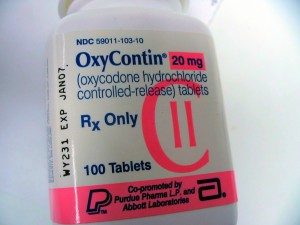
So what happens if you do NOT bring your child to a chiropractor first? This particular study looked at this question and the answers were disturbing enough to surprise even the researchers themselves. Narcotics are absolutely NOT the standard recommendation for any headache, let alone headaches in teenagers. While I think NSAIDs are almost as bad of an idea (because they don’t actually fix a darn thing as it relates to headaches), they are at least a better standard recommendation.

So when researchers looked at the insurance data from 8,373 13- to 17-year-olds who visited a clinician for headache (which is a common ailment in adolescents) researchers were sure that they would find that narcotic use was low. Instead, shocked researchers found:

• 46% of teens were given a prescription for a narcotic.
• 23% got two prescriptions.
• 29% got three or more prescriptions.

If the emergency room was involved, the likelihood of a narcotic being given were greater. Except in very limited situations, there is not a shred of evidence or any clinical practice guideline that suggests narcotics as the first line treatment for adolescent (or adult, for that matter) headaches.

So why and how does this happen? How can half of mainstream medicine be so distanced from the medical research as to give a child highly addictive pain medication for a condition that it should not be used for??

As a chiropractor treating these conditions without any drugs, I find that question even harder to answer.
Filed Under: Migraine, Raising Healthy Children Tagged With: chiropractic care for headaches, headaches, headaches in teens, teenage headaches

Car Accidents and Mild Traumatic Brain Injury; Is It Real?

March 27, 2014 by James Bogash

If you’re an insurance adjustor reading this, you KNOW that patients involved in a car accident are faking it.

Those of you out there who have actually been on the receiving end of a whiplash injury would beg to differ. Sure, maybe not at the scene of the accident, but by the next morning you’re feeling it. Owning a chiropractic office, we see patients who have been involved in car accidents all the time. Most recover on a very straightforward trajectory, especially when we apply soft tissue treatment along with manipulative therapy.

Some, however, refuse to heal at a rate that is expected. Damn patients. If only we handed out the pamphlets beforehand so these patients would know how fast they are supposed to heal. We are currently dealing with a case right now that continued FAR longer than we had thought originally (care extended beyond a year—NOT at all a usual length of treatment in our office). The insurance people who reviewed the case stated that she should’ve been all better by 12 weeks.

She definitely should’ve read the pamphlet.

The real world, however, does not always follow the guidelines we make for it. And sometimes, we later find out that the guidelines weren’t really all that representative of what happens when later research informs us. The problem here is that these guidelines change with the speed of a snail on 1,000 mg of gabapentin TID.

This particular study has so many interesting aspects to it that I’m not really sure where to begin. But, since the article really focuses on mild traumatic brain injury, maybe that’s a good place to start. For those of you unlucky ones who have never experienced MTBI follow head trauma, either in sports or in a car accident, let me enlighten you to just a few of the symptoms:

  • Fatigue
  • Irritability / behavioral changes
  • Inability to focus / fuzzy thinking
  • Headaches
  • Dizziness

In a nutshell, it sucks. Worse, if you are involved in a relationship, have a job or a life, it begins to disrupt all of these by frustrating those around you.

When this happens to my patients, the best answer I usually have for them is that it just takes time to recover. In some it’s weeks, in some up to a year. When symptoms are more severe, there are certain supplements that may help protect the brain and allow it to heal faster. These can include CoQ10, vitamin E and magnesium threonate.

In this research study of 7170 adult residents injured in car accidents from Saskatchewan, Canada (for those of you who ever wondered where Bigfoot is hiding out—it’s here), 1716 met the criteria for MTBI. For those of you good with math, that’s 24%. A pretty hefty number and far higher than I would ever have expected. Here are some details of the MTBI sufferers:

  • Most common in the 18- to 23-year-old group.
  • Most were not hospitalized (73%).
  • Loss of consciousness in 28% and 23% reported posttraumatic amnesia.
  • Average time to recovery was 100 days, or a little over 3 months.
  • 23% did not recover by 1 year.

Looking at what we have here, we can make a quick assessment that a very large chunk of people involved in car accidents end up with criteria for MTBI, yet a quick screen based on loss of consciousness or memory would’ve missed a huge chunk of those suffering MTBI. After seeing this information I KNOW I have missed patients over the years by not looking for MTBI because there was no overt signs of head trauma reported or a loss of consciousness or memory.

Now, before you walk away already amazed at the information in this study, there’s more (and it’s NOT free shipping). The researchers were able to identify factors associated with slower than expected recovery from MTBI:

  • Age above 50 years
  • Having less than a high school education
  • Having poor expectations for recovery
  • Depressive symptoms
  • Having arm numbness
  • Having hearing problems
  • Having headaches (good thing no one has a headache after a car accident)
  • Having low back pain
  • Having thoracic back pain
  • Surprisingly, loss of consciousness and posttraumatic amnesia were NOT associated with recovery.

After reading through this article and thinking back to the aforementioned patient, she absolutely, positively met many of the symptoms for MTBI as well as experienced 5 of the above factors associated with a delayed recovery. Is it possible that I could’ve done something different early on to change the outcome trajectory? It’s not exactly clear, but maybe I could’ve expected a more realistic outcome and burned the pamphlets.

Filed Under: Chiropractic Care, Migraine, Neck Pain, Whiplash Tagged With: auto accident, car accident MTBI, headache after car accident, mild traumatic brain injury

2 Things Every Chronic Migraine Sufferer Should be Checked for

February 18, 2014 by James Bogash

This is one of those “I’m a chiropractor so this will be biased” articles. This bias is further accentuated by the fact that I’ve written a Migraines and Epilepsy book. This article describes that ONE thing that EVERY single headache sufferer needs to do, and yet rarely do.

I understand headaches very well. Migraines. Tension type headaches. Cervicogenic headaches. Sinus headaches. Unfortunately, many chronic headache sufferers actually experience many different types of headaches. Since most physicians have a single tool to use, they can only address a single type of headache at a time. This is why it seems like no treatment works—it’s rare that a single treatment that is going to help for more than one type of headache.

But there is a great place to start. It should absolutely begin in a chiropractor’s office. Why? (Other than my bias, of course…) Because the tension-type / cervicogenic headache is so extremely common and a chiropractor who also understands the soft tissues involved in these types of headaches is the ONLY type of provider who can address them.

In case you think I’m being a little biased, think for a second, what tools the typical primary care doctor, orthopedic doc or neurologist has to treat muscle problems. Note that I said “muscle problems” and not muscle spasms. True muscle spasms are pretty rare in these types of headaches. Injections do nothing to fix the problems and the medications may mask what’s really going on, but there just are not any medications that are designed to actually heal the soft tissue problems involved in these types of headaches.

One could argue that a well-qualified massage therapist can also address these soft tissue problems, and it is a strong argument. However, the other aspect that contributes to these headaches, improper movement of the joints at the very top of the neck, can only be addressed by a chiropractor.

So you can see that my bias does, in reality, have quite a bit of factual information to support it.

What does all of this have to do with this particular study? In this small study, researchers looked at 4 things in chronic migraine sufferers:

  1. Myofascial trigger points (MTrPs) in the SCM and upper trap muscles
  2. Forward head posture (FHP)
  3. Neck range of motion (ROM)
  4. Cervical facet joint stiffness

As I’ve mentioned, these aspects are all well within the range of conditions that soft-tissue oriented chriopractors can treat very effectively.

So what did they find when they compared this group of chronic migraine sufferers to a similar group that did not experience headaches?? They did not find any difference in the neck range of motion nor in forward head posture. They did, however, note:

  • There was increased stiffness of the cervical facet joints stiffness at Occiput-C1 (top of the spine and the skull joint) as well as at C1-C2.
  • There were more active and latent MTrPs in the right trapezius and SCM muscles.

So, with this study and others that have come before it, I would ask the perpetually unanswered question—why do we not see referrals from neurologists and PCPs to chiropractors at least for the evaluation of whether or not these 2 findings are present?

Filed Under: Chiropractic Care, Migraine Tagged With: chiropractic, Chronic Migraine Headache, chronic migraine relief, headache, migraine, trigger points

Chronic Migraines Headaches and Seizures Linked Again

October 8, 2013 by James Bogash

This is not the first time I’ve pointed out the links between migraines and seizures (as if my book, Migraines and Epilepsy wasn’t hint enough…) and it won’t be the last.

The reason I need to keep pointing it out is that mainstream medicine (neurologists included) don’t seem to see the association and consider them “comorbidities.”  Comorbidities mean that they are occurring simultaneously and not necessarily related.  Usually, comorbidities are medicated separately (because that’s how we “treat” everything in this country).  Take diabetes and high blood pressure.  Medicated separately.  Heart disease and colon cancer.  Separately.

In so many cases, these are not really separate conditions, but rather two conditions created by the same upstream event.  The prediabetic state increases blood pressure and high cholesterol.  The smart approach would be to make changes to address the prediabetes rather than medicating each of them.

Back to the migraine and epilepsy association.

There is strong evidence that both of these conditions are caused or greatly contributed to by a fundamental problem with the way the cells of the brain generate energy at the mitochondrial level.  You can read more about this in a previous article by clicking here.

This particular study looked at 304 epileptic patients to see just how many have headaches associated with the condition.  Here’s what they found:

  1. Those with more frequent seizures were 60% more likely to also experience headaches.
  2. Headaches were present in 66.1% of these epileptics.
  3. Chronic migraine headaches  were experienced by 32.9% of the patients,
  4. Tension-type headaches were  present in 9.2%.
  5. 6.6% had migraines that led into seizures.
  6. 10.2% had seizures that ended with migraines.

These are numbers that should make even the most skeptical neurologist sit up and take notice.  Worse, either condition, by themselves, is bad enough.  The amount of strain and oxidative damage to the brain that occurs during either a migraine or seizure is bad enough—the combination of the two is devastating.  And all the more reason to take up the mantle of protecting your brain and begin to make some serious lifestyle changes.

Filed Under: Migraine, Seizures / Epilepsy Tagged With: chronic migraine headaches, epilepgraine, epilepsy, Migraine Relief, Migralepsy, seizures / epilepsy

Natural Remedies for Headaches: It’s Not in Your Head

September 23, 2013 by James Bogash


By now, if your neurologist has not discussed a link between your chronic migraine headaches and your heart, it might be time to find a new one.

This is not a new link, but it seems like the headache treatment community has been attempting to keep it secret.  Or worse, they are so disconnected from the medical literature that they are still telling their migraine patients that we don’t know what causes migraines.  Before we get to the meat of this article, we do need to bring up the blood vessel theory of migraine headaches.  Long ago headache specialists believed that chronic migraine headaches were caused by an event that led to constriction of the blood vessels (the cutting off of blood to certain regions of the brain from this constriction was believed to cause the aura associated with the headache).  The body then counteracted the constriction by forcing the blood vessels open again, leading to rebound dilation of the blood vessels.  This overexpansion of the blood vessels pressing on nerves in the brain was believed to cause the pounding headache of a migraine.

From this theory, the development of drugs of the 5-HT agonist class (drugs like the triptans used heavily to control the pain of migraines–notice I did not say “treat…”) that helps to shrink the blood vessels back down again.

With this history in mind, when I mention that chronic migraine headaches are strongly linked to problems with the blood vessels, I am NOT talking about the theory noted above.  Rather, I am talking about vascular health.  The inside lining of the blood vessels of your body is called the endothelium.  Endothelial dysfunction refers to a condition where the blood vessels no longer react the way they should.  In general, there is an imbalance between substances that help open and close the blood vessels when needed.  This begins to disrupt the normal functions like clotting, immune function and ability to control the diameter of the blood vessel.

Poor vascular health is the precursor to, and begins years and years before, heart disease, stroke and dementia.  And, most importantly, this is a process that occurs in ALL of the blood vessels, not just the blood vessels of the heart or just the vessels of your pinky finger.  Or, relevant to this article, the brain.

THIS is why migraines are not, and have never been, a problem in the head.  This is just where you feel the most notable symptom first.  Let poor vascular health leading to chronic migraine headaches go on for years and heart attacks, strokes or dementia are sure to follow.

Any headache specialist who does not understand this is NOT a headache specialist.  They are, most likely, an expert in using medication to alleviate the pain of a migraine.

And just in case you think I’m surely mistaken because you’re never heard of this relationship before, I present this particular study.  Researchers compared the blood flow in the heart of 40 patients with migraine to 35 healthy volunteers. Here’s what they found:

  1. In the chronic migraine headache patients, the blood flow reserve in the heart was about 1/3 less.
  2. In addition, blood flow through the left ventricle was reduced in the migraine group.

Basically, the endothelial dysfunction was causing problems with the blood flow through the heart.  This is not a cardiac problem and it is not a headache problem; IT IS A BLOOD VESSEL PROBLEM.  Until we begin to view chronic migraine headaches through this lens, we will never fix the problem.  We will just manage it.

For those migraine sufferers looking for natural remedies for headaches via better vascular health, the most bang for your buck is going to be an anti-diabetic lifestyle.  Diabetes and prediabetes destroys the blood vessels, contributing to endothelial dysfunction.  For a more complete review, consider my Chronic Migraine Relief eBook or my Migraines and Seizures eBook, both available through Amazon.


Filed Under: Migraine Tagged With: chronic migraine headaches, chronic migraine relief, Endothelial Dysfunction, natural remedies for headaches, vascular dysfunction

Chronic Migraine Headaches in Kids – Could This Be Why?

July 8, 2013 by James Bogash

Headaches in children are one of the hardest things for parents to deal with.  You want to help, but instead you end up feeling helpless.  But what if “helping” is not what you’re doing?

Sounds crazy.  What could a parent do to deliberately cause his or her child to have headaches?

According, to this particular study, everything.

Researchers looked at the relationship between childhood obesity and the likelihood that an obese child would suffer from chronic migraine headaches.  The results are not good:

  • If a child was obese or overweight, they were 237% and 229% more likely to be diagnosed with migraine headaches, respectively.
  • For girls alone, the risk was a massive 493% higher.
  • Overall, a higher BMI was associated with increased risk of any type of headache frequency and disability.

As a parent of an obese child, you are not going to want to hear this, but the blame lies squarely on your shoulders, with only a very few exceptions.  It is your behaviors and your choices that determine the weight of your child.  I have written about this in previous blog articles that can be read by clicking here.

Going back to this study, if your child is experiencing migraine headaches, especially your daughter, his or her weight may be a major contributing factor.  Here is the even greater concern: migraine headaches are caused by vascular problems and this means that your child, at this young age, is already having problems with blood vessels that ARE going to lead to heart disease, stroke and dementia.

This is not to say that optimal weight children do not develop migraines.  I have one in mind right now that is of optimal weight, but still has significant headaches.  For him, stress is THE trigger and requires a different tool set to manage and overcome.

But if your child does experience chronic migraine headaches and he or she is overweight, than the medications given by the pediatrician or neurologist are not the answer.  Taking a good hard look at the lifestyle your family is living and making appropriate changes is the only correct path.

If this seems too difficult, remember that the next time you sit by helplessly as your overweight child cries from a chronic migraine headache.

Filed Under: Migraine Tagged With: childhood obesity, chronic migraine headaches, headaches in children, migraine headaches, natural headache cure

Will Your Infant Develop Migraines? 2 Things to Look For

May 23, 2013 by James Bogash

My near-mantra is that migraines are not a problem in the head. Rather, these headaches are a sign that something is wrong with your overall health. The evidence supporting this position is plentiful and some of this research can be found in a recent blog post that refers to migraines as a “progressive brain disorder.”

While migraines can begin at any age, it is not unusual to have them start as a toddler.  I recently had a patient whose migraines began as early as 2 years of age.  As a parent, I can think of few things more achingly painful than watching your innocent child suffer the debilitating pain of a migraine while all you can do is watch helplessly.  No wonder some parents who seek help from pediatric neurologists resort to neurotransmitter-altering medications given at a time when the brain is undergoing some of the most dramatic changes of his or her lifespan.

But what if there is another answer? What if there was an early warning sign that something was wrong with your little one’s system?

What if you could change it THEN, possibly derailing the chance that your small child will suffer with migraines?

As you can guess, I wouldn’t bring this up unless there was an answer.

This particular study looks at the relationship between an infant who experienced infantile colic and his or her later risk of developing chronic migraine headaches. Here’s what they found:

  • Children with migraine were 661% more likely to have had infantile colic.
  • If the child had migraine without aura the risk was still massive at 701%.
  • Migraine with aura 573% .
  • However, this association was not present with tension-type headaches.

In other words, somewhere there is an incredibly strong connection between infantile colic and migraines. There are several mechanisms that might explain the association.

One possible explanation is that the gut produces a very high level of neurotransmitters, which is why the gut is frequently referred to as the “second brain.”  An alteration in the production of these neurotransmitters in the gut could clearly affect brain function.

As an example, 2/3 of the body’s serotonin comes from the gut.  When the gut is inflamed, it will produce even more serotonin.  This could result in the infant’s brain being bathed in an unnaturally high level of serotonin, resulting in a lifetime of a sort of serotonin deficency. Serotonin clearly has an influence on the brain and some migraine medications (like amytriptaline) are used to treat migraines.

The other explanation can start with a personal story.  When my little Keegan was an infant, he experienced colic. As any parent can tell you, colic can be heartbreaking and frustrating, especially in the middle of the night when the parent is going on virtually no sleep.

While most cases of colic are said to last about 3 months, Keegan’s was handled in about 4 weeks through a combination of probiotics, a visit to a pediatric chiropractor and cutting dairy out of mom’s diet while she continued to nurse.

Food allergies.

There is absolutely NO doubt that food allergies can contribute to chronic migraine headaches.  The changes made for Keegan were designed to shift his immune system back into balance (probiotics for Th1 stimulation, allergen avoidance to tone down Th2 pathways).  An altered immune system can produce inflammation that is bad for the brain and bad for the blood vessels leading to the brain.

This study can give us further insight into what might cause migraines later in life. It may be that, in those who suffer from chronic migraine headaches AND had infantile colic, the identification and avoidance of food allergies and calming any inflammation in the gut may be a critical piece to the puzzle of solving migraine headaches for you or someone you care about.

Filed Under: Colic, Migraine Tagged With: Baby Colic, Causes Migraine, Chronic Migraine Headache, migraine headaches, Migraine Medications, Migraine Surgery, migraine with aura, Migraine Without Aura, migraines, Prevention Of Migraines, Treating Migraines

Chronic Migraine Headaches as a Progressive Brain Disorder?

May 15, 2013 by James Bogash

chronic migraines as a progressive brain disorder
Chronic migraines as a progressive brain disorder

Sounds like a scary title, huh? Good, because if you suffer from migraines, you NEED to understand how serious this truly is.

And it is not about controlling the headache.  Although this may be the immediate need, this limited approach does nothing for protecting your brain.  And make no mistake–migraine sufferers have a greatly increased risk for things like heart disease, stroke and dementia.  Masking the headache with medication does not change your increased risk–it’s still going to happen unless you do something about it.

The current research on migraines follow two related pathways:  mitochondrial dysfunction and vascular dysfunction.  Both share aspects in common, but the best thing is that lifestyle changes to improve one also effects the other.  Here’s the basics.

The mitochondrial dysfunction model begins with, shockingly, the mitochondria.  Think way back to your high school biology class and the anatomy of a cell when you first learned about the mitochondria.  The little “powerhouse of the cell.”  That little organelle within the cell that helps to generate energy for a cell.  And the “energy currency” for every cell is adenosine triphosphate, or ATP.  There are some billion or so reactions that occur in our body EVERY SECOND, and each one of these requires a molecule of ATP to get the job done.  Some tissues, like fat, use very little energy.  Others, like the heart, our muscles and our brain, use much more.  At rest, the nervous system, which includes our brain, is the greatest utilizer of ATP in the body.  Once we start moving, the muscles take over and have the greatest need.

Imagine that.  As you sit here reading this, your brain is requiring mass amounts of energy just to process the information.  So what does this mean?  It means that each cell of the nervous system requires thousands of mitochondria just to generate the energy needed for a brain cell just to perform its basic functions.  And each of these mitochondria are little factories churning out ATP for the brain cell to use at an enormous rate.  Evidence has been present for several decades that the protection and nutritional support of the mitochondria needs to be an integral part of avoiding, reducing the severity of and reducing the long-term ramifications of migraines and seizures.

With this model, anything that harms the mitochondria and interferes with a brain cell’s ability to make energy will contribute to chronic migraine headaches.  Anything that helps the mitochondria can provide chronic migraine relief.

In the vascular dysfunction model, problems with the blood vessels, especially the very tiny blood vessels that feed the tissues of the brain, lead to the headaches.  Imagine the flow through a blood vessel becoming rapidly choked off or the flow at least becoming more turbulent and restricted.  The brain cells that depend on this blood flow are going to get pretty pissed off when it is cut off.  With this model, an anti-cardiovascular disease lifestyle is the best option.  Ironically, this lifestyle will also improve mitochondrial dysfunction.

With either model, typical medications used to treat migraine headaches do not fix anything.  And yet most of the migraine-oriented websites and online communities are still funded by drug companies and never promote real discussions about underlying pathology or how to improve brain function.  Without this open conversation about these two models of migraine headaches, migraine sufferers will continue to be at long term risk of cognitive decline, stroke and heart disease.  This particular article delves into the concept that chronic migraine headaches are a progressive brain disorder and should be addressed as such.

We need to wake up and start to realize that migraines CAN be improved or cured with the right lifestyle changes.

Filed Under: Migraine Tagged With: Chronic Migraine, Chronic Migraine Headache, migraine, migraine headaches, Migraine Sufferers, Migraine Surgery, migraines, Mitochondrion, Prevention Of Migraines

  • « Go to Previous Page
  • Page 1
  • Page 2
  • Page 3
  • Page 4
  • Page 5
  • Page 6
  • Interim pages omitted …
  • Page 12
  • Go to Next Page »

Primary Sidebar

Patient Quick Guide

Schedule An Appointment
Contact Our Office
Download Patient Forms

Categories

Chiropractic Mesa Arizona

Arthritis Chiropractor Mesa AZ
Graston Technique Mesa AZ
Back Pain Chiropractor Mesa AZ
Back Pain Doctor Mesa AZ
Wrist Pain Chiropractor Mesa AZ
Rotator Cuff Chiropractor Mesa AZ
Shoulder Pain Chiropractor Mesa AZ
Knee Pain chiropractor Mesa AZ
Manipulation Under Anesthesia In Mesa AZ
Headache Chiropractor Mesa AZ
Chiropractic Mesa AZ
Stem Cell Therapy Mesa AZ
Regenerative Medicine Mesa AZ
Massage Therapist Mesa AZ
Shoulder Pain Doctor Mesa AZ
PRP Therapy Mesa AZ
Chiropractic Mesa AZ
Who Is The Top Chiropractor In Mesa AZ?
Knee Injury Doctor Mesa AZ?

Footer

Resources

Site Map
Disclosure
Additional Resources

Best Massage Therapist Mesa AZ
Arthritis Doctor Mesa AZ
Chiropractic Mesa AZ
Back Pain Doctor Mesa AZ
Rotator Cuff Doctor Mesa AZ
Chiropractor Mesa AZ
Massage Therapist Mesa AZ
PRP Therapy Mesa AZ
Knee Pain Doctor Mesa AZ
Stem Cell Therapy Mesa AZ
Headache Doctor Mesa AZ
Shoulder Pain Doctor Mesa AZ

Office

Lifecare Chiropractic
1830 S. Alma School Rd, Ste 135
Mesa, AZ 85210
(480)-839-2273
Also Serving Tempe, AZ

Get Directions

  • Home
  • About
  • Common Conditions
  • Additional Services
  • Testimonials
  • Blog
  • E-Books
  • Contact

Copyright © 2026 · LifeCare Chiropractic · All Rights Reserved.