MIGRAINE SUFFERERS BEWARE NEW PREVENTATIVE APPROACH. You’ve all read me ranting and raving about how we are completely missing the boat on treatment of migraines. That migraineuers have an increased risk of heart disease and stroke because the problem is NOT in the brain, but it is in the body. It is the body screaming that something is wrong and sufferers bodies are using the brain to get the owner’s attention. Lifestyle needs to be fixed. Getting out processed foods, increasing intake of healthier fats, exercise, avoidance of as many chemicals as possible, stress management. This is the approach that is required. It’s NOT optional! If this approach is not taken, the migraine patient is going to die an early death. It’s that serious. The problem is that mainstream medicine still thinks treatment “success” is gauged by getting rid of the headache via medication. Now it’s getting worse. Beta blockers are well known to increase the risk of stroke and diabetes, so we’re just going to try to use them as “prevention” in patients suffering with migraines. UGH! Read More…
Dietary Fiber
Mesa AZ Chiropractor Explains Why Fat Isn’t a Bad Thing
Fat Isn’t a Bad Thing
BUT I THOUGHT “FAT” WAS FATTENING?? Man did the 90’s screw us all up. That darn food pyramid was one of the worst things to happen to our health after the Value Meal. Because of this decade, we began to associate “fat” with fattening. This is just not true, and we are having a hard time undoing the deep seated belief that fat is bad. Certainly there are good and bad fats, but so long as we stick to the good ones, everything will be just dandy. The problem we are now seeing is that there is so much research out there supporting the benefits of omega-3 fatty acids in multiple chronic diseases. Doesn’t really sound like a problem, until we realize that many of these conditions would not even exist if we ate more foods that contain these fats in the first place! That means wild caught fish (NO FARM RAISED), wild game, omega-3 eggs, flax seed, nuts, chia, salvia. Increasing our intake of these fats while eliminating / reducing intake of omega-6 fats like cottonseed (BAD!!), corn, soybean, safflower and sunflower oils is always a good thing. Read More…
High Protein, Gut
LOSING WEIGHT THIS WAY MAY DAMAGE THE COLON? The high protein / low carb (aka Atkin’s diet) has never been a good idea with only a few exceptions. In general, this type of diet will kill you in the long run, and this particular study suggests that the route of deceasement (Word is suggesting that “deceasement” isn’t a word, but it seems to fit..) will be colon cancer. Even just 4 weeks of this type of diet was enough to lower the amount of protective compounds in the colon and increase the number of hazardous compounds. The likely problem here is the high levels of animal based saturated fat combined with the low levels of both soluble and insoluble fiber from lack of whole grains, beans and certain fruits and veggies. Read More…
Wrist Pain Chiropractor Mesa AZ :
Catecholamine-Producing Cells in the Synovial Tissue During Arthritis
CAN STRESS DESTROY OUR JOINTS? Catecholamines are hormones released by the adrenal glands, the most recognized of which is adrenaline. Looking at the article, it suggests that catecholamines might have some pretty potent anti-inflammatory effects and may always be at work controlling inflammation within a joint. However, in the initial stages of joint degeneration there is a loss of the signals from the sympathetic (fight or flight) nervous system and the body tries to adapt local production of catecholamines in the joint itself. Basically, the nerves fail and then the cells in the joint themselves try to pick up the slack. This likely fails with time and leads to exhaustion of these local cells. To me, it would suggest that, once you’re late in the process of arthritis, nothing’s likely to help. BUT, early on, adrenal support might be a very good thing. This also suggests that stress, which depletes the adrenal glands, may directly affect the process of osteoarthritis. Could adrenal support supplements help in the early stages of arthritis?? Good question… Read More…
But I Avoid White Flour and Sugar–Isn’t That Enough?
I can honestly say that it is very rare that patients truly understand what a refined carb is and how bad it is for health.
Which is disturbing considering that refined carbs are known to increase the risk of pretty much every chronic disease known to man. Regardless of what color it is, if a product contains enriched wheat flour, sugar or high-fructose corn syrup (HFCS) it is REFINED and needs to be avoided.
You HAVE to read the ingredients label. It is sad that many “diet” websites that provide nutritional information do not actually list the ingredients!!
In this particular study, women eating a higher glycemic index diet (which would mean her diet is much higher in refined carbs instead of whole grains) had almost a 300% higher risk of dying from some type of inflammatory disease. And yet, society as a whole is not being educated on what a “refined carb” is. Abhorable.
Alcohol Intake and Cancer–Add this to Negate the Risk

The link between breast cancer and alcohol intake has bounced back and forth between no risk and increased risk.
The past few years has seen this association settling in on the recommendation that alcohol intake does increase your risk for breast cancer. The mechanism relates to the fact that alcohol raises the level of sex-steroid hormones in the bloodstream. Since sex steroids like estrogen are clearly linked to breast cancer, it might make sense that alcohol would then increase breast cancer risk.
For most of you, this is not a good recommendation and one that has not been followed by most of the population. This also remains in conflict with the fact that the risk of many other chronic conditions are lowered by moderate alcohol intake like diabetes and heart disease.
But what if you other healthy lifestyle choices could counteract this increased risk seen with alcohol intake?
That’s just what researchers looked at in this particular study. Since dietary fiber has been shown to lower the impact of elevated sex-steroid hormone levels (via decreased blood concentration and increased sex hormone–binding globulin concentration), it would seem reasonable to assume that dietary fiber would be a good candidate for offsetting the risks of alcohol intake on hormone-dependent cancers like breast cancer.
The study included 3771 women and 2771 men who completed an initial intake and were followed for an average of 12.1 years. In this time, 297 incident hormone-dependent cancer cases, including 158 breast and 123 prostate cancers, were diagnosed. Here’s what they found:
- Higher alcohol intake was directly associated with a 36% higher risk of hormone-dependent cancers (the risk specifically for breast cancer was 70% higher with no elevated risk for prostate cancer).
- But when higher alcohol intake was combined with low fiber intake, this risk skyrocketed 76% for hormone-dependent cancer (the risk specifically for breast cancer was 253% higher and prostate cancer risk was no elevated by 37%).
- These elevated risks were NOT seen in those with the highest dietary fiber intake.
Overall, it was clear that dietary choices were able to impact the risk of hormone-dependent cancers from increase alcohol intake. This finding could go a long way towards explaining some of the discrepancies seen in prior research studies looking at the links between alcohol intake and hormone-related cancers.
To Wheat or Not to Wheat-THAT is the Question
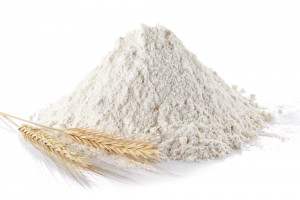
Over the decades one macronutrient or other has gotten beat up: fats, carbs, proteins. Sometimes it’s components within these food groups: eggs, red meat, potato chips, etc…
But rarely do we pay attention to anything beyond the hype. Most of the controversy over foods that have been demonized has been taken out of context. Except potato chips and fast food. They are evil.
But other things, like fats as an entire food nutrient, were completely taken out of context and as a result we lost an entire decade of good fats from our diets. Proteins were heavily promoted with the Atkin’s diet without any discussion about plant versus animal-based proteins. And carbs have always taken a beating, without any real discussion about whole grain versus refined junk.
You can’t go a day without hearing about gluten-this or gluten-free that. I’ve seen products labeled as “gluten-free” that would never have gluten in them anyway, purely for marketing. But this is for good reason because there are clear links between gluten in foods and conditions like migraines, seizures and skin conditions, just to name a few.
Do I think that the whole “gluten-free” craze has been overblown? Yes. Do I think that there is a good sized chunk of the population who should live gluten free? Yes. Do I think that the rest of us should live a gluten-minimal diet? Yes again.
Buried within the research and hype on gluten-free is the fact that we eat processed junk. There is no doubt that enriched wheat flour is very bad for our health and should be avoided. How much of the benefits of going gluten free are actually from avoiding enriched wheat flour?
Let’s face it–most of the carbohydrates we eat today are processed. Much as I’ve tried through diligently scouring the aisles, the mainstream grocery stores do NOT carry whole grain bread loaves. Sure, the label may SAY whole grain, but a quick peak at the ingredients will show you that the whole grains are located somewhere after sodium benzoate on the list. Hamburger and hot dog buns are even worse.
ANY enriched product should be avoided like the plague (which, if you actually survive Yersina pestis your immune system will be stronger for it. Not so with refined carbs…). And, in general, keeping your carb intake lowered is probably a good idea. But the addition of carbs in fruits and vegetables and whole grains is still consistent with a healthy lifestyle.
Which brings us to this particular study. In it, researchers looked at 80 overweight or obese patients with a low intake of fruit and vegetables and sedentary lifestyle (great combination, I might add…can’t imagine how they found any of this type of subject) to see how whole grain intake or refined grain intake impacted a bunch of different markers of health. Here’s what they found after 4-8 weeks of the study:
- There was a 4-fold increase in the blood levels of the polyphenol dihydroferulic acid (aka DHFA-a very potent antioxidant that has been linked to lowered rates of breast cancer).
- There was a 2-fold increase in the related compound ferulic acid (FA) showing up in the stool.
- By 8 weeks, the ferulic acids levels had doubled in the urine.
- After 8 weeks there was a reduction in the high-powered inflammatory molecule tumor necrosis factor-α (TNF-α).
- After 4 weeks there was an increase in the levels of interleukin 10 (IL-10 is a molecule that helps to balance the immune system).
- In the whole grain group, those who had higher levels of fecal FA had higher levels the bacteria families Bacteroidetes and Firmicutes (consistent with healthier outcomes) but reduced levels of the dangerous bacterial family Clostridium.
- In addition, as the TNF-α levels went down there were increased levels of Bacteroides and Lactobacillus.
Anyone who falls into the “grains are evil and cause inflammation and should therefore be banned from the diet” camp would have a hard time arguing that the changes that occurred in this study with whole grain intake were a bad thing.
But again, whole grains should be just a PART of a comprehensive dietary program that is conscientiously chosen to lower your risk of chronic disease and help you live life to the fullest. This means that you have to read the labels and can not rely on the games that the marketing department plays with you on the front of your bag of bread.
Want My Advice on Healthy Eating? This is the 1st Question I Ask
Somewhere along the lines, people trying to lose weight decided that skipping meals was a good idea. Maybe it was the idea that fewer calories were better, but the advice is ill-founded.
Whenever I have a patient who needs or wants dietary advice (unfortunately, those two categories do not always go hand in hand) there is one question I ask that gives me the most information about where this patient is at on the healthy living continuum.
“What is a typical breakfast for you?”
It’s only on a rare occasion that I get an answer that is ideal. It usually ranges from nothing to oatmeal to an Egg McMuffin. Breakfast is something that many people think they are doing right, but most likely is a decision based on poor information from their doctor or excellent marketing. Some less-than-ideal examples include:
- Skipping breakfast altogether will increase your risk of developing diabetes.
- Skipping breakfast will lead to higher calories being eaten at the next meal, again leading towards diabetes.
- High glycemic foods like bagels for breakfast throw off digestive and satiety signals and send you towards diabetes.
- Higher glycemic meals trigger addiction like reactions in the brain.
Here’s the rub–most oatmeal and certainly most junk breakfast cereals like Cheerios would fall under the category of “high glycemic” index foods. Unless you’re eating the real heavy-duty steel cut oatmeal that takes forever to cook, you should be avoiding oatmeal. Or, your breakfast cereal needs to have 8 grams of naturally occurring fiber or more. Fiber One, for example, adds corn bran to get the fiber content up. That’s cheating and doesn’t count. (Even worse–ALL the Fiber One products have artificial sweeteners in them, so they’re off the list anyway).
The other option is a protein based breakfast. Eggs, chicken, hummus, peanut butter (my particular favorite, on whole grain bread and a banana sliced on top) are good options. There have been times when, due to time constraints, I have recommended that a patient just eat a small handful of nuts for breakfast. It is not unusual for these patients to actually lose weight in the first month from actually adding food.
All of this brings us to this particular study. Researchers looked at the eating habits of 26,900 health professionals over the course of some 16 years. Here’s what they found:
- Men who skipped breakfast had a 27% higher risk of heart disease.
- Men who ate late at night had a 55% higher risk.
- Mostly, this association was due to BMI, hypertension, hypercholesterolemia, and diabetes mellitus.
- No association was observed between eating frequency (times per day) and risk.
As I sit here writing this blog post at 11 PM eating a bowl of air-popped popcorn sprayed with basil olive oil and sprinkled with garlic spices drinking unsweetened Teavana tea, #2 has me a wee bit concerned. However, I’m pretty sure that the average late night snack is probably not quite the same as mine, so that makes me feel a little better.
Clearly eating patterns had a strong role. The proverbial midnight snack was almost literally a killer. Overall, though, knowing existing relationships between skipping breakfast and diabetes risk, the results of this study should be nothing more than a reminder of why you are already eating breakfast.
And, if you don’t eat breakfast, just make sure your life insurance premiums are paid up.