• Skip to main content
  • Skip to primary sidebar
  • Skip to footer

LifeCare Chiropractic

The Best Chiropractic Care in Mesa, Arizona

  • Home
  • About
    • Why Lifecare?
    • About Dr. Bogash
    • Team Members
  • Common Conditions
    • Wrist Pain/Carpal tunnel syndrome
    • Elbow Pain/Epicondylitis
    • Headaches
    • Knee Pain and Knee Injuries
    • Low Back Pain
    • Shoulder Pain and Rotator Cuff Problems
  • Additional Services
  • Testimonials
  • Blog
  • E-Books
  • Contact

proton pump inhibitors

Proton-Pump Inhibitors and Heart Disease

March 7, 2018 by James Bogash

3RD LEADING CLASS OF MEDICATION LINKED TO HEART DISEASE?

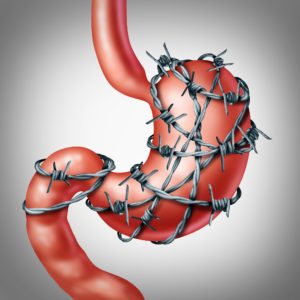
Given my understanding of human physiology, I consider the act of digestion and assimilation of nutrients to be one of the most important things that our bodies do.  Off the top of my head, I can list at least 10 things that stomach acid is absolutely essential for.  In other words–it’s REALLY important.  Then consider the fact that age and stress begins to drastically lower our stomach’s production of acid.  With this fact in mind, one would begin to ask how a class of drug that further lowers an already too little production of acid could hold the #3 spot in drug use.  A very good question and one that I can’t really answer because it doesn’t make sense if one understands how digestion works.  The proton pump inhibitors (names like Prilosec, Nexium, Aciphex, Protonix) shut down digestion.  Because of this, they have been linked to osteoporosis, liver problems, weakening of the lining of the gut, C. difficile infections and now (as if the list already wasn’t bad enough), heart disease.   Given how incredibly rare making TOO much stomach acid is, one should ask what is the purpose of this med being used in patients.  The only viable use is if someone has a bleeding ulcer, in which case this class of drugs will save a life.  Ironically, most people given PPIs are actually making too LITTLE stomach acid and supporting digestion (apple cider vinegar, digestive enzymes, stress mang’t) goes a long way towards eliminating symptoms.

see more
Read article here

Filed Under: Digestive Complaints, Heart Disease Tagged With: proton pump inhibitors

Drugs for Ulcers; Extreme Dangers of Long-Term Use

April 23, 2016 by James Bogash

Ulcer drugs and your micrrobiome
Adobe Stock / freshidea

If you’ve got a bleeding ulcer, drugs that block acid like Nexium, Prilosec and Aciphex can save your life.  Even if that ulcer is caused by your daily anti-inflammatory.

However, for the remaining 99% of the time that acid-blocking drugs are used, they can wreak havoc.

You see, the body digests….and it does everything else.  When it comes to digestion, stomach acid is the lynchpin.  The key.  The big daddy.

Stop the production of stomach acid, and you open up the Mother of all Pandora’s boxes.  Stomach acid does not just participate in digestion, it STARTS it.  Among many other things.  Here is just a small sample of what stomach acid does in the human body:

  1. The most obvious function is the digestion of proteins.
  2. Most other digestive enzymes are produced in an inactive form (otherwise the enzymes would digest the very glands they are made in). Stomach acid activates these enzymes so they can work.
  3. The pH of the stomach has to be low enough to tell the pancreas to release bicarbonate. Stomach acid ensures this happens.  Without it, the pH of the contents released from the stomach (chyme) stay acidic and can damage the entire length of the intestinal tract.
  4. Stomach acid turns on certain anti-cancer compounds in foods (like indole-3-carbinol in cruciferous veggies).
  5. Stomach acid is needed to absorb certain compounds like iron and B12.

There’s one other little ditty that stomach acid does.  There are very few microorganisms that can survive a pH of 2 or 3.  In other words, stomach acid sterilizes most things that try to make it through the stomach.

That means that if you do not have enough stomach acid because you are, say…taking Nexium…, bacteria will begin to grow in regions of the intestine that are not supposed to have bacteria growing in them.  The technical term for this is small intestine bacterial overgrowth (or SIBO, for short).

And if you want to pick something that can totally screw up your health, SIBO is a good first choice.  Having bacteria growing where it is not supposed to be begins to damage the lining of the small intestine, allowing things to get into your body that are not supposed to.  This can create massive amounts of inflammation everywhere, even in the brain.

Just in case you think I’m making this up, researchers in this particular study looked at the gut flora of the lower intestinal tract (microbiome) of 1827 healthy twins to see if proton pump inhibitor (PPI) use had any negative effects.

Here’s what they found in those PPI users:

  • There was a lower number of normal gut bacteria (commensals).
  • There was a lower microbial diversity (the “mark of death” when it comes to a healthy gut).
  • There were a higher number bacterial from the oral cavity (again indicating that these bacterial are not getting killed off in the stomach), with a special mention of the Streptococcaceae family.

The list I gave earlier is really bad enough when it comes to destroying your health.  But when you add in a disruption to the microbiome, the sky’s the limit to how much damage long-term use is to your health.

And just what is “long-term?”  If you read the safety labels, then anything over 3 months is completely out of context of what these drugs are designed for.  That does not mean that I haven’t seen patients on these for DECADES.  THAT is a disaster waiting to happen.

But what about all those patients out there that make too much stomach acid and need these drugs?

I will go out on a limb and state that almost NO ONE who has reflux or gastritis makes too much stomach acid.  Quite frankly, short of a gastrin-producing tumor, it just doesn’t happen.  As a matter of fact, with stress and with aging, stomach acid production goes down.  It gets to the point where some 40% of women over 50 are not producing any stomach acid AT ALL (achlorhydria).

I’m not saying that stomach acid getting where it’s not supposed to be is a good thing, because it’s not.  What I am saying is that stomach acid is not the problem.  Usually, the problem is just the opposite.  I can’t tell you how many times I’ve given digestive support to patients with gastritis or reflux and their symptoms went away.

Kind of ironic that this approach to totally opposed to the mainstream medical approach and yet seems to work very well.

All without destroying your microbiome and your long term health.  What a bargain.

Filed Under: Digestive Complaints, Probiotic Tagged With: heartburn, microbiome, Nexium, PPI, Prilosec, probiotics, proton pump inhibitors, ulers

Primary Sidebar

Patient Quick Guide

Schedule An Appointment
Contact Our Office
Download Patient Forms

Categories

Chiropractic Mesa Arizona

Arthritis Chiropractor Mesa AZ
Graston Technique Mesa AZ
Back Pain Chiropractor Mesa AZ
Back Pain Doctor Mesa AZ
Wrist Pain Chiropractor Mesa AZ
Rotator Cuff Chiropractor Mesa AZ
Shoulder Pain Chiropractor Mesa AZ
Knee Pain chiropractor Mesa AZ
Manipulation Under Anesthesia In Mesa AZ
Headache Chiropractor Mesa AZ
Chiropractic Mesa AZ
Stem Cell Therapy Mesa AZ
Regenerative Medicine Mesa AZ
Massage Therapist Mesa AZ
Shoulder Pain Doctor Mesa AZ
PRP Therapy Mesa AZ
Chiropractic Mesa AZ
Who Is The Top Chiropractor In Mesa AZ?
Knee Injury Doctor Mesa AZ?

Footer

Resources

Site Map
Disclosure
Additional Resources

Best Massage Therapist Mesa AZ
Arthritis Doctor Mesa AZ
Chiropractic Mesa AZ
Back Pain Doctor Mesa AZ
Rotator Cuff Doctor Mesa AZ
Chiropractor Mesa AZ
Massage Therapist Mesa AZ
PRP Therapy Mesa AZ
Knee Pain Doctor Mesa AZ
Stem Cell Therapy Mesa AZ
Headache Doctor Mesa AZ
Shoulder Pain Doctor Mesa AZ

Office

Lifecare Chiropractic
1830 S. Alma School Rd, Ste 135
Mesa, AZ 85210
(480)-839-2273
Also Serving Tempe, AZ

Get Directions

  • Home
  • About
  • Common Conditions
  • Additional Services
  • Testimonials
  • Blog
  • E-Books
  • Contact

Copyright © 2026 · LifeCare Chiropractic · All Rights Reserved.