• Skip to main content
  • Skip to primary sidebar
  • Skip to footer

LifeCare Chiropractic

The Best Chiropractic Care in Mesa, Arizona

  • Home
  • About
    • Why Lifecare?
    • About Dr. Bogash
    • Team Members
  • Common Conditions
    • Wrist Pain/Carpal tunnel syndrome
    • Elbow Pain/Epicondylitis
    • Headaches
    • Knee Pain and Knee Injuries
    • Low Back Pain
    • Shoulder Pain and Rotator Cuff Problems
  • Additional Services
  • Testimonials
  • Blog
  • E-Books
  • Contact

glutamine

Gut Bacteria Insights: Simple Amino Acid Changes Your Microbiome

June 7, 2015 by James Bogash

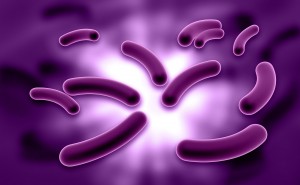
microbiome and glutamine
abhijith3747 / Dollar Photo Club

Regular readers of this blog will know that I consider the gut bacteria as one of the most important factors to do with health.

Probiotics showed up in the medical literature some 107 years ago (1908 to be exact).  To date, few physicians have any idea just how important the relationship is with the bacteria in the gut.  And until the discussion moves from antibiotics causing antibiotic resistance to destruction of bacterial gut flora the story will not change.

To put this in a visual perspective, imagine your doctor busy fidgeting with a leaky faucet while, in the background, he or she is completely unaware of the tsunami wave from Sri Lanka rising up not 100 yards to the doctor’s back.

It’s that bad.

Consider this.  As someone who has read on the range of 120 medical journals per month for the past 15+ years, I realize that the amount of information that has emerged in the past 5 years on the microbiome is massive.  Daunting.

And the more I learn, the less I realize that I understand.  Great.

As a result, I’m always looking for studies that can enhance my understanding of, not just the relationship between the bacteria in our gut and chronic disease, but how can lifestyle choices, exercise and supplements all modify the makeup of the bacteria favorably.  With that in mind, here’s the overview of what we already know.

  1. The bacteria in your gut (now termed the “microbiome”) is related to everything. Yes, EVERYTHING.
  2. Diversity seems to be incredibly important. You need a wide variation in the bacterial types in your gut.  Hundreds and hundreds if not a thousand different types.
  3. Antibiotics WIPE OUT bacterial diversity in the gut. After a single course of antibiotics your gut has not recovered TWO years later.  In most of use, your gut may never recover.
  4. There have been four major “families” of bacteria that have been identified. The most studied of these are Firmicutes and Bacteroides.  Actinobacteria and Proteobacteria are on the list as well.  Hunter-gatherer societies have almost no Firmicutes in their gut.  On this same vein, lower levels of Bacteroides is generally linked to better body composition.

With this as background, this particular study gives us some additional clues as to how we can modify our microbiome in a beneficial way.  In it, researchers looked at a small group of 33 overweight and obese adults (aged between 23 and 59 years of age) with a BMI between 25.03 and 47.12 kg/m2).

These participants were given one of two amino acids, either 30 g of l-alanine or 30 g of l-glutamine, daily for two weeks to see what happened to the bacterial composition in the gut.

Here’s what they found:

  • In the glutamine group the ratio of Firmicutes to Bacteroidetes decreased from 0.85 to 0.57 (for the non-math wizzes, Firmicutes decreased and Bacteroidetes increased). This is consistent with an anti-obesity gut bacterial makeup.
  • In the l-alanine group, this ratio increased from 0.91 to 1.12.
  • To get specific, the bacterial types Dialister, Dorea, Pseudobutyrivibrio, and Veillonella (belonging to the Firmicutes phylum), dropped in number.

To put this into plain English, merely taking a scoop of an amino acid per day mimicked the bacterial changes associated with weight loss programs already seen in the literature.  I’m not quite willing to jump up and down and suggest that you can forgo the lifestyle changes and just add a scoop of glutamine and everything will be fine.

But, does it make sense to add glutamine into your daily regimen?  Absolutely (you can check out what Amazon has to offer here).

Interestingly, my thought process on glutamine has always been focused on healing the lining of the gut.  But maybe, just maybe, glutamine’s real benefit is on switching the bacterial composition in the gut.  Food for thought…


Filed Under: Obesity and Weight Loss, Probiotic Tagged With: glutamine, microbiome, probiotics

Low Microparticle Diet Shows Promise in Crohn’s Disease – (03-22-01)

September 15, 2013 by James Bogash

Low Microparticle Diet Shows Promise in Crohn’s Disease

This study took patients with Crohn’s disease off of all inorganic molecules, with titanium dioxide being one of the chemicals (titanium dioxide is a commonly used food additive). So, basically, these patients were put on a whole-food, low processed diet. This is ALWAYS a recommendation for just about any health condition; and in Crohn’s disease other nutrients like glutamine and probiotics would be added into the mix.

Eur J Gastroenterol Hepatol 2001;13:101-106 A diet low in microparticulate contaminants may promote remission in patients with Crohn’s disease. Dr. Jonathan J. Powell and colleagues, from St. Thomas’ Hospital in London, note that they have recently identified inorganic microparticles within intestinal phagocytes, and that microparticles may induce inflammation in susceptible individuals. To examine the effect of reducing microparticle intake, the investigators randomized 20 patients with active Crohn’s disease to receive a low microparticle diet or a control diet for 4 months. In keeping with current thoughts about Crohn’s disease, fibrous fruit and vegetables were avoided in both groups. The intervention diet excluded foods that could contain microparticles of titanium dioxide and aluminosilicates. Fresh fruit and vegetables were peeled and washed to minimize soil contamination. Filtered water was used for all activities where ingestion might occur and toothpastes and pharmaceuticals that might contain titanium dioxide were avoided. Except for a diminished calcium requirement, the diet met UK standards for energy and nutrient intake. Over the 4-month period, the Crohn’s disease activity index decreased significantly in the trial group and seven patients achieved disease remission, Dr. Powell and colleagues report. This beneficial result did not occur in the control group and none of these patients achieved disease remission. The trial group also showed a trend toward a greater reduction in corticosteroid intake compared with the control group. “This is the first study of the tolerability and efficacy of a diet that is low in inorganic microparticles,” the investigators point out. The beneficial results achieved with this diet may “explain the efficacy of elemental/polymeric diets, although, compared to [the low microparticle] diet, they are more expensive, less palatable and patients would probably be less compliant,” the researchers emphasize.

Filed Under: Probiotic Tagged With: Crohn's disease, glutamine, Microparticle Diet, probiotics

Should Immunonutrition Become Routine in Critically Ill Patients? – (08-23-01)

September 1, 2013 by James Bogash

Should Immunonutrition Become Routine in Critically Ill Patients?

This study shows definite benefit in the reduction of infectious complications in critically ill patients. This shouldn’t really be a question, however. The efficacy and safety of adding nutrients like arginine and glutamine is already well established (this article is a review of many studies). One of these days it will dawn on the powers that be that nutrition is an incredibly powerful tool to be used in human health and disease.

Read entire article here

Filed Under: Diet Choices for Your Best Health Tagged With: Arginine, glutamine, Immunonutrition

THIS AMINO ACID AS POWERFUL AS NEW DIABETIC DRUGS?

July 11, 2011 by James Bogash

Ok..if you don’t remember what GLP-1 and DPP-4 refers to, refer back to some earlier posts.  In general, the hormone GLP-1 has some very potent actions on helping our bodies deal with the sugars that we eat and keeping us away from diabetes.

All of the new diabetes drug research is along these two lines–mimicking our own GLP-1 or inhibiting our enzyme that breaks down our own GLP-1 (this enzyme is called DPP-4).  The push of money in this direction is amazing.  For the rest of us, however, we don’t need to take fancy new (i.e. untested) drugs to get our bodies to work better.

We already know that merely chewing our food longer will provide a strong GLP-1 response by our bodies.  No more or less calories.  No need to change our diets (providing that it doesn’t need changing).  Just chew more.

This article provides us information on additional tools that can help our bodies function properly and avoid diabetes.  The amino acid glutamine is considered a conditionally essential amino acid, meaning that our bodies can manufacturer it on its own, but under certain conditions of increased need our body cannot make as much as it needs.  Glutamine is found in many animal proteins, seafoods, spinach, parsley, beets and cabbage, among others.

I have generally thought of supplemental glutamine for healing the gut, for which it has a good track record.  This particular study finds that glutamine also has the ability to increase our GLP-1 levels in addition to helping with some other anti-diabetic properties. 

While I don’t typically use glutamine in prediabetics and diabetics, it will be interesting to keep supplementation with this amino acid in the toolbox.

http://jn.nutrition.org/content/141/7/1233.abstract

Filed Under: Diabetes (Type 2), Prediabetes Tagged With: diabetes, DPP-4, GLP-1, glutamine, prediabetes

September 25, 2000 Research Update

July 11, 2011 by James Bogash


I cannot take credit for this summary. It is an excellent review of the relationship between the gastrointestinal tract and chronic disease.

James Bogash, D.C. Mesa, AZ
info@lifecarechiropractic.com
www.lifecarechiropractic.com

From Nutri-West Marcia White
8-22-00

Dear Doctor, We are becoming more concerned about all of the E-Coli problems we read about in the news. We just heard of a small child in Colorado who is not expected to live because the E-coli was not diagnosed soon enough. This time of year is especially bad, picnics, etc., where food is not handled properly.

A couple of years ago, I read an article that said cinnamon can kill E-coli. Since that time I have made sure that we always have a shaker of cinnamon on the table and use it on fruit, oatmeal, cereals and toast. I also use it when making hamburgers and meat loaf. You can use a few shakes without tasting it in the food

You might want to pass this on to patients, especially those with small children-and tell them wash hands, wash hands, wash hands.

Marcia

NUTRI-NOTES

By Dr. Lynn Toohey

“The immunological mechanisms of rheumatoid arthritis probably begin when antigens cross an excessively permeable intestinal mucosa” Carli P et al. Presse Med 1995;24:606-610.

Inside this issue: Leaky Gut is a major environmental factor in autoimmune disease.

If you combine genetic susceptibility with the right dietary antigens (and possibly viruses which interact in the process), and then you throw in a leaky gut as another factor, the increased intestinal permeability can allow for the translocation of these antigens into the circulation where they can activate autoimmune diseases! Read about how all of this happens, and how to address it inside this issue of Nutri-Notes. Leaky gut connection to RA

The following abstract comes from an article recently accepted for publication in the British Journal of nutrition by the editor of the Nutri-Notes (Lynn Toohey). At the time this newsletter went to press, the article was scheduled for publication around February or March of 2000. The article will be available for a limited time on the following web site: http://nutrition.cabweb.org/BJN/bjnhome.asp

The citation for the article is currently:

Cordain, L. Toohey, L, Smith MJ and Hickey MS. Modulation of Immune Function by Dietary Lectins in Rheumatoid Arthritis. British Journal of nutrition 2000;83:000-000.

ABSTRACT:

Despite the almost universal clinical observation that inflammation of the gut is frequently associated with inflammation of the joints and vice versa, the nature of this relationship remains elusive. In the present review, we provide evidence for how the interaction of dietary lectins with enterocytes and lymphocytes may facilitate the translocation of both dietary and gut-derived pathogenic antigens to peripheral tissues, which in turn causes persistent peripheral antigenic stimulation. In genetically susceptible individuals, this antigenic stimulation may ultimately result in the expression of overt rheumatoid arthritis (RA) via molecular mimicry, a process whereby foreign peptides, similar in structure to endogenous peptides, may cause antibodies or T-lymphocytes to cross-react with both foreign and endogenous peptides and thereby break immunological tolerance. By eliminating dietary elements, particularly lectins, which adversely influence both enterocyte and lymphocyte structure and function, it is proposed that the peripheral antigenic stimulus (both pathogenic and dietary) will be reduced and thereby result in a dimunition of disease symptoms in certain patients with RA.

A note from the editor: This review article presents support for the hypothesis that explains the complex role of genetics, pathogenic organisms, food components, and intestinal permeability (leaky gut) in the development of RA. These factors can all interact and play a role in autoimmune disease. See inside the newsletter for more detail.

Modulation of Immune Function by Dietary Lectins in Rheumatoid Arthritis… by Lynn Toohey, editor of Nutri-Notes This review article (abstract on page 1) reflects the extensive work of a research team at Colorado State University, Fort Collins, CO. I was honored to be a part of this publication, which delves into trying to pinpoint immune activation in rheumatoid arthritis. research in molecular mimicry is in its infancy, however it is gaining credence as a viable theory, as evidenced by the recent appearance in the New England Journal of Medicine of an article entitled, “Mechanisms of Disease: Molecular Mimicry and Autoimmunity” (Albert LJ & Inman RD, 2000;341(27):2068-2074). The New England Journal article ponders how foreign antigens such as viruses can activate immune responses (in genetically susceptible people) against human tissue by exhibiting similarities with human protein (see page 3 for a more detailed description of the molecular mimicry process). In our article, however, we ponder how actual dietary constituents found in common foods can trigger the molecular mimicry process and result in the attack on self-tissue. Genetics of course will play a major role in how an individual manages an immune response, and will determine to some extent how an individual is going to respond to simple common foods. But if you combine the genetic susceptibility with the right dietary antigens (and possibly viruses which interact in the process), and then you throw in a leaky gut, the increased intestinal permeability can allow for the translocation of these antigens into the circulation where they can activate autoimmune diseases.

Molecular Mimicry and Autoimmunity – the mechanism

The recent review article from the New England Journal of Medicine (NEJM) entitled, “Mechanisms of Disease: Molecular Mimicry and Autoimmunity” (Albert LJ & Inman RD, 2000;341(27):2068-2074), explains the concept of 2-way molecular mimicry. That is, substances from outside the body, like bacteria, viruses, can share similar protein sequences with human tissue. When these substances activate the immune system (in genetically susceptible people), antibodies are formed to attack the foreign substances, or antigens. The problem is that the antibodies also recognize the protein sequences in the self or human tissue that are similar to the foreign protein in the bacteria or virus. This is called cross reactivity. As an example of molecular mimicry and cross reactivity, the NEJM cites the case of MS. “In the case of MS, it has been hypothesized that the disease is initiated by an infection early in life by a virus that shares antigenic structures with the host’s central nervous system tissue. The host’s antiviral immune response cross-reacts with central nervous system self-antigens, such as myelin basic protein (MBP), leading to demyelination. Subsequent viral infections are thought to cause exacerbations of the disease by reactivating the immune response against viral antigens and autoantigens.” As a further example of this, the May-June 1997 Nutri-Notes newsletter contained a front page story on “Molecular Mimicry and the MS connection”. It explained how they have discovered that the ubiquitous Epstein Barr virus (EBV), associated with so many diseases, contained a protein sequence that was amazingly similar to one of the protein sequences in MBP. The myelin protein is in the myelin sheath surrounding nerves, and is one of the areas that comes under attack when there is an autoimmune reaction. researchers found that antibodies made to attack MBP in the blood of MS patients cross reacted with EBV. This means that the antibodies, which are supposed to be specific for one thing, were specific for not only a foreign antigen (EBV), but for human tissue (MBP) as well.

Molecular Mimicry, Rheumatoid Arthritis, food antigens, and the role of the leaky gut:

There is ample evidence that the same kind of molecular mimicry suspected in MS could be at play in RA, with the major difference being the self tissue that gets attacked. Whereas in MS it is myelin basic protein, in RA it is suspected to be collagen tissue. Not only can certain undigested food particles cause a problem by mimicking human self-proteins, such as collagen, but the lectins found in some foods, such as lectins, can increase intestinal permeability and allow these mimicking proteins into systemic circulation. Mimicking proteins include bovine serum albumin (BSA) from cow’s milk, which contains a protein sequence similar to human collagen, and glycine-rich protein (found in grains and legumes), which contains a protein sequence similar to cytokeratins (connective tissue). People with hereditary predispositions for autoimmune disease are the ones who are particularly susceptible to food interactions with the immune system. Particular lectins to watch are wheat germ agglutinin (WGA) from wheat and phytohaemagglutinin (PHA) from kidney beans. Other lectin-containing foods include lentils, peas, jack beans, and peanuts. Lectin activity has been demonstrated in rye, barley, oats, and maize (Liener, The Lectins. Orlando, Fla. Academic Press. 1986:527-552) and even rice (Tsuda, M Purification and characterization of a lectin from rice bran. J Biochem. 1979;86:1451-1461). Although soybeans contain some lectins, the good powdered soy formulas have been hydrolyzed and contain the healthful isoflavones but not the soy lectins. For this reason, soy powder can make an excellent base for health drinks for the autoimmune person. Take-home message concerning RA and molecular mimicry: An individual must have the genetic predisposition for autoimmune disease coupled with exposure to antigenic material, whether it be bacteria, virus, or food. However, one of the most important factors is the leaky gut, because it is the intestinal permeability which allows antigens into systemic circulation. Building a strong gut immune barrier can protect against autoimmune attack, and this is why it is one of the first steps to consider in a protocol.

Why the gut barrier is so important:

Implicit in the message to heal the leaky gut is the fact that a healthy intestinal barrier does NOT allow this process of antigen translocation to occur. Excerpts from the arthritis article highlight this. For instance… “From a functional perspective, in healthy subjects the contents of the gut lumen lie outside the body and contain a toxic or antigenic load from which the body needs to be protected”. We sometimes forget that the gut does more than digest our food. It is an immune barrier that protects us from foreign attack.

Protection is supplied by a number of mechanisms including: 1. The intestinal mucosa (physical barrier) 2. Intestinal secretions (such as secretory IgA antibodies) 3. Intramural lymphocytes (white blood cells)

Take home message: The gut is an immune barrier, and when it fails to do its job, autoimmune reactions can develop. It is clearly important to build and strengthen that immune barrier. The important immune barrier of the gut deserves a total formula of nutrition:

Nutri-West presents: TOTAL LEAKY GUT (product #2703) Formulated for and researched by Dr. John Brimhall Each tablet contains: vitamin C (sago). 25 mg, vitamin E Succinate 10 i.u., Zinc (as chelate) 500 mcg, L-Glutamine 150 mg, N-Acetyl Glucosamine 75 mg, Lipoic Acid 2 mg, Lactobacillus Acidophilus 1 million units, Lactobacillus Bifidus 1 million units, Cats Claw (bark) 15 mg, Ginkgo Biloba Extract (bark) 2 mg, Ginkgo Biloba (herb) 50 mg, Deglycyrrhizinated Licorice (root) 50 mg, Jerusalem Artichoke (bark) 25 mg, Slippery Elm (bark) 100 mg. Suggested Usage; 1 tablet 3 x day or as directed

Healing the Leaky Gut:

One of the take home messages of this newsletter has been that if the leaky gut is healed to become a barrier to potential antigens and human tissue-mimicking amino acid sequences, it can become a strong asset in the fight against autoimmune disease.

The intestinal lining can provide a barrier to autoimmune triggers, or it can become “leaky” and promote autoimmune disease. The microvilli are the individual cells which make up the lining. Mimicking food particles, dietary lectins, and viral and bacterial antigens can all be triggers for autoimmune disease that “leak” through a lining which is no longer strong, and invade the system.

Glutamine is the main fuel that the intestinal cells need for maintenance and repair. Glutamine reinforces the immune system, and there is considerable evidence that glutamine can enhance the barrier function of the gut against viral, bacterial, and food antigen invaders (Hall JC et al. Br J Surg 1996 Mar;83(3):305-312).

NAG (N-acetyl glucosamine), aside from being able to heal the extracellular tissue surrounding intestinal cells, has the unique ability to decrease the binding of some lectins to the intestinal lining, which can cause inflammation (Int J Parasitol. 1991 Dec; 21(8):941-4). NAG is one of the few nutrients with the ability to bind to the powerful wheat germ agglutinin (WGA) lectin. NAG also increases the quantity and quality of mucus (J Helminthol. 1993;67(3):179-88). It is well known as an arthritis nutrient, and is even listed as an antiarthritic in the Merck index (Merck Index, 11th ed. 1989 Merck and Co. Inc. Rahway, NJ p. 4353).

vitamins C and E, lipoic acid, zinc and ginkgo biloba are all antioxidants which protect the lining from free radical damage. Additionally, vitamin C and lipoic acid bind heavy metals which can cause disease when deposited in the tissues instead of being detoxified in the liver. vitamin E maintains the integrity of all lipid cell membranes. Ginkgo biloba also increases circulation in the smaller vessels and capillaries, which increases nutrient delivery and tissue healing. The New England Journal of Medicine notes that zinc is involved in clearance of infection, increased levels of brush-border enzymes, regeneration of epithelial tissue, and improved absorption of water and electrolytes (NEJMedicine. Sept. 28, 1995. 333(13):839-844).

DGL (deglycyrrhizinated licorice) increases the integrity of the mucosal cells – it increases the life span of the intestinal cells, improves the quality of protective substances, and improves blood supply of nutrients (Glick L. Lancet ii:817, 1982).

Cat’s claw is an interesting herb from Peru that has been researched lately for its, “remarkable ability to cleanse the entire intestinal tract and help those suffering from different stomach and bowel disorders”, including leaky gut and intestinal flora imbalance (Dr. Brent Davis, DC Wellness Advocate Feb 1995;5(1):1-4).

The role of enzymes, detox and probiotics

Enzymes: As we have seen, undigested food particles which cross a leaky gut can become antigens that can stimulate the immune system. Healing a leaky gut is part of the answer but another key is addressing the incomplete digestion of the food particles in question. Amino acids are not antigenic; it is only longer protein sequences which are antigenic, and they can only activate the immune system when they have not been properly broken down. This happens sometimes due to a lack of hydrochloric acid and pancreatic enzymes. This is described in the arthritis article… “Clearly implicit in this model is the ability of intraepithelial pathogens and intact proteins to escape enzymatic digestion and to cross the gastrointestinal barrier and enter peripheral circulation”.

Ideally, food should be broken down to assure that macromolecules do not enter the system. Plant enzymes work in a wide pH range, increasing their effectiveness along the GI tract.

Nutri-West Presents: TOTAL ENZYMES (product #2404) Plant based enzymes Formulated for and Rese arched by Dr.

John Brimhall Each 360 mg capsule contains: Amylase 4,500 DU, Protease 15,000 HUT, Lipase 65 LU, Invertase 0.25 IAU, Malt Diastase 150 DP°, Lactase 200 LacU, Cellulase 60 CU, in base of pure Beet Root fiber. Suggested Usage: 1 capsule with meals

Detox: Removing toxic assaults on the system can improve the immune system’s ability to handle antigenic material. Additionally, all foreign antigens must be cleared from the body, and detoxing helps facilitate this process. The liver removes antibody-antigen complexes that have been formed from immune activation. This is also described in the arthritis article… “The primary intestinal barrier is supported by the liver, through which all enterically (from the intestines) derived substances must pass before entering the peripheral circulation”.

Nutri-West Presents: TOTAL SYSTEMIC D-TOX (Product #2705) Each tablet contains: vitamin A (palmitate) 333 i.u., vitamin B-1 3.33 mg, vitamin B-2 3.33 mg, Niacin 4.17 mg, vitamin B-12 8.33 mcg, vitamin C (sago palm) 125 mg, vitamin E (succinate) 33.33 i.u., D-Calcium Pantothenate (Pantothenic Acid) 7.66 mg, Folic Acid 50mcg , Biotin 33.33 mcg, Calcium (as aspartate, gluconate) 3.6 mg, Magnesium (as glycinate, citrate, aspartate) 10.6 mg, Selenium (as methionine) 20 mcg, Chromium (as chelate) 8.3 mcg, Manganese (as aspartate)83.33 mcg, Zinc (as chelate) 666mcg, Molybdenum (Citrate) 8.33 mcg, also contains: Beta Carotene 1250 units, Pyridoxal-5-Phosphate 3.33 mg, Choline Bitartrate 8.16 mg, Inositol 8.33mg, N-Acetyl Cysteine 5mg, L-Glutathione 3.33 mg, Propolis 8.33 mg, Co Enzyme Q-10 1.06 mg, Quercetin 4.17 mg, L-Glutamine 33.33 mg, Glucaronic Acid 830 mcg, L-Taurine 8.33 mg, L-Glycine 8.33 mg, L-Ornithine 3.33 mg, L-Methionine 8.33 mg, L-Glutamic Acid 3.33 mg, L-Arginine 3.33 mg, L-Lysine 3.33 mg, L-Tyrosine 3.33 mg, Milk Thistle (leaf, seed) 8.33 mg, Silymarin (leaf) 830 mcg, Beet (root) 8.33 mg, Turmeric Powder (herb) (Curcumin) 830 mcg, Yellow Dock (root) 4.17 mg, Chlorophyll 1.67 mg, Asparagus (shoots) 2.5 mg, Broccoli (tops, stem) 2.5 mg, Dandelion (root) 4.17 mg, Mullein (leaf) 4.17 mg, Siberian Ginseng (root) 5 mg. Suggested Usage: 1 capsule 3 x day or as directed

Probiotics: “Patients with RA have also been shown to maintain a high frequency of small-intestinal bacterial overgrowth” (Henriksson et al. Annals of the Rheumatic Diseases 1993;52:503-510, as noted in the arthritis article, page 2). It is pointed out in the arthritis article that there are three circumstances that can cause a translocation of bacteria from the intestines to sites such as the lymph nodes, liver, spleen, kidney and blood – these include 1. disruption of the intestinal equilibrium (bacterial overgrowth), 2. deficiencies in host defenses, and 3. increased permeability of the intestinal barrier. Probiotics guard against all three of these situations that promote transference of arthritis-causing bacteria from the intestines to other parts of the body. Additionally, friendly bacteria especially counteract candida, which can spread long mycelial arms right through the intestinal lining and perforate it, permitting wide-open entry to microorganisms and toxins.

All but one of the remaining children experienced only minor reactions, including fever, local reactions, and/or lethargy, during the 7 days following immunization.


Filed Under: Arthritis Tagged With: deglycyrrhizinated licorice, DGL, glutamine, N-acetyl glucosamine, rheumatoid arthritis

Primary Sidebar

Patient Quick Guide

Schedule An Appointment
Contact Our Office
Download Patient Forms

Categories

Chiropractic Mesa Arizona

Arthritis Chiropractor Mesa AZ
Graston Technique Mesa AZ
Back Pain Chiropractor Mesa AZ
Back Pain Doctor Mesa AZ
Wrist Pain Chiropractor Mesa AZ
Rotator Cuff Chiropractor Mesa AZ
Shoulder Pain Chiropractor Mesa AZ
Knee Pain chiropractor Mesa AZ
Manipulation Under Anesthesia In Mesa AZ
Headache Chiropractor Mesa AZ
Chiropractic Mesa AZ
Stem Cell Therapy Mesa AZ
Regenerative Medicine Mesa AZ
Massage Therapist Mesa AZ
Shoulder Pain Doctor Mesa AZ
PRP Therapy Mesa AZ
Chiropractic Mesa AZ
Who Is The Top Chiropractor In Mesa AZ?
Knee Injury Doctor Mesa AZ?

Footer

Resources

Site Map
Disclosure
Additional Resources

Best Massage Therapist Mesa AZ
Arthritis Doctor Mesa AZ
Chiropractic Mesa AZ
Back Pain Doctor Mesa AZ
Rotator Cuff Doctor Mesa AZ
Chiropractor Mesa AZ
Massage Therapist Mesa AZ
PRP Therapy Mesa AZ
Knee Pain Doctor Mesa AZ
Stem Cell Therapy Mesa AZ
Headache Doctor Mesa AZ
Shoulder Pain Doctor Mesa AZ

Office

Lifecare Chiropractic
1830 S. Alma School Rd, Ste 135
Mesa, AZ 85210
(480)-839-2273
Also Serving Tempe, AZ

Get Directions

  • Home
  • About
  • Common Conditions
  • Additional Services
  • Testimonials
  • Blog
  • E-Books
  • Contact

Copyright © 2026 · LifeCare Chiropractic · All Rights Reserved.