• Skip to main content
  • Skip to primary sidebar
  • Skip to footer

LifeCare Chiropractic

The Best Chiropractic Care in Mesa, Arizona

  • Home
  • About
    • Why Lifecare?
    • About Dr. Bogash
    • Team Members
  • Common Conditions
    • Wrist Pain/Carpal tunnel syndrome
    • Elbow Pain/Epicondylitis
    • Headaches
    • Knee Pain and Knee Injuries
    • Low Back Pain
    • Shoulder Pain and Rotator Cuff Problems
  • Additional Services
  • Testimonials
  • Blog
  • E-Books
  • Contact

Fish Oil Supplements

Fish Oil Supplements: Buyer Beware of Dangerous Brands

June 14, 2015 by James Bogash

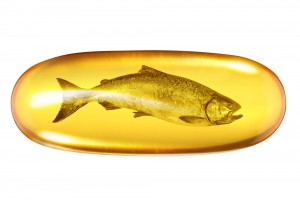
fish oil contamination
831days / Dollar Photo Club

Earlier this year, the New York Attorney General charged Target, GNC, Walmart and Walgreens with removing certain supplements from the shelves.

Specifically, these stores were given cease and desist letters to stop selling ginko biloba, St. John’s Wort, ginseng, garlic, echinacea and saw palmetto.

Why?  Because quality testing demonstrated that these supplements either did not contain the labeled ingredient or contained ingredients not listed on the bottle.

GNC’s corporate response?  They stated that they stand by the quality of their products.  Huh?  I’ve got a feeling that they’ve lost some corporate integrity over this entire episode by showing how disconnected they are from what was happening.

While this action by the New York Attorney General was related to a short list of supplements, it is likely that this quality control issue cuts across many other supplements that you can buy at non-physician outlets.  This problem is probably greater at retail outlets that do not focus on supplements, although the inclusion of GNC into the cease and desist order certainly questions GNC’s overall quality control process.

Each supplement has its concerns.  When it comes to fish oil supplements, the contamination with polychlorinated biphenyls (PCBs) and organochlorine pesticides (OCs) is of concern.  The higher quality supplement companies will go through expensive and time consuming molecular distillation procedures to make sure that their fish oil supplements will be free from these contaminants.

But really—if these higher quality supplements cost more (sometimes twice as much), is it really a big deal if there’s a few extra “treats” in the fish oils?

That very question is addressed in this particular study.  In this rat study, researchers looked at the effect of contamination of fish oils with PCBs and OCs on cholesterol levels, inflammation (as measured by hsCRP) and oxidative stress.  The rats where given either “clean” fish oil, contaminated fish oil or corn oil (as a control).  Here’s what they found:

  • After 9 short weeks, there was an accumulation of PCBs and OCs in the fat tissue of the group given the contaminated fish oils.
  • On the plus side, as expected, both fish oil groups had higher HDL cholesterol with lower triglycerides, LDL cholesterol and C-reactive protein.
  • Unfortunately, in the contaminated fish oil group there were higher levels of damage to cholesterol (as measured by lipid peroxidation).
  • The contaminated fish oil group also had less antioxidant capacity.

So, while the contaminated fish oils were doing their expected job of helping lower cardiovascular disease risk factors, in the background problems were brewing.  This damage to fats (lipid peroxidation) and loss of antioxidant reserves is not a good thing and can actually do far more damage to your body in the long run.

As a physician who sells physician-level supplements in my office, this article may seem a little self-serving, but this study should certainly give you some food for thought when it comes to buying your fish oil supplements with a focus on cost rather than quality.  Always make sure that you are buying supplements that have the quality control aspects either on the bottle or readily available on the manufacturer’s website.

If your health really does matter, it pays to make sure you get good quality for your money and not just finding the cheapest fish oil you can find.  Just in case you don’t have access to a physician who sells higher quality fish oil supplements, Nordic Naturals is a brand that can be found at many health food stores or online at Amazon.

Filed Under: Fish Oils Tagged With: fish oil contamination, Fish Oil Supplements, supplement quality

Should You Take Fish Oils? Only if You ALSO Do This

September 17, 2013 by James Bogash

The concept of omega-3 fatty acids and the benefits for cardiovascular disease originated in the 1970’s with Dyerberg and Bang’s study on the Inuit Eskimos.

Since then, the research on the relationship of omega-3 fatty acids (most popularized by fish oil supplements) has exploded.  Protective effects on cancer rates, seizures, diabetes and heart disease have been demonstrated.  However, lately, research has not been quite as favorable and the most recent study found not effect of fish oil supplements on heart diseae (fish in the diet, however, was still protective).

The are several situations where the benefits of fish oil may not be fully realized.  Here are my thoughts:

  1. Highest on the list is likely that the dosage that many people are taking is generally not high enough (I’ve covered dosage in a previous blog article that can be read by clicking here) and this can definitely affect the benefit.
  2. First, much like anything else, supplements are not designed to work in a vacuum.  In other words, a crappy, processed lifestyle loaded with omega-6 fats will not be counterbalanced by any amount of fish oil supplementation.
  3. The processing of fats in our bodies is complex and requires balance between omega 3, 6 and 9 fatty acids.  Mother Nature provides the best balance.  Make sure your fish oil supplement contains the omega 6 GLA (black currant, borage oil or evening primrose).  If not, you may generate inflammation rather than protect against it.
  4. Fish oils can become oxidized in our bodies if we are burdened by oxidative stress from a poor quality lifestyle.  A diet loaded with protective phytonutrients from a large array of fruits, veggies and spices will help protect the fats that you take in, whether from a supplement or fish.

With that being said, this particular article just adds additional insight to #2 above.  Researchers looked at the relationship between the levels of EPA + DHA (the fish oils) and physical activity and the ability of the fish oils to lower multiple cardiovascular risk factors.

Not surprisingly, only those who were regularly active got a benefit from higher levels of omega 3 fatty acids in his or her blood.

Hate to use this as a push to be more active, but I’m going to.  Overall, the bottom line is that you HAVE to lower your risk of heart disease and stroke through a comprehensive program.  Singly taking fish oils or singly exercising is not going to give you the bang for your buck that a combination is going to.  And this is yet another reason why mainstream medicines’ approach to heart disease prevention (i.e. “a single pill will fix it all”) is such a failure.


Filed Under: Cholesterol, Fish Oils, Heart Disease Tagged With: DHA, EPA, Fish Oil, fish oil supplementation, Fish Oil Supplements, protect from heart disease

Fish or Fish Oil Supplements? 4 Things to Know

June 8, 2013 by James Bogash

At the risk of sounding like a broken record, I’ll say it again: NOTHING is as powerful as lifestyle changes for lowering your risk of chronic disease.

That being said (again…), I do believe that supplementation plays a role in health, but it can never replace a poor quality lifestyle.  Which brings us to this fish story in this particular study.  Researchers looked at a small group of overweight and obese participants and looked to see how much fish intake and fish oil supplements could affect the levels of high molecular weight (HMW) adiponectin (a hormone that has anti-diabetic properties).  Here are the details:

  • The supplements contained 1.8 g of EFAs and the diet was matched to contain the same amount in fish.
  •  Adiponectin increased by 0.29μg/mL in the fish group.
  • Adiponectin decreased by 0.60μg/mL in the fish oil ‘supplement.

Basically, there was a distinct difference in the supplement versus the dietary group.  The fish eating group moved away from diabetes (at least as far as adiponectin levels were concerned) while the supplement group moved towards diabetes.

Confusing, huh?

Here are my thoughts:

  1. First, much like anything else, supplements are not designed to work in a vacuum.  In other words, a crappy, processed lifestyle loaded with omega-6 fats will not be counterbalanced by any amount of fish oil supplementation.
  2. The processing of fats in our bodies is complex and requires balance between omega 3, 6 and 9 fatty acids.  Mother Nature provides the best balance.  Make sure your fish oil supplement contains the omega 6 GLA (black currant, borage oil or evening primrose).  If not, you may generate inflammation rather than protect against it.
  3. Fish oils can become oxidized in our bodies if we are burdened by oxidative stress from a poor quality lifestyle.  A diet loaded with protective phytonutrients from a large array of fruits, veggies and spices will help protect the fats that you take in, whether from a supplement or fish.
  4. Fish does not just contain “fish oil.”  For example, the pink color of salmon comes from the protective carotenoids they eat (the carotenoid most of us are aware of is beta-carotene, that gives carrots their orange color).  These additional protective compounds will help you avoid situation “3” above.

So, before you run to the cabinet and toss the fish oil supplements, don’t throw out the baby with the bathwater.  Consider all of the factors noted above and make sure that you are taking your fish oils in the proper context.  That means a good quality fish oil with a blend of omega 3, 6 and 9 as well as an overall good quality lifestyle loaded with protective compounds from your diet.  Feel free to download a free copy of my Lifestyle Recommendations ebook by clicking here.

Filed Under: Fish Oils Tagged With: dietary supplements, Fish Eating, Fish Oil, Fish Oil Supplements, Omega-3 Fatty Acid, Quality Fish Oil

Primary Sidebar

Patient Quick Guide

Schedule An Appointment
Contact Our Office
Download Patient Forms

Categories

Chiropractic Mesa Arizona

Arthritis Chiropractor Mesa AZ
Graston Technique Mesa AZ
Back Pain Chiropractor Mesa AZ
Back Pain Doctor Mesa AZ
Wrist Pain Chiropractor Mesa AZ
Rotator Cuff Chiropractor Mesa AZ
Shoulder Pain Chiropractor Mesa AZ
Knee Pain chiropractor Mesa AZ
Manipulation Under Anesthesia In Mesa AZ
Headache Chiropractor Mesa AZ
Chiropractic Mesa AZ
Stem Cell Therapy Mesa AZ
Regenerative Medicine Mesa AZ
Massage Therapist Mesa AZ
Shoulder Pain Doctor Mesa AZ
PRP Therapy Mesa AZ
Chiropractic Mesa AZ
Who Is The Top Chiropractor In Mesa AZ?
Knee Injury Doctor Mesa AZ?

Footer

Resources

Site Map
Disclosure
Additional Resources

Best Massage Therapist Mesa AZ
Arthritis Doctor Mesa AZ
Chiropractic Mesa AZ
Back Pain Doctor Mesa AZ
Rotator Cuff Doctor Mesa AZ
Chiropractor Mesa AZ
Massage Therapist Mesa AZ
PRP Therapy Mesa AZ
Knee Pain Doctor Mesa AZ
Stem Cell Therapy Mesa AZ
Headache Doctor Mesa AZ
Shoulder Pain Doctor Mesa AZ

Office

Lifecare Chiropractic
1830 S. Alma School Rd, Ste 135
Mesa, AZ 85210
(480)-839-2273
Also Serving Tempe, AZ

Get Directions

  • Home
  • About
  • Common Conditions
  • Additional Services
  • Testimonials
  • Blog
  • E-Books
  • Contact

Copyright © 2026 · LifeCare Chiropractic · All Rights Reserved.