• Skip to main content
  • Skip to primary sidebar
  • Skip to footer

LifeCare Chiropractic

The Best Chiropractic Care in Mesa, Arizona

  • Home
  • About
    • Why Lifecare?
    • About Dr. Bogash
    • Team Members
  • Common Conditions
    • Wrist Pain/Carpal tunnel syndrome
    • Elbow Pain/Epicondylitis
    • Headaches
    • Knee Pain and Knee Injuries
    • Low Back Pain
    • Shoulder Pain and Rotator Cuff Problems
  • Additional Services
  • Testimonials
  • Blog
  • E-Books
  • Contact

epilepsy

Epilepsy – Not Just a Brain Disorder

January 7, 2015 by James Bogash

epilepsy facts
waldemarus Dollar Photo Club

I have gone as far as writing a book on Migraines and Epilepsy to show that epilepsy needs to be treated from a full-body approach.

A treatment approach that just focuses on controlling the seizures is missing the real problem. Don’t get me wrong—controlling the seizures is the first goal. But it should never be the only goal.

A brain-health approach needs to evaluate the condition from all aspects, including dietary choices, exercise, stress management, environmental toxin exposures and supplementation. Medications are NOT a part of long-term brain health.

To really drive this point home, this particular study looked at what kind of medical services were used by 8388 epilepsy patients (based on claims from 8 different insurance plan claims). Of the data obtained, this is what I found the most interesting:

  • The top three procedures performed were an EKG, a CT scan and a chest X-ray.
  • The top five prescription drug classes anticonvulsants, analgesic-opioids, antidepressants, penicillins and dermatologicals.
  • 58% of the patients had one or more of 29 prespecified comorbidities and health care costs increased markedly as the number of these increased.

There is a whole lot of information to be digested in this study. For starters, it’s probably highly, highly likely that epileptic patients are getting over radiated with CT scans. This is not a big surprise considering that ER docs in general have an itchy trigger finger when it comes to ordering CT scans. When a patient comes into the ER having seizures (and this is most likely from an episode of status-epilepticus) ER docs seem to ignore the guidelines on proper CT use and order one anyway.

This would be just fine if CT scans were not responsible for some 29,000 cancers per death per year because of the high levels of radiation involved. MRIs, while not a quick (and therefore profitable), would be a much better option.

As for the drugs used by epileptic patients, I think we can all agree that anticonvulsants are no big surprise. But what about the analgesic-opioids?? Personally, I found this a little bit surprising, especially to be the second most common class of drugs. The opioid class of drugs has been under the microscope for the past few years because of the number of deaths that occur annually from the use of this class of drugs. And we’re not talking about “misuse” here, but rather prescribed and used as directed deaths.

There is no doubt that it is an overused and dangerous class of drugs. To then use this class of drugs in epileptic patients, who already have concerns over SUDEP (sudden unexpected death in epilepsy) just doesn’t seem to make any sense to me.

The presence of antidepressants on this list is no surprise, given that depression and epilepsy have some very strong links and that many anti-seizure drugs are now being used to trip depression (Depakote and Topamax just to name a few). Both have similarities in that there is a problem with the brain cells communicating normally–making sure the right messages get passed and stopping the ones that are not supposed to move on. Many natural approaches like exercise and fish oils benefit both conditions.

The next on the list, the penicillins, was a disappointing shocker and really raises some interesting questions. The ketogenic diet is a very powerful tool used to treat even the most refractory of seizures, but despite the research about how effective it is, the mechanism by which this diet controls seizures is not quite known. One of the theories that makes sense is that the diet alters the bacterial flora of the gut.

If this is true, then the bacteria flora of your gut plays a massive role in controlling seizures. And, you are incredibly well aware of the fact that antibiotics absolutely decimate the bacterial flora in the gut, taking years and years to recover, if ever.

Because of this, the fact that penicillin is the third most common drug prescribed to epileptics is particularly worrisome because we just really have no idea what kind of negative effect any antibiotic is going to have on the delicate make up of the bacterial flora of the gut.

The final class, dermatologicals, is also an interesting one. Given the close relationship between the gut and the skin (there are many conditions known to affect both of these types of tissues) it may indicate that the gut is completely out of whack in epileptic patients.

The last two drugs both point to the GI tract as being out of balance in epileptic patients. For this reason, a natural approach to controlling seizures would have to address the gut as well as the brain. Sadly, the gut is rarely on the list of organ systems that need to be addressed when it comes to your neurologist’s management of your seizures.

 

Filed Under: Migraine, Seizures / Epilepsy Tagged With: epilepsy, natural cures for seizures, seizures / epilepsy

Natural Remedies for Seizure Control: You Haven’t Heard This

October 18, 2014 by James Bogash

natural remedies for seizures
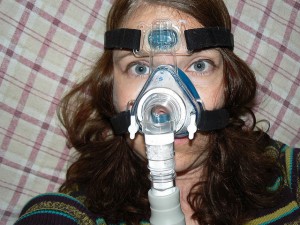
Photo courtesy of CPAP, sleep apnea, seizures, natural remedies for seizures, epilepsy

I’ve been reviewing research related to seizure control and brain health for many years now through the lens of natural medicine.

I still remember being in a consult with an epileptic patient with a very well-known neurologist to discuss natural methods to help control seizures.  Despite this particular neurologist’s association with one of the top healing physicians in the world, his did not feel that there was really much to be done for seizure control beyond medications.

I guess he could never really look beyond the deficiencies and brainwashing of his traditional medical, drug-oriented training to evaluate the power of natural approaches to seizures.

That was really sad for this particular patient.  And every other epileptic patient saddled to a neurologist (or epileptologist, for that matter) who believe antiepileptic drugs are the only answer.  They will spend their lives chasing one drug after another to find one that helps your seizures and has acceptable side effects.

But, if you’ve been lucky enough to partner up with someone who actually reads medical literature, you will find that there is a long list of approaches that have been documented in the medical literature that can help you better manage or even eliminate your seizures.

It is all about healing your brain.  If you experience seizures (or migraines or both) your brain is not functioning the way it is supposed to.  Messages are getting into cells that are not supposed to be.  Other messages that are supposed to be delivered to the cell don’t make it.  Your very brain cells are starved for energy so they can work the way it was intended.

Natural approaches to seizures take this into account.  I’ve covered many of them over the years, from vitamin D to exercise to fish oils.  Some are simple.  Others require an upheaval of your lifestyle.

But I have never covered the approach outlined in this particular study.

I guess, had I thought about it, sleep apea would have a strong association with seizures.  It’s a stress on the body and brain.  It’s linked to prediabetes (prediabetes leads to sleep apnea and sleep apnea worsens prediabetes) and prediabetes is really bad for the brain.  It starves brain cells of the oxygen it so desperately needs.  And, it occurs at night when the seizure threshold is lower.

Researchers looked at a group of 132 adults with epilepsy to evaluate them for sleep apnea to see whether the use of a CPAP had an effect on the number of seizures over the course of a year.  Here’s what they found:

  • Seventy-six (57.6%) of the group had obstructive sleep apnea (this is pretty darn high).
  • 73.9% of those in the PAP-treated group had more than a 50% seizure reduction in seizures (versus only 14.3% in the untreated sleep apnea patients—HUGE difference).
  • Overall, the PAP-treated group experienced a 58.5% reduction in seizures (versus 17.0% in the untreated sleep apnea group—again a HUGE difference).
  • 83.7% of those who had PAP-treated sleep apnea had a ≥ 50% seizure reduction or became seizure-free (versus 53.6% in those who did not have sleep apnea and 39.4% in those who had sleep apnea but did not use a PAP).
  • To put this in perspective, in those PAP-using sleep apnea adults, they were 9.9 times more likely to have a good outcome than those with untreated sleep apnea and 3.91 times those who did not have sleep apnea.
  • When measured in terms of seizure reduction, the group with PAP-treated sleep apnea were 32.3 times more likely to experience a ≥ 50% seizure reduction compared with the group with untreated sleep apnea and 6.13 times compared with the group with no sleep apnea.

These are some pretty serious numbers.  To flip everything around, it can be said that sleep apnea is very, very bad for the brain when left untreated.  If any of these fits you (whether or not you have seizures), it’s time you got checked out:

  • Chronic loud snoring
  • Witnessed apneic episodes or breathing pauses during sleep
  • Excessive daytime sleepiness
  • BMI > or equal to 28
  • Small jaw / small airway
  • Large neck size (at least 17” male, 15.5 female)
  • Family history of sleep apnea

In addition, your risk for sleep apnea is increased if you have high blood pressure, Type 2 diabetes or untreated hypothyroidism.

If any of the above fits you AND you are epileptic, given how much of a difference it made in this study, you need to get checked out for sleep apnea and get treatment (i.e. CPAP) if you have sleep apnea.

Filed Under: Seizures / Epilepsy, Sleep Apnea Tagged With: CPAP, epilepsy, natural remedies for seizures, seizures / epilepsy, sleep apnea

Natural Remedies for Seizures in Women

August 6, 2014 by James Bogash

I was at a marketing event this week and ended up having a conversation about a teenage girl who had epilepsy.  Natural remedies for seizures came up in conversation.

The seizures had begun about a year ago right around the time that her menstrual cycles started, and her seizures were tied to her menstrual cycles (the term for this type of seizure is “catamenial”).  The answer from the “specialists” was to put her on anti-seizure meds as well as the birth control pill.  Sounds great on the surface, but when you look a little deeper, you’ll see that this is not the best approach.

Progesterone is a hormone produced by both the adrenal glands and (in women), the ovum released by the ovary.  While it has a long list of actions in the human body, one of the most important features of progesterone on the brain deals with allopregnanolone.  Allopregnanolone is a hormone that your body produces from progesterone that has a very potent ability to calm the brain.  Specifically, it works on the GABA receptors.  Phenobarbital and the benzodiazepienes (like Valium, Ativan and Xanax act) on GABA receptors, so you probably have an idea of what GABA does.

Having healthy levels of progesterone is therefore important for brain health, especially where seizures are involved.  Even more important is to avoid rapid changes in progesterone levels.  For this reason, managing menstrual cycles of women with epilepsy is critical.

Managing menstrual cycles does NOT include using the birth control pill.  The birth control pill does not fix anything.  Even worse, the synthetic progesterone (called progestin) does NOT convert to allopregnanolone, so the brain loses out on the opportunity to make this protective compound.  Because of this, using the birth control pill to help manage seizures in an adolescent is a bad idea and does nothing to fix the actual problem.

Menstrual irregularities in women frequently stem from imbalances between estrogen and progesterone.  Prediabetes and environmental estrogen exposures (BPA, phthalates, flame retardants, etc…) are two of the biggest factors that throw off menstrual cycles and lead to a reduction in the amount of progesterone  released from the ovum (inadequate luteal production of progesterone, or ILP).

Seizures that are related to the menstrual cycles (catamenial) need to be addressed from the standpoint of progesterone and menstrual irregularities.  One of the tools that can be used for catamenial epilepsy is progesterone, given either orally or as a suppository.

It makes sense.  It’s inexpensive, has an excellent safety profile compared to seizure drugs and it makes sense because it just supports the brain’s natural anti-seizure tools.  But progesterone is a tool that is rarely used by neurologists for catamenial epilepsy.

The use of progesterone for seizures took a hit a few years back when Dr. Andrew Herzog, the most prominent researcher in the field of progesterone for seizures, had the results of a progesterone trial on temporal lobe epilepsy published.  This trial did not find a benefit to the use of progesterone on temporal lobe epilepsy.

This was enough to support the neurologists’ opinions that progesterone use was worthless.  But, it turns out the story wasn’t complete.

If you consider that progesterone for seizures is going to be the most effective for women who have catamenial epilepsy, the use of progesterone for all women might not make sense.  Enter this particular study.  In it, Dr. Herzog teased apart the data between women with catamenial epilepsy and those who did not.

Specifically, the study looked at the use of cyclic natural progesterone therapy for intractable seizures (non-responsive to medication) in 294 women.  Turns out that the women who had more seizures around their menstrual cycle (3-fold or greater increase in average daily seizure frequency) had a much better response to the progesterone compared with women who had more seizures during other periods of their cycles (midfollicular and midluteal phases).

The bottom line is, used in an appropriate patient, progesterone can be a very powerful tool to help control seizures naturally.  The problem is that few doctors will use even recognize the catamenial aspect of seizures (or migraines, for that matter), let alone understand that progesterone can be used in these scenarios.

Filed Under: Seizures / Epilepsy Tagged With: allopregnanolone, epilepsy, natural remedies for seizures, progesterone, seizures / epilepsy

Seizures and Epilepsy: Risk May Start in Infancy With This

April 18, 2014 by James Bogash

Infant formula and seizures
Photo courtesy of https://www.flickr.com/photos/heather_joy/

Ever since it has been commercially available, formula manufacturers have made an attempt to equate formula with breast milk.

Let me clarify that I understand that not every new mom will be able to nurse. However, many times the problem is not an unfixable problem. Rather, the new mom needs to be matched with a non-hospital based lactation consultant (maybe I’m biased, but they just don’t seem as motivated) to make sure that every avenue is explored. Formula needs to be the LAST option, not the first.

That being said, the question arises as to which type of formula if nursing is really not an option. Personally, I think that both soy and dairy based formulas are a problem. It is too much of the same proteins getting thrown at a developing immune system again and again and again, day after day. For this reason, I recommend a hydrolyzed formula like Nutramigen or Alimentum. These formulas are “pre-digested” and have less proteins for an infant’s delicate immune system to react to.

To further complicate the issue, this particular study looks at a pretty surprising link between soy based formulas and seizures. Admittedly, this relationship came as quite a big surprise and had been forwarded to me by a colleague who knows that I have an interest in seizures. In the study, researchers looked at the influence that infant formula had on seizures in a population of autistic children. Here’s what they found:

• In autistic children fed soy-based formula, there was a 2.6-fold higher rate of febrile seizures (4.2% versus 1.6%).
• There was a 2.1-fold higher rate of epilepsy comorbidity (3.6% versus 1.7%).
• There was a 4.8-fold higher rate of simple partial seizures (1.2% versus 0.3%).
• There was no relationship with IQ, age of seizure onset, infantile spasms and atonic, generalized tonic clonic, absence and complex partial seizures.

The authors seem to blame the phytoestrogens in soy for the lowering of seizure threshold in this study. However, there is extremely scant evidence for any type of relationship between phytoestrogens and seizures in the medical literature (2 studies to be exact, both on rats and done by the same author). Besides that, I just don’t know that I’ve come across a mechanism by which phytoestrogens could contribute to seizures.

However, from this study, there is a strong suggestion that soy-based formulas played a role in the risk of certain types of seizures. I just disagree that it is caused by the phytoestrogens. Rather, minerals like manganese (known to be higher in formula) could play a role as well as the development of a food allergy to soy from too much exposure to the same protein over and over.

Either way, it would seem that this is yet another reason for parents to do everything they possibly can to support the use of exclusive breastfeeding for at least 3 months, preferably 6-12 months.

Filed Under: Seizures / Epilepsy Tagged With: breastfeeding, epilepsy, febrile seizure, Formula feeding, seizures / epilepsy

Melatonin Shines Again for the Most Dangerous Seizures

February 5, 2014 by James Bogash

Seizures are very, very bad for the brain. Status epilepticus is the term for uncontrolled, unstoppable seizures.

Very often, these patients end up in the emergency room pumped full of sedatives just to stop the seizures. The damage to the brain under status epilepticus is even worse than that which occurs with single seizures.

Not to belittle the ongoing damage to is occurring in the brain of epileptics during the interictal (in between seizures) period. Few epileptics are educated on this little tidbit. Most fear the dreaded SUDEP (sudden unexpected death in epilepsy), although the likelihood of any epileptic passing from SUDEP is very small.

The bottom line is that anything that can be done to protect the epileptic brain is a very good thing, whether having seizures or not. This is not to be confused with controlling seizures, since none of the anti-epileptic drugs actually work at protecting and improving brain health.
Which brings us to this particular study. While it is a mouse study, this is not the first time that research has demonstrated that melatonin can help to protect the brain.

In the study, researchers looked to see if melatonin could protect the brain during status epilepticus, arguably the worst-case scenario in an epileptic. Here’s what they found:

  • Melatonin use was able to reduce seizure activity
  • Melatonin reduced the brain cell damage in certain areas of the brain (CA1 area of the hippocampus and piriform cortex).
  • Melatonin decreased the hippocampal serotonin (5-HT) levels.

For something as simple as melatonin, these are some pretty important effects. As a brief primer, the pineal gland deep in the brain releases melatonin once sunlight stops hitting the eyes. Melatonin and serotonin are on the same metabolic pathway derived from the amino acid tryptophan. When sunlight is present, the pathway stops at serotonin. Once darkness arrives (and we are not exposed to blue light) the pathway continues to melatonin.

Interestingly, depression is closely associated with epilepsy. It would not be unreasonable to assume that the tryptophan to serotonin to melatonin pathway is somehow affected, making the supplementation of melatonin a very reasonable recommendation in any epileptic.

In our office, we start with .5 mg, a very small dose. Most patients mistakenly start themselves at much higher dosages.

Filed Under: Seizures / Epilepsy Tagged With: epilepsy, melatonin, seizures / epilepsy, status epilepticus

Natural Remedies for Seizures Includes this Part of the Body

January 20, 2014 by James Bogash

Medications and more medications.  Maybe an electrical device implanted in your neck.  In the end, surgery.  This pretty much describes the medical treatment of epilepsy and migraines.

And, as a whole, this treatment paradigm sucks.  It does nothing to protect the brain, which should be the number one goal.  I should consider clarifying this by noting that it should be the number one goal after the seizures are under control, but only 30% or so of epileptic patients are able to achieve control of his or her seizures quickly with the first medication used.

There was a lengthy discussion recent on a Facebook epilepsy group page about SUDEP, or sudden unexplained death in epilepsy.  This particular discussion generated one of the largest numbers of comments that I have seen on the epilepsy topic.  It was largely driven by fear of SUDEP, the fear that it can strike any epileptic without warning and the fear that there is nothing that can be done to protect against it (not true, BTW, which was addressed in a prior article that can be read by clicking here).

And yet the risk of SUDEP is very low (about 1 in 1,000).  What epileptics do not seem to understand, or are not educated on by his or her treating physician, is that the underlying process leading to the seizures is slowly destroying the brain.  In every epileptic.  As in 1 in every 1.

THAT is where the fear would be justified.  If seizure patients had more concern over this slow, progressive brain damage, maybe there would be a much stronger push for ideas and changes to protect the brain.  Which would be a good thing because there are a lot of things that you can (and should) do to protect your brain.

There are so many things that can be done that I wrote a book on the topic called Migraines and Epilepsy: How to find relief, live well and protect your brain (which can be found on Amazon by clicking here).

This particular article addresses another aspect of this puzzle that I had not considered before, although it does make sense.  It has been well established that inflammation and oxidative stress play a role in both the onset and the severity of seizures.  There are a few areas of the body well-known to contribute to chronic inflammation because these areas are pockets of localized infection that continually stimulate the immune system and inflammation.

The mouth, when not properly cared for with good oral hygiene, is just such a place.  A cesspool of partying bacteria thumbing their collective noses at the immune system, while the immune systems fights in vain to control this type of chronic infection.  This is the kind of scenario that sets the stage for chronic inflammation and, since we have already established that chronic inflammation has been linked to seizures, it makes sense that periodontal health should be linked to seizures.

Of course, this is the kind of information that will likely never get shared with seizure patients and society will continue to think that if seizure management is strictly limited to medications.  Here ar e the details of the study:

  • When compared to a group without seizures, seizure patients were more likely to have bad oral hygiene, gingivitis and periodontitis
  • Seizure frequency was worse with bad oral hygiene, gingivitis and periodontal disease.

I wouldn’t go so far as to say that brushing, flossing and tongue scraping can stop seizures, but clearly, based on this study, oral health is a must for all patients wanting better control of his or her seizures.

Filed Under: Seizures / Epilepsy Tagged With: chronic migraine headaches, epilepsy, oral health, Periodontal Disease, seizures / epilepsy

Natural Remedies for Seizures: Antioxidant Protection

November 9, 2013 by James Bogash

In my book, Migraines and Epilepsy, I review the evidence that shows that oxidative stress plays a huge role in seizures.  Because of this, antioxidants are a requirement in natural remedies for seizures.

This approach, however, is largely ignored by most of mainstream medicine.  Even at its surface, the extremely high level of brain cell activity during a seizure is going to cause lots and lots of oxidative damage.

For those of you not familiar with the term oxidative damage, this is a process that occurs when your body’s ability to protect itself from damaging compounds is exhausted.  These damaging compounds can come from outside of your body (environmental chemicals, poor quality diets, heavy metals, etc…) or can come from within your body (compounds naturally occurring when your brain cells produce needed energy).

Even before a seizure, there is a problem with the ability to produce energy in the brain.  This is part of the problem setting up the situation for epilepsy in the first place.  Once a seizure is triggered, there is a massive amount of activity in the brain.  All of this requires even more energy on top of a brain that is already WAY overtaxed.

The result is brain damage at the cellular level called oxidative stress.  Even after the seizure, the oxidative stress remains and can only be combated by targeted lifestyle changes and supplementation (which are outlined in my Migraines and Epilepsy book).

Just in case you have never heard this information from your neurologist or epileptologist and so I must be misinformed, I present this particular study.

In this study, researchers looked at the potential to use a simple saliva test in children with epilepsy.  Specifically, they compared the oxidative stress markers lactate dehydrogenase (LDH-an enzyme that converts lactate to pyruvate to make energy for our cells), MMP-9 (an enzyme that is believed to help protect the brain in times of stress) as well as 3 other markers of oxidative stress (peroxidase activity, superoxide dismutase activity and carbonyls) in normal children, children with controlled epilepsy and children with intractable epilepsy.  Here’s what they found:

  1. LDH concentrations were 38% lower in epileptic children and a whopping 76% lower in those with intractable epilepsy.
  2. Peroxidase activity was 6% higher in epileptic children and 10% higher in intractable seizures.
  3. SOD activity was 37% higher in children with seizures and 29% higher in the uncontrollable seizures.
  4. Carbonyls level were 59% higher in the epileptic group and 56% higher in intractable seizures.
  5. MMP 9 concentrations dropped by 12% in epileptic kids and 23% in intractable epilepsy.

So what does this technical jargon mean?

It means that, in epilepsy in general, and even more so as the seizures become harder and harder to control, these children are being bombarded at the cellular levels by damaging compounds.  The long-term risk of damage to their sensitive brains is great.

With more and more studies like these, it is becoming increasingly difficult for seizure specialists to ignore the background damage that is occurring in the brains of epilepsy patients.  With what we know, it is a requirement to have a discussion about reducing oxidative stress through eliminating toxic lifestyle habits as well as increasing the brain’s ability to protect itself through positive dietary choices and targeted supplementation.

Just merely attempting to control the seizures with medication is not enough.  Period.


Filed Under: Seizures / Epilepsy Tagged With: Antioxidants, epilepsy, intractable epilepsy, intractable seizures, natural remedies for seizures, oxidative stress, seizures / epilepsy

Natural Remedies for Seizures: Stress Issues

November 3, 2013 by James Bogash

Stress kills us.  Luckily, it’s not a quick death, but rather a slow, agonizing death over the course of years.  But what does it do to your brain in the meantime?

It is clear that stress will fire off an epileptic seizure faster than just about anything else.  But is stress so damaging to the brain that it could actually cause epilepsy?  I’ve written in a previous blog post that those who were more physically active were less likely to develop epilepsy, so the idea that we can control our risk of developing epilepsy with the lifestyle choice we make is not unheard of.

Early life stress exposures to stress contributing to epilepsy is exactly the question that researchers asked in this particular study.  If we can protect our brain on the front end, the likelihood of even haven’t that first seizure if much reduced.  Once a first seizure is experienced, there is a possibility that a pathway through the brain cells gets created, making future seizures more likely.  This process is called epileptogenesis.

Back to the article.  In it, the author reviews the research that suggests that stress, when prolonged and severe, can cause epilepsy.  In addition, there are suggestions that early life stress can have the same effect on the development of epilepsy.

While this isn’t a clinical study with data to share, it should open up your mind to just how damaging stress is to your brain.  It destroys it.  Enough so that serious neurological disorders like chronic migraine headaches,  epilepsy, Alzheimer’s dementia and Parkinson’s disease have stress as a major contributor.

This means that if you have one of these conditions or have a parent with one of these conditions stress avoidance or at least management is even more important.  If your are a parent of a young child, this message is absolutely critical. You MUST manage stress in your life and teach your child the joys of life and shelter them from a stressful household.

Exercise, meditation, biofeedback, yoga, deep prayer, hypnosis or any other tool that feels right to you.  Today.

Filed Under: Seizures / Epilepsy Tagged With: epilepsy, natural remedies for seizures, seizures / epilepsy, stress, stress damage to the brain

  • « Go to Previous Page
  • Page 1
  • Page 2
  • Page 3
  • Page 4
  • Interim pages omitted …
  • Page 6
  • Go to Next Page »

Primary Sidebar

Patient Quick Guide

Schedule An Appointment
Contact Our Office
Download Patient Forms

Categories

Chiropractic Mesa Arizona

Arthritis Chiropractor Mesa AZ
Graston Technique Mesa AZ
Back Pain Chiropractor Mesa AZ
Back Pain Doctor Mesa AZ
Wrist Pain Chiropractor Mesa AZ
Rotator Cuff Chiropractor Mesa AZ
Shoulder Pain Chiropractor Mesa AZ
Knee Pain chiropractor Mesa AZ
Manipulation Under Anesthesia In Mesa AZ
Headache Chiropractor Mesa AZ
Chiropractic Mesa AZ
Stem Cell Therapy Mesa AZ
Regenerative Medicine Mesa AZ
Massage Therapist Mesa AZ
Shoulder Pain Doctor Mesa AZ
PRP Therapy Mesa AZ
Chiropractic Mesa AZ
Who Is The Top Chiropractor In Mesa AZ?
Knee Injury Doctor Mesa AZ?

Footer

Resources

Site Map
Disclosure
Additional Resources

Best Massage Therapist Mesa AZ
Arthritis Doctor Mesa AZ
Chiropractic Mesa AZ
Back Pain Doctor Mesa AZ
Rotator Cuff Doctor Mesa AZ
Chiropractor Mesa AZ
Massage Therapist Mesa AZ
PRP Therapy Mesa AZ
Knee Pain Doctor Mesa AZ
Stem Cell Therapy Mesa AZ
Headache Doctor Mesa AZ
Shoulder Pain Doctor Mesa AZ

Office

Lifecare Chiropractic
1830 S. Alma School Rd, Ste 135
Mesa, AZ 85210
(480)-839-2273
Also Serving Tempe, AZ

Get Directions

  • Home
  • About
  • Common Conditions
  • Additional Services
  • Testimonials
  • Blog
  • E-Books
  • Contact

Copyright © 2026 · LifeCare Chiropractic · All Rights Reserved.