• Skip to main content
  • Skip to primary sidebar
  • Skip to footer

LifeCare Chiropractic

The Best Chiropractic Care in Mesa, Arizona

  • Home
  • About
    • Why Lifecare?
    • About Dr. Bogash
    • Team Members
  • Common Conditions
    • Wrist Pain/Carpal tunnel syndrome
    • Elbow Pain/Epicondylitis
    • Headaches
    • Knee Pain and Knee Injuries
    • Low Back Pain
    • Shoulder Pain and Rotator Cuff Problems
  • Additional Services
  • Testimonials
  • Blog
  • E-Books
  • Contact

Colon / Colorectal Cancer

The Dangers of Antibiotics: Surprising Risk for Colon Cancer

January 21, 2015 by James Bogash


Although I’ve said it before, let me make it unquestionably clear; the use of antibiotics in conditions that are not immediately life-threatening are destroying your health far more then you can possibly imagine.
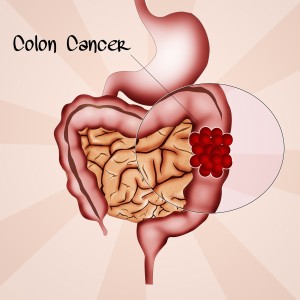
probiotics and colon cancer
adrenalinapura/Dollar Photo Club

The list of chronic diseases associated with altered bacterial flora in the gut is extensive.  So extensive that they may play a role (some small and some extreme) in almost every chronic disease.  Even cancer.

Despite this, for some strange reason, mainstream medicine remains disconnected from this fact and limits the concern to antibiotic resistance.  While this is something to worry about if you happen to be one of the few that gets a septic infection that doesn’t respond to traditional antibiotics, the concerns of the millions who suffer from obesity, diabetes, GI complaints, heart disease and cancer should not get pushed to the side.

Society does seem aware of the problem and the use of probiotics following antibiotics has been on the increase.  But in no way, shape or form does supplementing with probiotics after antibiotics protect you from these severe dangers.

I know this may not be what you have been led to believe, but it’s true in most cases.  Here’s the important fact…

It is not a single bacteria in the gut that will save you and balance out your physiology and immune system.  Rather, it is the diversity of the bacteria in the gut that is the most important factor.  There are hundreds and hundreds of different bacterial species that inhabit the gut.  While we don’t have all the complete details ironed out (and likely never will), we know that there are patterns of these bacteria that promote health or promote disease.  Consider them like teams, playing for you or against you.

Antibiotics DECIMATE this all-important bacterial diversity and it takes YEARS to recover.  YEARS.

When was your last course of antibiotics??  And when was the course before that?

Personally, I have not had antibiotics for at least 20 years.  My son (now 9) has only had a single course when he was 5.  Nothing before or since.  And this is despite a recent pertussis (whooping cough) infection that we fought off naturally.

And yet I have patients who seem to be on antibiotics several times per year, almost always under the guise of trying to prevent a secondary infection, NOT being given for the condition itself.

But if you take antibiotics, even if it is only every few years, it is not likely that your gut truly has time to recover.  This is despite taking probiotics, no matter how many strains your probiotic has.  No matter whether is has one, two, 12 strains it is not going to be enough unless you give your gut time to re-balance.  YEARS.

And this is combined with a lifestyle that avoids NSAIDS (these alter the bacteria in the gut), stress and includes soluble and insoluble fibers, a broad blend of fruits and vegetables and exercise.

Of course, you could just look into fecal transplantation.  Yes—you heard that right and you what you are envisioning is exactly correct.  Taking fecal matter from one gut and transplanting it into another.  Might I just insert a distinct GROSS here??  But you can see that the idea has some merit—the fecal matter would contain these hundreds of bacteria coming from the correct team.

As we begin to understand more and more about the nature of these organisms that live within us, the relationships just become more and more surprising.  This particular study looks at the relationship between bacteria in the gut and your risk of colorectal cancer.

Specifically, researchers looked at bacterial biofilms (a collection of specific types of bacteria lining the gut) that have been shown to cause problems in the gut such as inflammatory bowel disease to see if these same biofilms were present in colorectal cancer tumors.

Here’s what they found:

  • These invasive biofilms were found in 89% of right-sided colon tumors but only 12% of left-sided tumors.
  • All patients with biofilm-positive tumors had these biofilms on their intestinal tissue (mucosa) in other areas as well.
  • Bacterial biofilms were associated with changes in the levels of molecules known to contribute to colon cancer (lower epithelial cell E-cadherin and higher epithelial cell IL-6 and Stat3 activation)
  • Biofilms were also associated with increased crypt epithelial cell proliferation in normal colon cells (a precancerous situation).
  • It was the biofilm only that had these associations; no consistent bacteria was associated with the tumors.

While all of this may seem a little complicated, the bottom line is that, from this small evaluation of colon tumors, right sided tumors are very, very strongly related to the bacterial populations present in the gastrointestinal tract.

And while this study does not give us information on the specific methods to alter bacteria in the gut to prevent colon cancer, it does add yet another degree of importance to maintaining a good balance of bacteria in the gut and not destroying it with reckless disregard for the consequences.

 

Filed Under: Colon / Colorectal Cancer, Probiotic Tagged With: antibiotic overuse, antibiotics, colon / colorectal cancer, colorectal cancer, probiotics

Colon Cancer Rates; The Good News and the Very Bad

December 7, 2014 by James Bogash


colon cancer rates
Colon cancer rates on the way up

A diagnosis of cancer of any type is a universal fear.  And the rates of all cancers continue to increase.

This is almost exclusively due to the toxic, sedentary lifestyle society seems so stuck in.  While many belief that genetics plays a role, this couldn’t be further from the truth.  There are few cases where genetics are the major contributing factor to the development of cancer (aka Angelina Jolie and the BRCA gene), but even in these cases lifestyle is a modifying factor.  Twenty percent of those with the BRCA genes make the right lifestyle choices and do NOT develop breast cancer.  And this is the extreme end.

In most cancers, however, some 90+% is environmental and the smaller factor is genetics.

This means that the choices you make are a large determinant in whether or not you develop cancer.  Many of us do not like to hear this because it puts the responsibility smack dab on our own shoulders.

Instead of facing this responsibility, society pushes for early detection under the guise of “prevention.”  Make NO MISTAKE—colonoscopy, mammography and PSA testing are in no way, shape or form “prevention.”

Early detection does not prevent a cancer—it just catches it early.

If this sounds like a good idea to you, you have not read any of my recent blog articles on the major issues with widespread PSA testing and mammography.  With these two tests, it turns out that the bulk of what is found early is actually pre-cancerous lesions (that we call “cancer” to appropriately scare patients into treatment) that would have resolved without any treatment whatsoever or would have laid dormant, never becoming aggressive.

Then we have colonoscopy.

To be honest, I have not seen research that puts colonoscopy in this same category.  While it is still early detection and not prevention, this is one scenario where finding lesions early and cutting them out may not be a bad idea.

There will always be discussion about when to begin screening and how often to screen, but there has been little argument as to whether or not it’s a good thing.

My vocal concern has not been with colonoscopy but with the sole reliance on early detection and removal to prevent colon cancer deaths rather than advocating lifestyle changes known to lower your risk of colon cancer (while it’s beyond the depth of this article to cover these changes, if you’re really interested you can download my Colorectal Cancer eBook from Amazon by clicking here).

This particular study does highlight the effectiveness of colonoscopy at reducing the diagnosis of colorectal cancers, but there’s a catch.

And a strong one.

Researchers looked at the data from the National Cancer Institute’s SEER registry for all patients diagnosed as having colon or rectal cancer from January 1, 1975, through December 31, 2010 (393 241 patients).  Specifically, they were looking at the rates of these cancers over the 35 years of the study.  Here’s what they found:

  • The overall rates of colorectal cancers decreased by 0.92% (while this IS a decrease, given what we know about how to prevent this cancer, it is a sad change).
  • But the decline was only seen in patients age 50 years or older.
  • However, for patients 20 to 34 years, the rates of localized, regional, and distant colon and rectal cancers have increased.
  • The rates of rectal cancer also increased for those 35 to 49 years.
  • If these trends don’t change, by 2030 the rates will increase by 90.0% for colon cancer and 124.2% for rectal cancer for patients 20 to 34 years.
  • These same rates are expected to increase by 27.7% for colon and 46.0% for rectal cancer for patients 35 to 49 years.

While I wouldn’t call this a doomsday prediction, it certainly should raise some eyebrows.

If I had to put these predictions into a sentence, I would say that the benefit of colorectal screening is slowly being drowned out by the effects of our toxic lifestyles on increasing the risk of cancer.

If we do not wake up as a society and begin to change the toxicity of our diet, the sedentary lifestyles, the massive continued overuse of antibiotics and the stress-ridden daily lives these predictions will come to pass.

And no advances in colonoscopy or cancer treatment will save us.  The answer has to come from inside.


Filed Under: Colon / Colorectal Cancer Tagged With: colon / colorectal cancer, colorectal cancer, rectal cancer

Diet and Colon Cancer

November 17, 2014 by James Bogash

THIS DIETARY PATTERN VIRTUALLY ELIMINATES COLON CANCER. Colon cancer is among one of the more prevalent types of cancer. It is also one of the cancers that we know greatly how to prevent. In this study, a diet based on fruits and veggies lowered risk by a massive 65%, while a meat, potatoes and refined carbs pattern led to a 220% increased risk. And add in probiotics, avoidance of processed foods with nitrates (although this does depend on genetic factors like the EPOH uniqueness / SNP).

Read more

Filed Under: Colon / Colorectal Cancer Tagged With: colon / colorectal cancer, colorectal cancer, diet

Chronic Elevation of Insulin, IGF Levels May Raise Colon Cancer Risk – (11-09-00)

February 24, 2014 by James Bogash

Chronic Elevation of Insulin, IGF Levels May Raise Colon Cancer Risk

Previous studies have shown that refined carbs, which stimulate a strong insulin response, increase risk of many types of cancer. This may be the mechanism by which this happens. Also of note is the fact that the use of human growth hormone will raise the levels of IGF–creating doubt about the beneficial use of HGH as a fountain of youth wonder.

J Natl Cancer Inst 2000;92:1592-1600 The risk of colorectal cancer may be increased by chronically high levels of circulating insulin and insulinlike growth factors (IGFs) associated with a Western lifestyle, possibly by decreasing IGF-binding protein 1 and increasing the bioactivity of IGF-I. Dr. Rudolf Kaaks, of the International Agency for research on Cancer, in Lyon, France, and colleagues note in the October 4th issue of the Journal of the National Cancer Institute that “leading a Western lifestyle, being overweight and being sedentary are associated with an increased risk of colorectal cancer.” “Furthermore, the slightly stronger association of levels of serum C-peptide with risk of colon cancer than with risk of cancers of the colon and rectum combined also fits observations that obesity and lack of physical activity are related to an increased risk particularly of colon cancer,” they conclude.

Filed Under: Colon / Colorectal Cancer Tagged With: colon / colorectal cancer, IGF Levels, insulin

More Fiber May Not Mean Fewer Colon Cancers – (11-09-00)

February 24, 2014 by James Bogash

More Fiber May Not Mean Fewer Colon Cancers

Some evidence has surfaced suggesting that fiber may not be as protective as previously thought. However, there is an important fact that the researchers seemed to have missed. Fiber is not digested by humans, but rather is digested by friendly bacteria into several short chain fatty acids. One of these SCFAs is butyrate, which has been shown to help coloncytes thrive. It could very well be possible that, in order for fiber to be protective, a healthy balance of bacteria is also needed.

Lancet 2000;356:1300-1306,1286-1287 Fiber supplementation may increase the risk of colorectal adenoma recurrence, whereas calcium supplementation may reduce the risk of recurrence of these lesions. Epidemiologic studies of the value of dietary fiber, vegetables, whole-grain cereals, and calcium in preventing colorectal adenomas and cancer have yielded inconsistent results, the authors explain. Animal studies, though, suggest potent antitumor activity of such soluble, mucilaginous fibers as ispaghula husk. Dr. Bonithon-Kopp told Reuters Health that these results do not signal a need to change recommendations about prudent diets. “The increase in risk of adenoma recurrence was found after a supplementation with a soluble fibre which is not found in usual diet,” she emphasized. “Furthermore, this deleterious effect was observed only on the early stages of the adenoma-cancer sequence. We don’t know if such an effect would be observed on later stages [such as] on malignant transformation. Thus, usual recommendations regarding dietary fibre intake remain valid.”

Filed Under: Colon / Colorectal Cancer Tagged With: Colon Cancers

Study Shows Promise for Revealing Influence of Diet on Cancer – (10-09-00)

November 21, 2013 by James Bogash

Study Shows Promise for Revealing Influence of Diet on Cancer

This is another “how much money was spent on this???” study, but some groups of people need solid evidence to convince them. I remember a small “discussion” with a woman from the AZ Beef Council on red meat and colorectal cancer. Her response to numerous articles I gave to her was that there was no conclusive evidence to link the two. Well, I did then and still do disagree. It’s out there if you want to find it.

Preliminary results from the world’s largest-ever study of the role of diet in the development of cancer confirm a link between the consumption of red meat and colorectal cancer. early data presented here Friday at the annual meeting of the American Institute for Cancer research show that red meat consumption is significantly associated with an elevated risk of intestinal tumors. Among 385 patients with colorectal cancer, the risk of cancer was increased by 40% in subjects in the highest quartile of meat consumption, while the risk was reduced by 40% in subjects with the highest quartile of vegetable consumption. Further analysis will look at the influence of lifestyle factors such as smoking, drinking, and exercise on cancer, as well as the effect of over 300 different foods.

Filed Under: Cancer, Colon / Colorectal Cancer Tagged With: colorectal cancer

Nonfiber Carbohydrate Increases Risk of Colorectal Cancer – (08-07-00)

November 12, 2013 by James Bogash

Nonfiber Carbohydrate Increases Risk of Colorectal Cancer

Many studies have shown an increase in several types of cancer from consumption of refined grains (i.e. enriched wheat flour). On the flip side, whole grains have unquestionably shown to reduce risks of most of these same types of cancers, as well as heart disease, osteoporosis, diabetes and many others. This is a fact that all those “high protein gurus” seem to forget about when they recommend staying away from all carbs.

Individuals who consume the highest amounts of digestible carbohydrate — the nonfiber “effective” component of carbohydrate — have a twofold increased risk for developing colorectal cancer compared with those who eat the lowest amounts, Canadian researchers reported at the Society for Epidemiologic research meeting in Seattle, Washington, last week.

Filed Under: Colon / Colorectal Cancer Tagged With: carbohydrate, colorectal cancer

Reduced susceptibility to ischemic brain injury in COX-2-deficient mice – (02-02-01)

July 27, 2013 by James Bogash

Reduced susceptibility to ischemic brain injury in COX-2-deficient mice

Selective COX-2 inhibitors such as Celebrex and Vioxx are the new rage in treatment of joint pain. There have been some additional findings in research studies, suggesting a protective effect on colon cancer. This study, although done in mice, suggests a reduction in the damage sustained during an ischemic stroke when COX-2 is not even present. Don’t let this convince you to run out and start taking Celebrex; instead, consider this as yet additional evidence that inflammation is a contributing factor to most diseases and you would do well to maintain a lifestyle that reduces inflammation.

PNAS — Abstracts: Iadecola et al. 98 (3): 1294

Read entire article here

Filed Under: Colon / Colorectal Cancer Tagged With: Celebrex, colon / colorectal cancer, COX-2 inhibitors, joint pain, Vioxx

  • « Go to Previous Page
  • Page 1
  • Page 2
  • Page 3
  • Page 4
  • Interim pages omitted …
  • Page 7
  • Go to Next Page »

Primary Sidebar

Patient Quick Guide

Schedule An Appointment
Contact Our Office
Download Patient Forms

Categories

Chiropractic Mesa Arizona

Arthritis Chiropractor Mesa AZ
Graston Technique Mesa AZ
Back Pain Chiropractor Mesa AZ
Back Pain Doctor Mesa AZ
Wrist Pain Chiropractor Mesa AZ
Rotator Cuff Chiropractor Mesa AZ
Shoulder Pain Chiropractor Mesa AZ
Knee Pain chiropractor Mesa AZ
Manipulation Under Anesthesia In Mesa AZ
Headache Chiropractor Mesa AZ
Chiropractic Mesa AZ
Stem Cell Therapy Mesa AZ
Regenerative Medicine Mesa AZ
Massage Therapist Mesa AZ
Shoulder Pain Doctor Mesa AZ
PRP Therapy Mesa AZ
Chiropractic Mesa AZ
Who Is The Top Chiropractor In Mesa AZ?
Knee Injury Doctor Mesa AZ?

Footer

Resources

Site Map
Disclosure
Additional Resources

Best Massage Therapist Mesa AZ
Arthritis Doctor Mesa AZ
Chiropractic Mesa AZ
Back Pain Doctor Mesa AZ
Rotator Cuff Doctor Mesa AZ
Chiropractor Mesa AZ
Massage Therapist Mesa AZ
PRP Therapy Mesa AZ
Knee Pain Doctor Mesa AZ
Stem Cell Therapy Mesa AZ
Headache Doctor Mesa AZ
Shoulder Pain Doctor Mesa AZ

Office

Lifecare Chiropractic
1830 S. Alma School Rd, Ste 135
Mesa, AZ 85210
(480)-839-2273
Also Serving Tempe, AZ

Get Directions

  • Home
  • About
  • Common Conditions
  • Additional Services
  • Testimonials
  • Blog
  • E-Books
  • Contact

Copyright © 2026 · LifeCare Chiropractic · All Rights Reserved.