• Skip to main content
  • Skip to primary sidebar
  • Skip to footer

LifeCare Chiropractic

The Best Chiropractic Care in Mesa, Arizona

  • Home
  • About
    • Why Lifecare?
    • About Dr. Bogash
    • Team Members
  • Common Conditions
    • Wrist Pain/Carpal tunnel syndrome
    • Elbow Pain/Epicondylitis
    • Headaches
    • Knee Pain and Knee Injuries
    • Low Back Pain
    • Shoulder Pain and Rotator Cuff Problems
  • Additional Services
  • Testimonials
  • Blog
  • E-Books
  • Contact

Vaccination

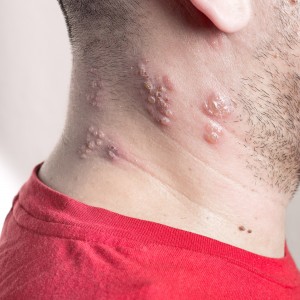
Chicken Pox Vaccine and Shingles; Surprising Link Between the Two

March 29, 2015 by James Bogash

shingles and chikcen pox vaccination
librakv / Dollar Photo Club

Vaccination remains a highly controversial topic with both sides sprouting misinformation and using largely emotional arguments. Rarely do you hear the truth.

And even more rarely do you hear the pro-vaccine camp addressing the real issues with vaccination.  Let me rephrase that…rarely do you hear the pro-vaccination camp discussing very specific issues with specific vaccinations.  A few examples can include:

  1. We vaccinate children with Hep A to protect the parents.  Has nothing to do with protecting the kids.
  2. Certain vaccinations, like Prevnar (for pneumococcal pneumonia), actually set the stage for more dangerous infections.
  3. Whooping cough (Pertussis) vaccination may actually increase the risk of transmission and doesn’t really work all that well in the first place.
  4. The flu vaccine, despite almost a hundred years of use, still hasn’t been shown to protect the most vulnerable populations (kids and seniors).

The list of issues is very long, but you can begin to get the idea.

But here’s the bottom line at the crux of it all:  You can’t beat Mother Nature.  She will ALWAYS win.

We’ve seen it time and time again with vaccinations.  We develop a vaccination for a few strains of an infectious disease.  Pneumoccol infections (Prevnar), HPV (Gardasil) and Meningococcal are just a few vaccinations that have led to more severe strains rising to the top and causing more problems then the original vaccination was designed to protect.

Somewhere mainstream medicine decided that they could eliminate infectious diseases.  Even the ones that rarely cause death, such as Influenza and chicken pox.  But we just can’t.  I would agree that the more deadly diseases are worth the effort.  Polio and Smallpox are great examples.  Ebola vaccinations are in the works.  At some point, however, we have to accept that the costs (both dollar-wise and society-wise) and the side effects of vaccinations for many of the contagious diseases on this plant are not worth the gains.

Let’s take Varicella.  AKA chicken pox.  The vaccination for chicken pox was added to the lengthy list of childhood vaccinations in 1995.  A second booster dose was recommended beginning in 2006.  And, without a doubt, the Varicella vaccination has cut back on the cases of chicken pox dramatically.  But at what cost?

Here’s a little tidbit.  When you have chicken pox as a child, your immune system provides a memory of the infection so that it can very rapidly rise up and fight it again.  With age (and just like your brain’s memory), your immunological memory fades.  Luckily, since chicken pox was so common, you’d be exposed to it again over time.  Maybe that handrail at the mall.  Maybe someone sneezed on you in an elevator, maybe your child or someone you take care of got chicken pox. These frequent “reminders” kept your immunological memory intact.

Soooooo….what happens without these reminders?  Your immune system forgets.  But now, as an adult, some wayward viral cells hiding out within your nervous system rise back up because your immune system has forgotten how to fight them.  Welcome to herpes zoster, aka shingles.

Yes, the rise in shingles is directly related to the widespread use of the Varicella vaccination in kids.

Good thing you can now run to Walgreens and get your shingles vaccination.  What a racket.

Just in case you think I’m making this stuff up, let’s take a look at this particular study.  Granted, this is an older study (published in 2008), but it’s still a goodie.  In it, researchers looked for a diagnosis of herpes zoster that was severe enough to result in hospitalization from 1993-2004.  Here’s what they found:

  • Rates of shingles hospitalizations did not change over the prevaccination years (1993–1995).
  • However, beginning in 2001, and by 2004 the overall rate of hospitalizations spiked 250%.
  • Hospital costs went up by more than $700 million annually by 2004.
  • Here’s the kicker: the annual rate of chicken pox and the associated hospital costs decreased from 1993 through 2004, but the decrease in hospitalizations and charges for chicken pox was less than the increase in hospitalizations and charges for shingles.

Keep in mind this is just the severe cases.  You can bet that the overall number of cases that did not require hospitalization was much higher and likely leads to a higher cost.

This is just another example of the kind of information that you do not hear from the pro-vaccination camp and information that the anti-vaccination camp does not use to support their position.
 

Filed Under: Chickenpox, Vaccination Tagged With: chicken pox, herpes zoster, shingles, vaccination, varicella, varicella vaccination

Pertussis / Whooping Cough Vaccine; How Long Does It Last?

March 7, 2015 by James Bogash

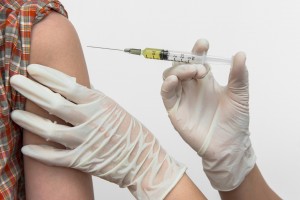
whooping cough vaccination
theyok/Dollar Photo Club

Measles has taken the stage lately (more on this in another blog) but prior to that pertussis, aka whooping cough, held the stage.

Pertussis is a respiratory disease that is caused by the bacteria  Bordetella pertussis.  The disease gets its name from the characteristic “whoop” as the infected person takes a deep breath after a fit of coughing to get oxygen back into his or her body.  In infants, the condition can be deadly because the lungs cannot handle the abuse and the coughing may not be there to warn parents of the infection.  As a result, respiratory failure as well as secondary pneumonia can occur far too easily.  In elementary school kids, however, the disease follows a more typical pattern:

  • Symptoms begin to show about 5–10 days after exposure, initially acting like a minor respiratory tract infection.
  • In stage 2 (paroxysmal) the coughing starts and lasts for some 2-6 weeks. Severe coughing can lead to the whooping, vomiting after coughing fits.  Coughing is usually worse at night.
  • The final stage involves several more weeks of less severe coughing with a gradually waning of the cough.

Everywhere you read about pertussis you will undoubtedly see a reference to vaccination as the Holy Grail for prevention of whooping cough.  And, almost invariably, any outbreaks will be blamed on the uncaring, ego-centric non-vaccinating parents.

But what if the vaccine has secretly sucked at preventing pertussis all along??  What if the recent surge of  pertussis cases is nothing more than an increased surveillance by pediatricians and family doctors?  This would mean that all along cases of pertussis have been present but, because society had this unholy belief in the power of the vaccination everyone thought pertussis was rare.

But how is this possible?  Wouldn’t doctors recognize that a cough lasting more than two weeks would put whooping cough on the radar screen?

Sure.  But, how many parents, in today’s run-to-the-doctor-for-a-sniffle parenting plan, would ever wait a whole TWO WEEKS to run his or her child to the doctor?

Well…we did.

In December of last year, Keegan (3rd grade, almost 9 at the time) had an illness that met the case definition for pertussis.  Now, before you start thinking about what a BAD parent I am, consider this.  Antibiotics given after the onset of paroxysmal stage begins and not likely to do anything.  And, if you’ve read my blog for more than 2 weeks you should understand how incredibly strong my stance is against antibiotics.  Basically, the CDC’s stance is that you should thrown antibiotics at any cough that has been around longer than a week just on the off chance it may be pertussis.  (on a related side note–the average duration of a “cough” is about 4 weeks, so we’re pretty much talking about every episode of coughing).

He was treated with high dose vitamin C, vitamin A, vitamin D as well as an unusually clean diet.  He was out of school for 6 days (including 2 weekends, leading to 10 days when he was in bed).  Given that every recommendation notes that cough suppressants dont’ work, we used locally grown honey in either hot water or tea.  Nothing was given to lower the fever, although I kept a very close eye on his temp.

Had he been vaccinated and given antibiotics, the expected time for him to miss school would’ve been about 10 days.  Far longer than he actually missed.

Here’s the kicker.  He likely picked it up from his 17 year old brother, who had similar symptoms but developed a secondary pneumonia.  When I asked his brother if anyone at school was sick like he had been, his response was that it was all over the school among both students and teachers.  Yes–it is very likely that pertussis was running its course through the high school unrecognized because no one waits long enough to go to the doctor to put an extended cough on the radar screen for pertussis.

So what does this story have to do with this particular study?  Everything.

In it, researchers looked at just how long immunity would be expected to last from a pertussis vaccination.  To first give you a little bit of background–the initial vaccination for pertussis was the DPT that used whole Bordatella bacteria.  However, due to safety concerns, in 1996 it was recommended to use the DPaT version, which did not contain any active bacteria.  So currently, children are recommended to get the DPaT 5 times, at 2, 4, and 6 months, than between months 15-18 months, and finally again between years 4-6.

Surely with this much time and effort spent injecting our children with the toxic component of pertussis (although, as a reminder, NOT the bacteria itself anymore…) along with a dose of aluminum injected directly into the bloodstream that this would absolutely halt pertussis in its tracks for decades, at least.

Here’s the summary of the findings from the researchers after looking through 11 different studies that met their requirements:

  1. There was no difference between the risk of pertussis between the 3 and 5-dose DTaP regimens.
  2. For every additional year after the last dose of DTaP, the odds of pertussis increased 33%.
  3. This means that (assuming 85% vaccine efficacy), 8.5 years after the last dose, only a paltry 10% of children vaccinated with DTaP would remain immune to pertussis.

Compare this to active immunity (the immunity that a child has who has had the actual infection), which is believed to last up to 20 years.  Not even in the same ballpark.

And of course, the recommendations from reviews like these are that we need to vaccinate more and more adolescents and adults to make sure we don’t get older kids sick.  What a mess (except, of course, financially for the vaccine manufacturers…).

The bottom line is that we are led to believe that vaccinations are a great way to protect the innocent.  And, once vaccinated, we are largely safe from the infections that Mother Nature intended.  But, as the veil is pulled back, the reality is that many of these vaccines are not nearly as effective as we thought they were, the immunity does not last nearly as long as we thought it would and the side effects turn out to be much greated than reported.


Filed Under: Vaccination Tagged With: Measles, pertussis, whooping cough, whooping cough vaccine

Vaccines in Kids: Mother Nature Always Wins

August 28, 2014 by James Bogash

Sometime, somewhere medicine decided it could best Mother Nature and vaccinations for kids were born.

Originally, diseases like polio and smallpox were commendable diseases to eradicate.  But the god complex kicked in from there.  Hepatitis A, hepatitis B, “cervical cancer,” the flu, rotavirus, pertussis…the list is now quite long.  On the list is the vaccination for Streptococcus  pneumoniae, a bacteria that causes nasty things like pneumonia, ear infections and meningitis and is responsible for tens of thousands of childhood deaths in the developed world (the vast majority of the deaths occur in undeveloped countries and in children with compromised immune systems).

This is a serious disease and not something to sneer at.  Personally, in my family, I would make choices to strengthen our immune systems so that we can fight off infections the way Mother Nature designed us to.  The details of this are beyond the scope of this post but you can bet they involve dietary choices, exercise and supplementation.

For mainstream medicine, however, we have the Prevnar vaccination.  To heck with all that “healthy lifestyles” junk.

In 2000, Prevnar was introduced by Wyeth and rapidly rose to one of the company’s top revenue sources.  Here’s the problem:  S. pneumoniae actually contains upwards of 90 different serotypes.  I describe serotypes as cousins in the same family.  The original Prevnar vaccination only protected against 7 of the cousins, although these were the cousins that were present in some 90% of infections.

In walks Mother Nature.

Much like a giant Wac-a-Mole game, when you smack down some of the cousins, the others rise up.  What have we seen since the introduction of the Prevnar vaccine?

  1. Serious lung infections (empyema) caused by this bacteria are on the rise.
  2. Other cousins (serotypes) of the bacteria have risen up.  These cause more severe infections and are resistant to antibiotics.
  3. The rates of disease in adults has climbed.  Adults are now getting infected in new, unknown ways (not just from their kids).

You get the point.  Mother Nature is winning AND she’s pissed off that we even tried.

But don’t worry, because in 2010 Wyeth came riding in on a white horse called Prevnar 13.  This one now contained vaccinations for 13 of the cousins (instead of just 7).  Everyone was now told they needed new vaccinations with Prevnar 13 (can you say, “financial boon?”).

We are slow learners.

This particular study takes a look at what has happened in the few years since the introduction of the Prevnar 13 and the story isn’t good.  Here’s the details from a study down in Massachusetts on reports to the state public health system:

  • There were 168 cases before Prevnar 13 was introduced (looking at 2007-2009) and 85 after in children 5 years of age or younger.
  • After more kids were hospitalized (57.6% vs 50.6%).
  • After more kids who got the infections had other conditions (23.5% vs 19.6%).  In other words, it may be that, after the introduction of the Prevnar 13, kids with other conditions (like asthma), were now more likely to get infected.
  • Children with other conditions had higher rates of infections caused by a nonvaccine type (27.6% vs 17.2%).
  • These same children were also far more likely to be hospitalized (80.4% vs 50%) and have a much longer hospital stay (3 days vs 0.5).
  • There was no difference in mortality rates before versus after.

Just to sum it up, the addition of the new vaccine is not saving lives, but it IS putting more kids into the hospital with infections that are harder to control.  Unfortunately, this is the type of information that your pediatrician is not likely to hear about, much less share with you in an effort to fully educate you on your decision to vaccinate your child.

Buyer beware.

Filed Under: Vaccination Tagged With: invasive pneumococcal disease, Prevar, S pneumoniae, vaccination

ULTIMATE Conundrum in Pediatrics-Is Your Kid’s Dr Current?

August 23, 2014 by James Bogash

I will admit that most doctors don’t actually read medical journals.  They may subscribe, but that doesn’t mean that they actually read them.

There are some specialists I tend to be more critical of when it comes to staying current with the medical research, but pediatricians usually top the list.  Not only do they (I am using the term “they” here in a general sense–certainly there are top-notch pediatricians out there who have actually cracked a medical journal in the past 5 years…) not do things that are supported in the medical literature (like using vitamin D and probiotics to fight off infections), but they continue to recommend damaging treatments for infants IN THE FACE of medical literature that shows these interventions are therapeutically worthless and potentially very harmful.

Two perfect examples are:

  1. The use of acid-blocking drugs in infants.  A recent study found that, out of a group of 567 pediatricians surveyed, only 1.8% followed guidelines.  A full 82% were overprescribing this class of drugs in infants.  All of this in light of research that is at least 6 years old finding that these prescriptions are used inappropriately.
  2. Antibiotic use in infants for conditions that are self-limiting.  The most notorious of these being ear infections.  Despite over THIRTY years of research screaming not to use antibiotics for this condition, pediatricians still aren’t getting the message.

Quite frankly, this is atrocious and inexcusable.  Worse, these two treatments can produce irreparable harm to the little infant’s immune system.  And yet, despite this, there was a recent article online about the treatment of bed wetting in children by chiropractors (based on several websites, NOT any type of study), slamming the treatment as being unscientific.

Talk about glass houses.

So what does all of this have to do with this particular article?

In it, researchers looked at the makeup of the bacteria in the gut of a group of 48 Bangladeshi infants at 6, 11, and 15 weeks of age and evaluated how the blend of bacteria in the gut affected the response to four different vaccinations:  Oral polio virus (OPV), Bacille Calmette-Guérin (BCG-for tuberculosis), Tetanus toxoid (TT) and Hepatitis B virus.

The vaccines were then checked for effectiveness (using specific T-cell proliferation for all four, the delayed-type hypersensitivity skin-test response for BCG, and IgG response for OPV, TT, and hepatitis B virus).  Here’s what they found:

  • The presence of the bacteria Actinobacteria and B longum subspecies infantis led to a stronger immune response with vaccination.
  • However, the presence of  Enterobacteriales, Pseudomonadales and Clostridiales led to a weaker vaccine response.

Here’s the kicker.  Antibiotic use has a tendency to increase the presence of the Clostridiales family of bacteria and throw off the balance of an infant’s gut.  Herein lies to ultimate conundrum:  Most pediatricians are militant about giving infants and children every vaccination recommended by the CDC and refuse to even consider that this might not be the best course of action for your little one’s health.  At the same time, pediatricians have been very slow to adopt a policy that limits antibiotic use in all but the most serious of conditions.

It seems likely that these two practices negatively affect one another.  The pediatrician who is staying current with all the research in his or her field (arguably, given that our knowledge of health is constantly changing, this is the ONLY acceptable type of pediatrician to take your child to) will understand that the unnecessary antibiotic may actually affect how well a vaccination works and avoid them as much as possible.

And NOT avoid antibiotics because he or she has a concern about “antibiotic resistance” but because antibiotics completely disrupt the delicate balance of the developing immune system of your little one.  When you find THIS pediatrician, stick with him or her.


Filed Under: Healthy Kids, Probiotic, Vaccination Tagged With: antibiotics in infants, pediatrician, Pediatrics, probiotics, vaccination

The Vaccination Debate Continues: Pertussis (Whooping Cough) Facts You Need to Know

July 17, 2014 by James Bogash

Vaccination is one of the most hotly debated health topics there is. But rarely do either side of the debate understand the details.

The pro vaccine group has near-religious faith in the altruistic behavior of public health officials and the pharmaceutical companies.  And, boy, if any of you think that profit is not a driver of the drug companies we really have no more room for discussion.
[Read more…] about The Vaccination Debate Continues: Pertussis (Whooping Cough) Facts You Need to Know

Filed Under: Vaccination Tagged With: DTP vaccine, pertussis, vaccination, Vaccine, whooping cough

Timing of MMR Vaccination; Could it Make Infections Worse?

March 14, 2014 by James Bogash

Vaccinations are always a hotly contested subject and usually argued on both sides with more emotion than fact. The “pro” people rely more on scare tactics than fact and the “anti” people use what seem like facts but tend to be more hype.

As an example, the pro-vaccination group love to hang everything on the concept of heard immunity. If you don’t get your child vaccinated with every vaccine currently known to man as well as the rhesus monkey, then your child is going to come down with Dengue fever and give MY child Dengue fever as well. This is selfish and bad parenting on the part of a granola-eating, flannel-wearing, anti-vaccination parenting group.

The anti-vaccination group throws about long lists of ingredients used in the manufacture of vaccines from mercury to anti-freeze that are known to be toxic to the human body when injected.

The answer, as always, lies somewhere in between. But one thing I can tell you is that the vaccination picture is ANYTHING but cut and dry. Anyone who states that vaccinations save lives and should be used to their fullest extent in all children is misinformed. And yes—this includes most pediatricians.

Just to show you how complicated the vaccination question is I present this particular study. In it, researchers looked at what effect adherence to vaccination schedules played a role in the development of illness in 495,987 children.

This study was done in Denmark, where the recommendations are as follows:

  • Diphtheria, tetanus, pertussis, polio, and Hib (DTaP-IPV-Hib) given at ages 3, 5, and 12 months
  • MMR at age 15 months.

From here, the researchers looked at the risk of hospitalization for any illness in the context of which of these vaccines the child last received. Overall, there were 56,889 hospital admissions in this group of children. Here’s what they found:

  1. For those children who were vaccinated following the recommended schedule and received MMR after the third dose of DTaP-IPV-Hib, there was a 14% lower risk of an admission for infection.
  2. For those receiving MMR after the second dose of DTaP-IPV-Hib, there was a 13% lower risk.
  3. However, in the children who got the third dose of DTaP-IPV-Hib after MMR, there was a 62% higher risk of a hospital admission for infection.

While the smallest group was the third group, you can see that, for some strange reason, the timing of immunization made a massive difference in the risk for a hospitalized infection. Maybe some vaccine-trained immunologist could explain why, but it’s a wee bit beyond my understanding.

Now consider this: The recommended schedule from birth to 6 years of age includes vaccines against 10 different infectious agents given at 31 different times. As can be seen from this study, the wrong combination can actually increase your child’s risk of a serious infection. The determination of when to give a vaccine, based on my knowledge (which could, potentially, be lacking), is based on a single vaccine.

While studies are done on the combination vaccines, studies are NOT done to see how the order of vaccines may effect (both negatively and positively) the child’s immune system. Basically, it’s a crap shoot.

Filed Under: Vaccination Tagged With: childhood immunizations, MMR, raising healthy kids, vaccination, Vaccine

Whooping Cough Numbers are Up–Is the Vaccine to Blame?

January 27, 2014 by James Bogash

It seems like the spotlight has been on whooping cough the past few years, making it sound like the country is on the brink of an epidemic. The stones to throw, conveniently, are at those evil non-vaccinators.

First, we all need a little background.  Pertussis, aka whooping cough, gets it’s name from the inspiratory “whoop,” or that dreadful sound someone makes sucking the air back into his or her lungs after coughing all of it out.  It is caused by the bacteria Bordetella pertussis and is diagnosed based on these criteria:

  • A cough illness lasting at least 2 weeks without another diagnosis, and including one of the following–
    1. Paroxysms of coughing, OR
    2. Inspiratory “whoop,” OR
    3. Posttussive vomiting, OR
    4. In infants under one year of age, apnea (with or without cyanosis).
    5. Lab confirmation of Bordetella presence.

    Back in the 1940’s, when the first pertussis vaccine was created, about 100,000 cases per year were occuring (highest record number of cases was in 1934 at 260,000 cases and the lowest was in 1976 at 1,010 cases) .  The initial vaccines used where whole cell pertussis vaccines (Included in the DAP vaccines).  These vaccines contained actual portions of the bacteria, but were associated with injection site reactions, high fevers and hours of persistent screaming.  Beginning in 1991, the aceullar vaccination (included in the TDaP vaccine) was introduced here in the US and slowly replaced the whole cell vaccination.  This vaccination, while elliciting a smaller immune reaction, was associated with less side effects.

    Since then, a small problem has been building quietly in the background…

    The numbers are going back up.  In 2013, just over 24,000 cases were reported. And, since it seems like the easy answer, everyone is blaming the unvaccinated. At times like these, all fingers point to those evil parents who choose not to have their children vaccinated. Comment sections following articles on diseases for which we have vaccinations for (influenza, measles, whooping cough, chicken pox, etc…) refer to these parents as selfish and then suggest that these parents should just lock unvaccinated children in the celler so they don’t get other kids sick.

    Which always seemed strange to me. After all, if the vaccination is supposed to protect against a disease, why would a parent worry about the vaccinated child coming across an unvaccinated child? Seems like discrimination to me.

    In response to the resurgence of whooping cough, others are calling for more booster shots to strengthen immunity against pertussis. Great financial boon for the drug companies on this one.

    But I digress. Back to this particular article. Researchers used a primate model to see just what the acelluar pertussis vaccination was doing. Here’s what they found:

    1. Vaccination did indeed protect from getting a severe infection, although it did not shorten the course of the illness.
    2. Those vaccinated with the accellular vaccination readily transferred the infection to others.
    3. The immune response was different with the accellular vaccination over the infection itself or the whole cell pertussis vaccination

    To put it plainly, the switch to the acellular pertussis vaccination led to a reduced severity of infection, but did nothing to prevent the spread of whooping cough. On the contrary, less severity of illness may even have led to underdiagnosis and infected carriers roaming the streets spreading further infection.

    Not that I have any well thought out approach to how to dampen this rise in whooping cough cases (besides, of course, generally treating our immune system correctly in the first place), but I write this article to quelch the pro-vaccine people blaming the non-vaccinated as well as demonstrating that merely throwing more vaccinations at the problem is not the answer (although it WILL generate more revenue for the drug companies).

    Filed Under: Vaccination Tagged With: pertussis, vaccination, whooping cough

    Revaccination Safe in Children W/ Prior Adverse Event – (09-18-00)

    November 19, 2013 by James Bogash

    Revaccination Safe in Children W/ Prior Adverse Event

    The decision whether or not to vaccinate is becoming a more difficult one as more and more questions arise about the safety of numerous vaccines given today. Here are a few of my thoughts. First, I feel that the safety aspects of these vaccinations are not completely studied and many are released too soon. A good example of this was the recently pulled rotavirus vaccine that was found to increase the risk for a specific intestinal disorder. Next, underreporting of adverse effects is very high. I remember one patient telling me that her son’s pediatrician refused to call a several day sustained high fever immediately following a vaccination as an adverse effect. These vaccines do have a benefit, and one can’t deny that certain previously lethal diseases have been all but eradicated (smallpox); but the questions being raised are definate cause for concern for all parents. If you have a child almost due for vaccination, please be as informed as you possibly can…many doctors do not give full disclosure on the issue.

    Arch Dis Child 2000;83:128-131 Children who have a past history of an adverse event following immunization (AEFI) can be safely revaccinated in most cases, according to a report in the August issue of the Archives of Disease in Childhood. Between 1996 and 1999, 469 children with a prior AEFI attended one of three special immunization service centers. According to the report, 63% had minor post-vaccination reactions and 37% experienced hypotonic hyporesponsive episodes, convulsions, skin rash, anaphylaxis, apnea, or various miscellaneous symptoms. Most children (90%) were revaccinated after careful clinical review, the authors report. Among the 421 children vaccinated, 83% experienced no AEFI. All but one of the remaining children experienced only minor reactions, including fever, local reactions, and/or lethargy, during the 7 days following immunization.

    Filed Under: Vaccination Tagged With: vaccination

    • « Go to Previous Page
    • Page 1
    • Page 2
    • Page 3
    • Page 4
    • Interim pages omitted …
    • Page 12
    • Go to Next Page »

    Primary Sidebar

    Patient Quick Guide

    Schedule An Appointment
    Contact Our Office
    Download Patient Forms

    Categories

    Chiropractic Mesa Arizona

    Arthritis Chiropractor Mesa AZ
    Graston Technique Mesa AZ
    Back Pain Chiropractor Mesa AZ
    Back Pain Doctor Mesa AZ
    Wrist Pain Chiropractor Mesa AZ
    Rotator Cuff Chiropractor Mesa AZ
    Shoulder Pain Chiropractor Mesa AZ
    Knee Pain chiropractor Mesa AZ
    Manipulation Under Anesthesia In Mesa AZ
    Headache Chiropractor Mesa AZ
    Chiropractic Mesa AZ
    Stem Cell Therapy Mesa AZ
    Regenerative Medicine Mesa AZ
    Massage Therapist Mesa AZ
    Shoulder Pain Doctor Mesa AZ
    PRP Therapy Mesa AZ
    Chiropractic Mesa AZ
    Who Is The Top Chiropractor In Mesa AZ?
    Knee Injury Doctor Mesa AZ?

    Footer

    Resources

    Site Map
    Disclosure
    Additional Resources

    Best Massage Therapist Mesa AZ
    Arthritis Doctor Mesa AZ
    Chiropractic Mesa AZ
    Back Pain Doctor Mesa AZ
    Rotator Cuff Doctor Mesa AZ
    Chiropractor Mesa AZ
    Massage Therapist Mesa AZ
    PRP Therapy Mesa AZ
    Knee Pain Doctor Mesa AZ
    Stem Cell Therapy Mesa AZ
    Headache Doctor Mesa AZ
    Shoulder Pain Doctor Mesa AZ

    Office

    Lifecare Chiropractic
    1830 S. Alma School Rd, Ste 135
    Mesa, AZ 85210
    (480)-839-2273
    Also Serving Tempe, AZ

    Get Directions

    • Home
    • About
    • Common Conditions
    • Additional Services
    • Testimonials
    • Blog
    • E-Books
    • Contact

    Copyright © 2026 · LifeCare Chiropractic · All Rights Reserved.